
Biotechnology and bioengineering
| Field of Study | G Engineering, Manufacturing and Construction |
| Specialty | G21 Biotechnology and Bioengineering |
| Education Level | Baccalaureus |
| Form | Full-time (day) |
| Scope | 240 ECTS credits |
| Duration | 3 years and 10 months |
| Institute/Faculty |
Faculty of Plant Protection, Biotechnology and Ecology
|
| Department |
Physiology, Plant Biochemistry, and Bioenergetics
|
About the Program
The educational and professional program “Biotechnology and Bioengineering” is based on a competency-based approach and aims to train bachelors capable of professional activity in the field of modern biotechnology and bioengineering. The program provides fundamental and applied knowledge in biology, chemistry, biochemistry, microbiology, genetics, molecular and cellular biotechnology necessary for working with biological systems and biotechnological processes.
The main focus of the educational and professional program is to train specialists capable of performing biotechnological operations, controlling and optimizing biological processes, analyze the properties of biological objects and biosynthesis products, and apply modern research methods in production, laboratory, and applied activities in the agricultural, food, pharmaceutical, environmental, and related industries.
The general focus of the program is on: the use of basic and specialized biotechnology methods; the analysis and interpretation of experimental data; working with microorganisms, cell cultures, and biologically active substances; adherence to the principles of bioethics, biosafety, and environmental responsibility; the development of professional communication and teamwork skills.
The program's special focus is on: the molecular, genetic, and cellular foundations of biotechnology; technologies for cultivating biological agents; biochemical and physiological-biochemical processes; quality control of biotechnological products; application of biotechnologies in agriculture, environmental protection, food and pharmaceutical industries.
Purpose of the Educational Program
The aim of the educational and professional program is to train specialists capable of comprehensively performing design and technological calculations and carrying out production and technological work related to the use of biological agents and their waste products.
Subject Area of the Educational Program
Field of knowledge G “Engineering, manufacturing, and construction.”
Specialty G21 “Biotechnology and bioengineering.”
Subject of study and activity: biological systems and processes used in biotechnology and bioengineering, in particular microorganisms, cell and tissue cultures, enzymatic and biochemical processes, biologically active substances and bioproducts, as well as their application in various fields.
Learning objectives: to develop the ability to solve typical and complex specialized tasks and practical problems in the field of biotechnology and bioengineering, which involves the application of fundamental and applied knowledge in natural sciences, analysis and generalization of experimental data, and the use of modern biotechnological methods in professional activities.
The theoretical content of the subject area is based on the fundamental principles of biology, chemistry, biochemistry, microbiology, genetics, molecular and cellular biotechnology, as well as the patterns of functioning of biological systems and biotechnological processes.
Methods, techniques, and technologies: experimental and laboratory methods of biotechnology, biochemical, microbiological, and molecular biological analysis; methods of processing and interpreting experimental data; technologies for cultivating biological agents and obtaining biotechnological products.
Tools: laboratory and analytical equipment, biotechnological installations, information and software tools for collecting, processing, and analyzing experimental data, regulatory and technical documentation in the field of biotechnology and biosafety.
Features of the Educational Program
The educational and professional program is aimed at achieving program outcomes that define its subject area and provides training for specialists in the field of biotechnology and bioengineering for the agricultural sector, processing industry, and environmental protection, taking into account the specific nature of the university's focus on biological resources.
The program is implemented on the basis of competency-based and student-centered approaches, combines fundamental natural science training with professional practical and laboratory components, and provides a differentiated approach to full-time and part-time higher education students.
Practical training is focused on developing professional skills and abilities in working with microorganisms, plants and other biological objects, biologically active substances, and biotechnological processes used in agricultural production, food and processing technologies, environmental biotechnology, and bioremediation.
The program focuses on training specialists capable of applying biotechnological methods to increase the efficiency of agricultural production, rational use of biological and natural resources, preservation of soil fertility, reduction of negative impact on the environment, and ensuring biological and ecological safety in the agricultural sector.
Employment
Employment: According to the current edition of the National Classifier of Ukraine: Classifier of Professions (DK 003:2010) and the International Standard Classification of Occupations 2008 (ISCO-08), graduates with a professional qualification of “Master of Biotechnology and Bioengineering” can be employed in positions with the following professional titles: biotechnologist (2211.2), junior research assistant (biology) (2211.1); research assistant (chemical technologies) (2146.1); assistant (2310.2); higher education institution lecturer (2310.2) or hold the following primary positions: laboratory manager (research, production preparation) (1237.2); process engineer (chemical technologies) (1246.2); research associate-consultant (chemical technologies) (2146.1); laboratory director (1210.1); director (head, other manager) of an enterprise (1210.1).
Further Study
Training for development and self-improvement in professional and scientific fields of activity, as well as in related areas of knowledge:
- continuing education in second (master's) level higher education programs in the specialty G21 “Biotechnology and Bioengineering” and related specialties;
- participation in academic mobility programs, educational and scientific-practical internships, grants and scholarships (including international ones), which provide for the acquisition of additional professional competencies and practical experience;
- completion of advanced training programs, certification courses, and informal education programs in the field of biotechnology, agrobiotechnology, environmental biotechnology, and related areas.
Additional Information
The educational and professional program is implemented using the university's modern material and technical base, educational and scientific laboratories, and resources of partner institutions and enterprises in the agricultural, food, and biotechnology sectors. The educational process involves scientific and teaching staff with practical experience in the fields of biotechnology, agrobiotechnology, and environmental biotechnology.
The program provides opportunities for academic mobility for higher education students, participation in joint educational and scientific-practical events, industrial practices and internships, including at enterprises in the agricultural sector and institutions operating in the field of biotechnology.
The educational process is supported by teaching materials, electronic resources, and distance learning platforms, which contribute to the formation of individual educational trajectories and the development of independent work skills among higher education students.
Stakeholder Feedback
-
Contact phone number: (044) 527-85-17
-
Е-mail: [email protected]
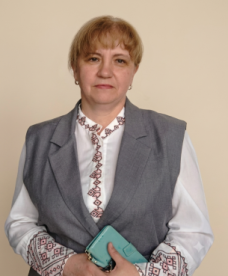
Program Guarantor:
The world of biotechnology is changing at an extremely rapid pace, and this was the starting point for the creation of the “Biotechnology and Bioengineering” educational and professional program. We proceeded from the understanding that the modern agricultural sector and the bioresources industry need not just graduates with a degree, but specialists who have a deep understanding of biological processes and know how to apply that knowledge in practice—responsibly, safely, and effectively.
The program was developed in response to the real-world needs of industry, science, and environmental practice. It combines a foundation in the natural sciences with applied biotechnology disciplines and laboratory work, enabling students to develop a professional vision and an understanding of their role in addressing current challenges in the agricultural and biotechnology sectors while still in school.
Our approach is competency-based and practice-oriented. We do not limit ourselves to imparting theoretical knowledge; rather, we develop students’ ability to work with biological specimens, analyze processes, obtain and interpret experimental results, and adhere to biosafety and bioethics requirements. It is important to us that graduates not only know “how it works,” but also understand why and where it can be applied in real-world agricultural production and biotechnology practice.
The program’s overall focus is on a solid foundation in the natural sciences, combined with specialized biotechnology courses and laboratory practice. We teach students to think biotechnologically: to see the process as a whole, to understand the interrelationships between biological, chemical, and technological factors, to work with data, and to draw well-founded conclusions.
A special focus of the program is on the application of biotechnology in agriculture, the food and processing industries, environmental biotechnology, bioremediation, and the conservation of biological resources. It is precisely the agricultural context that is fundamental to us: NUBiP is a university where biotechnology is not viewed in isolation, but rather as a tool for increasing production efficiency, preserving soil fertility, protecting the environment, and ensuring sustainable development.
For me, as the program’s guarantor, this program is not just a list of courses. It is an environment in which a new generation of biotechnology specialists is being shaped: responsible, practically trained, capable of lifelong learning, and able to adapt to rapid changes in science and industry. And I am sincerely convinced that it is precisely this approach that enables our graduates to be in demand and competitive in today’s agricultural and biotechnology sector.