
Ukrainian economic science transcends borders and opens up new opportunities in Moldova for a shared agricultural future
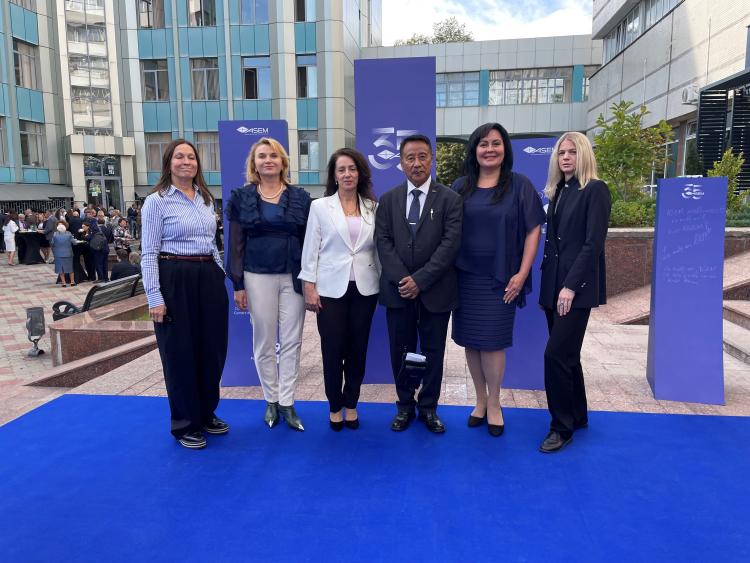
Science knows no borders, and shared ideas open new avenues for international cooperation. It is through such engagement that new areas of research emerge, networks of research partners and interests expand, and further opportunities arise to strengthen the research potential of the National University of Life and Environmental Sciences of Ukraine.
The jubilee 30th International Scientific Conference «Competitiveness and Innovation in the Knowledge Economy», was held in Chișinău, Republic of Moldova, on 25–26 September 2026. It was organised by the Academy of Economic Studies of Moldova (ASEM). This latest academic visit broadened not only the geographical reach of professional cooperation but also the scope of scientific inquiry for Nataliia VDOVENKO, Doctor of Economic Sciences, Professor and Honoured Worker of Agriculture of Ukraine. Further information: https://conference.ase.md/
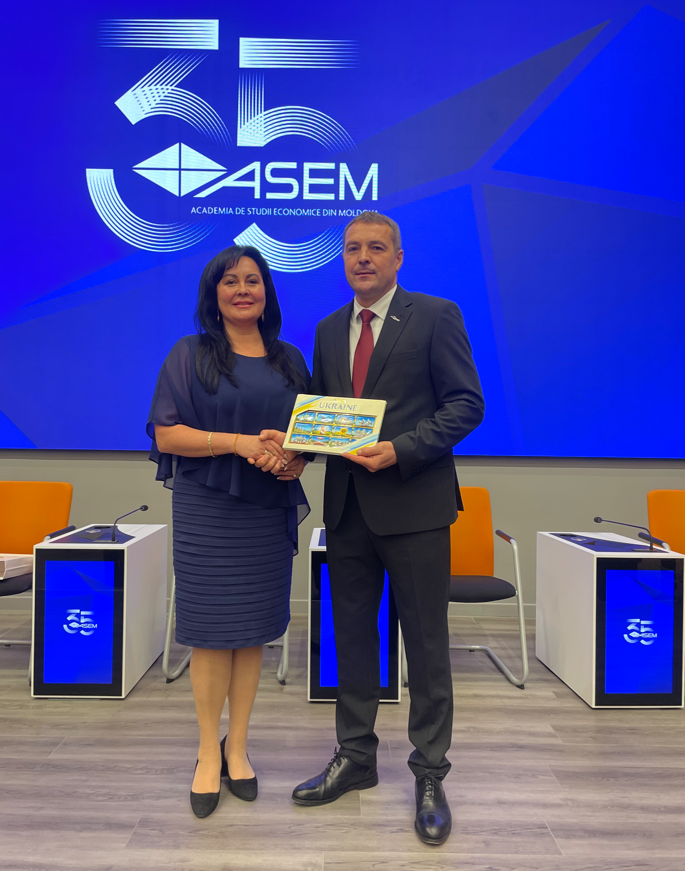
‘Presenting the scientific achievements of Ukrainian scholars in Moldova opens up new areas for academic cooperation, encourages the exchange of experience, generates shared research ideas and facilitates the launch of international research projects,’ emphasised Alexandru STRATAN, Rector of the Academy of Economic Studies of Moldova (ASEM), Habilitated Doctor, University Professor and Academician of the Academy of Sciences of Moldova.
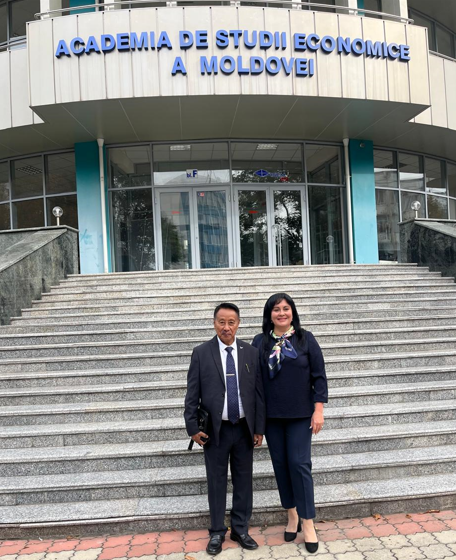
‘Our newly established cooperation generates fresh ideas for knowledge exchange and brings together our research potential. I am convinced that such steps lay a solid foundation for strengthening academic cooperation between Ukraine and Moldova in practice,’ emphasised Larisa MISTREAN, coordinator of the panel ‘Emerging Frontiers in AI, Intelligent Systems and Digital Transformation for a Sustainable Green Economy’.
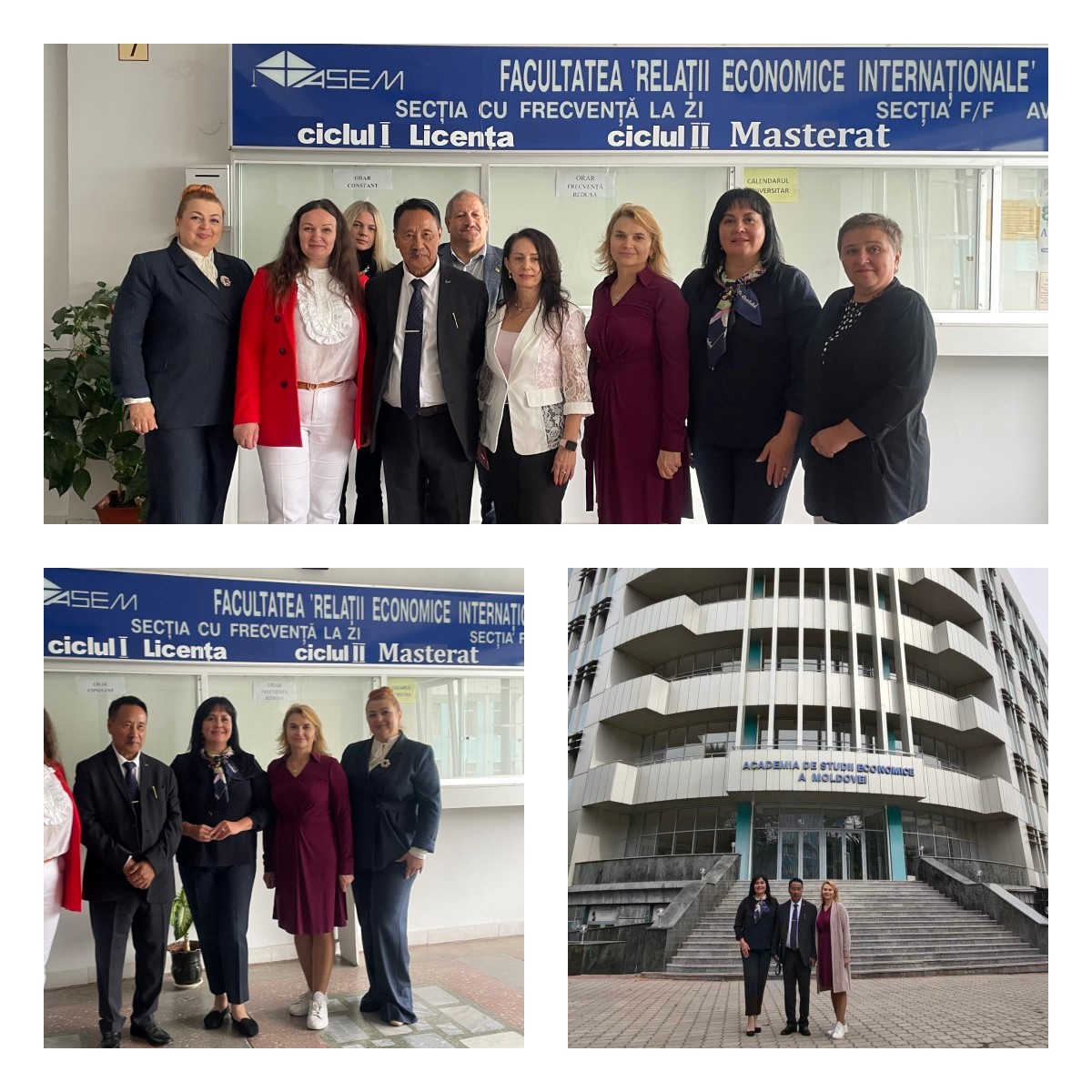
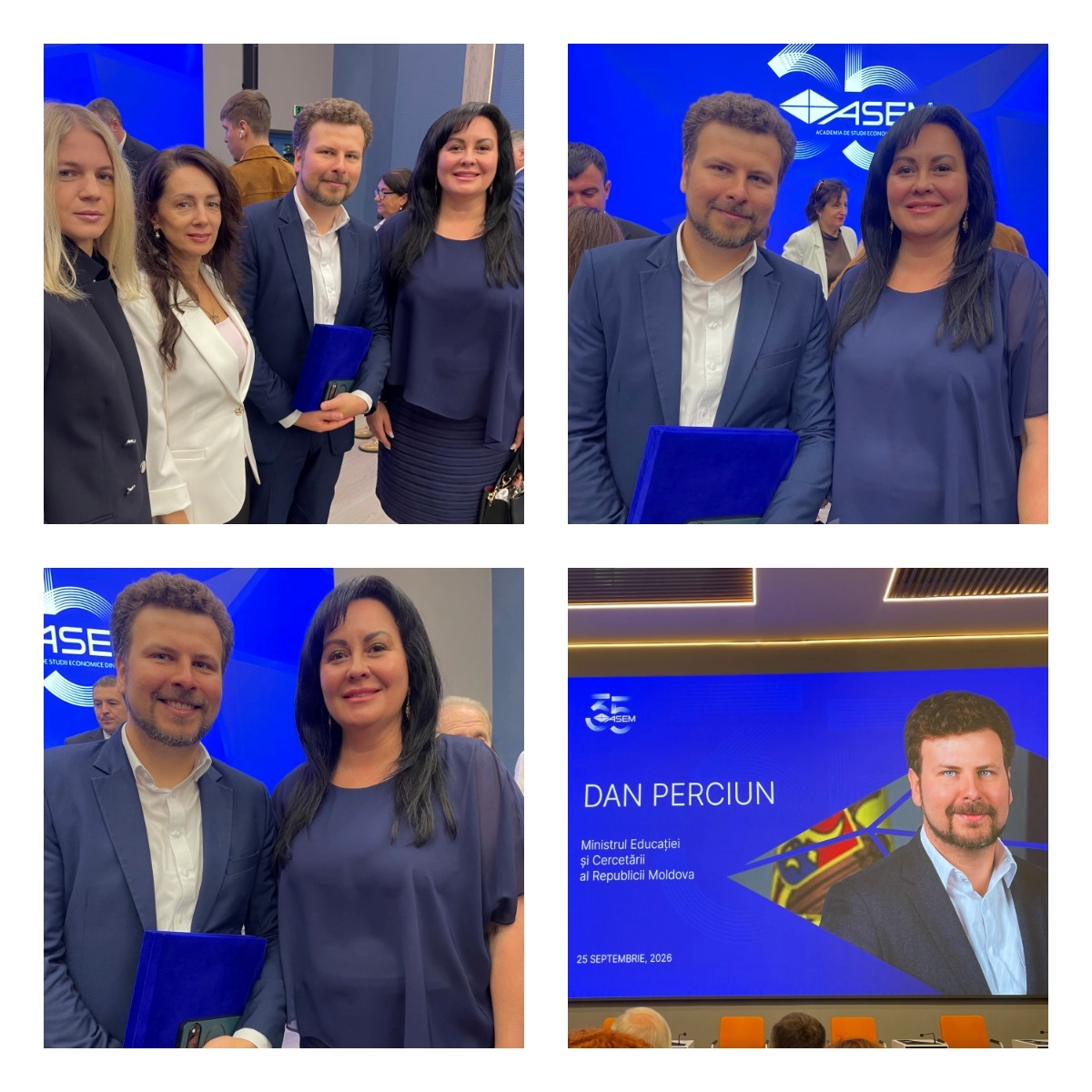
The Minister of Education and Research of the Republic of Moldova, Dan PERCIUN, speaking at the plenary session, emphasised the importance of investing in education and scientific research as a foundation for the country's intellectual and economic development. His remarks highlight the contribution of education and science to strengthening human capital and fostering economic growth.
Presenting these scientific achievements in Moldova marked an important step towards stronger academic ties and, in the longer term, the practical implementation of research outcomes and the preparation of patent applications.
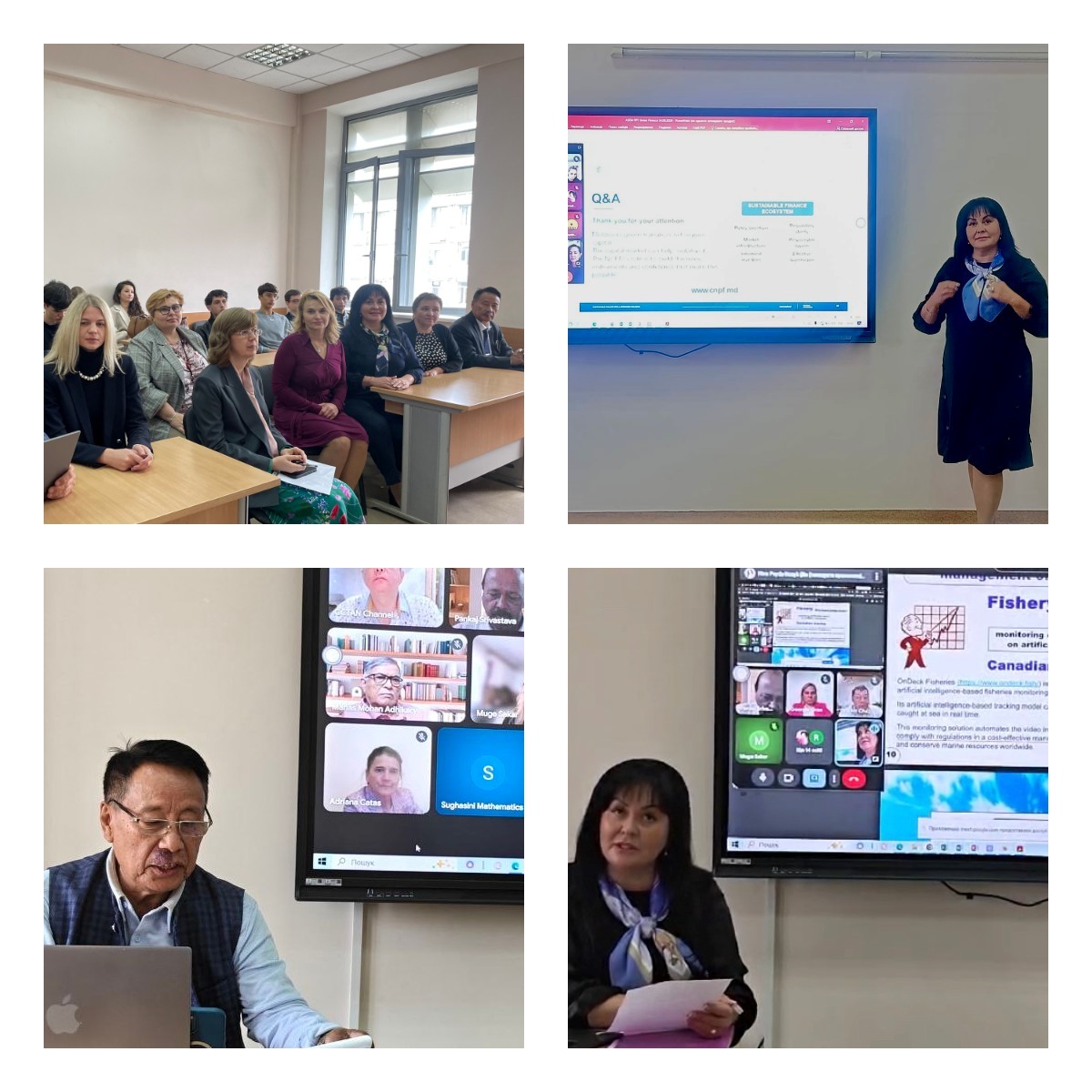
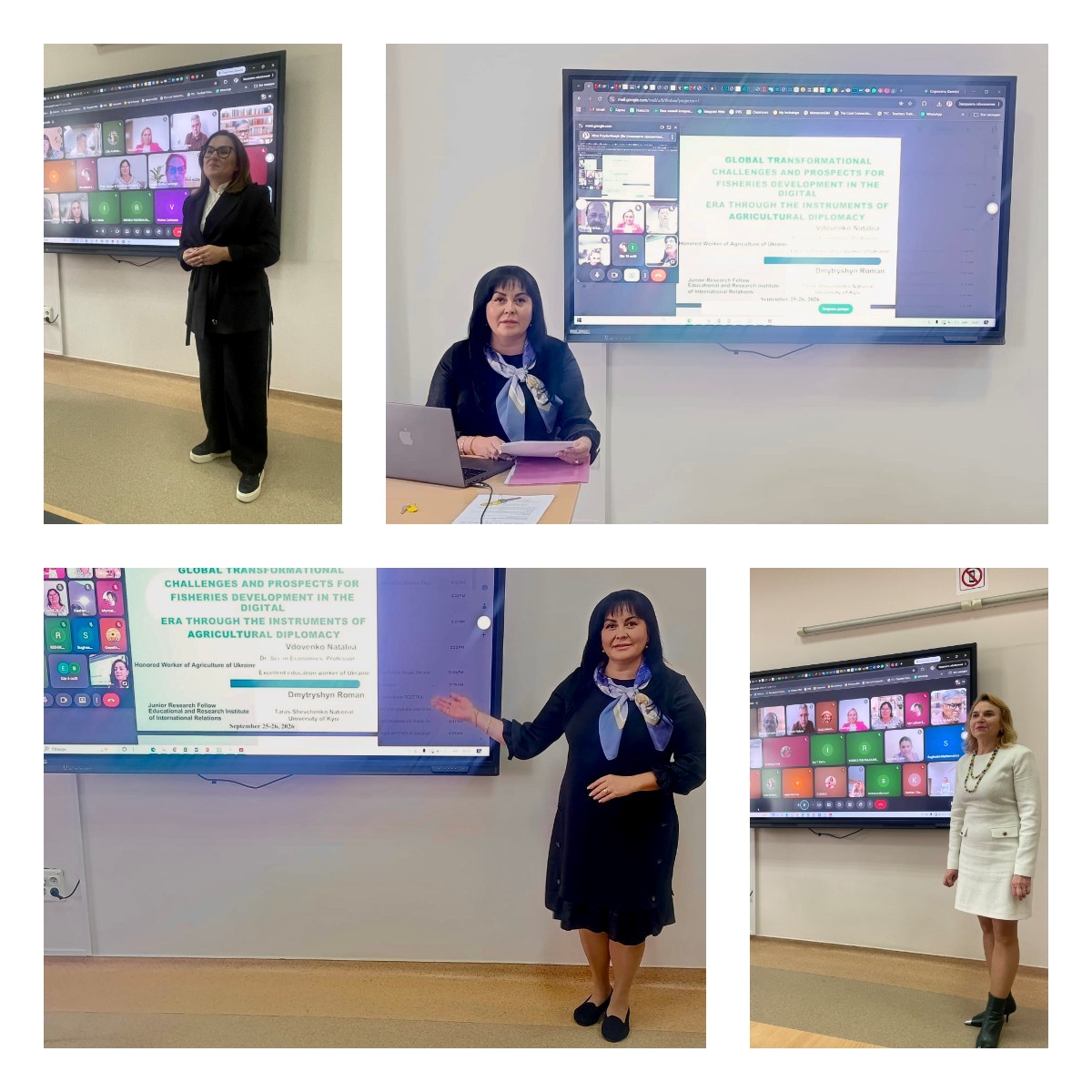
In her scientific presentation, ‘Global Transformational Challenges and Prospects for Fisheries Development in the Digital Age through Agricultural Diplomacy’, Nataliia VDOVENKO presented newly developed scientific approaches to the advancement of economic sectors and the strengthening of international agricultural cooperation.
Nataliia VDOVENKO placed particular emphasis on presenting and disseminating the findings of Research Project No. 110/6-pr-2025, ‘Scientific Substantiation of Agrotechnological Solutions for Regulating the Development of the Circular and Blue Economies in Agriculture and Fisheries to Support the Rehabilitation of Military Personnel and Ukraine’s Post-War Reconstruction’ (State Registration No. 0125U001973).
Particular attention was devoted to creating new opportunities to improve production technologies in snail farming, aquaculture, insect farming, including black soldier fly farming, goat farming and shrimp farming through agricultural entrepreneurship and agribusiness. In this way, scientific achievements find practical application, opening up new opportunities to establish businesses and create jobs.
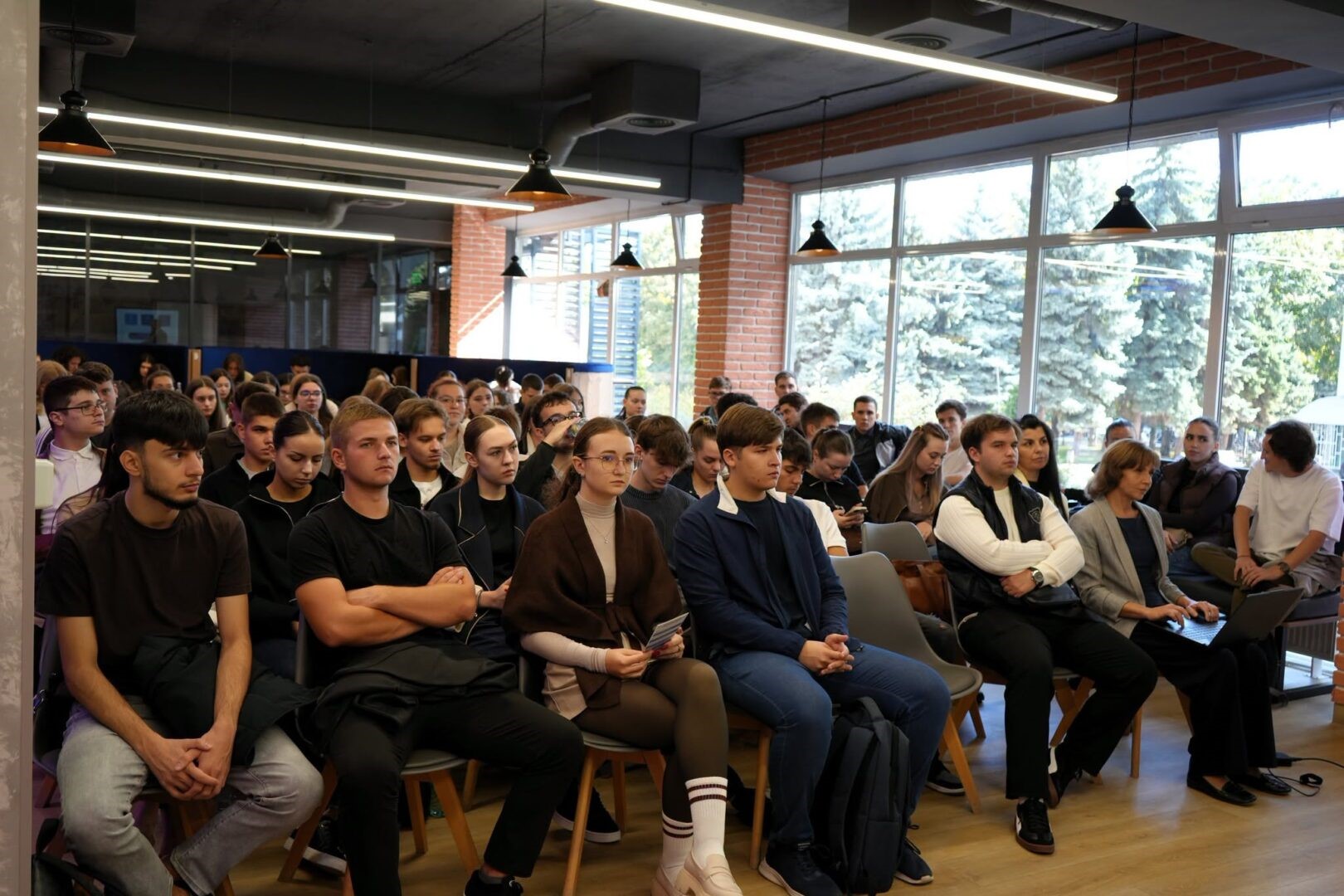
When scientific ideas find practical application, they open up new paths for the development of the agricultural sector of the economy. This vision underpins the research conducted by Ukrainian scientists, who have combined innovative agrotechnological solutions with the development of the circular and blue economies.
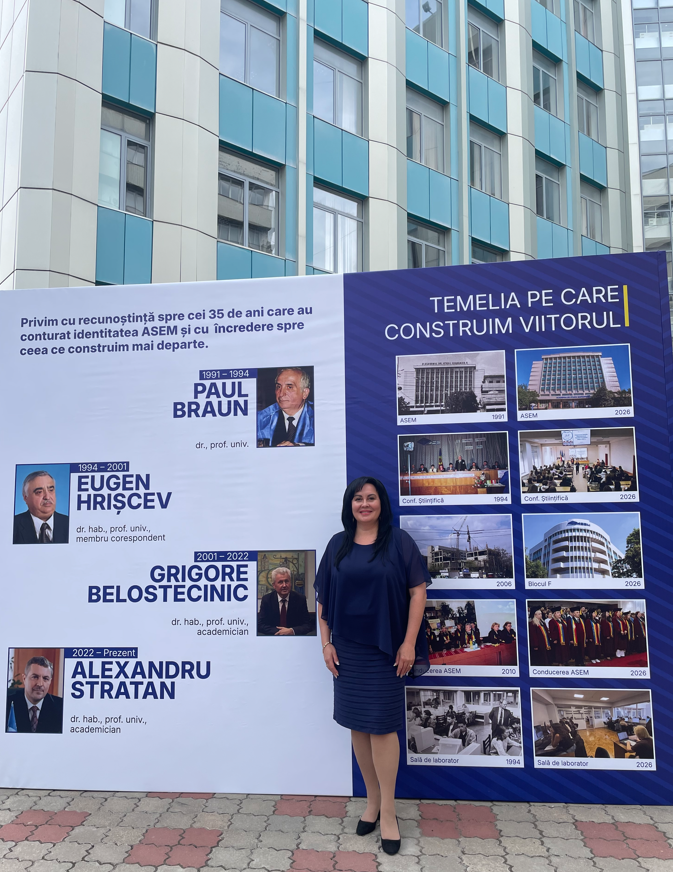
Shared research ideas and the achievements of scientists from Ukraine and Moldova lay the foundation for further accomplishments, uniting science, experience and a commitment to discovery in support of agricultural economic development, European integration and a future in which knowledge contributes to the well-being of both our countries.