
Students of the Faculty of Veterinary Medicine traineership under the Erasmus+ programme at the University of agricultural sciences and veterinary medicine (Cluj‑Napoca, Romania): A unique practical experience
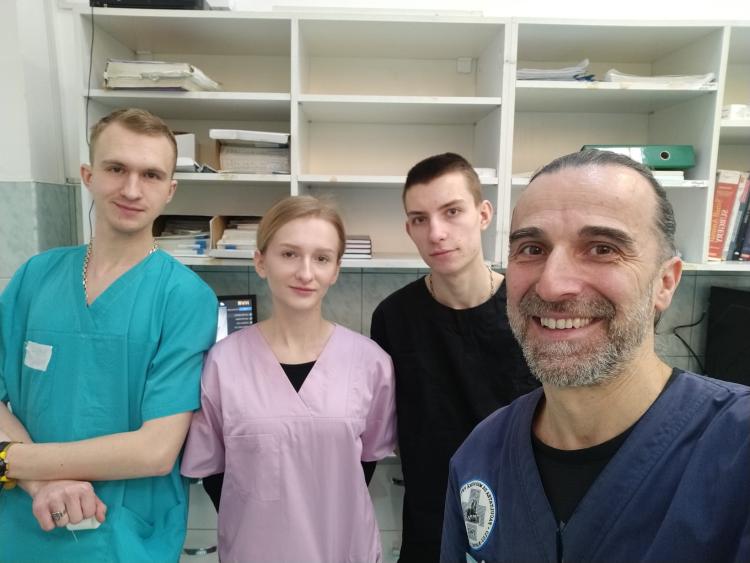
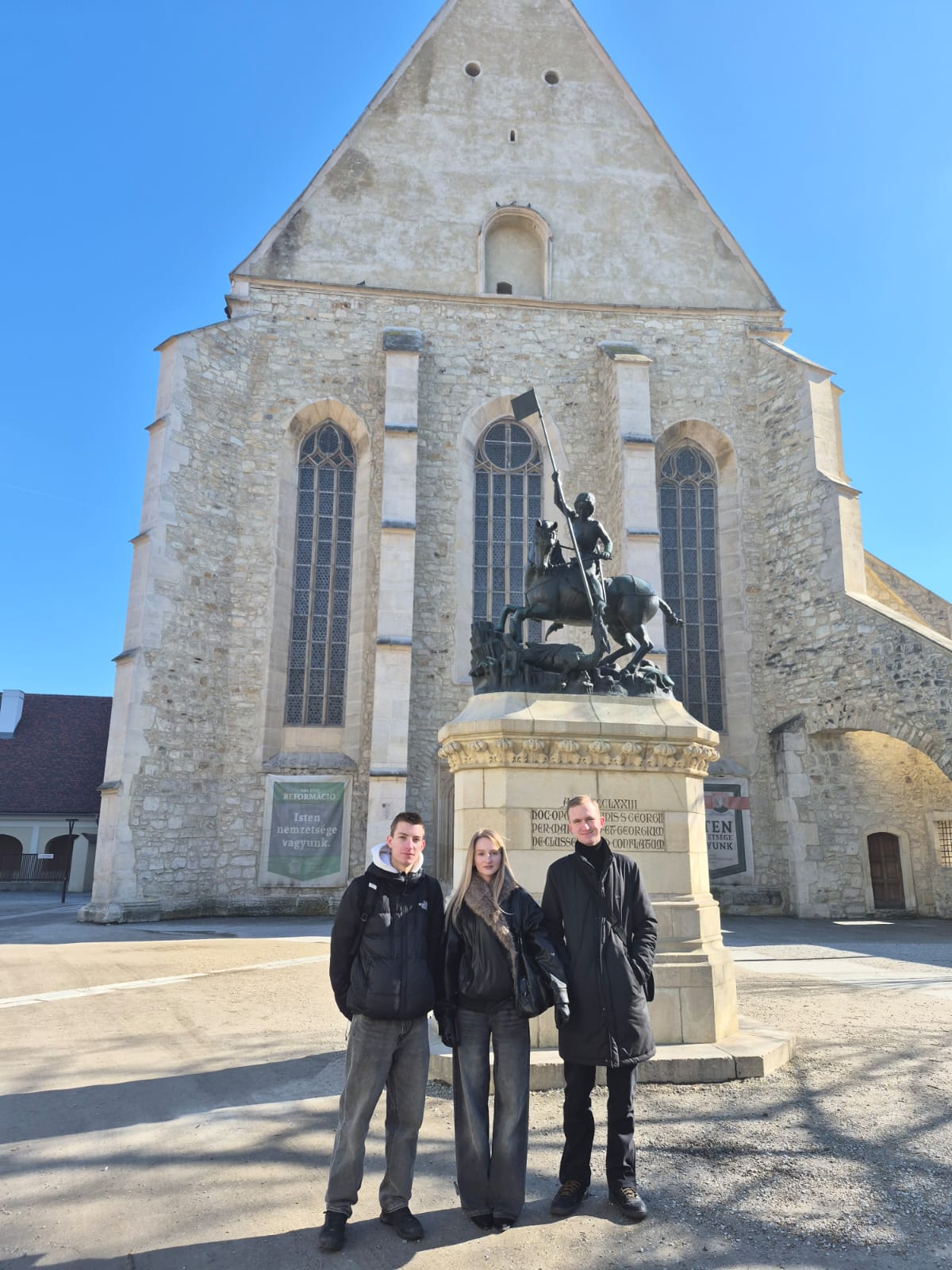
From 12 February to 16 April, students of the Faculty of Veterinary Medicine, Oleksandr HUMENIUK (3rd year, Group 10, accelerated course), Yehor KEREST (4th year, Group 4) and Valeriia BONDARENKO (3rd year, Group 3), had a unique opportunity to undertake practical training at the Faculty of Veterinary Medicine of the University of Agricultural Sciences and Veterinary Medicine (Cluj‑Napoca, Romania). This placement was made possible by a joint project between the Faculty of Veterinary Medicine of the National University of Life and Environmental Sciences of Ukraine and our colleagues in Romania under the Erasmus+ KA171‑2023 programme.
The programme for students comprised only practical training and was designed to develop the practical skills required of future veterinary surgeons. The practical training included work in the faculty’s teaching clinic, the opportunity to attend practical classes alongside other international students in groups taught in English, and hands‑on training within the department laboratories. The faculty is accredited by the European Association of Establishments for Veterinary Education and is regarded as one of the best in terms of internationalisation of teaching.
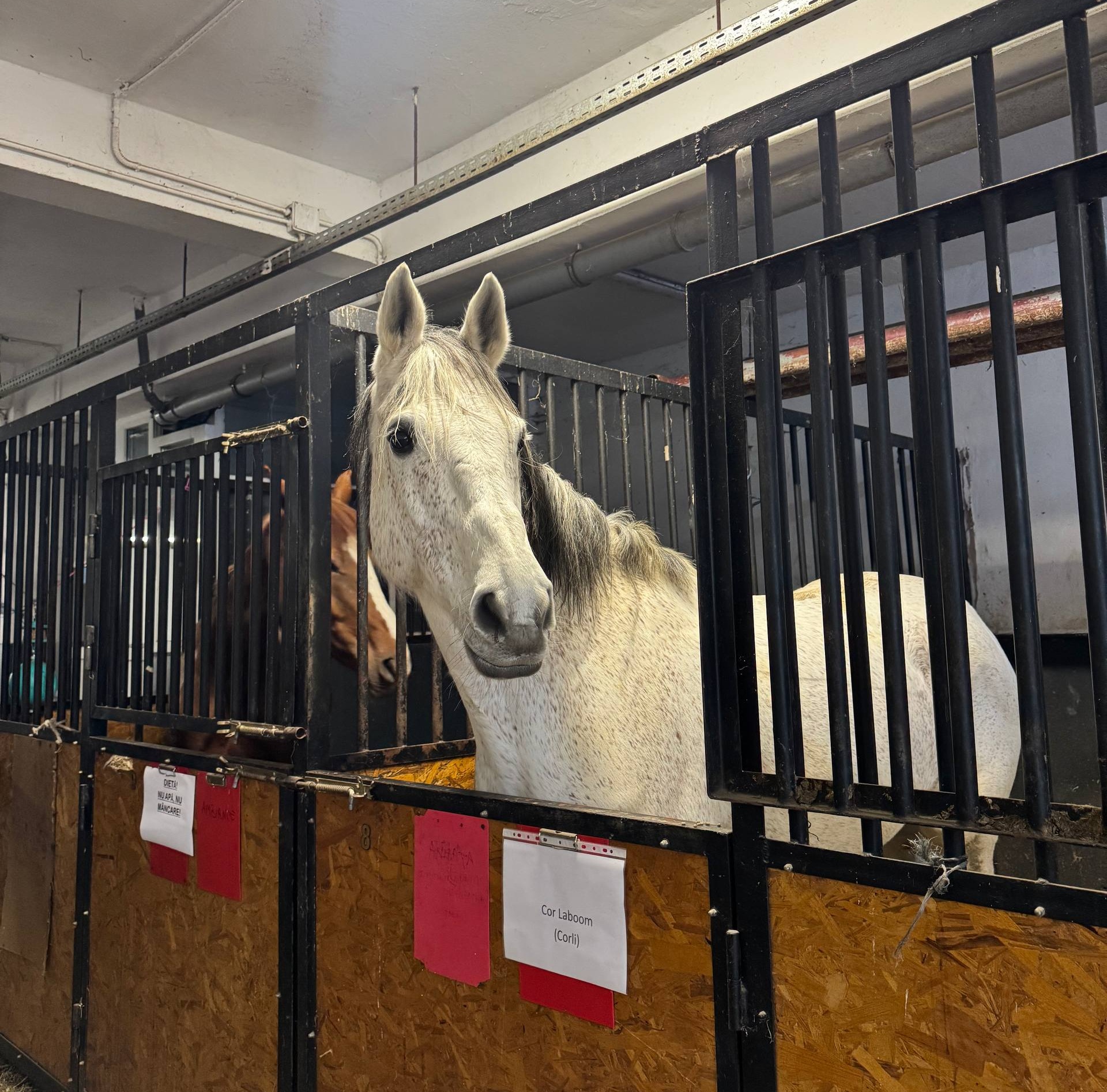
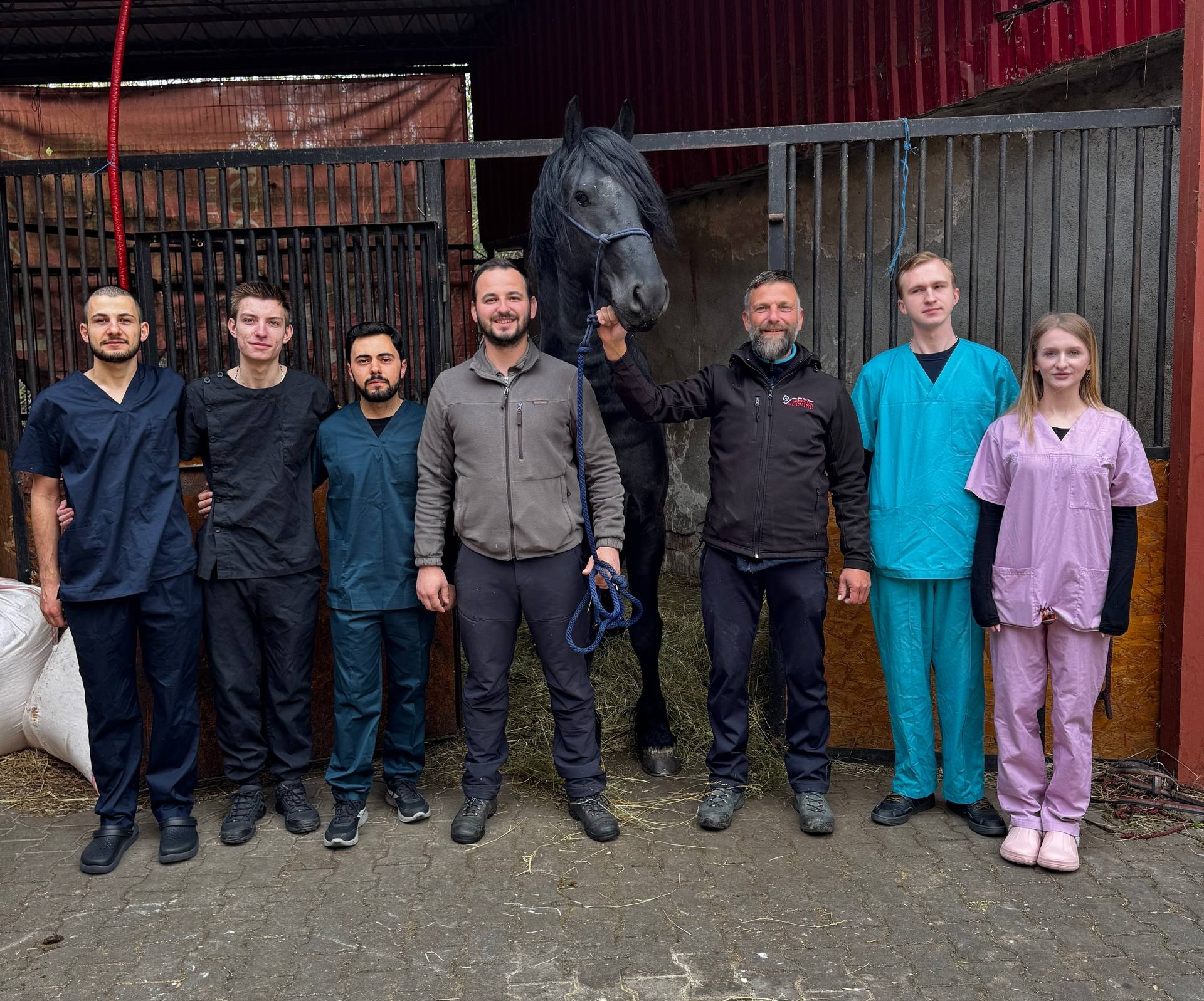
Immediately on arrival, the students were given a tour of the university, visited various laboratories and met students and staff from the faculty. The first three weeks of practical training took place in the surgical department, where they practised preparing animals for surgery and even took part directly in procedures. During surgical interventions they were able either to assist directly or to observe the procedures without interfering with the surgeon. The course of each operation could be discussed with the operating surgeon on completion of the procedure. The following week was spent in the inpatient ward, where they joined in animal examinations. After that experience, the subsequent weeks were spent in laboratories parasitology, microbiology and epizootiology and they learnt techniques for working with exotic animals, including rodents, lagomorphs, domestic and wild birds, amphibians and reptiles. Finally, in the last week of practical training they worked in the pathology laboratory.
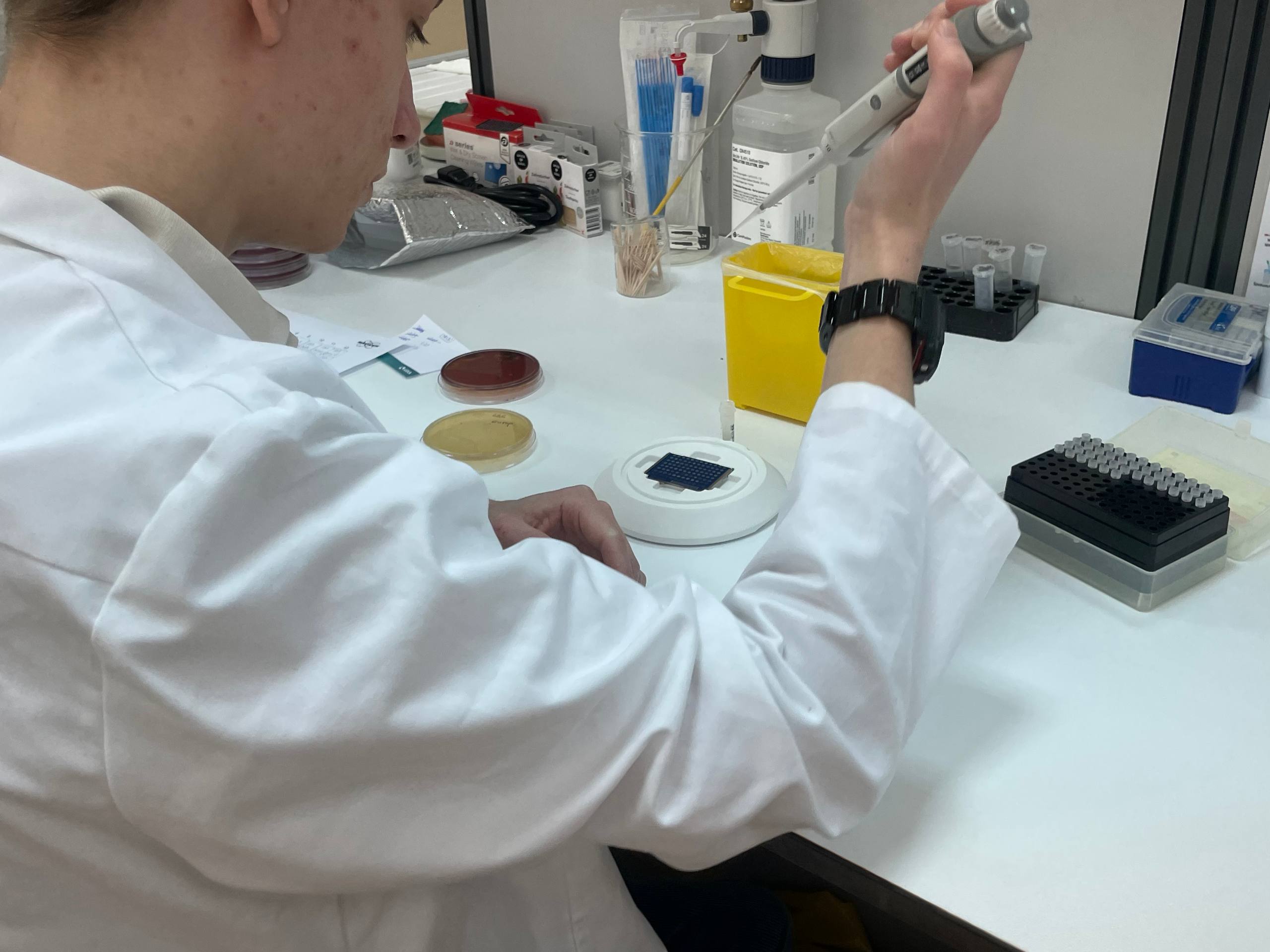
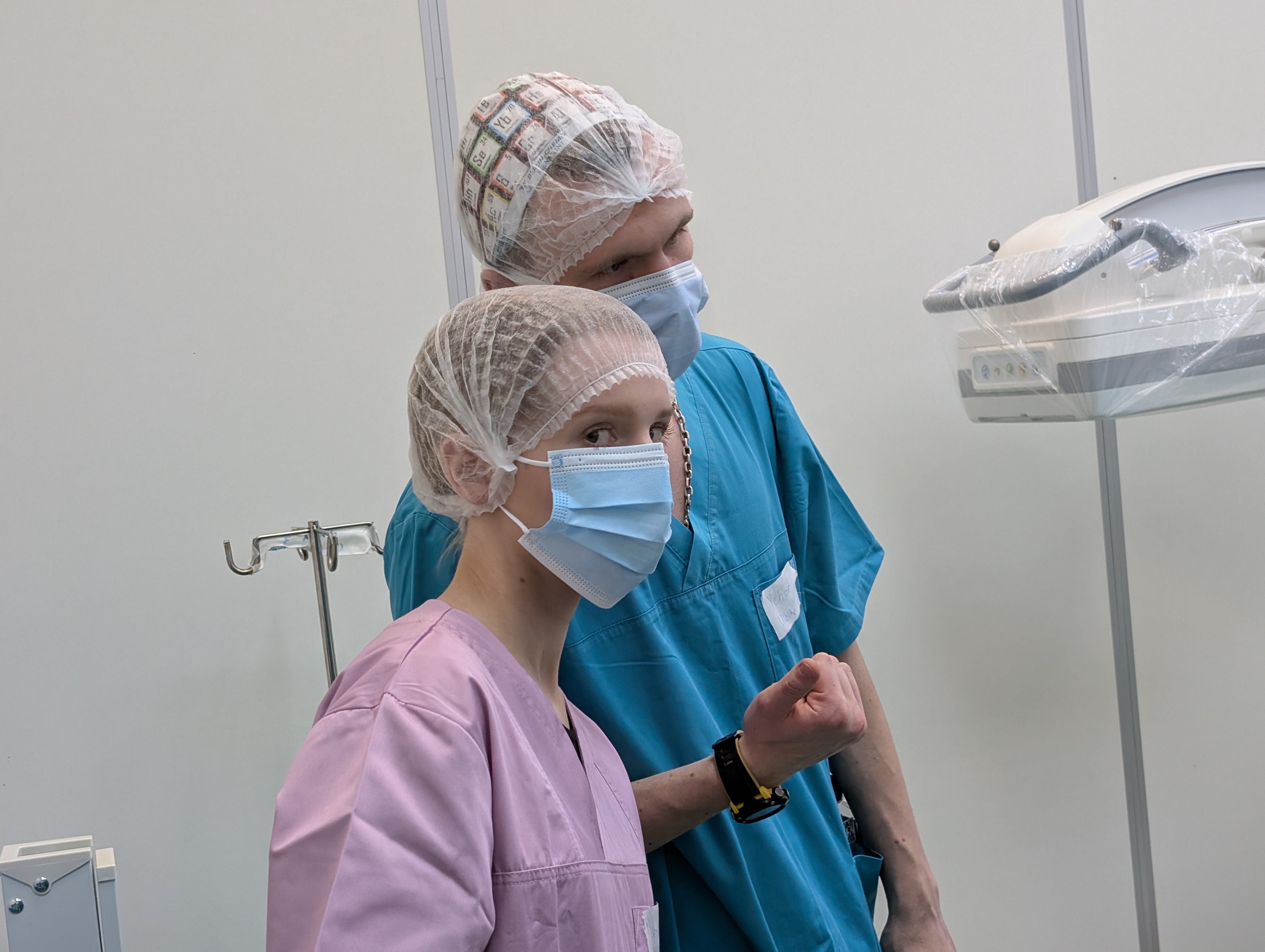
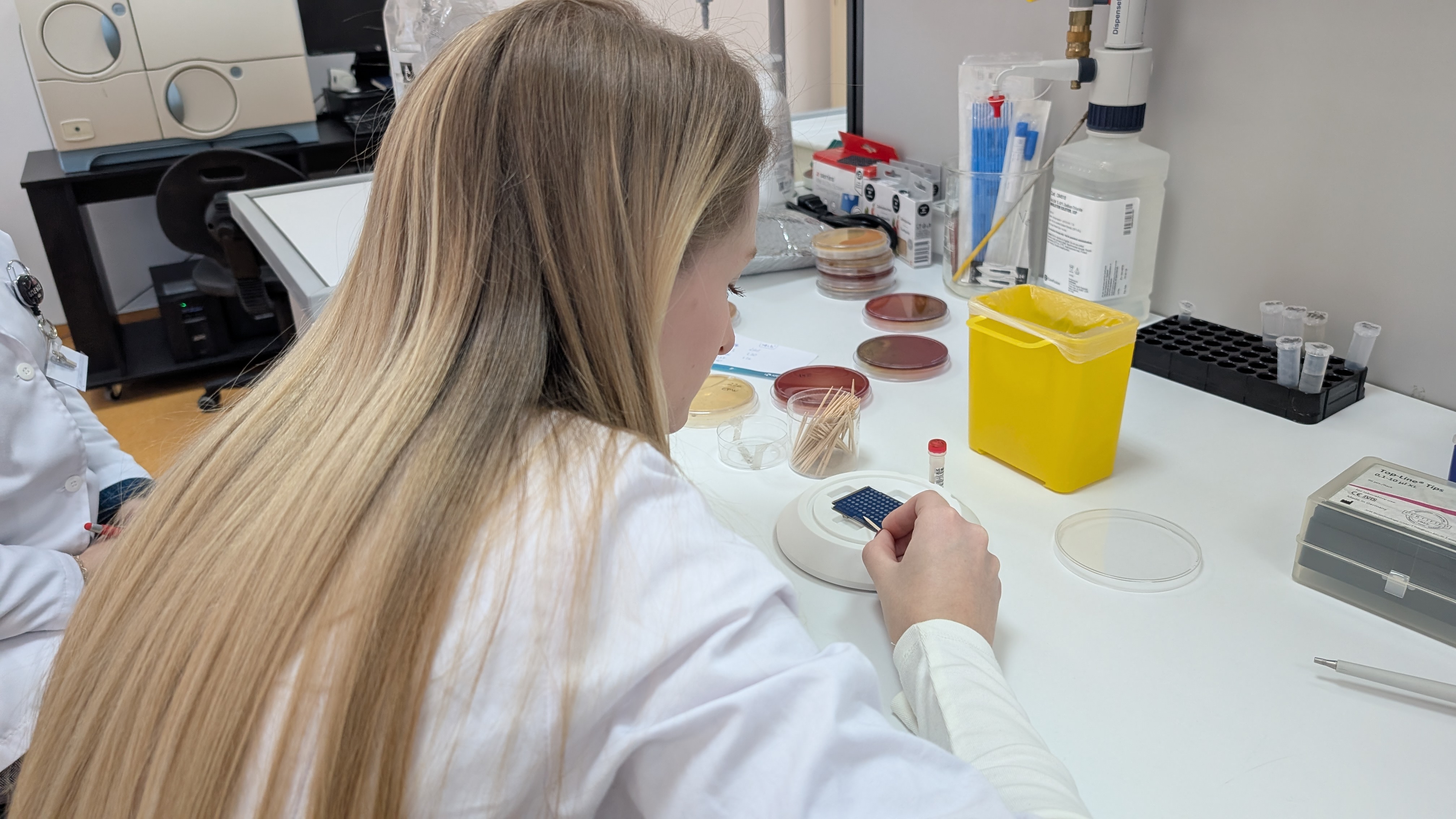
Thus, during the placement the students acquired practical experience in performing surgical procedures, in animal therapy, in laboratory techniques, and in communicating in English on professional topics with colleagues.
We express our gratitude to the Dean of the Faculty of Veterinary Medicine Oleksandr VALCHUK, Professor Maryna GALAT at our University, for their assistance in organising this placement, and to the representatives of the Faculty of Veterinary Medicine in Cluj‑Napoca, Dean, Nicodim-Iosif FIT, Dr. Cosmin MURESAN and Dr. Cristina‑Daniela POP together with the Erasmus+ mobility coordinator, Dr. Simona OROS.