
NUBiP and Swedish Partners, with SIDA Support Are Developing a Sector Support Programme for Ukraine’s Agricultural Sector: AGREE Project Seminar in Warsaw
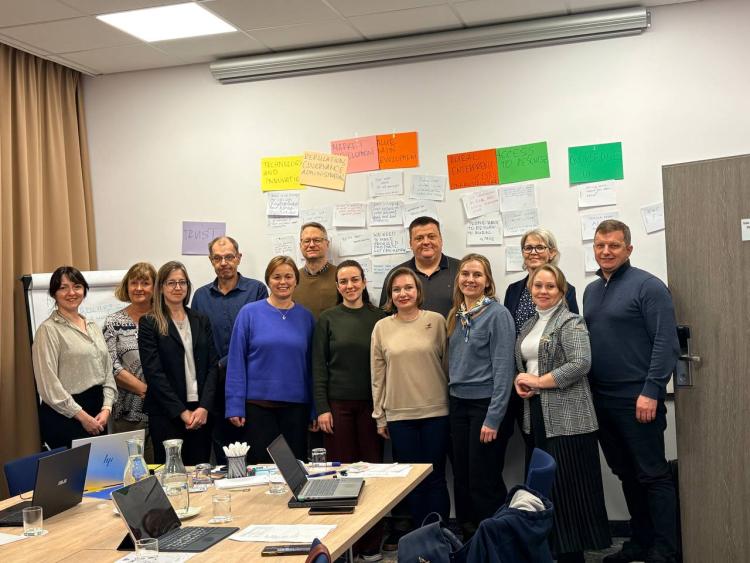
On 26–28 October 2026, Warsaw (Poland) hosted a seminar for participants of Work Package 1 (WP1) of the project «AGREE — Economic Development of Ukraine through Agriculture», implemented with financial support from the Swedish International Development Cooperation Agency (SIDA).
The project partners are the National University of Life and Environmental Sciences of Ukraine (NUBiP), the Swedish University of Agricultural Sciences (SLU), the Swedish Veterinary Agency (SVA) and the Swedish Board of Agriculture (SJV). The name AGREE is formed from the first letters of the project’s key areas: Agriculture, Green and smart technology, Rural entrepreneurship, EU accession and Economic development.
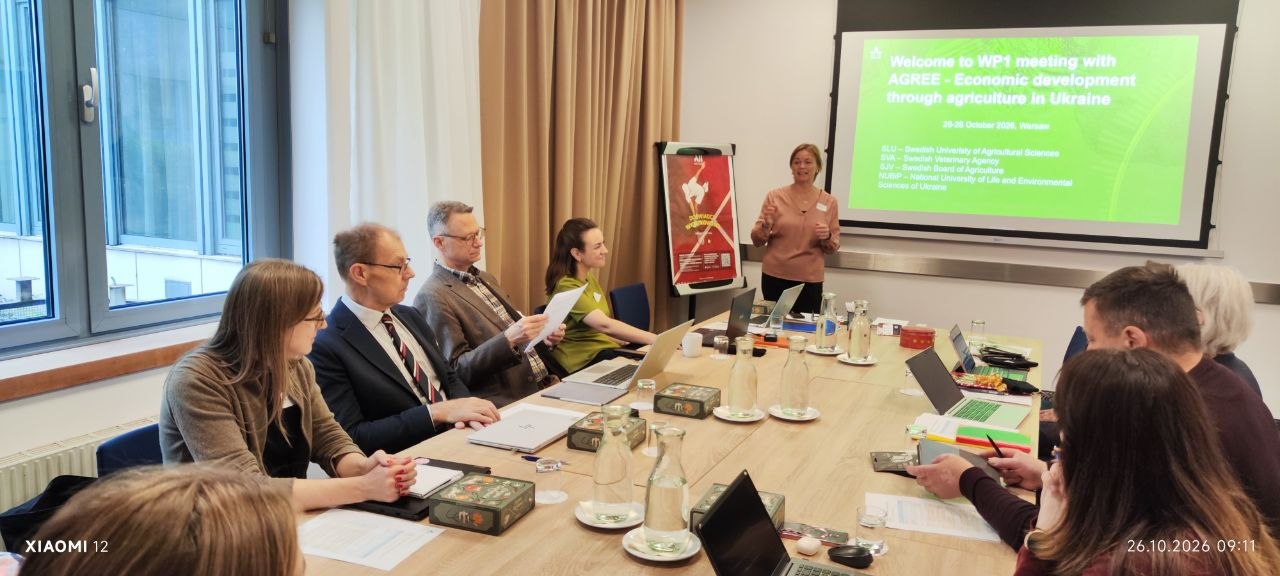
NUBiP was represented by Oleksandr LABENKO, Vice-Rector for Scientific and Pedagogical Work and International Affairs; Oleksandra RALKO, Associate Professor, Department of Administrative Management and International Activity; Volodymyr TKACHENKO, Associate Professor, Department of Veterinary Surgery named after Academician I.O. Povazhenko; Mariia GALABURDA, Associate Professor, Department of Animal and Food Hygiene named after Professor A.K. Skorokhodko; Nelia SHPYRKA, Assistant Professor, Department of Arable Farming and Herbology; and Iana TERESHCHENKO, Associate Professor, Department of Horticulture named after Professor V.L. Symyrenko.
The Swedish side was represented by: from SLU — Sara GRÄSLUND, Head of SLU Global; Katarina BÖRLING, Research Advisor, SLU Global; Brian KUNS, Senior Lecturer, Division of Rural Development; Oksana VALETSKA, Researcher; from SVA — Emelie PETTERSSON, Deputy State Veterinarian; from SJV — Bengt JOHNSSON and Kristina MATTSSON.
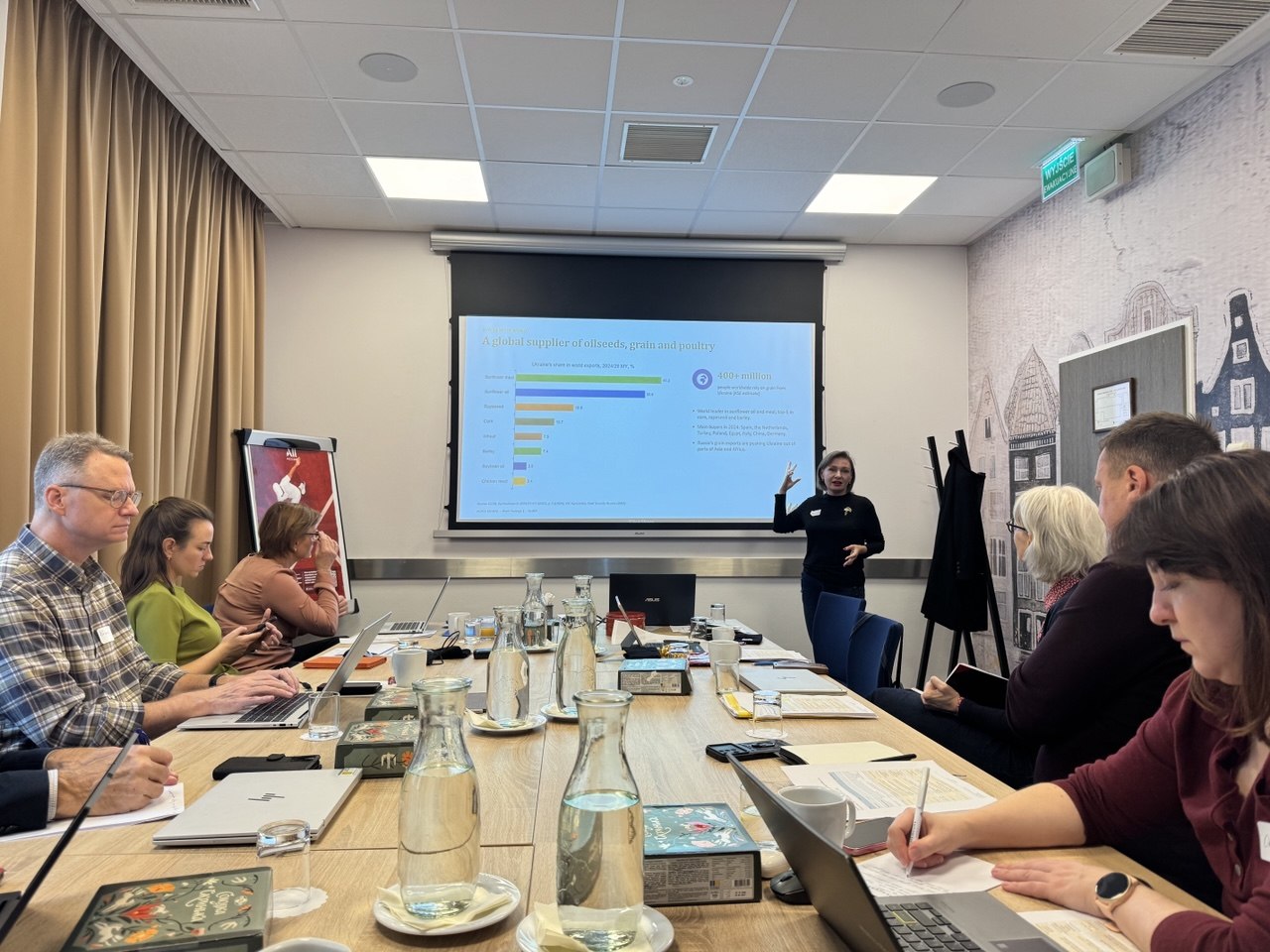
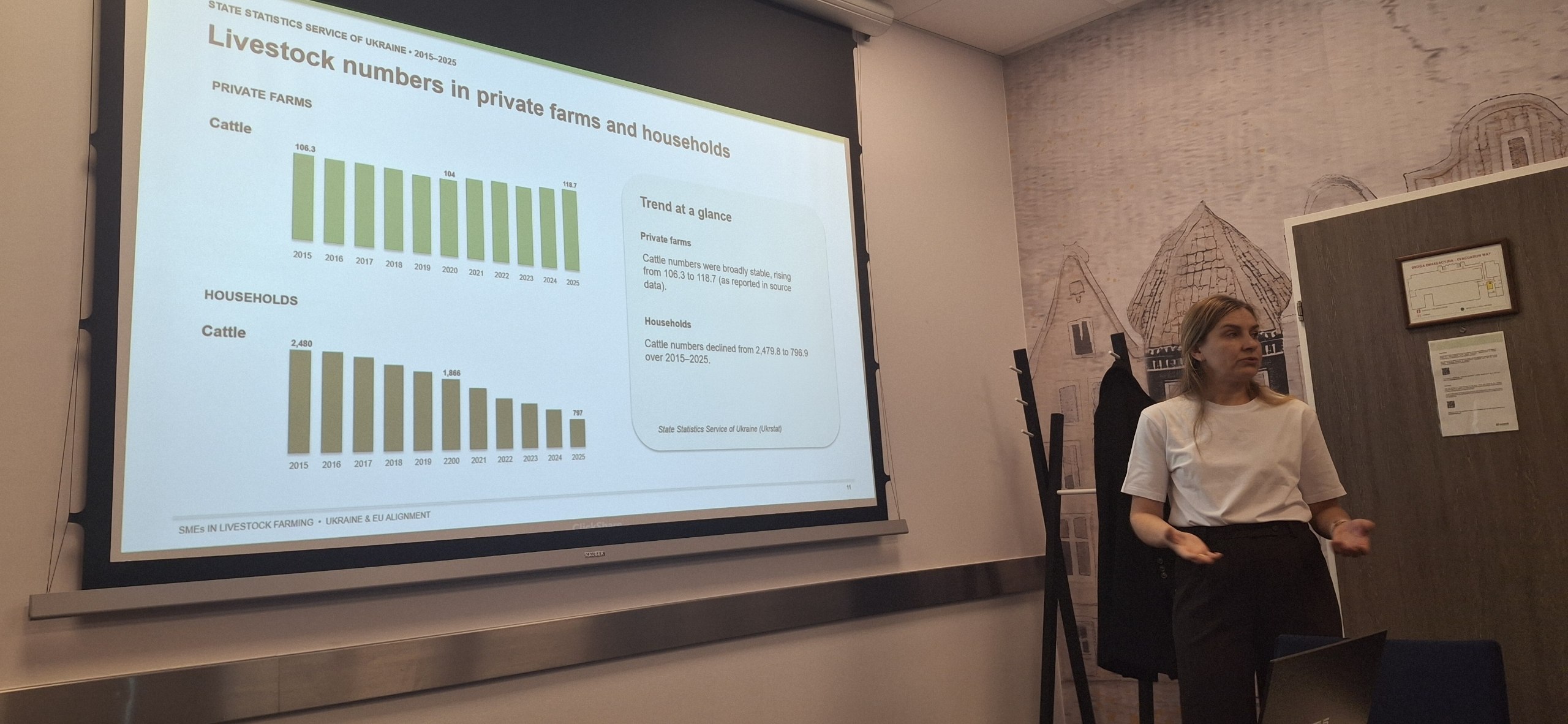
The first day was opened by the Head of SLU Global, Sara GRÄSLUND. After the participants introduced themselves, NUBiP researchers delivered a series of presentations on Ukraine’s agricultural sector: a general overview of the industry, the state of small and medium-sized enterprises in livestock and crop production and their readiness to meet EU requirements, as well as the value chains in both sectors.
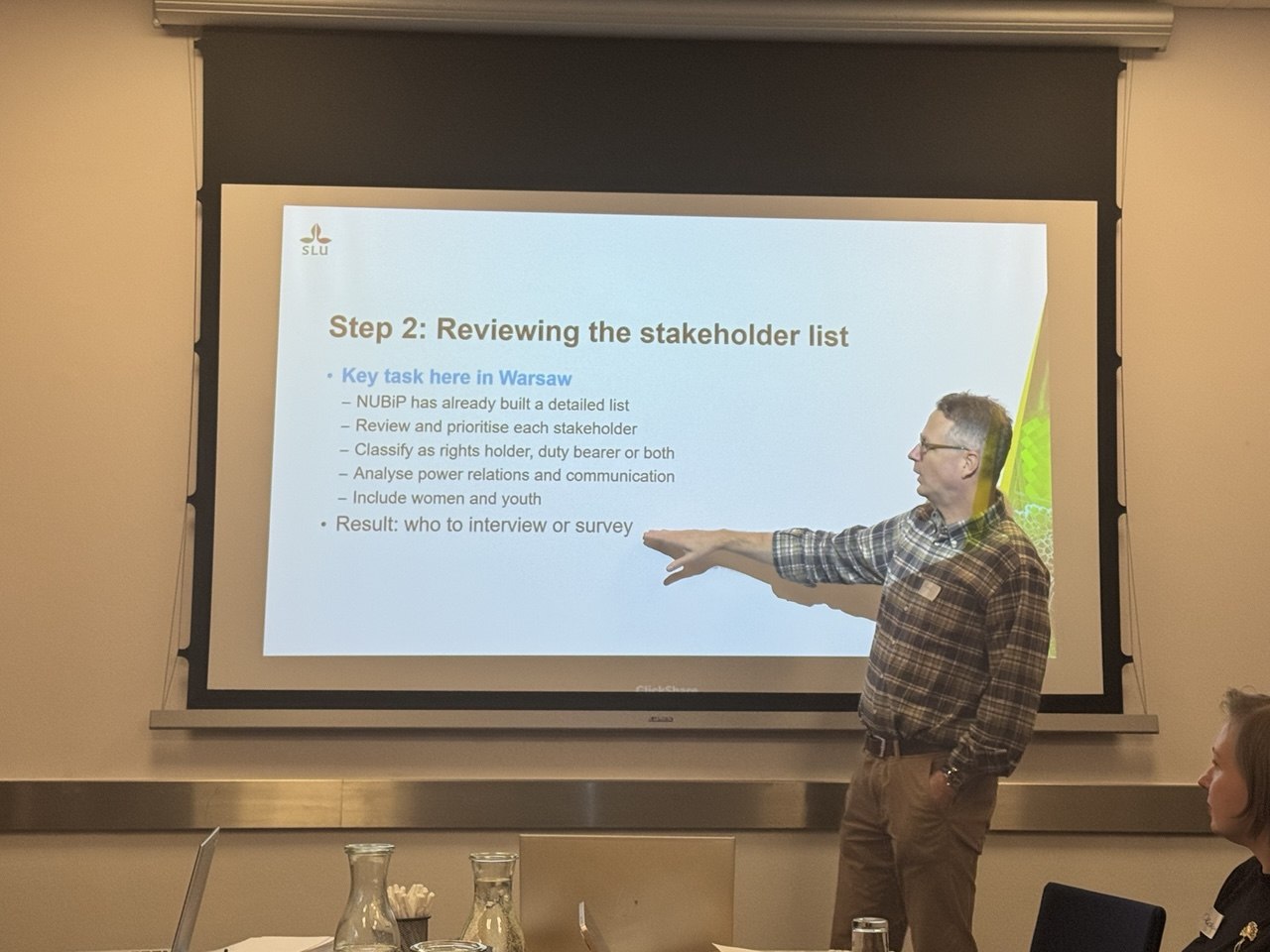
The second day was devoted to stakeholder engagement. Participants finalised a joint stakeholder list for all work packages, which already includes almost 80 organisations: public authorities, educational and research institutions, advisory services, farmers’ associations and the private sector. Under the guidance of Brian KUNS, the team developed draft interview guides and questionnaires for the needs assessment. Agata MALAK-RAWLIKOWSKA, Professor at the Institute of Economics and Finance of the Warsaw University of Life Sciences (SGGW), shared Poland’s experience of how EU accession affected its agriculture.
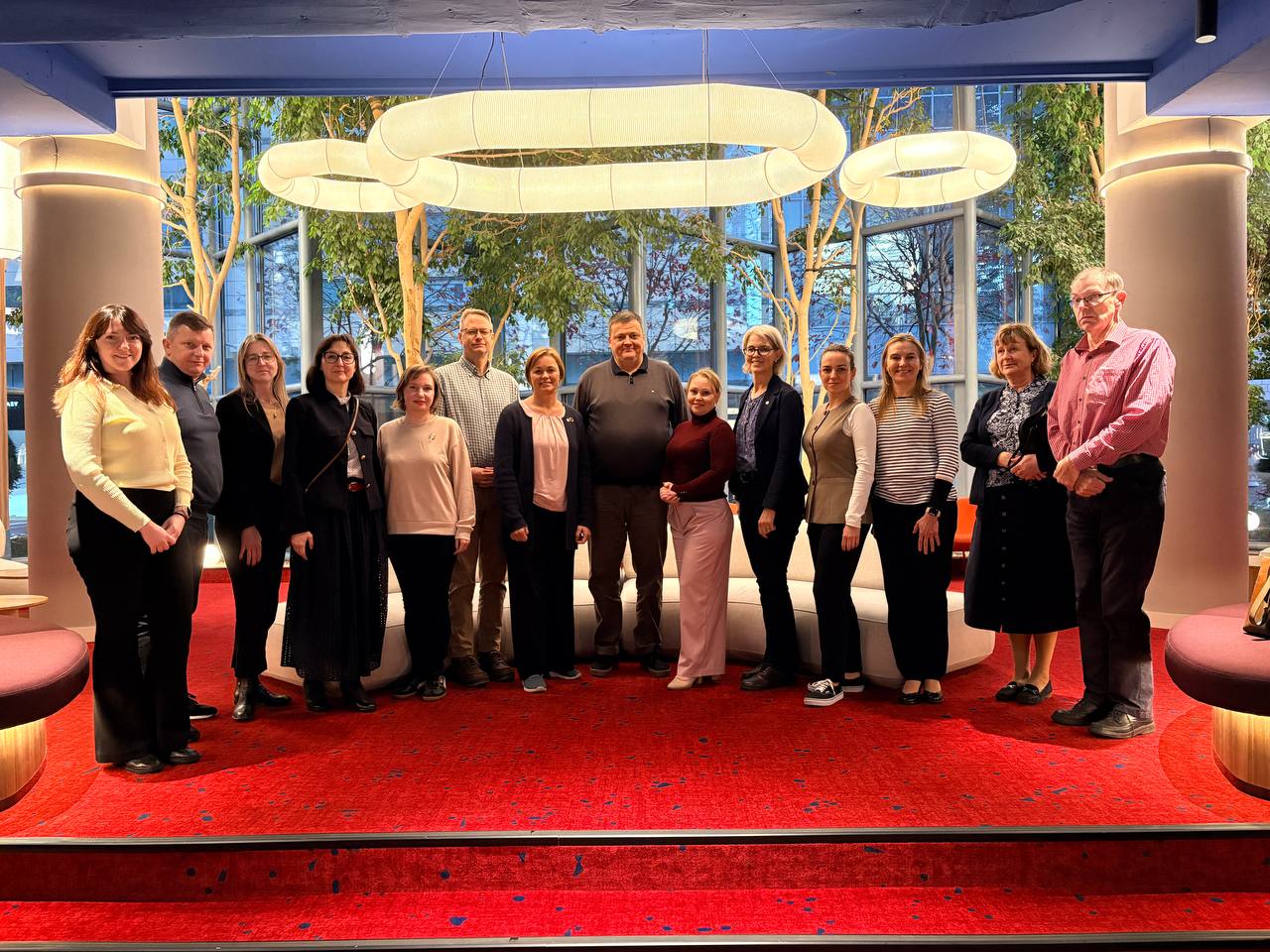
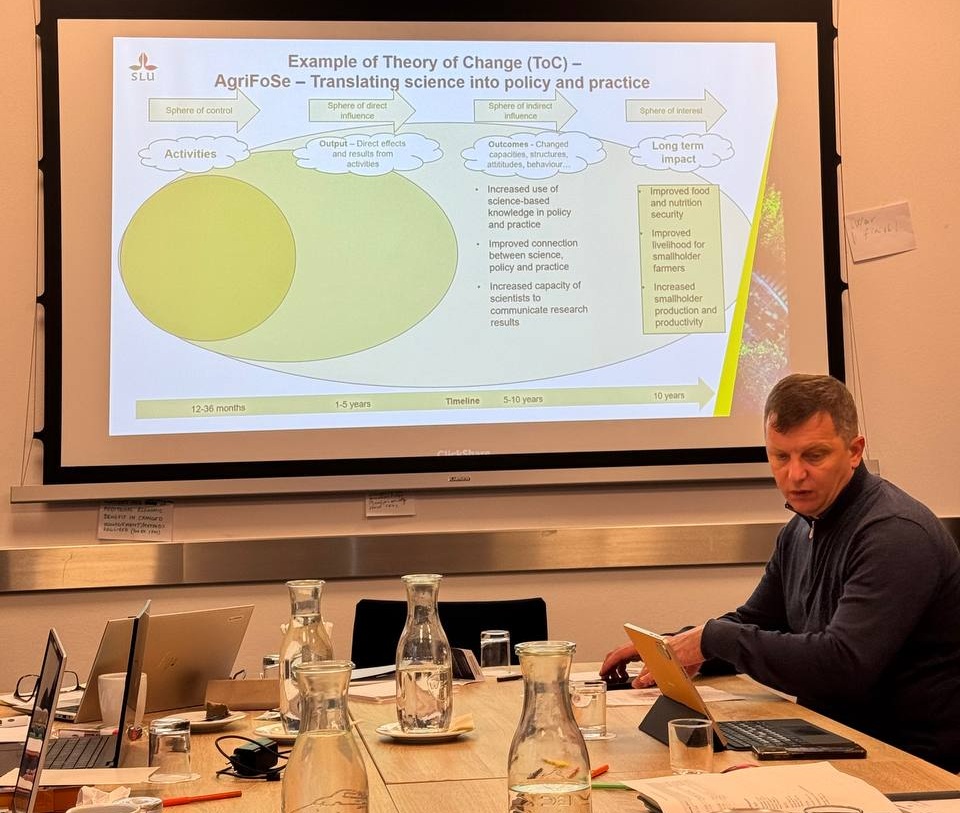
The third day focused on the Theory of Change. Working in mixed Ukrainian — Swedish teams, participants identified the long-term changes they aim to achieve over approximately 10 years and mapped the pathway towards them across three strategic areas: aligning Ukrainian legislation with EU requirements; strengthening small and medium-sized enterprises through green and smart technologies; and developing them through entrepreneurship and cooperation. SIDA’s cross-cutting principles and the monitoring, evaluation and learning (MEL) system were also discussed.
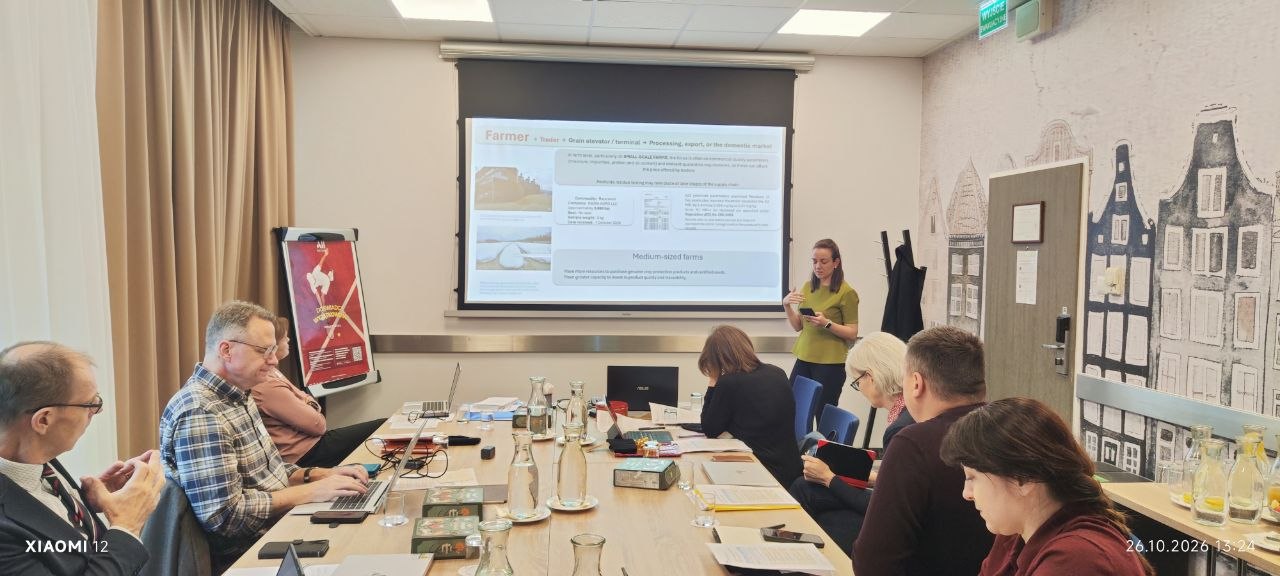
Work is currently under way on a large-scale sector support programme for agriculture in Ukraine, which the partners are preparing for submission to SIDA. It is intended to help Ukrainian farmers, primarily small and medium-sized farms, adapt to EU requirements, introduce green and smart technologies and develop entrepreneurship in rural communities.