
NUBiP of Ukraine among the leading universities of the country joined the study visit «Polish Research Landscape»
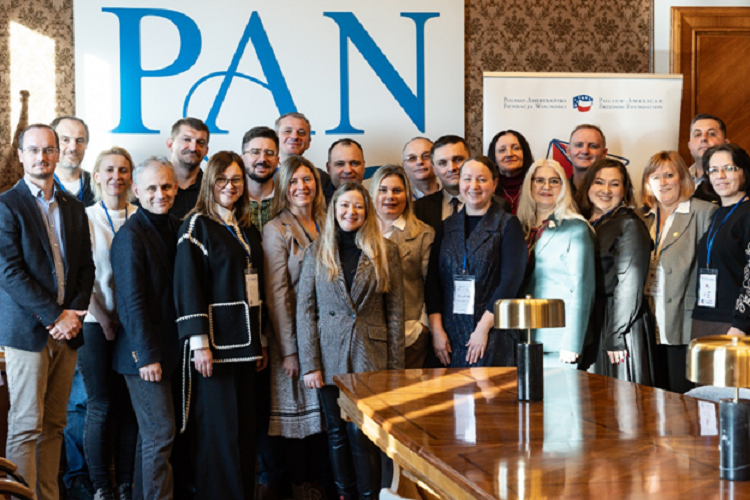
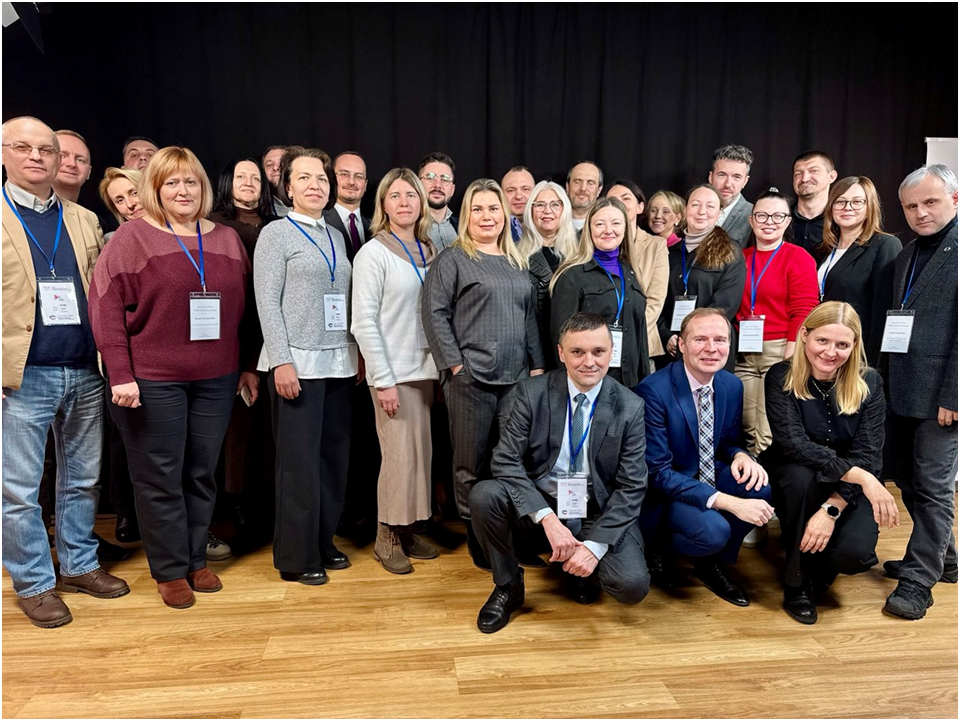
NUBiP of Ukraine took part in the training visit «Polish Research Landscape» (November 24-28, 2025, Warsaw) — a program dedicated to the Polish research ecosystem, organized by the representative office of the Polish Academy of Sciences in Kyiv together with the Fund 2Leaders of Change» (Fundacja Liderzy Przemian). The event was held under the honorary patronage of the Minister of science and higher education of the Republic of Poland Marcin Kulasek, which emphasizes the importance of Ukrainian-Polish scientific partnership in the context of European integration processes.
The program was attended by 20 representatives of leading Ukrainian scientific institutions and universities among them: the National Academy of Sciences of Ukraine, the National Academy of Medical Sciences, the Ministry of Education and Science of Ukraine and 14 leading universities from Kyiv, Lviv, Odessa, Kharkiv, Sumy, Dnipro, Chernivtsi, Ivano-Frankivsk and Rivne. The participation of NUBIP of Ukraine showed the active position of the University in the field of international cooperation and its readiness to integrate into the European scientific space.
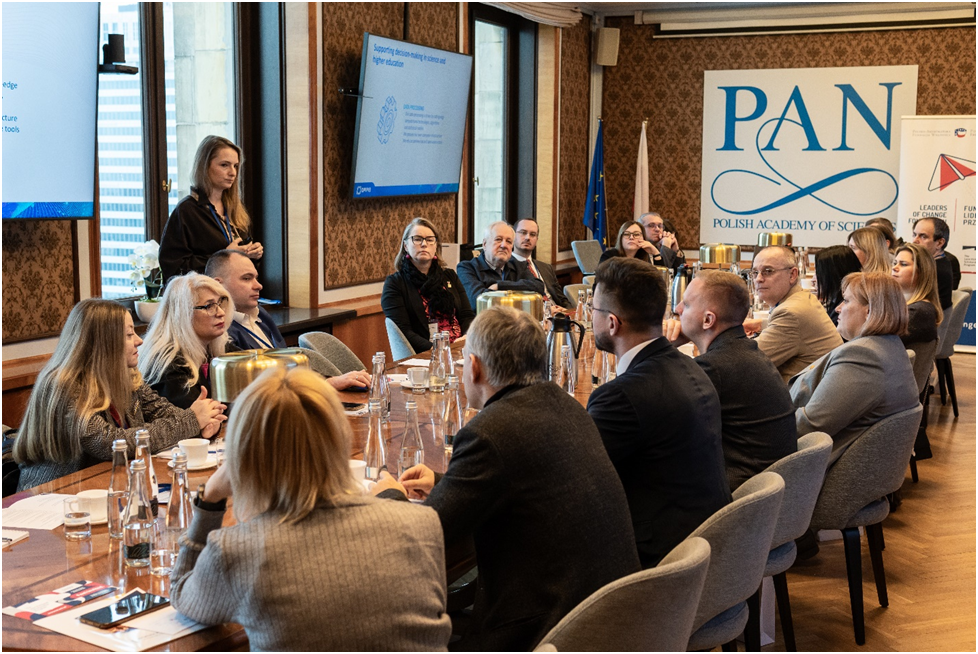
The study visit began with a presentation of the Polish research sector by Dr. Aldona TOMCZYNSKA, head of the data processing team of the National Institute of information processing (OPI) — an interdisciplinary research institute and a leader in software development for IT systems in Polish science and higher education. The participants got acquainted with the structure of Polish science and the role of OPI as the Central Analytical Center of the state.
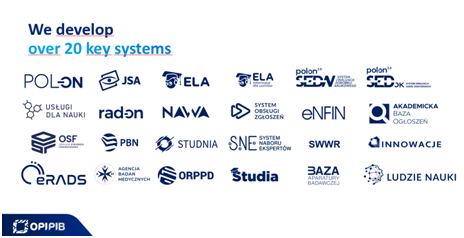
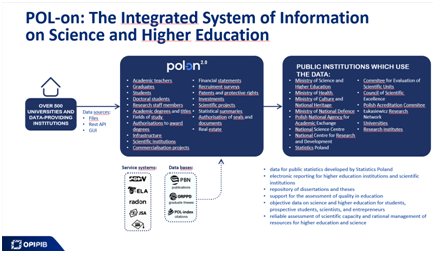
Special attention was paid to modern IT systems OPI-PIB, in particular: POL-on, RAD-on and Navoica — platforms that provide a full cycle of digital management of education and science in Poland. It is worth noting that there is also a Ukrainian-language version of the national online course platform Navoica. These tools demonstrate a high level of digitalization of the Polish scientific sector, which is also actively developing at our university. In 2026, it is planned to introduce electronic diplomas as part of digitalization of educational document management and integration into European standards.
ДDirector of the Representative Office of the Polish Academy of Sciences (PAN) in Kyiv Mateusz BIALAS presented in detail the structure of the Academy, the directions of work of its institutes and strategic priorities of international scientific cooperation. The Polish Academy of Sciences is a state institution that functions as a network of 68 scientific institutes and a corporation of 350 top scientists.
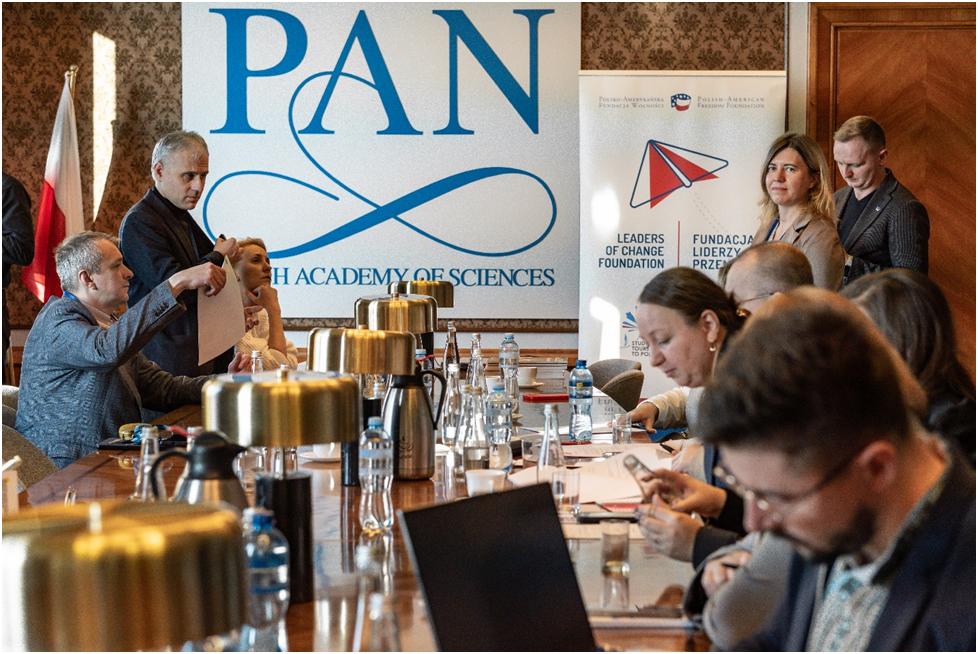
The first day ended with a training session of the director of the Bureau of scientific excellence of the Polish Academy of Sciences Ms. Bogna HRYNISHYN for building partnerships and international consortia in EU research programs. Of particular importance was the discussion of models for creating interinstitutional research teams and preparing competitive research projects.
The program of the study visit included visits to leading state agencies and research centers in Poland, which are shaping the modern scientific policy of the state:
1. National Center for research and development (Narodowe Centrum Badań i Rozwoju, NCBR).
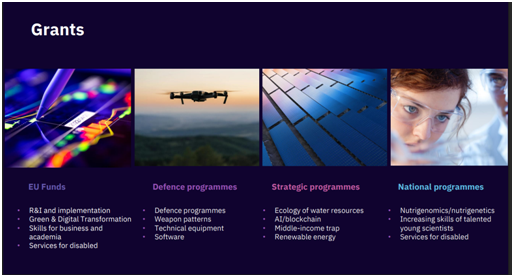
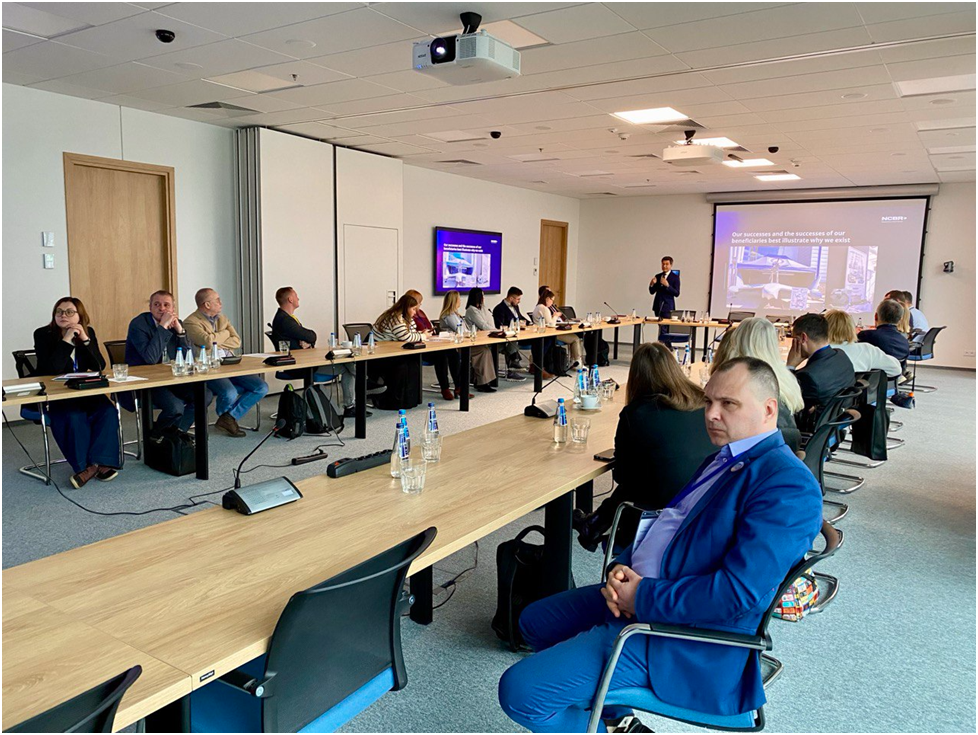
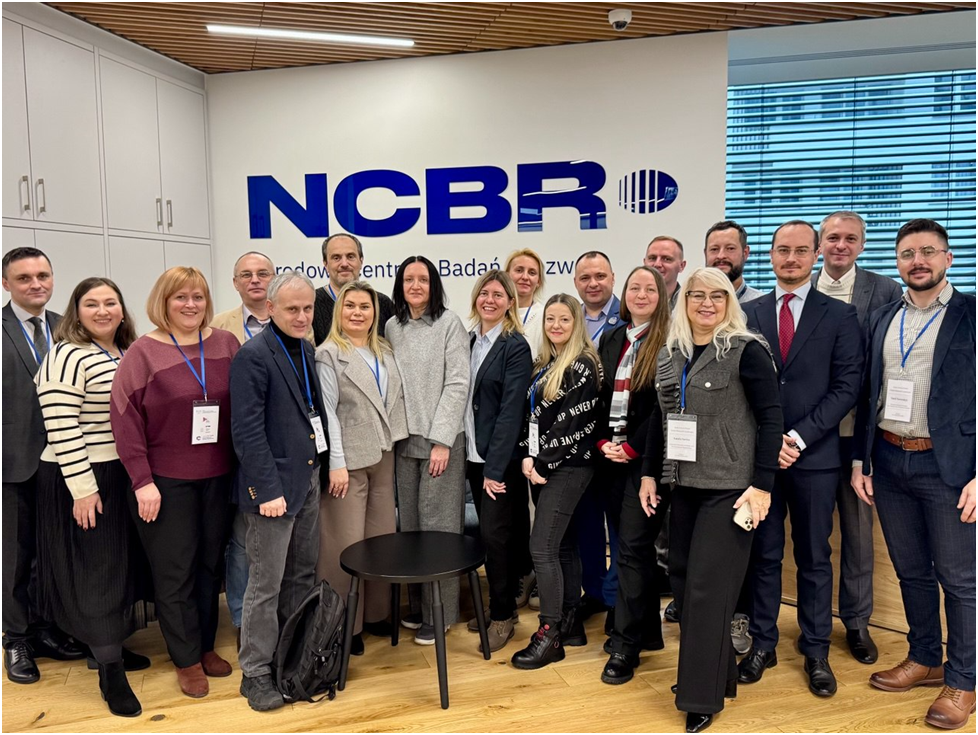
At NCBR, the Ukrainian delegation got acquainted with the key tools for supporting innovation and research in Poland. Representatives of the Center presented strategic (GOSPOSTRATEG, INFOSTRATEG, Hydrostrateg) and national programmes (LIDER, NUTRITECH), covering the entire cycle of technological development — from basic research to the introduction of innovative solutions in the market. NCBR supports the participation of Polish scientists in Horizon Europe promotes technology transfer, startup development, formation of international consortia, and implements pre-commercial procurement (PCP). Every year Center invests more than €1.4 billion in R&D and holds more than 40 competitions, strengthening Poland's position in the European Scientific and innovation space. The visit demonstrated a high level of strategic planning and innovation policy, which can become a guide for Ukrainian institutions in reforming their own research support system.

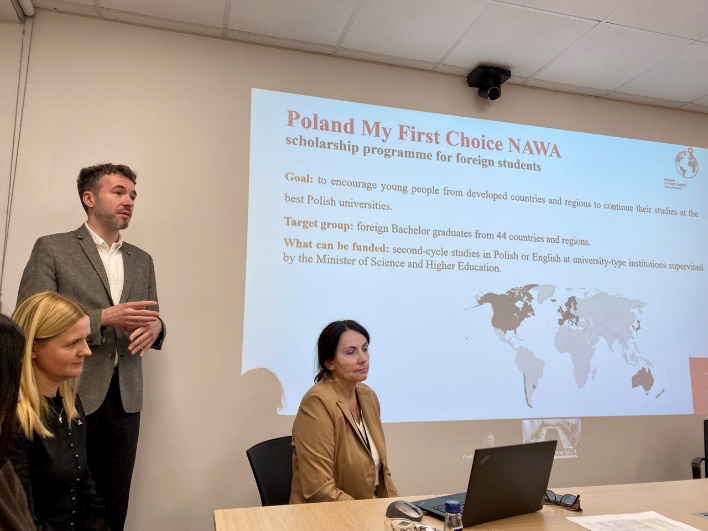
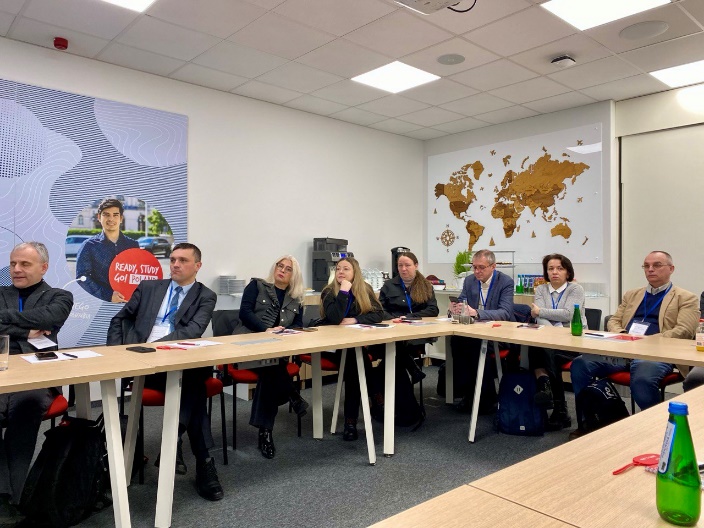
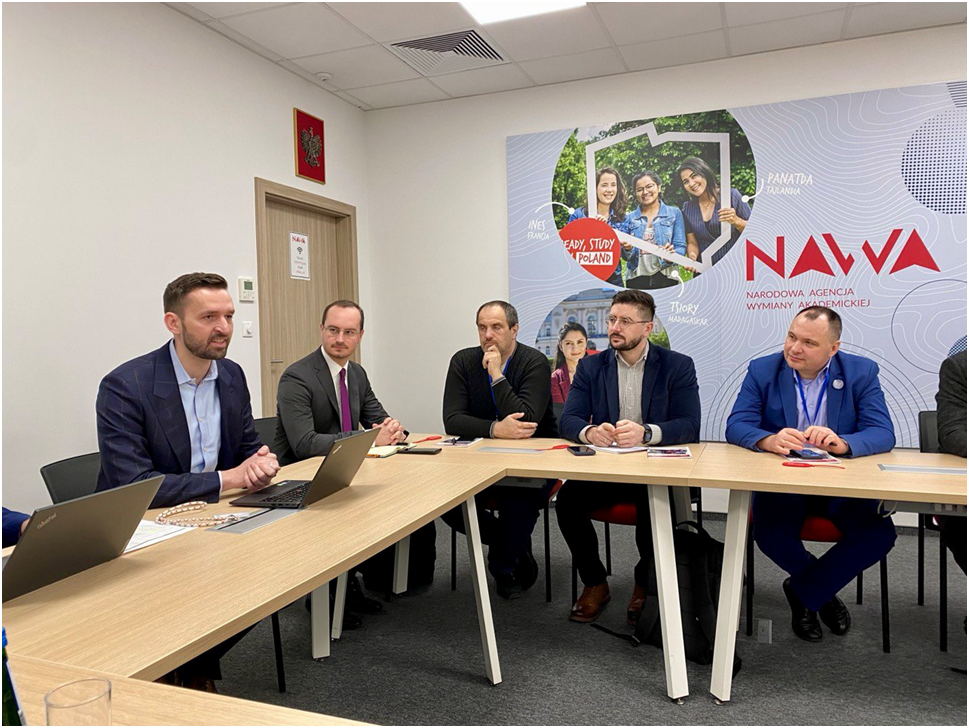
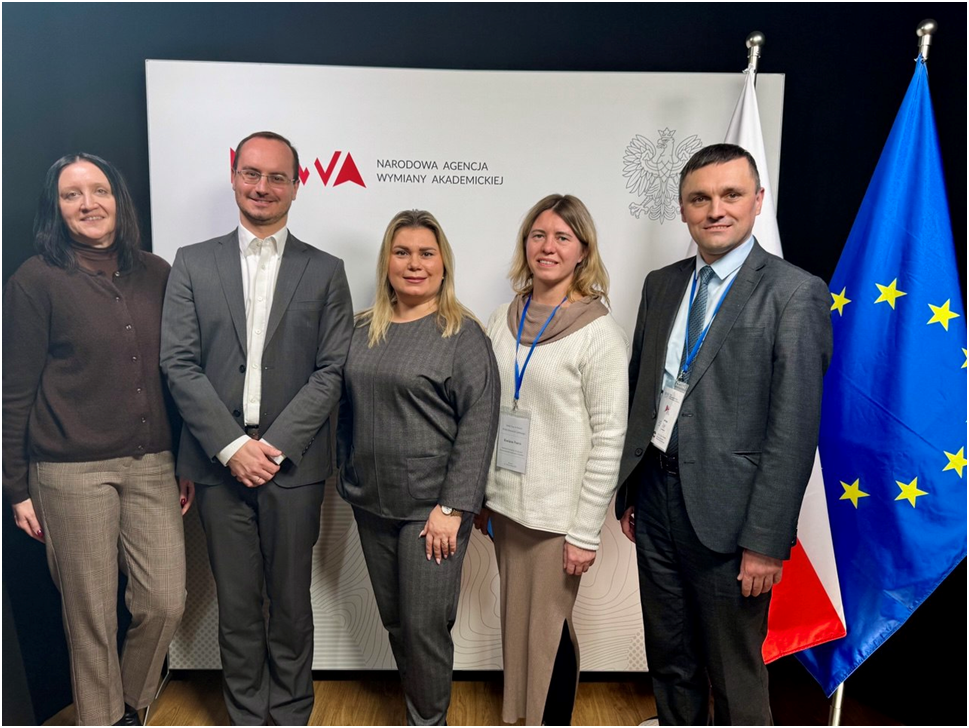
2. National Agency for academic exchanges (Narodowa Agencja Wymiany Akademickiej, NAWA).
During the presentation NAWA representatives outlined in detail the agency's mission and tools to support international academic mobility, research and collaboration. Programs for scientists and universities were presented — from mobility grants (Bekker, Ulam, Preludium Bis) to major initiatives such as IMPRESS-U or TOP200 aimed at attracting leading scientists and strengthening the potential of Polish institutes. Considerable attention was paid to cooperation with Ukraine: Urgency Grants mobility for Ukrainian researchers, joint projects, as well as the activities of nine Ukrainian universities in the program NAWA Lecturers were separately presented. Representatives of the agency stressed that Ukraine remains one of the key partners in their international strategy, and the participation of Ukrainian universities in NAWA programs is considered as an important contribution to the restoration of science, the development of academic mobility and integration into the European research space.
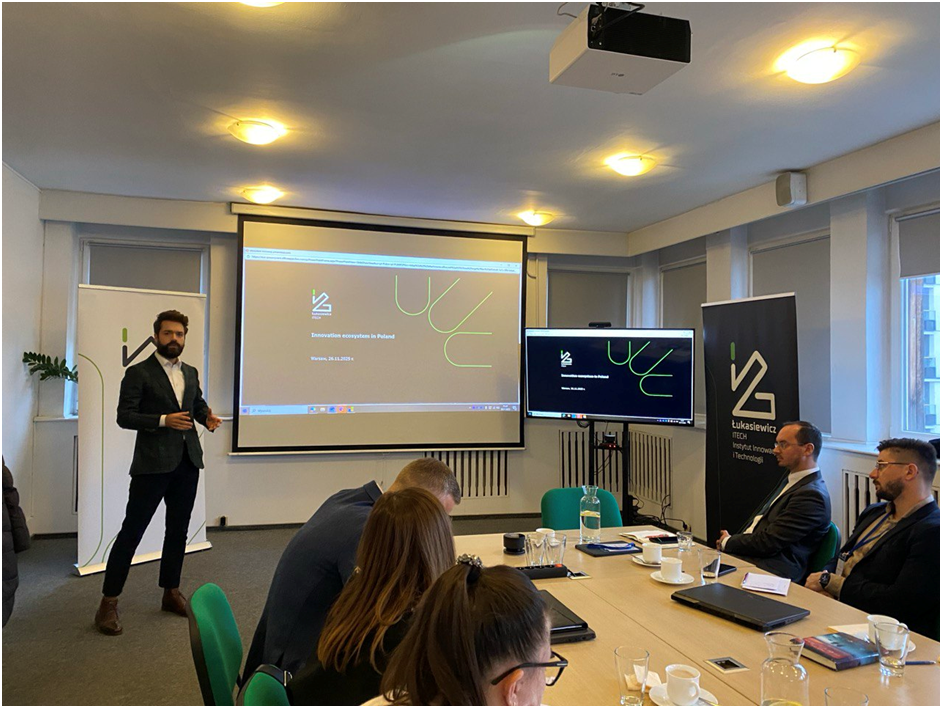
3. ITech Institute of the Lukasiewicz Network (Sieć Badawcza Łukasiewicz — ITECH). Representatives of Ukrainian institutions were shown a model of cooperation between science and business, examples of industrial partnerships, development of technological solutions and applied research in engineering sciences. Łukasiewicz — ITECH is an integral part of Łukasiewicz Research Network — one of the largest research networks in Europe, bringing together 22 research institutes and more than 4,500 scientists and engineers working on innovative technological solutions for enterprises and society. It also acts as a coordinator of Industry Contact Points — networks of contact points to support entrepreneurs and scientists in preparing applications for EU grant programs, in particular Horizon Europe, providing assistance in establishing international partnerships and access to funding for research projects.
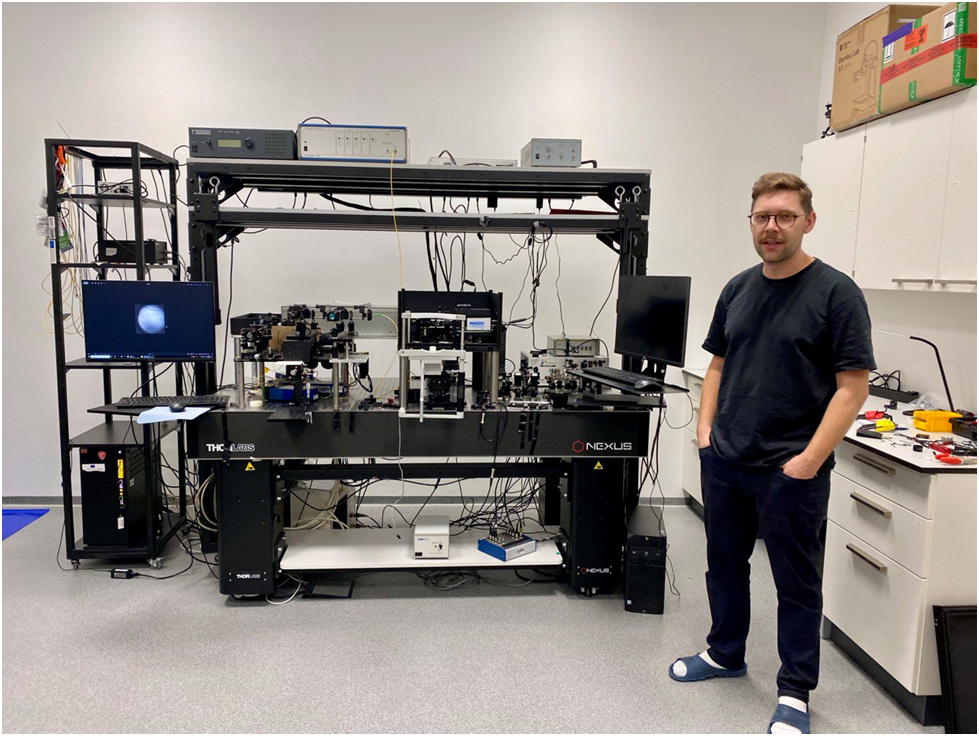
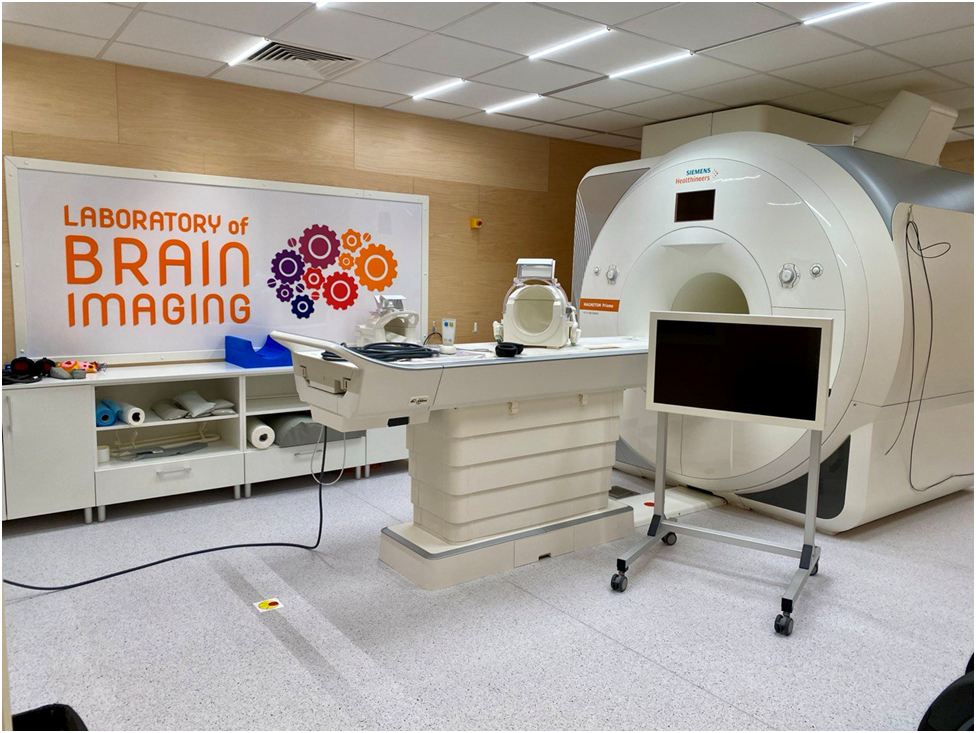
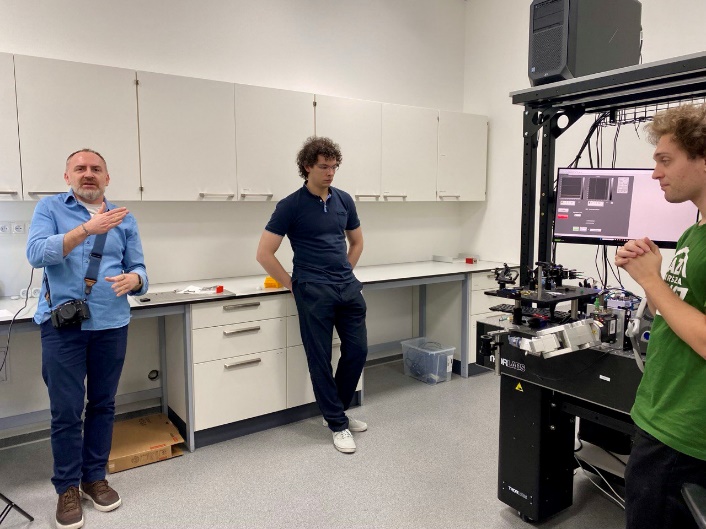
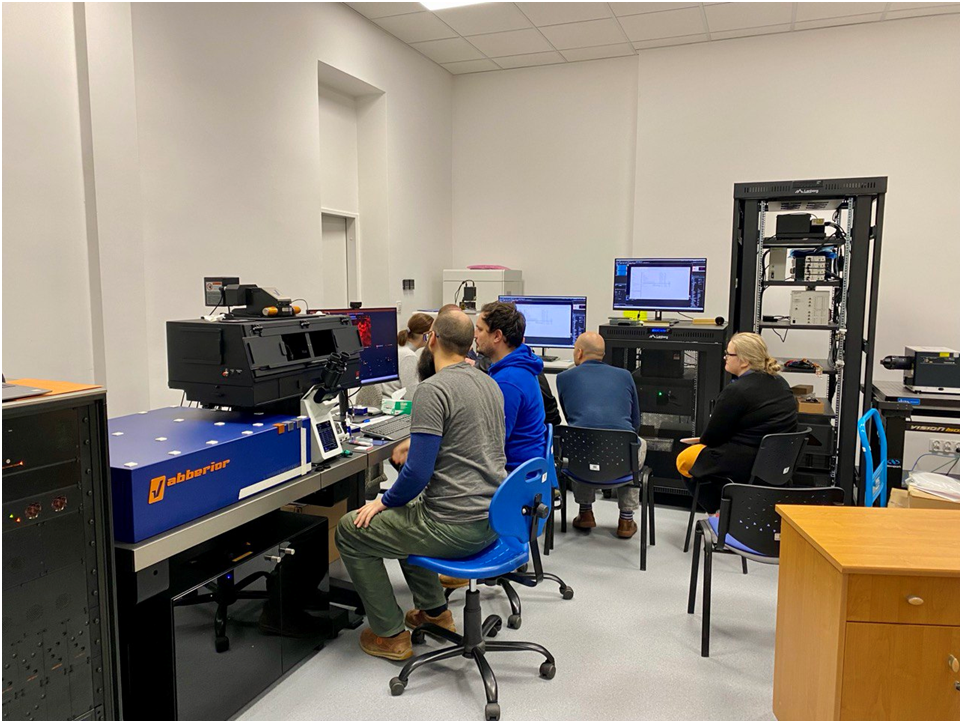
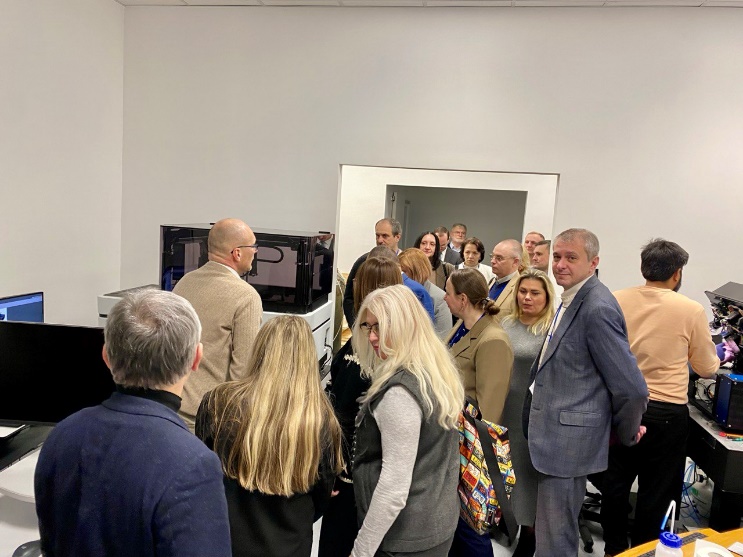
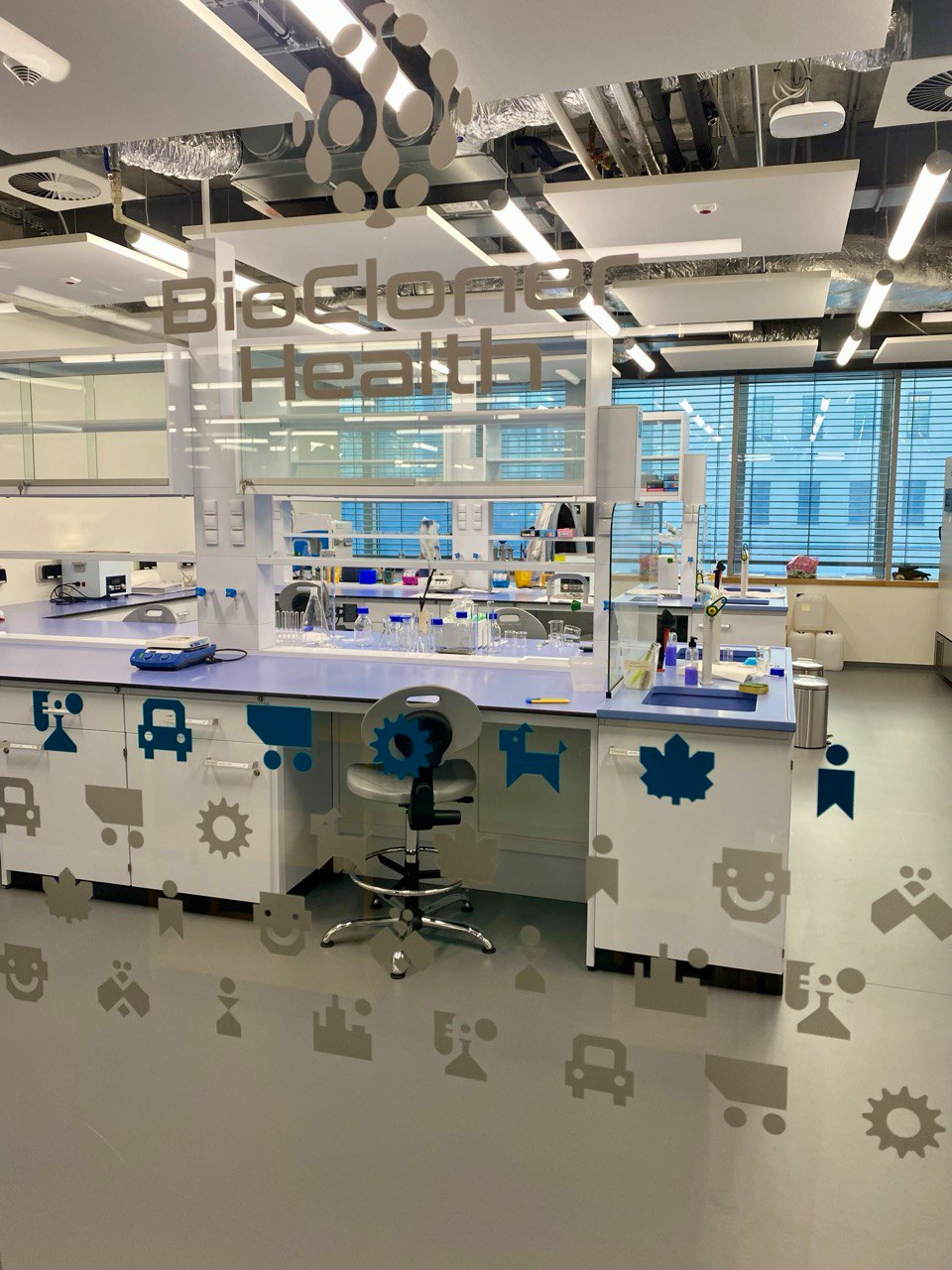
Visits to two leading institutes of the Polish Academy of Sciences became an important component of the program — the Institute of physical chemistry of PAS (Instytut Chemii Fizycznej, PAN) and Nencki Institute of Experimental Biology of PAS (Instytut Biologii Doświadczalnej, PAN). Ukrainian scientists had the opportunity to get acquainted with the research infrastructure of institutes, modern laboratories, key international projects and strategic approaches to the development of institutes in the European scientific space. During the meetings with the management and researchers, special attention was paid to the mechanisms of attracting additional funding, models of research management, development of interdisciplinary research groups, as well as relevant formats of cooperation with Ukrainian scientific institutions.
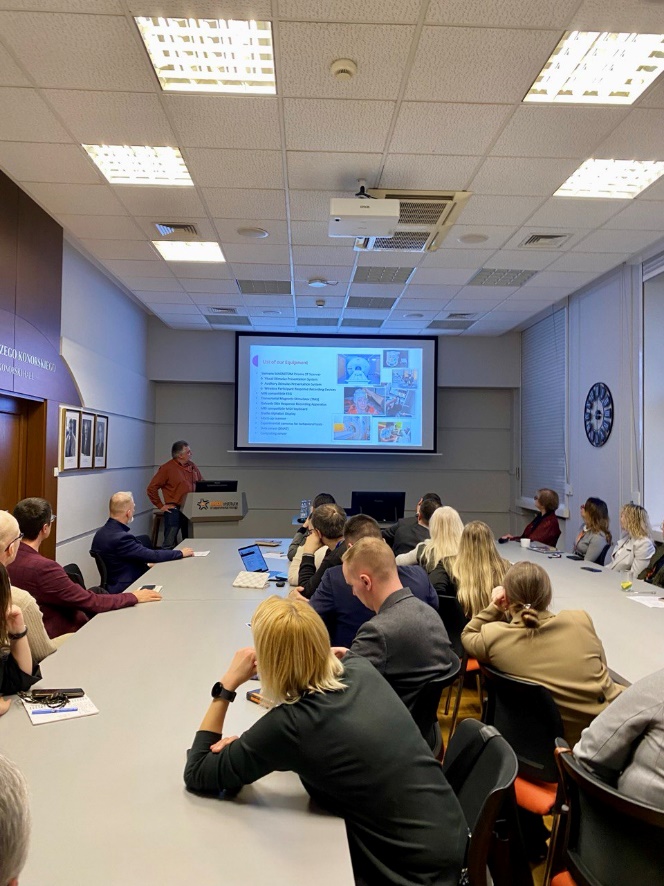
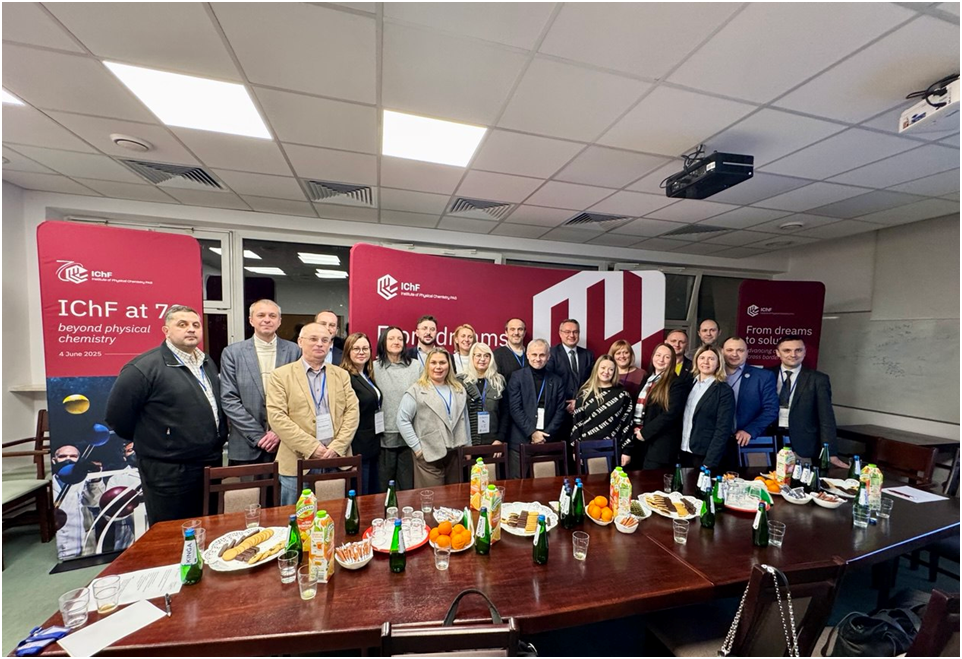
Representatives of Ukrainian scientific institutions also had the opportunity to get acquainted with the details of the program «School of Education» (Szkołę Edukacji) The Polish-American Freedom Foundation and the University of Warsaw, which provides for the training of teaching staff in accordance with modern standards.
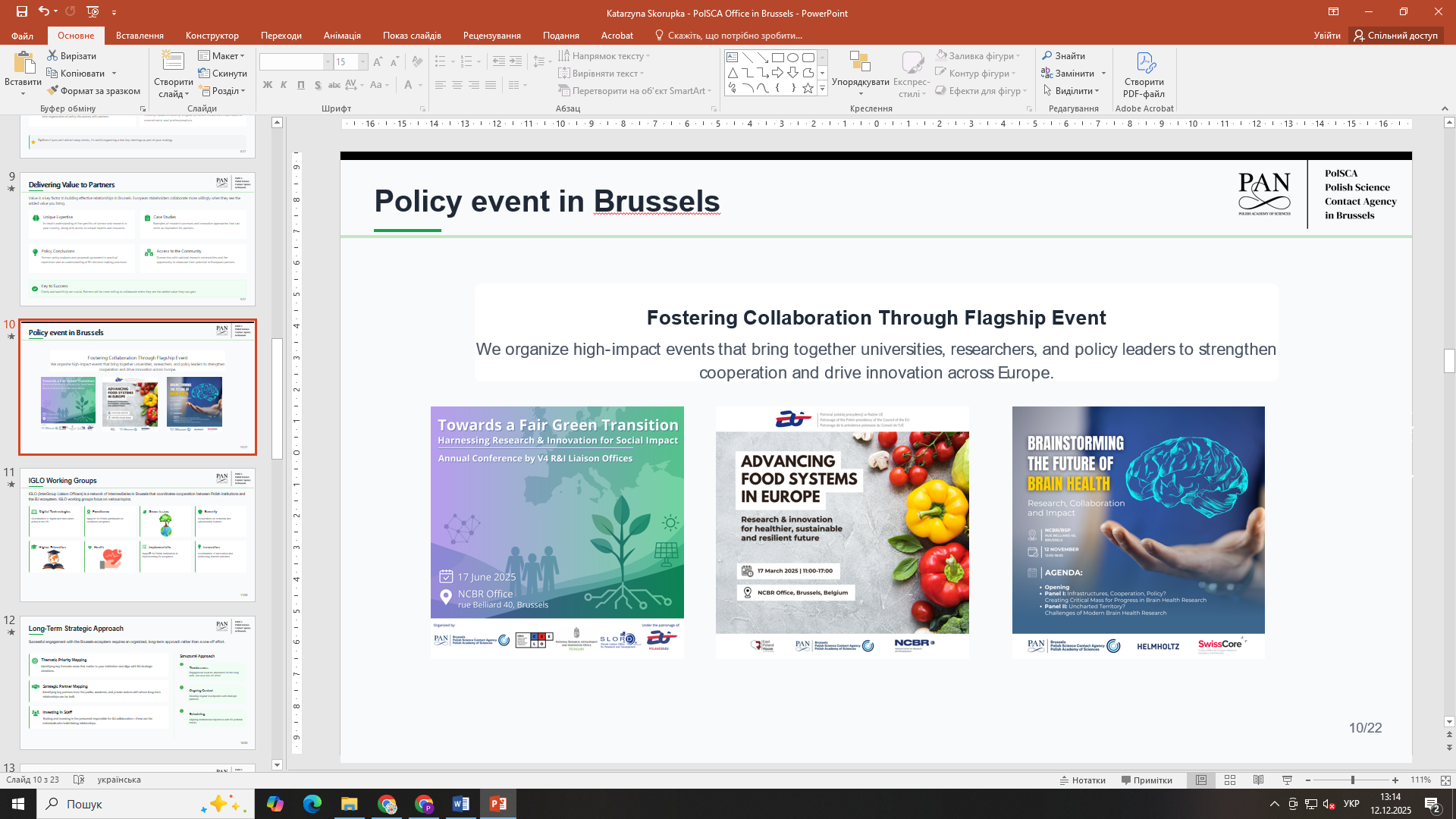
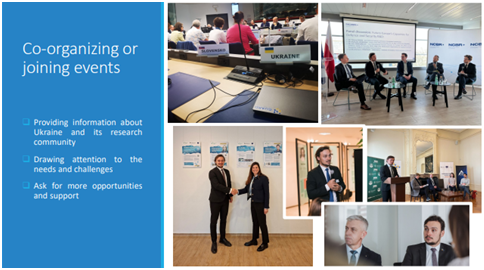
On the final day, the expert ща еhe office for the promotion of science PAN «PolSCA» (Polish Science Contact Agency) in Brussels Katarzyna Skupurka presented areas of cooperation between the Polish Academy of Sciences and the structures of the European Union, especially emphasizing opportunities for partner universities from Ukraine. The expert stressed that successful cooperation with EU institutions requires proactivity, clear goals and regular communication. She advised building long-term partnerships, offering concrete value, and maintaining constant contact, while avoiding unstructured requests and one-time requests “if necessary.” Visible presence in Brussels and participation in professional events, according to her, are key prerequisites for effective involvement in European research programs.

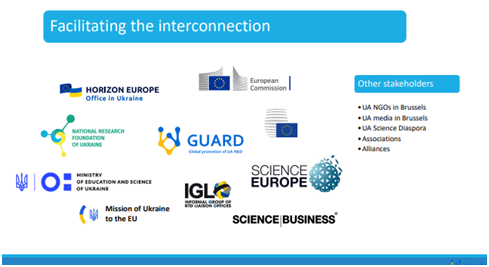
A separate element of the program was an online meeting with Mykhailo HREBENYUK, Head of the Brussels office GUARD — representative office established in 2023 to support the activities of the Horizon Europe office in Ukraine of the National Research Foundation of Ukraine. Mykhailo HREBENYUK outlined the key tasks of the office, including ensuring Ukraine's permanent presence in Brussels, establishing interaction with EU institutions, member states and relevant scientific organizations. Brussels GUARD operates on the basis of a grant agreement from the European Commission aimed at strengthening the participation of Ukrainian researchers in the Horizon Europe Program. It is significant that the office model was inspired by activities of the office for the promotion of science PAN «PolSCA» which has been an effective intermediary between national science and EU institutions for many years. This experience has become an important example of how countries develop sustainable channels of representation in the European scientific space and promote the interests of their research communities.
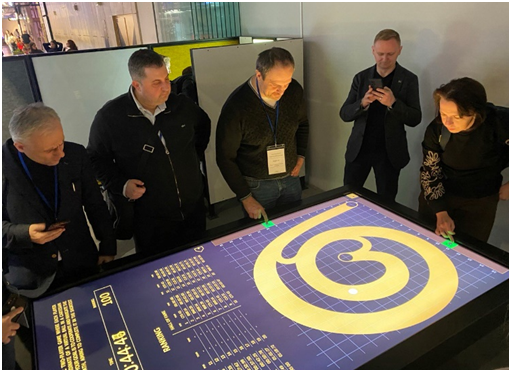
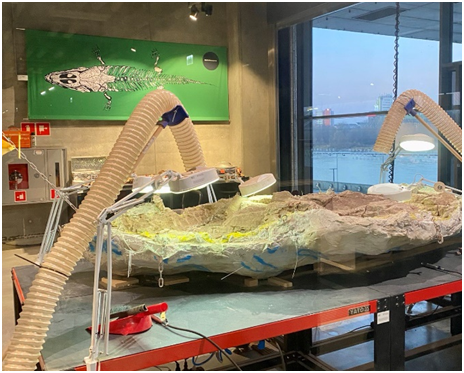
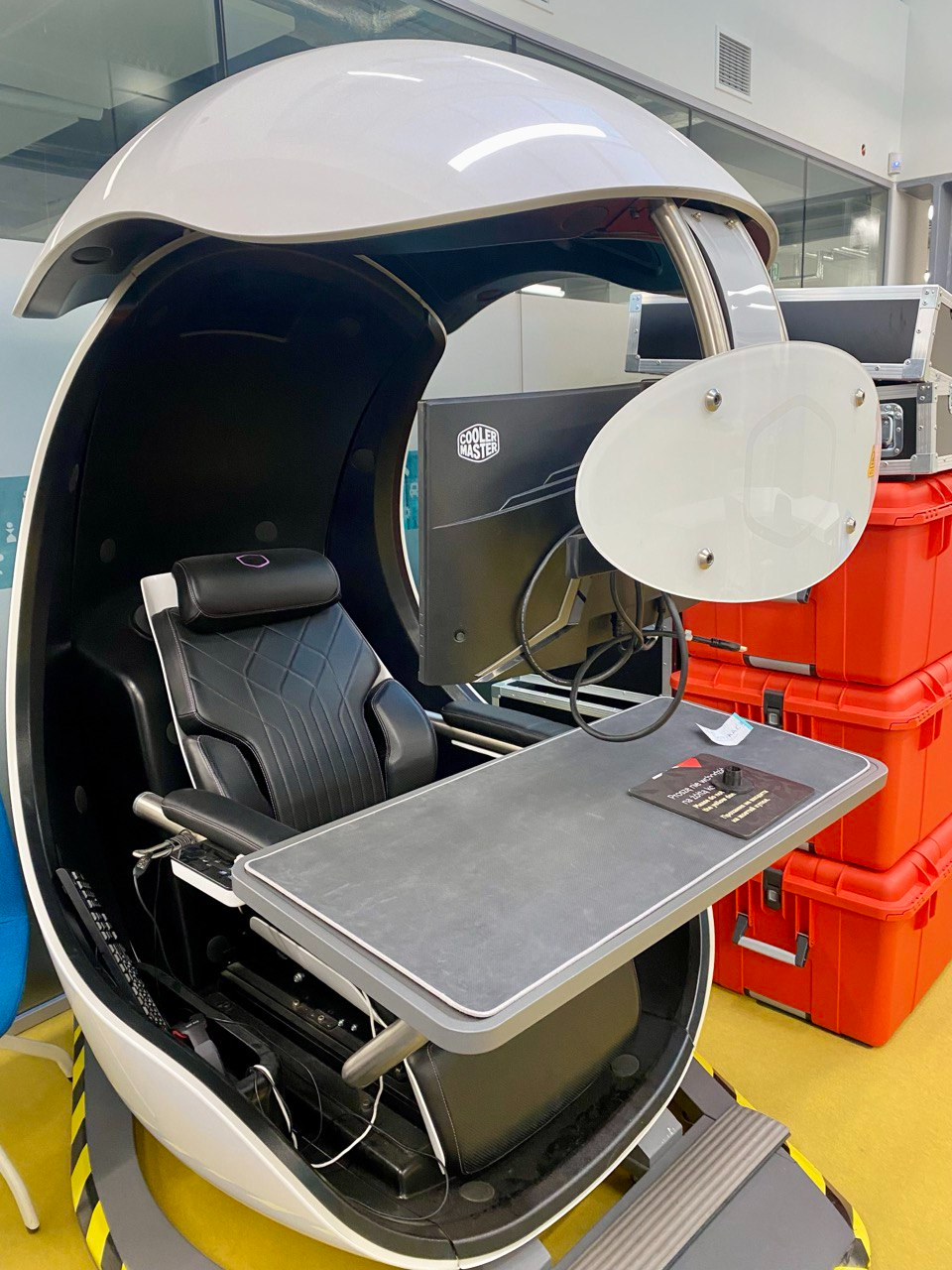
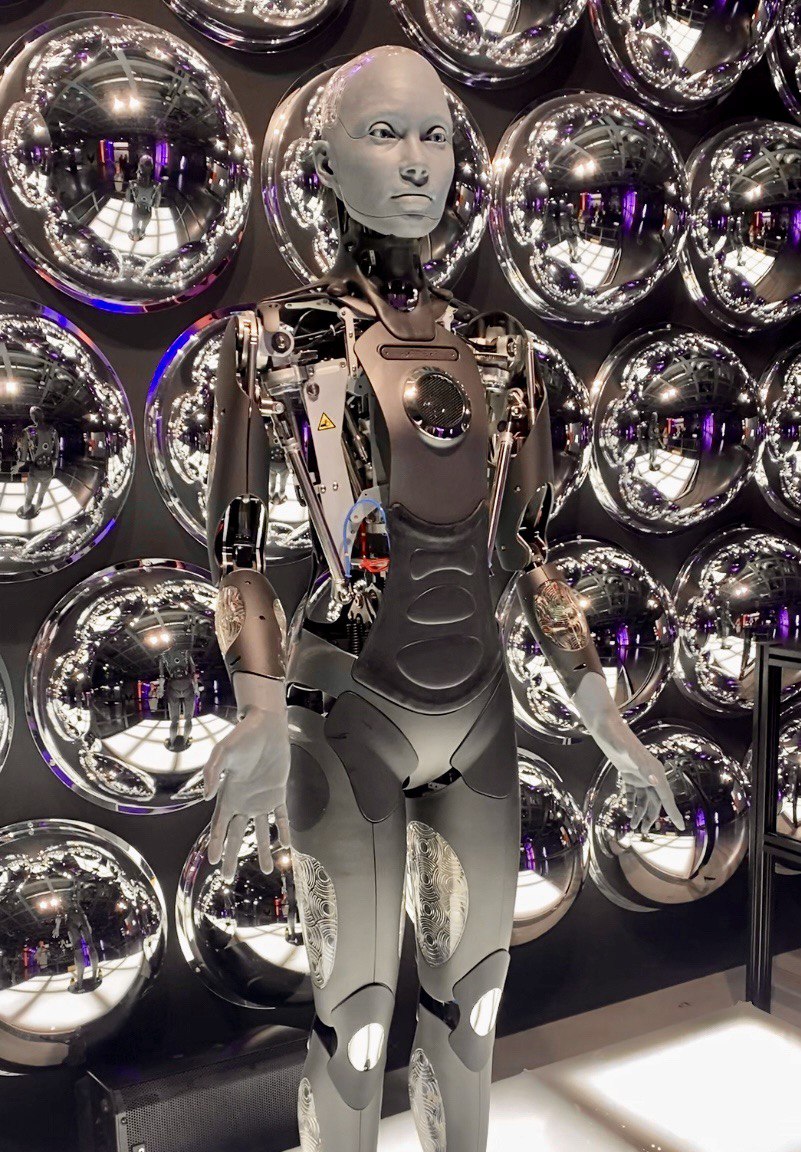
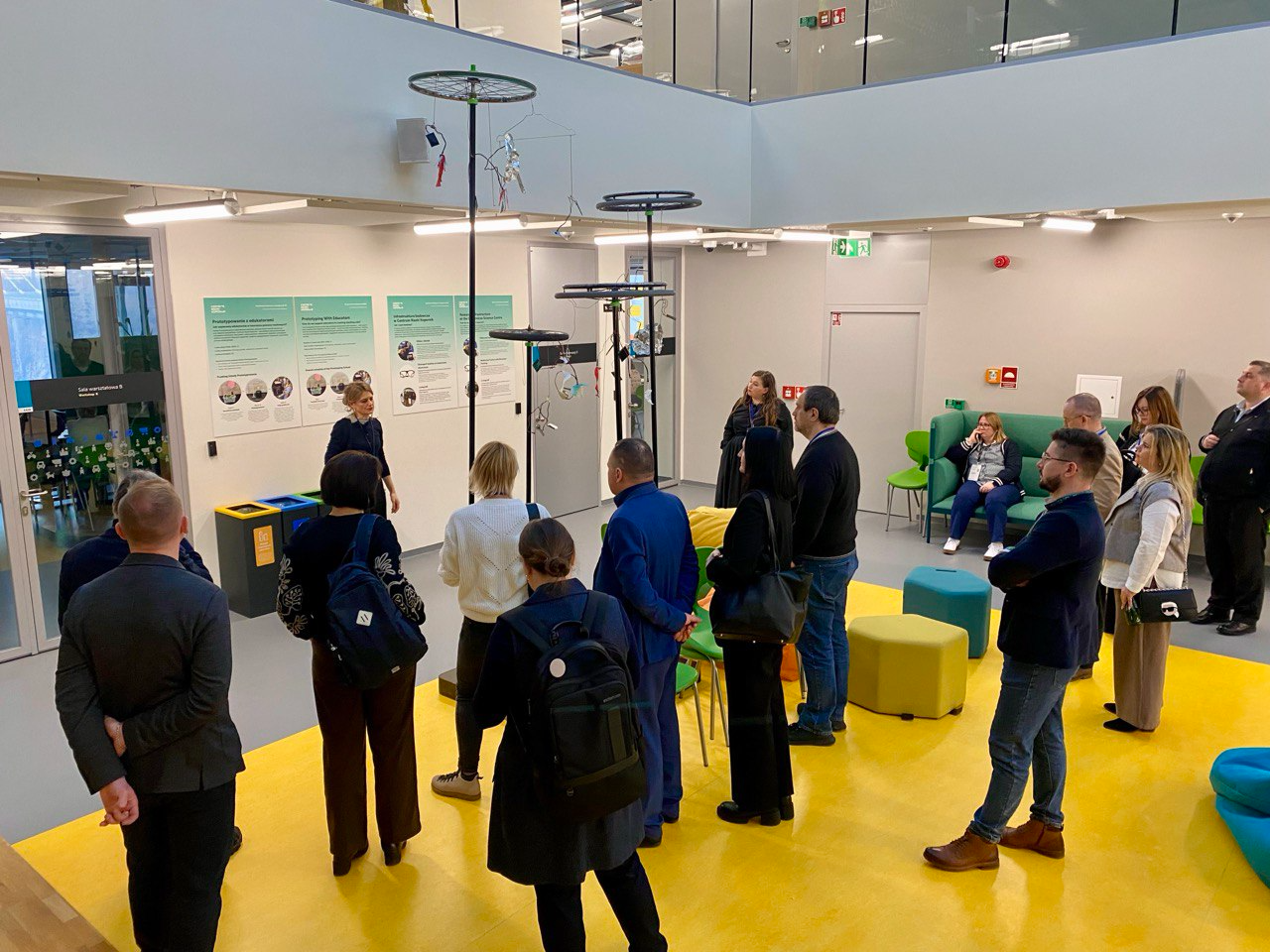
Popularization of science plays a crucial role in the formation of a society that can think critically and rely on evidence-based knowledge, but its practical implementation continues to be a significant challenge for the scientific community. That is why the final chord of the study visit was the review of Kopernik Science Center in Warsaw — one of the most powerful European Centers for popularizing science, which combines experimental spaces, modern laboratories and unique formats of interaction among scientists, teachers and the public. Robert FIRMHOFER, co-founder and CEO of the Center together with the team presented the Kopernik mission and outlined key areas of scientific cooperation. The Center actively interacts with Polish and international scientific institutions, educational foundations and research groups, creating an effective bridge between academic science and society.
Special attention of the participants was drawn to innovative platforms, in particular Living Lab — a space where visitors become participants in real psychological, behavioral, and educational experiments. This format allows scientists to test hypotheses on a large sample, obtain unique data, and analyze human interaction with scientific phenomena directly in the natural environment. This is a vivid example of the integration of basic science with civic participation (“citizen science"), which is a new European trend in research practices.
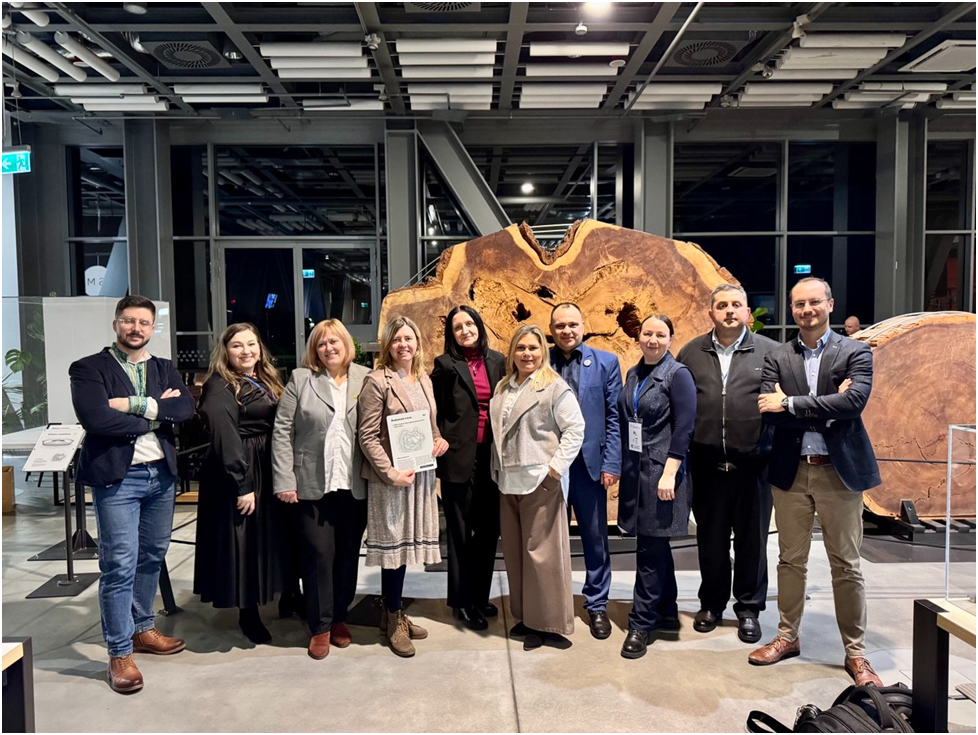
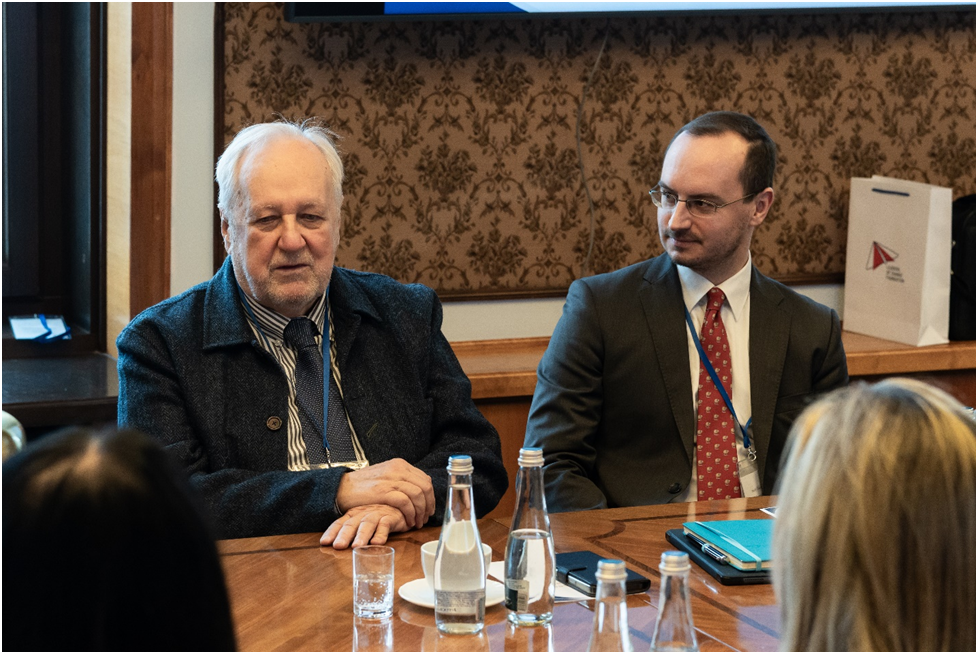
NUBiP of Ukraine expresses their sincere and deep gratitude to Mateusz BIALAS, Director of the Representative Office of the Polish Academy of Sciences in Kyiv, and Prof. Jerzy DUSZYNSKI, doctor habilitated, full member of PAS and adviser to the president of PAS, for the highly professional organization of the study visit «Polish Research Landscape», his well-thought-out structure and extremely meaningful content. Thanks to their leadership, strategic vision and openness to partnership, Ukrainian scientists were able to dive deeper into the modern Polish research ecosystem, establish new professional contacts and get acquainted with the best practices of the leading scientific institutions of the European Union. The foundations are laid for further fruitful cooperation and implementation of joint scientific projects between NUBiP of Ukraine and Polish institutions.