Diplomacy of trust: how Ukraine and Central Asian countries are moving to a new level of cooperation
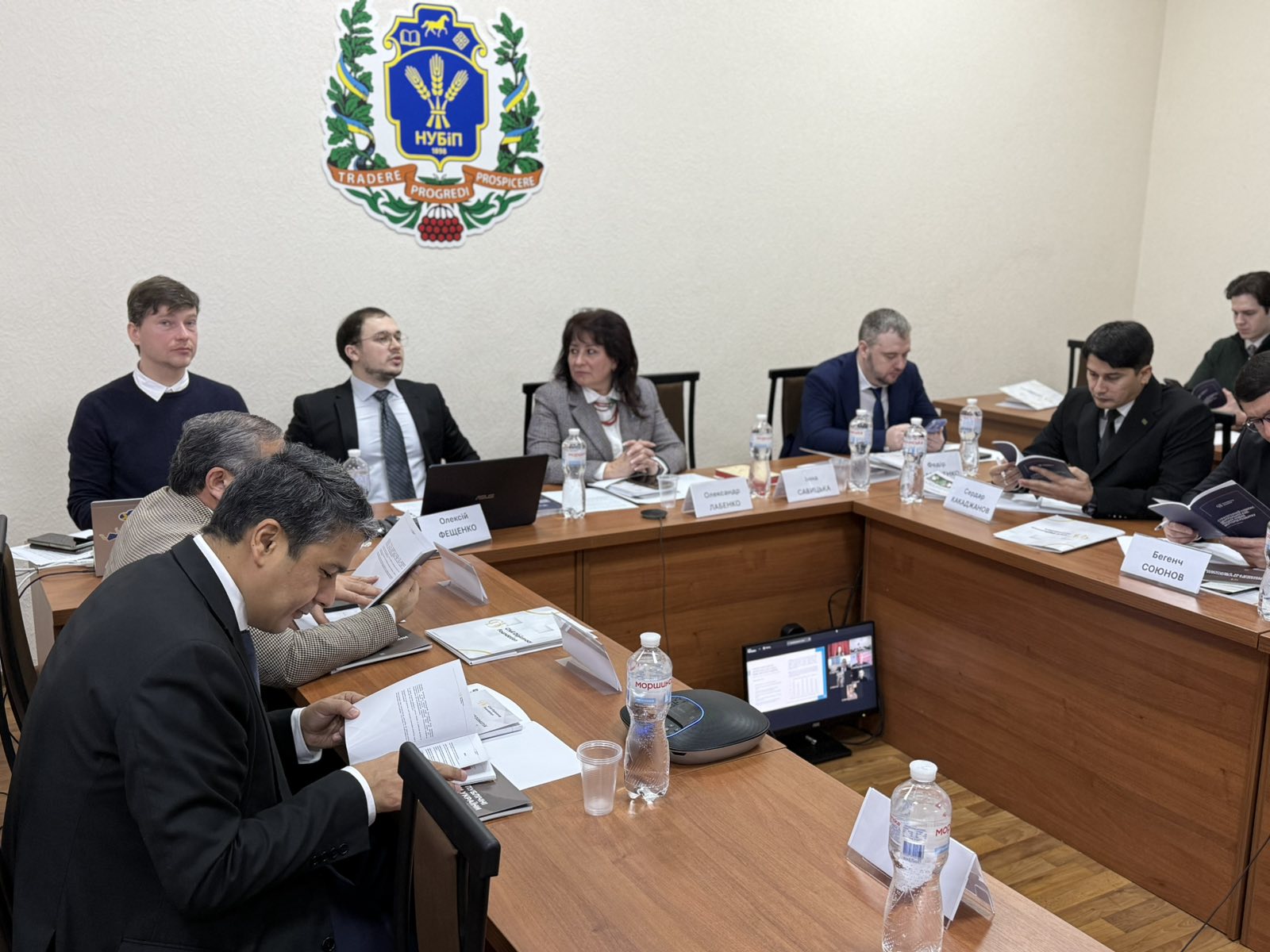
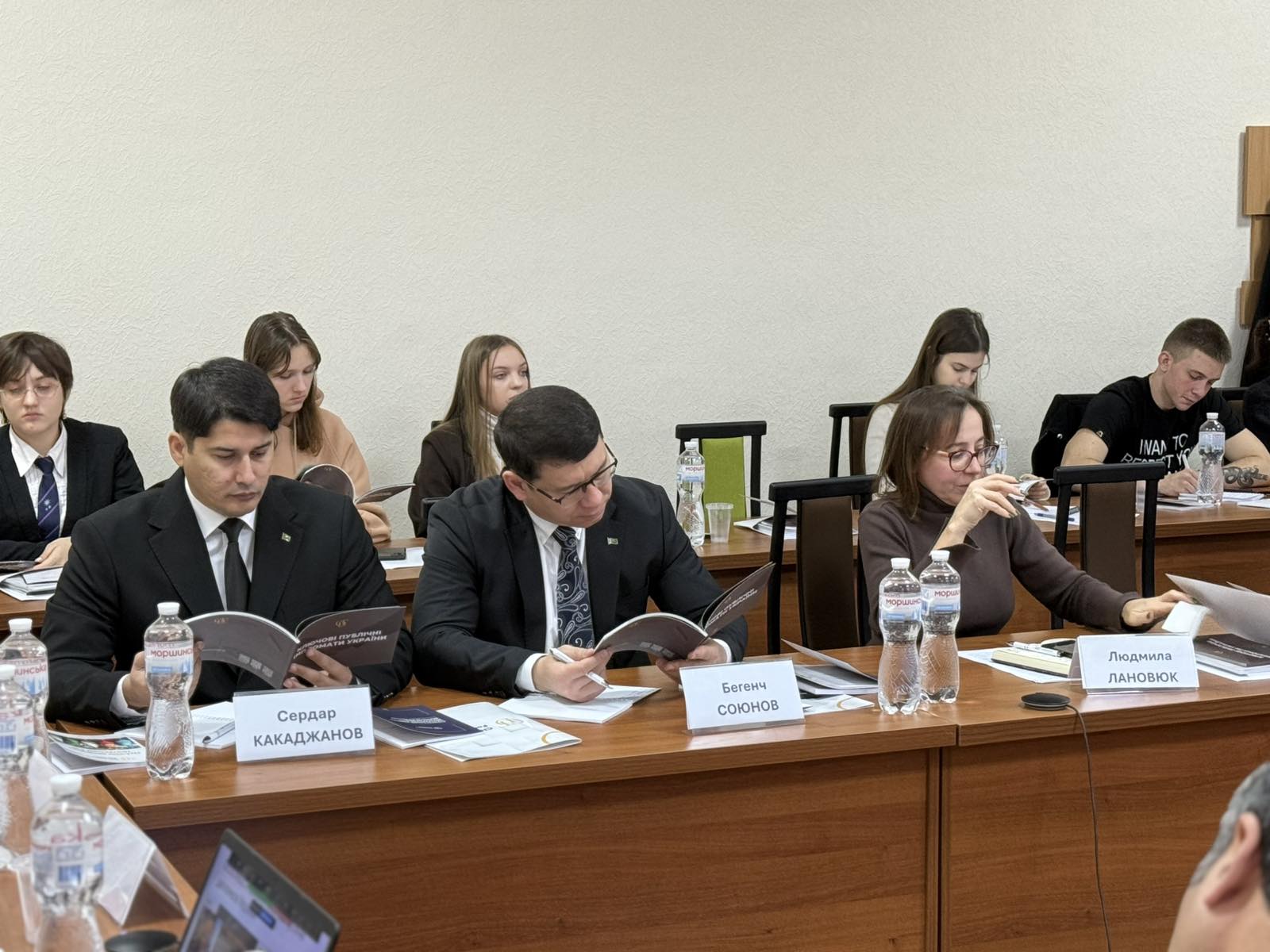
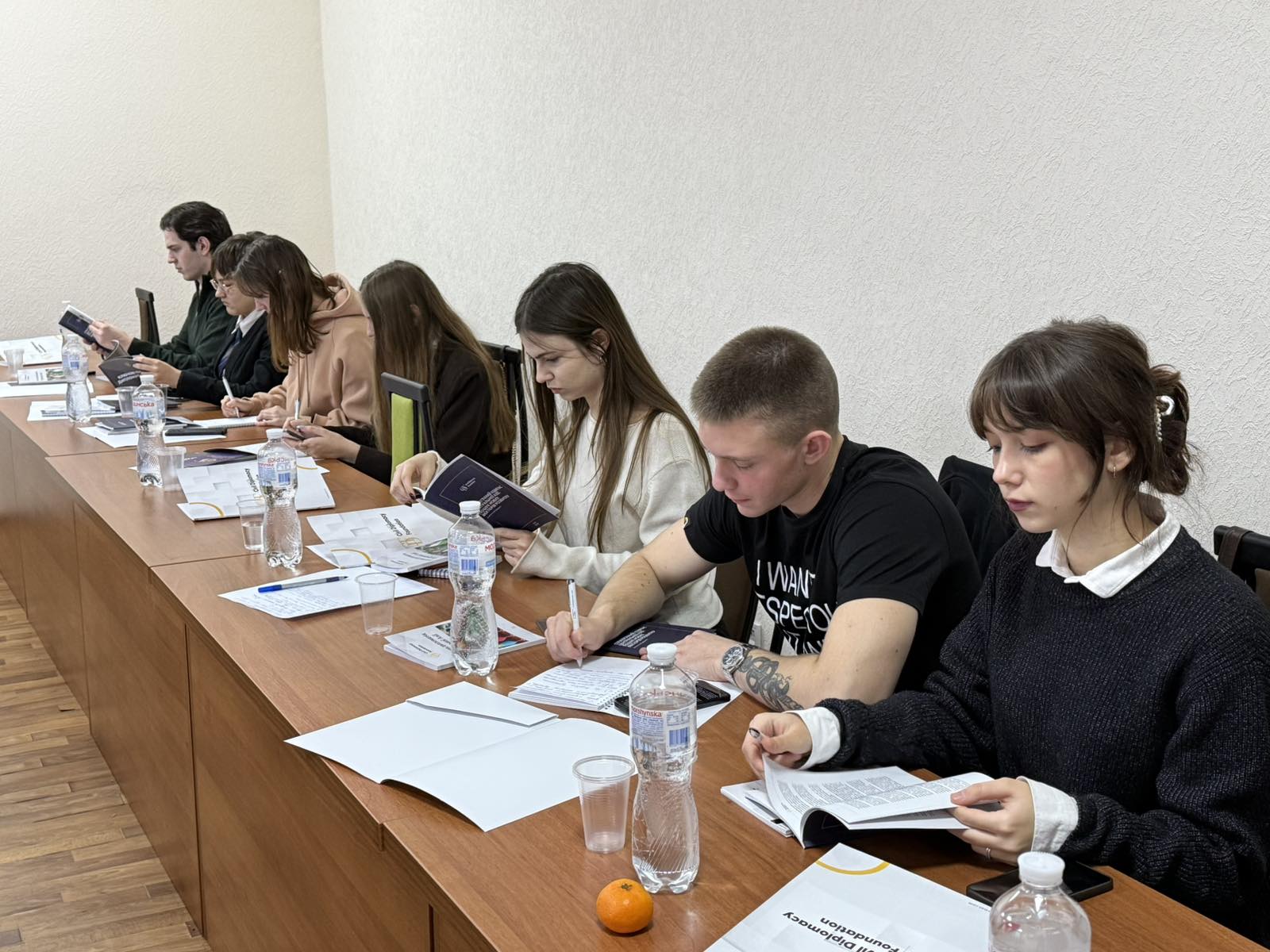
On December 19, A round table was held in the NUBiP of Ukraine in hybrid mode (offline and online) «Public Diplomacy of Central Asia: new horizons of cooperation with Ukraine» which has become a living platform for meaningful dialogue between diplomats, scientists, experts, teachers and public figures.
The event, organized by the NGO «International Charitable Foundation for public diplomacy» together with the department of international relations and social sciences of NUBiP of Ukraine, brought together representatives of diplomatic institutions of Central Asian countries and Ukraine, the expert community and students in the format of an open, professional and at the same time very warm discussion. The round table was moderated by Oleksiy Feshchenko, an expert of the public diplomacy Foundation, who set a dynamic and constructive format for the discussion, ensuring a logical structure of the discussion and active involvement of all participants.
Oleksandr Labenko vice-rector of NUBiP of Ukraine for scientific and pedagogical work and international activities, addressed the audience with introductory words, noting the importance of academic diplomacy and the role of universities in the development of international contacts. Fedir Lavrynenko director of the public diplomacy Foundation, outlined the strategic vision of Ukraine's cooperation with Central Asian countries. Muhammad Egamzod adviser to the Embassy of the Republic of Tajikistan in Ukraine, focused on the importance of public diplomacy as an instrument of mutual understanding among societies, and not just among state institutions. Inna Savytska, the dean of the faculty of humanities and pedagogy of NUBiP emphasized the importance of intercultural dialogue and educational exchanges in modern international relations.
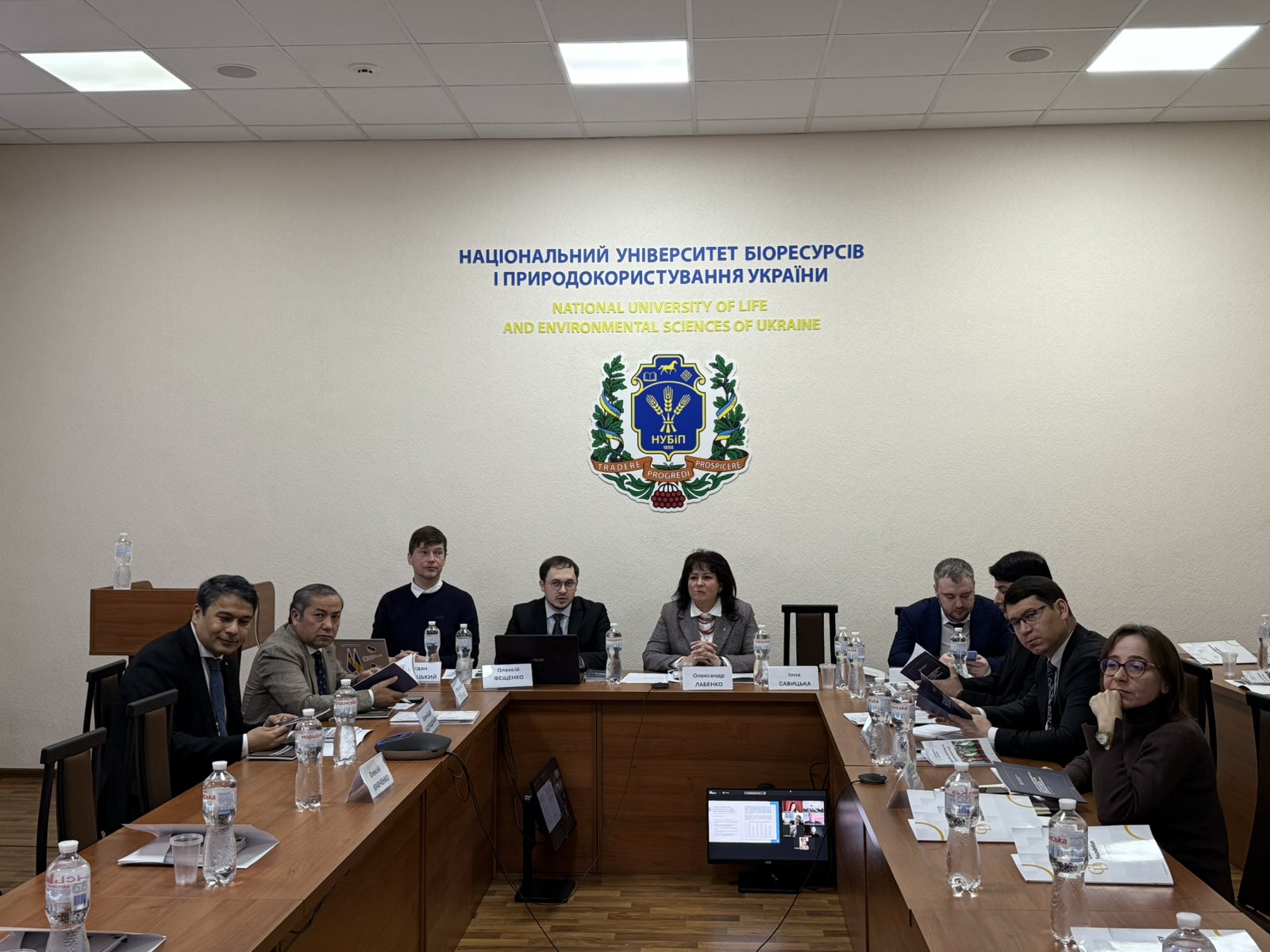
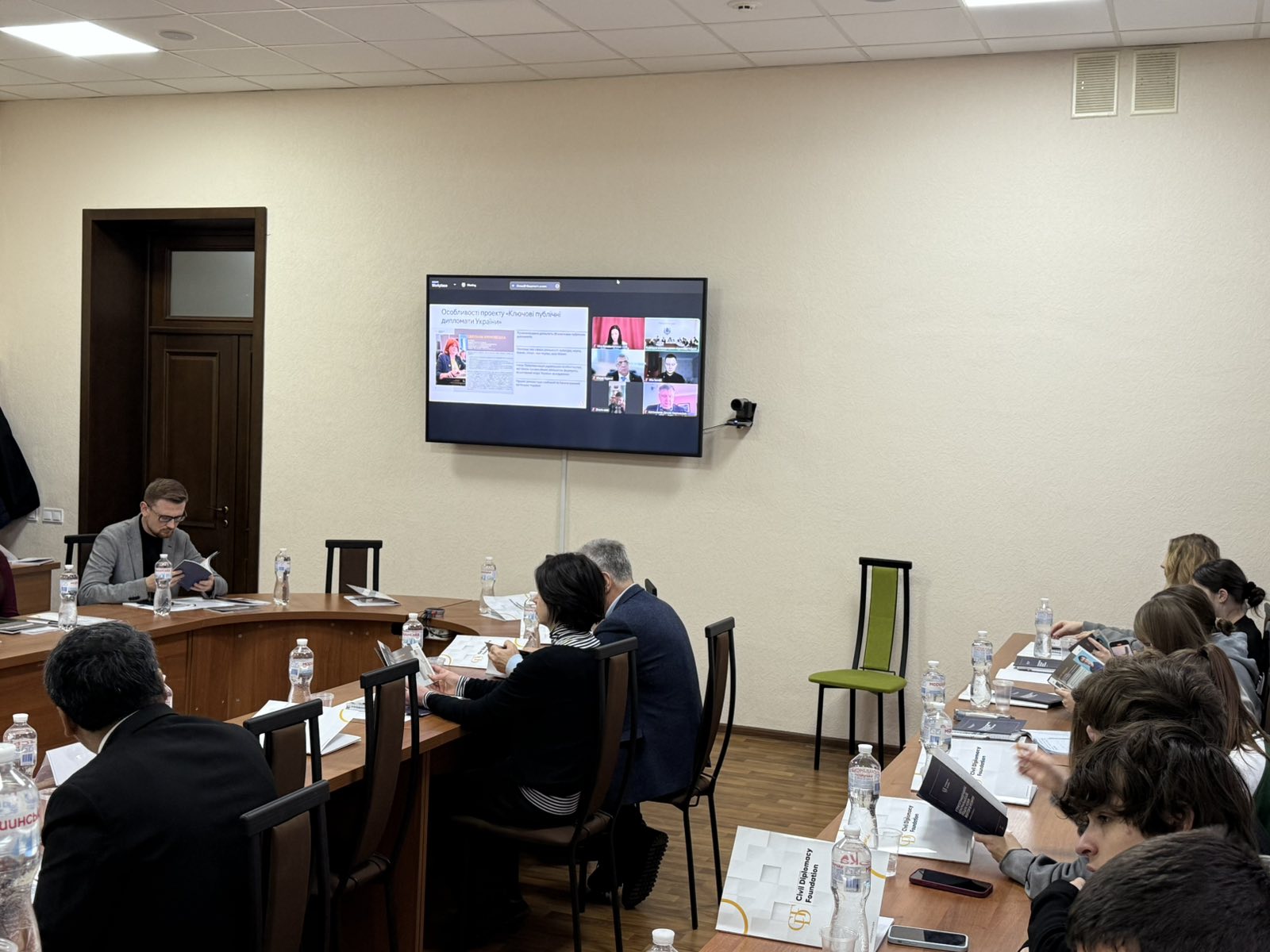
The participants were talking not only about politics and diplomacy, but also about culture, education, science, economics, media and human relations as the basis of long-term partnerships. Of particular interest was the presentation of new projects of the public diplomacy Foundation, in particular the analytical digest «Strategic compass of Central Asia», image project «Key public diplomats of Ukraine» and analytical material «Public diplomacy of Central Asia». They became the starting point for further discussions and practical ideas.
During the round table, the participants touched upon a wide range of topics — from the common historical experience and information presence of Ukraine in the region to infrastructure projects, trade and economic cooperation, cultural and culinary diplomacy, educational and scientific exchanges, as well as the participation of labor resources in the restoration of Ukraine. The discussion clearly showed that the potential of cooperation between Ukraine and the countries of Central Asia is much wider than the established formats of interaction.
Representatives of the diplomatic corps of Tajikistan, Uzbekistan and Turkmenistan, as well as Ukrainian diplomats in Kyrgyzstan, Kazakhstan, and Uzbekistan, in particular former and current ambassadors of Ukraine, joined the discussion. Their speeches gave the discussion a practical dimension and allowed us to combine academic analysis with real diplomatic experience.
One of the speakers of the Round Table was an associate professor of the department of international relations and social sciences of NUBIP Lyudmyla Lanovyuk. The head of the department Viktoria Khvist and associate professor of the department Bohdan Hrushetsky played an important role in organizing and conducting the event. In addition, experts of the NGO «International Charitable Foundation for public diplomacy», the NGO «Center for geopolitical studies «Constanta air & di group», scientists and lecturers of the Petro Mohyla Black Sea National University, the National University «Odesska Polytechnika», the State University» Zhytomyrska Polytechnika», as well as students of the Oles Honchar Dnipro National University and Borys Hrinchenko Kyiv Metropolitan University joined the discussion.
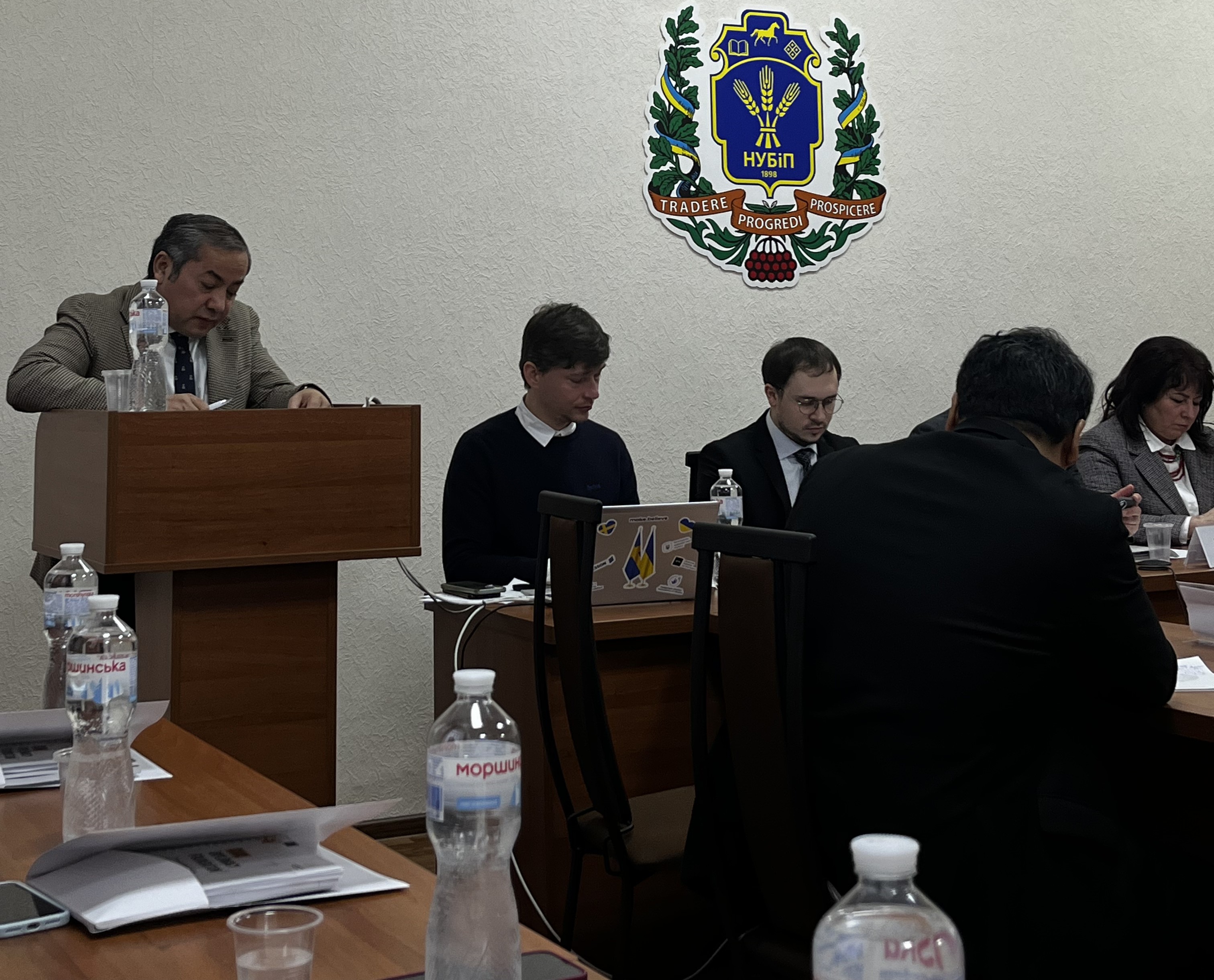
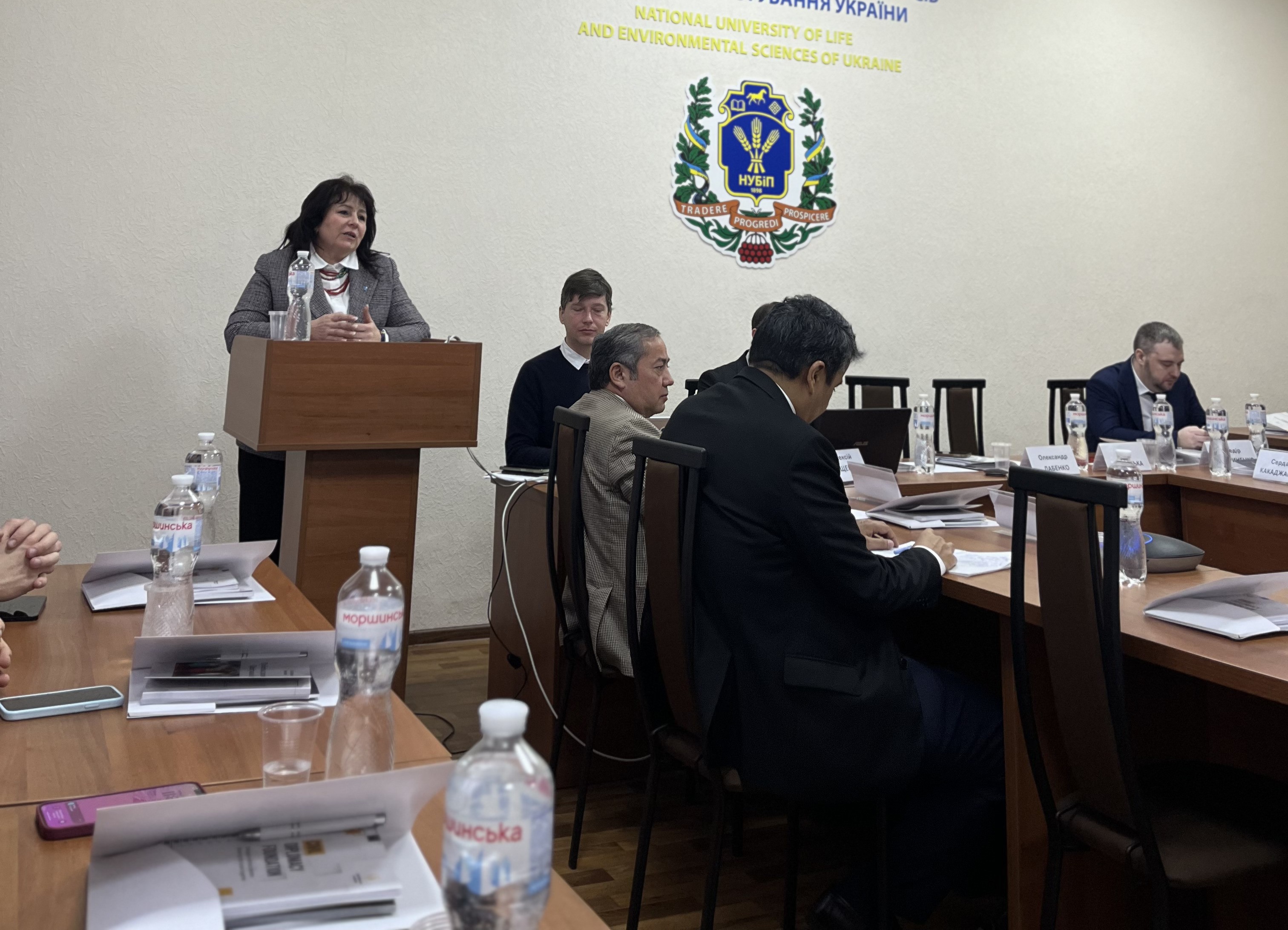
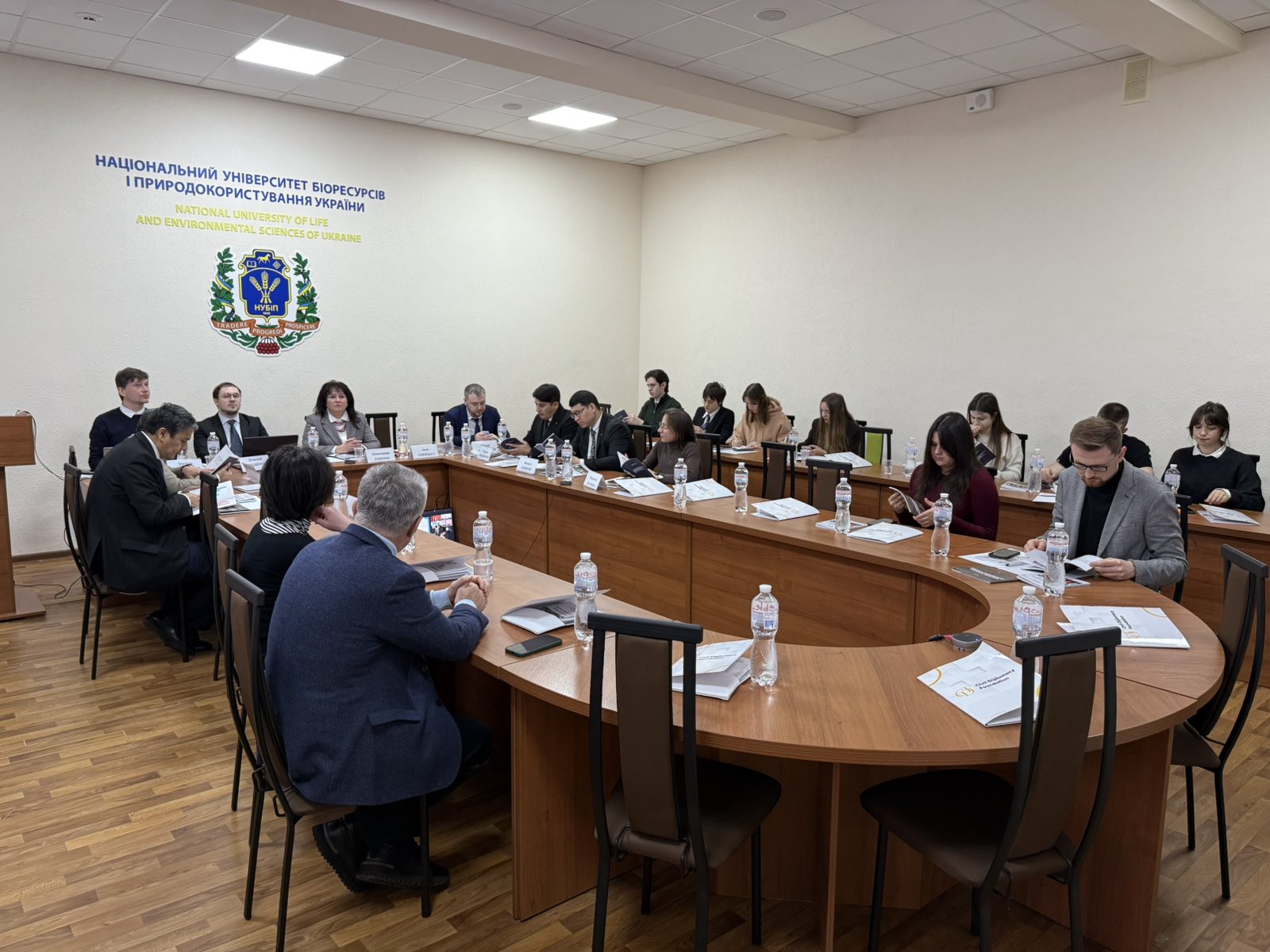
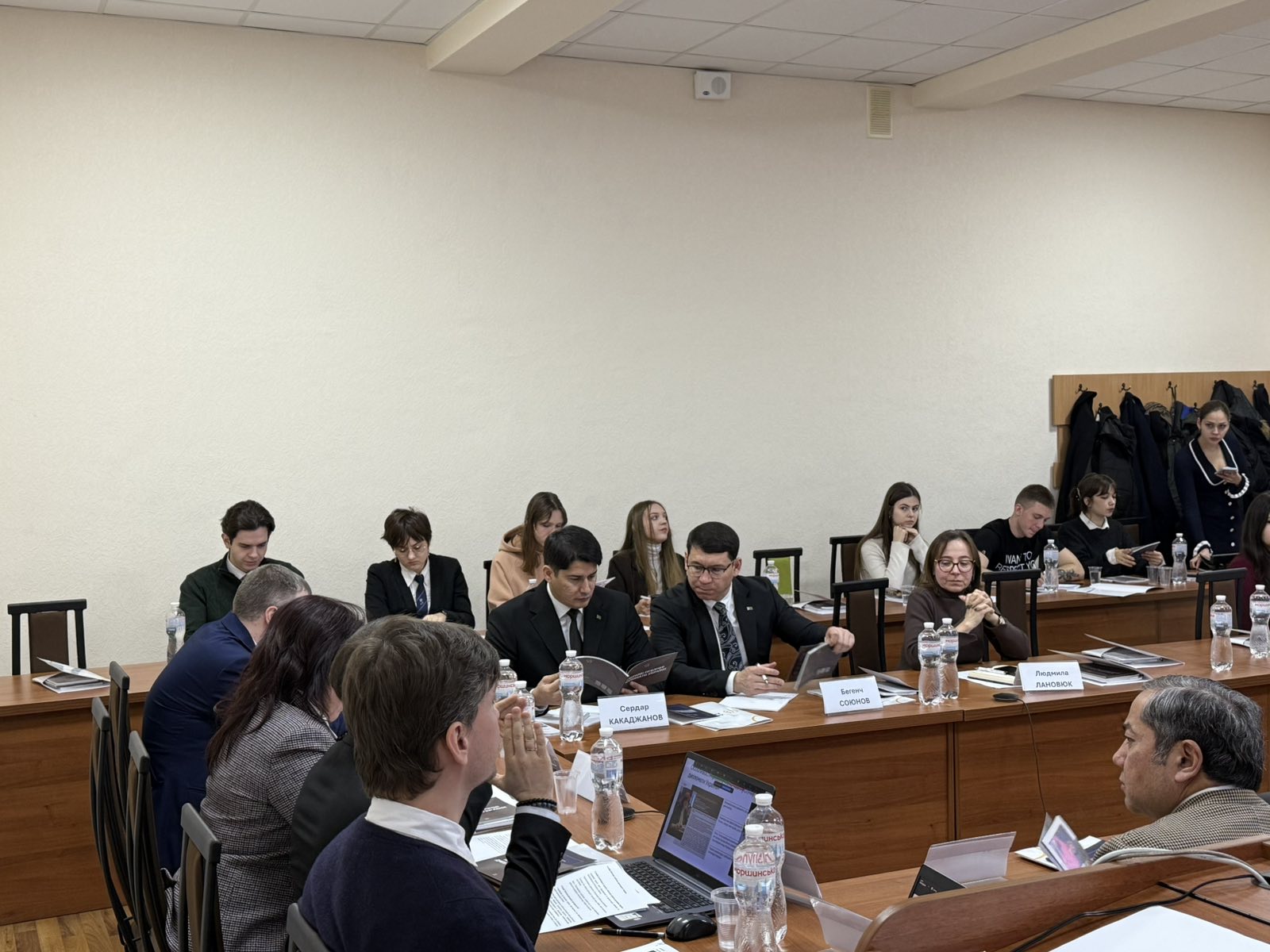
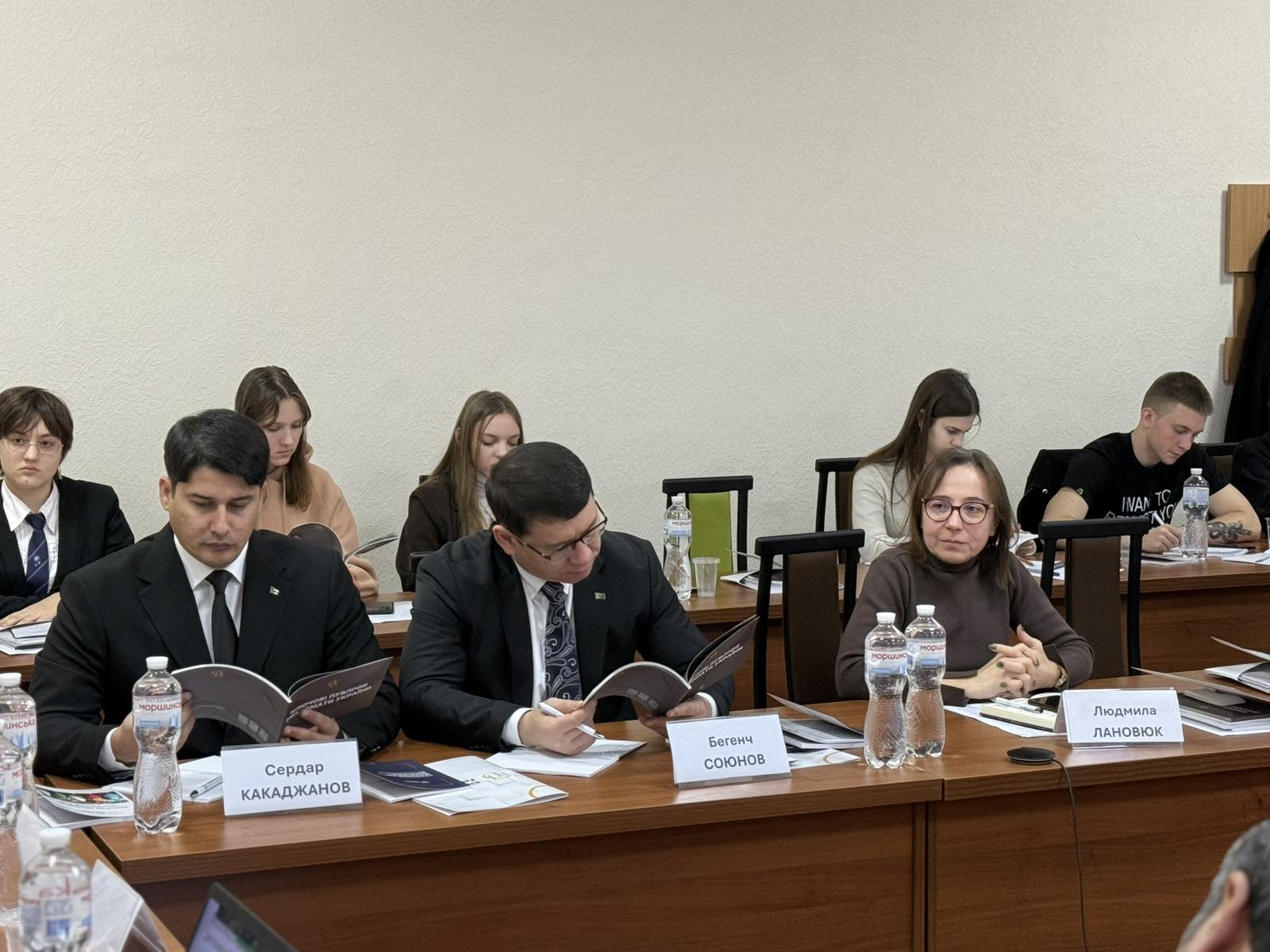
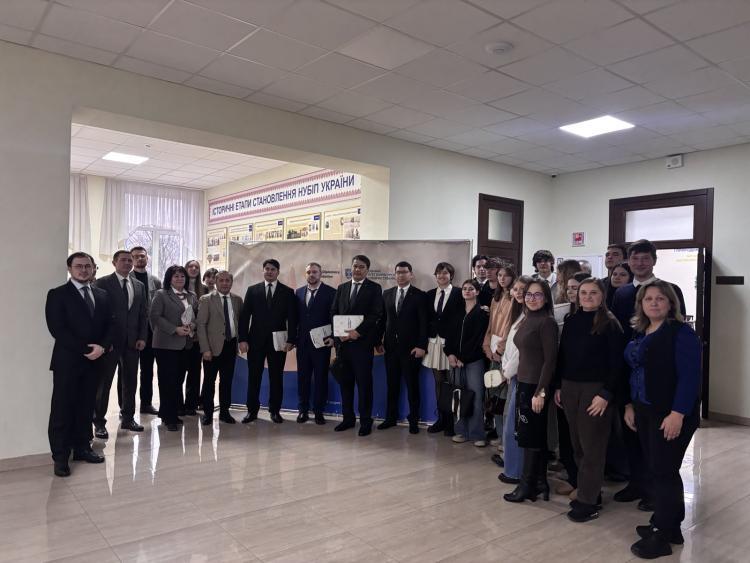
The event ended with summing up the results and a joint photo, but most importantly — it left behind a sense of continuation. Concrete ideas were voiced, mutually beneficial directions for joint projects were outlined, and, most importantly, an understanding was formed: public diplomacy today is not declarations, but joint work, trust and constant dialogue.