
From skills to practical action: how European Union funding is helping to develop professional competences in the construction sector for a zero-emissions future
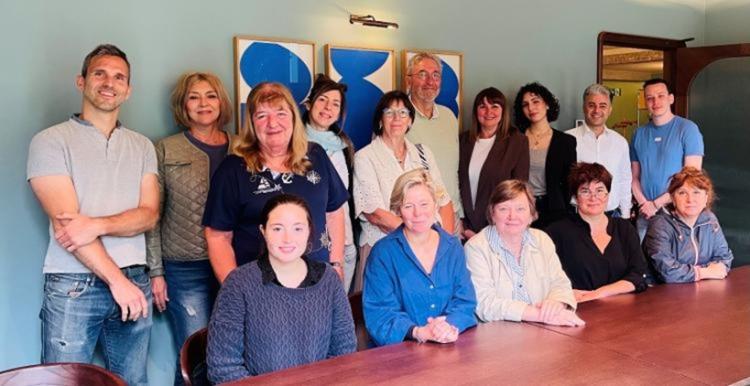
The third year of work under the project «New Skills for Nearly Zero Energy Buildings» is coming to an end. The program of the meeting included the presentation of the final report of the project with the participation of Luca Angelino, Project Adviser, European Climate, Infrastructure and Environment Executive Agency (CINEA).
As part of the thematic event «Turning Skills into Action: How EU Funding is Upskilling the Building Sector towards a Zero-Emission Future» (Brussels, Belgium), an interactive session of the NS4ZEBs project Consortium was held. Among the participants are project coordinator Paul De Schepper, «The Knowledge Center for Energy-related research», Thomas More (TMU), Belgium; Nina Nikolova «Sdruzhenie Kamara Na Instalatorite V Bulgariya» (Association of Installers of Bulgaria), Bulgaria; Andrea Galeota, Padova Chamber of Commerce (CCIAA PD), Chamber of Commerce and Industry in Padova, Italy; Evelina Stoykova, Sofia Energy Center (SEC), Sofia Energy Center Bulgaria; Elisenda Clèries «Ecoserveis» (Energy Innovation Consulting Company), Spain; Georgia Veziryianni «Centre for renewable energy sources and savings» (CRES), Greece; Svitlana MAKAREVYCH and Olena SHELIMANOVA, National Institute of Energy, Automation and Energy Saving, National University of Life and Environmental Sciences of Ukraine.
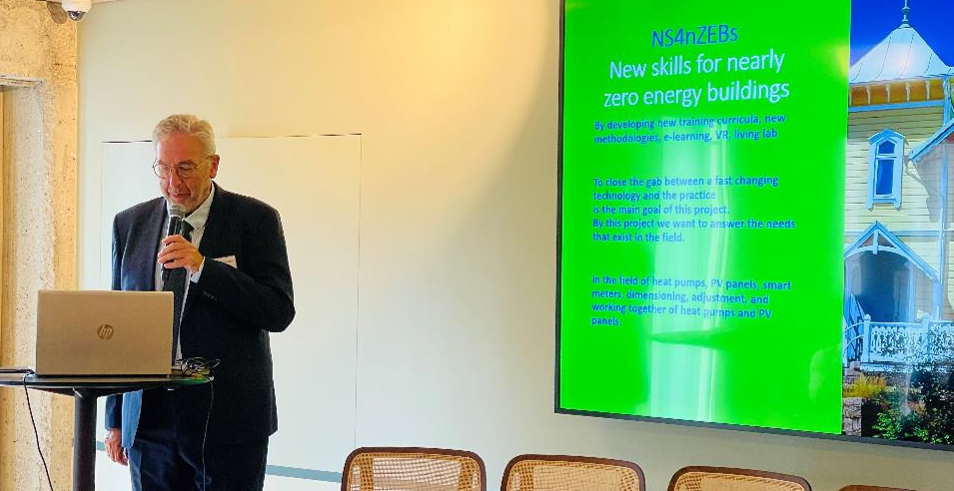
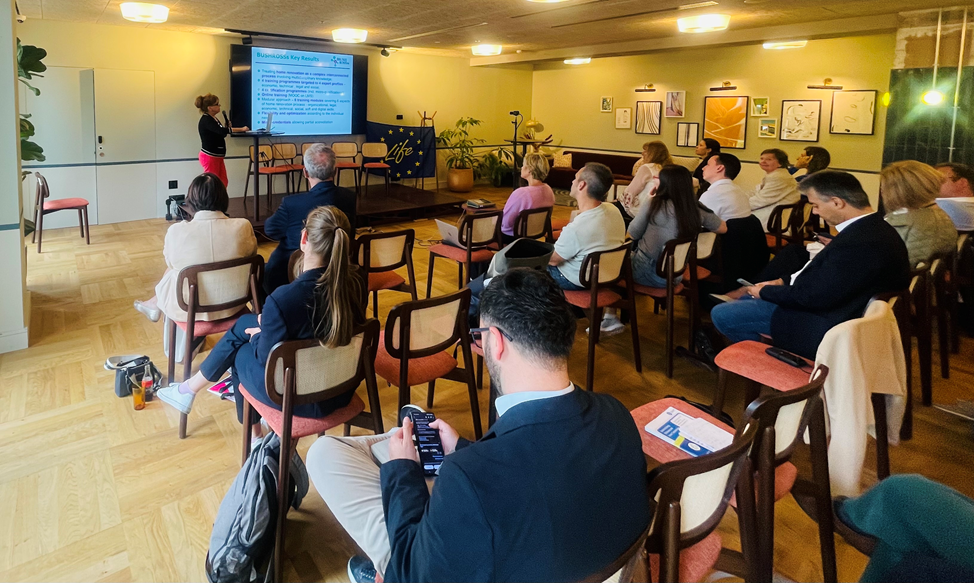
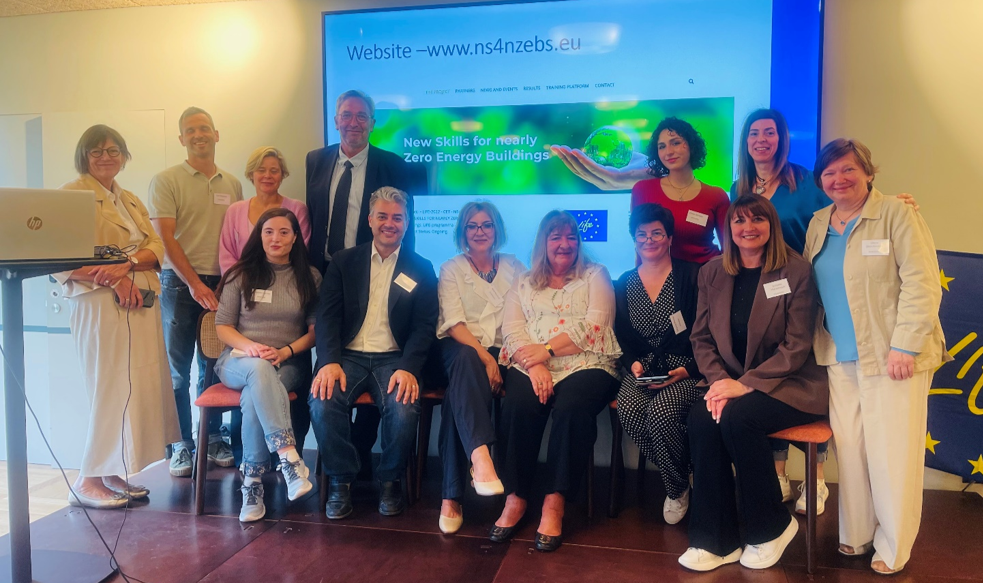
The representatives of the partner organizations summed up the results of the implementation of the project at the national level, exchanged experience in the implementation of the planned measures, discussed the key success factors and prospects for further use and distribution of the developed materials, tools and methodological developments.
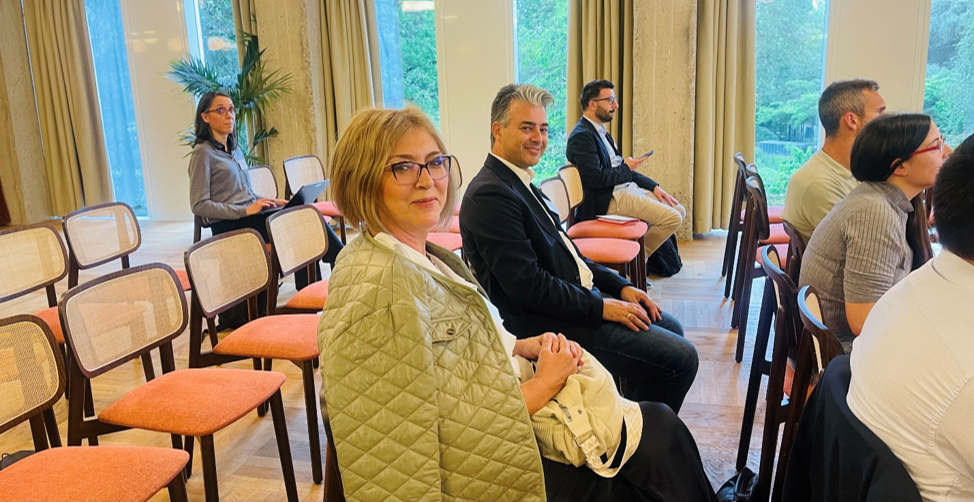
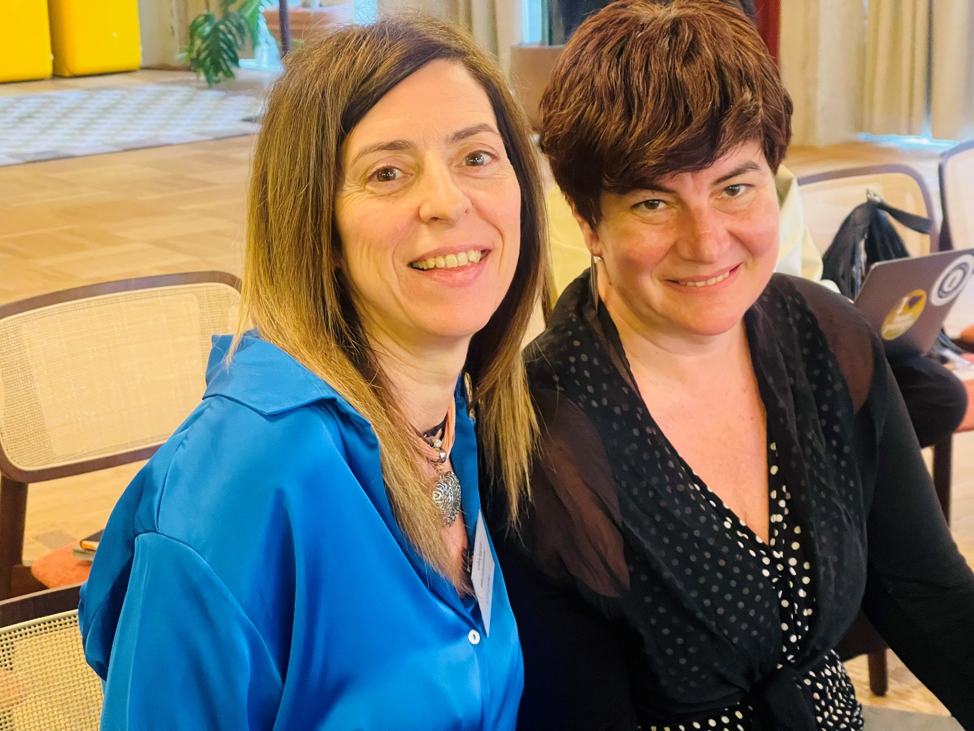
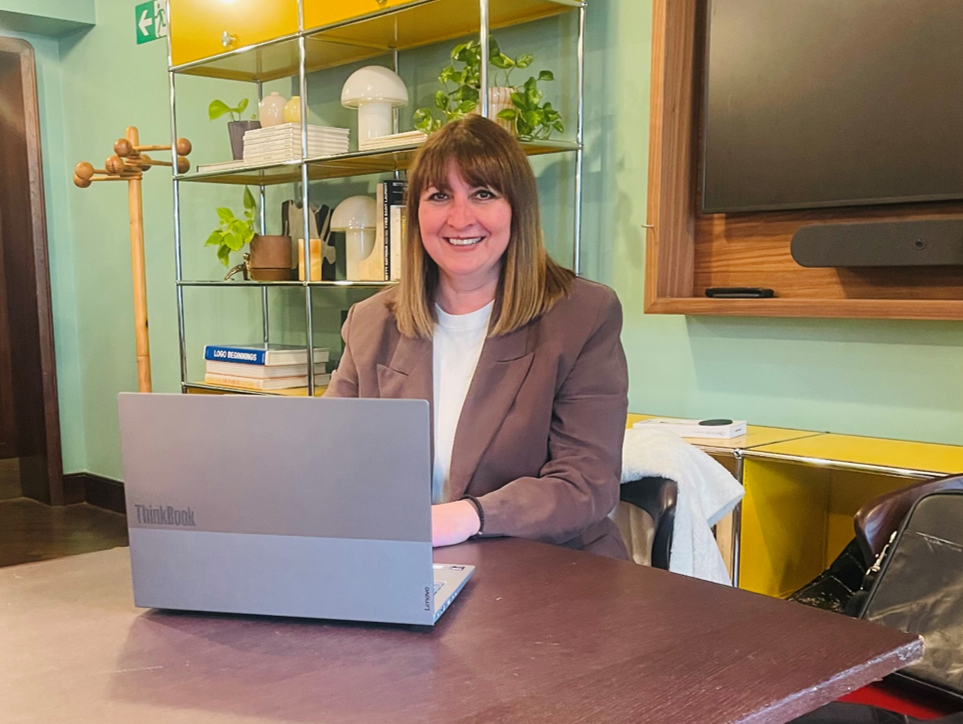
In connection with the completion of the NS4ZEBs project, special attention was paid to the evaluation of the results achieved, their impact on the development of professional skills and competencies of specialists in the field of buildings with almost zero energy consumption, as well as ensuring the long-term sustainability of the project results. The partners noted that all work packages were successfully completed in accordance with the approved plan, and the set goals, expected results and key performance indicators of the project were fully achieved. This confirms the significant contribution of NS4ZEBs to the professional development of the construction sector and support for the transition to energy-efficient and climate-neutral construction.
The session once again confirmed the significant contribution of the partners of the NS4ZEBs project to the development of human capital and the promotion of the transition of the construction sector to an energy-efficient and climate-neutral future.
The event included a series of short presentations of European projects aimed at developing the skills and competencies of construction industry specialists. The representatives of the Achieve-ZEB, BUSHROSSs, HeatCraftHP, BUSUnited and RESSKILL projects presented the key results of their initiatives, shared practical experience of implementing measures for training and upgrading the skills of workers in the construction sector, and outlined innovative approaches to support the transition to zero-emission buildings. The participants paid special attention to the discussion of the challenges they encountered during the implementation of the projects, the analysis of less effective solutions and the identification of key lessons that can be useful for future initiatives in the field of energy efficiency and sustainable construction. The event became an important platform for the exchange of knowledge, best practices and experience between projects implemented with the support of the European Union, and reaffirmed the importance of investments in the development of human capital to achieve Europe's climate goals.
The team implementing the project — the National Institute of energy, automation and energy saving — systematically distributes information about the progress of the project on the university's Facebook page. The developed materials are actively used in the educational process, and are also presented at specialized events for representatives of scientific and educational institutions in Ukraine and a number of European countries. The project coordinators noted the high level of organization, high-quality and timely implementation of all planned activities by the partners of NUBiP of Ukraine.
Many thanks to project coordinator Paul De Schepper for organizing the meeting and the warm welcome.