
Modernization of forestry education: research and teaching staff of the Educational and Scientific Institute of Forestry and Horticulture (ESIFH) took part in the spring school as part of the ForestPost project
On May 4-8, 2026, representatives of the ESIFH of NUBiP of Ukraine together with colleagues from the National Forestry Engineering University of Ukraine and the State Biotechnological University visited the Higher School of Agricultural Engineering Sciences of the University of Valladolid (Palencia, Spain). The visit took place within the framework of the European project Erasmus+ «Modernizing Master Programs to Support Forest Sector Transformation towards Ukraine's Post-War Green Rebuilding – ForestPost».
The rich program of the spring school was developed by the Spanish project coordinator, Professor Jose Arturo Reque Kilchenmann. The main goal of the internship was to study innovative didactic methods and update the structure of four master's courses, which NUBiP is responsible for:
-
«Forest Phytomass assessment by Ground and Remote Methods» (Prof. Viktor MYRONYUK, doctor of agricultural sciences, professor of the department of forest taxation and forest management);
-
«Recreation Management»(assistant professor Volodymyr BLYSHCHYK, candidate of agricultural sciences,assistant professor of the department of forest taxation and forest management);
-
«Landscape Fires: Science, Policy and Management» (Prof. Serhiy ZIBTSEV and assistant professor Vasyl HUMENYUK, candidate of agricultural sciences, assistant professor of the forestry department);
-
«Modern Green Constructions» (assistant professor Andriy SPIROCHKIN and Vasyl LOMAHA, PhD, assistant of the department of wood products technology and design).
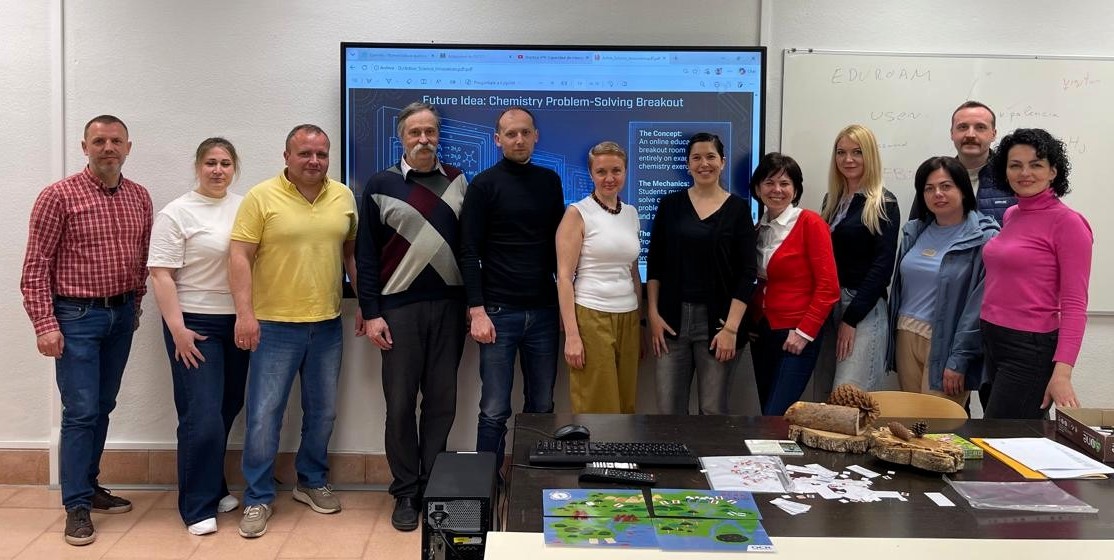
During the visit, Ukrainian scientists had the opportunity to get acquainted in practice with modern didactic approaches of their Spanish colleagues: problem-oriented training, modeling of management situations, solving practical cases, educational games and interactive discussion formats.
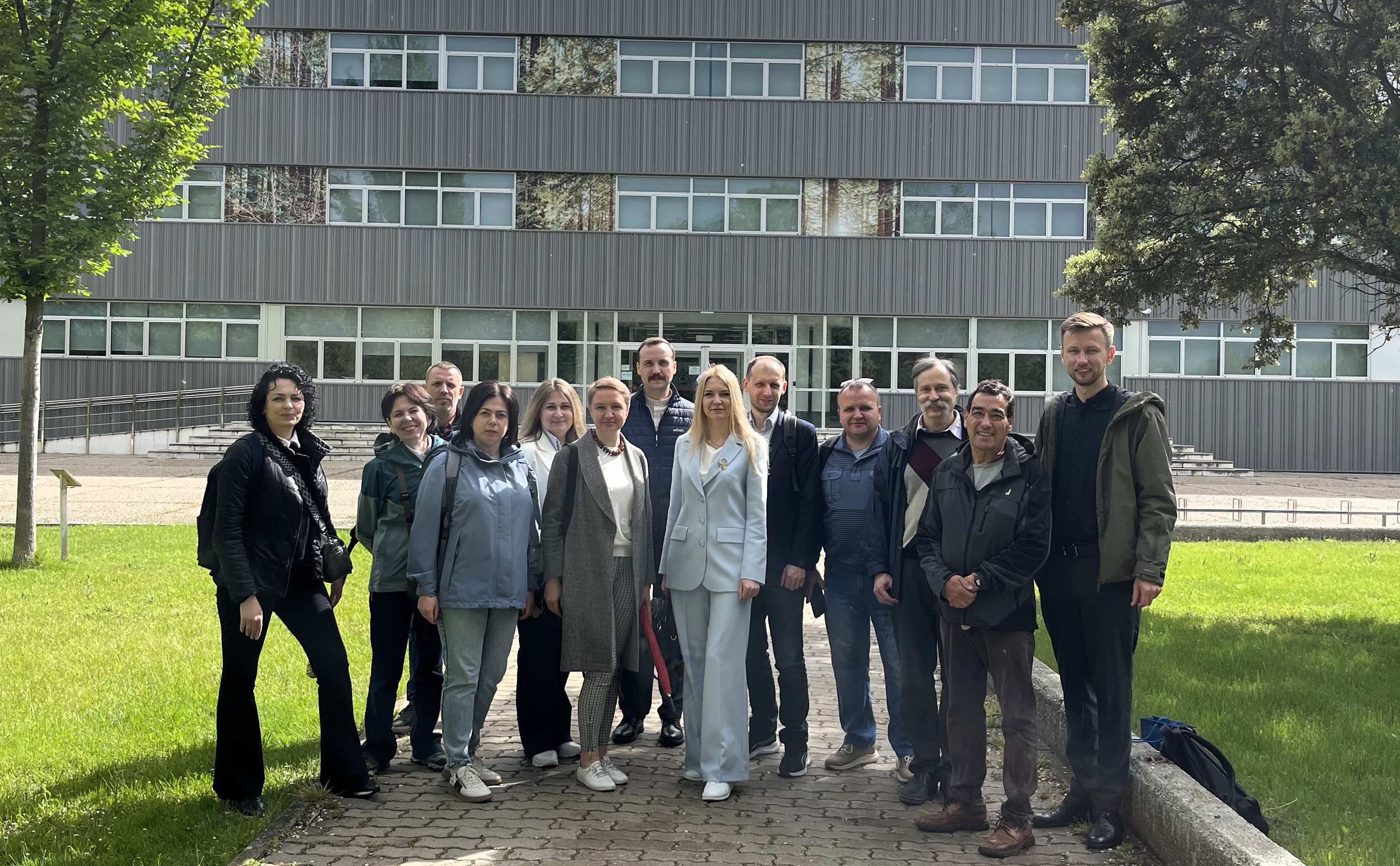
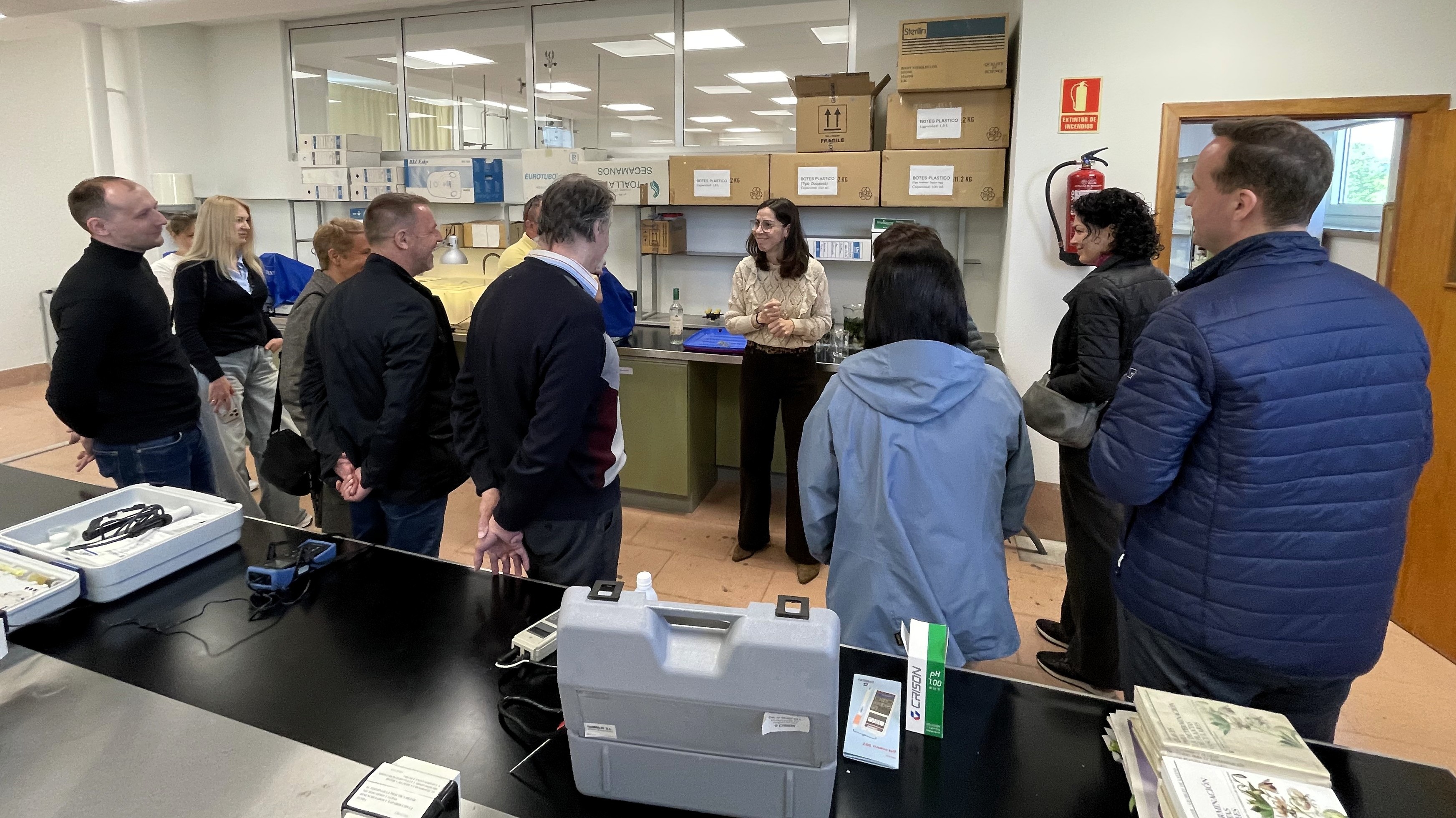
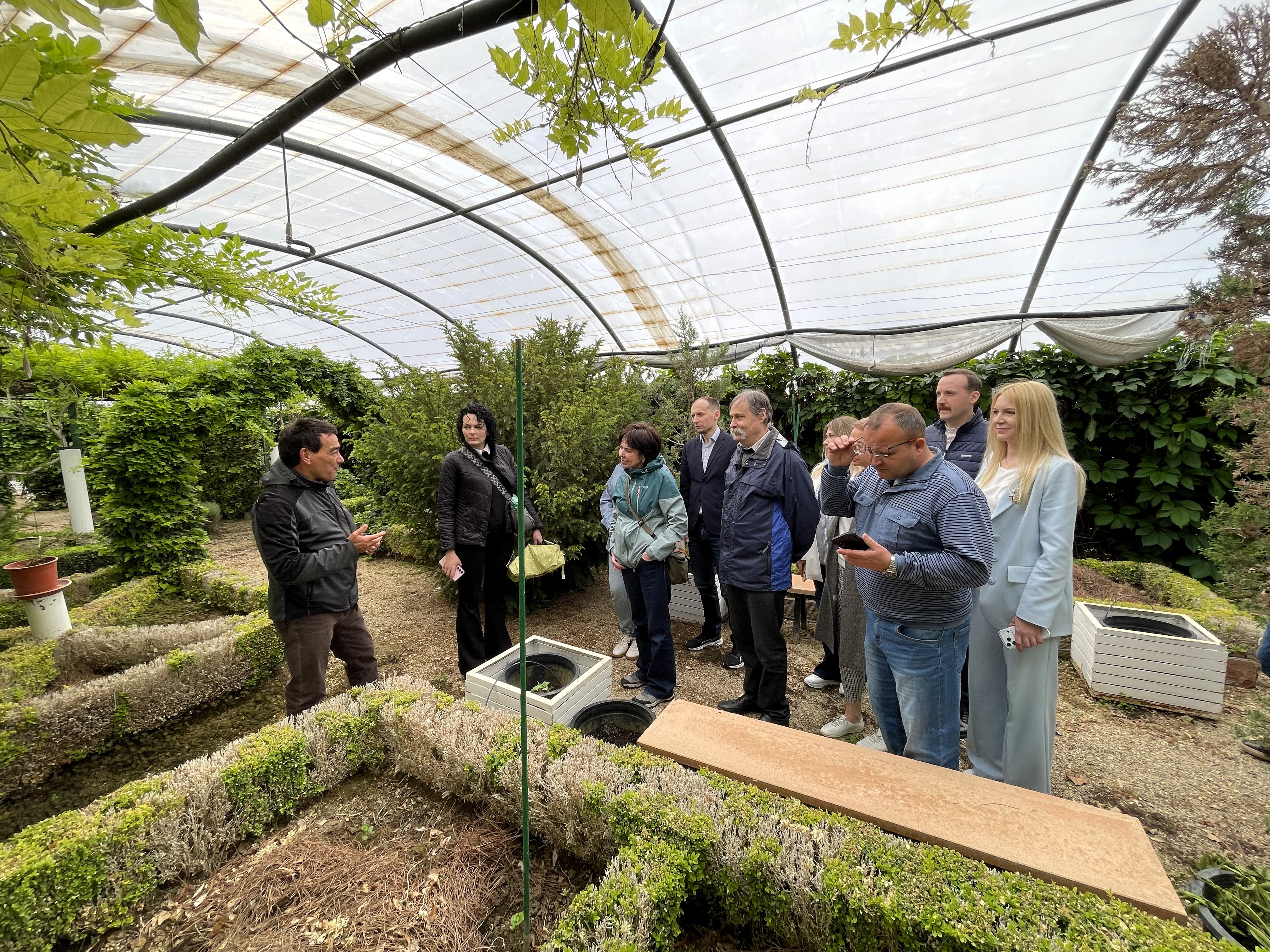
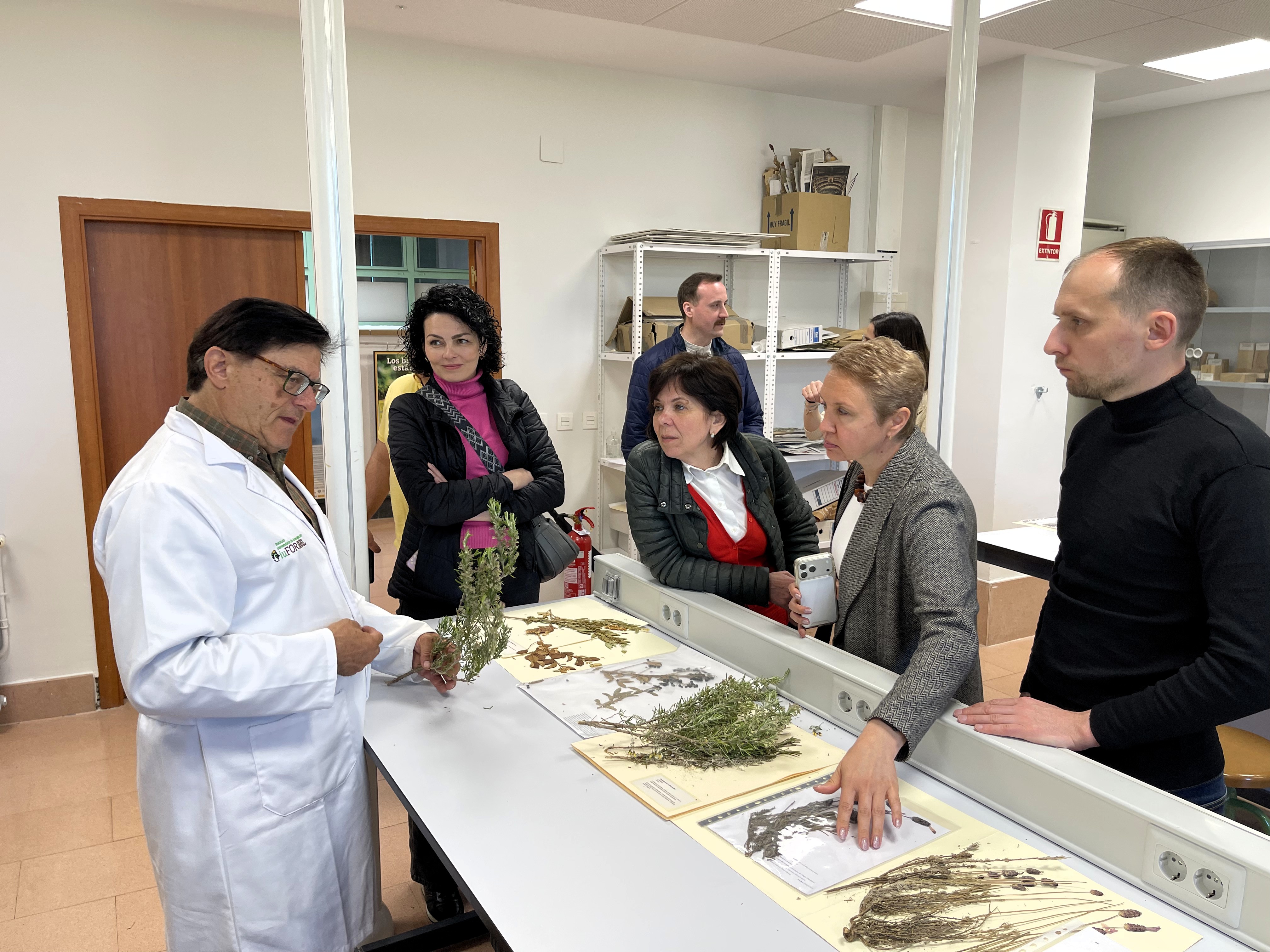
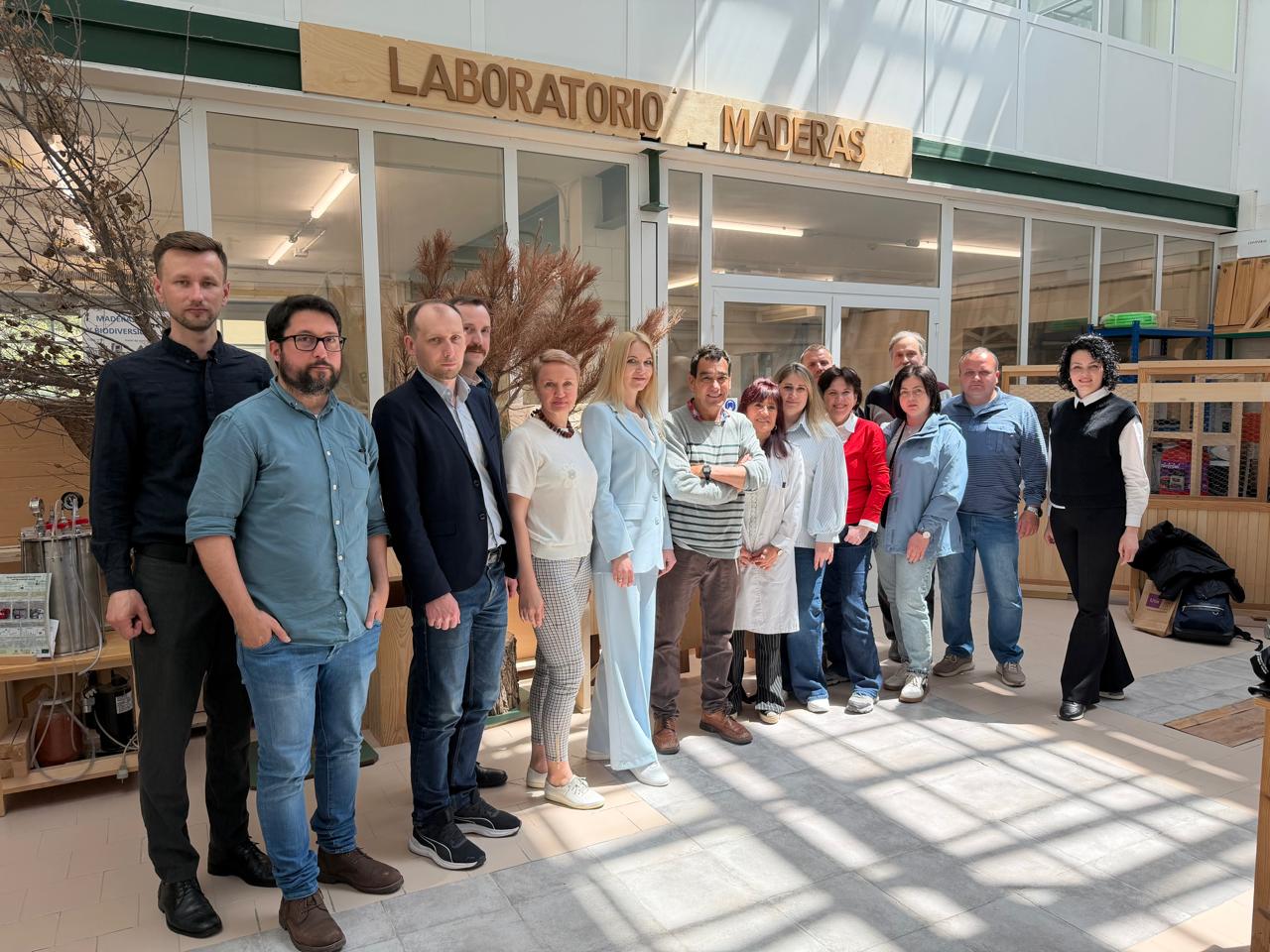
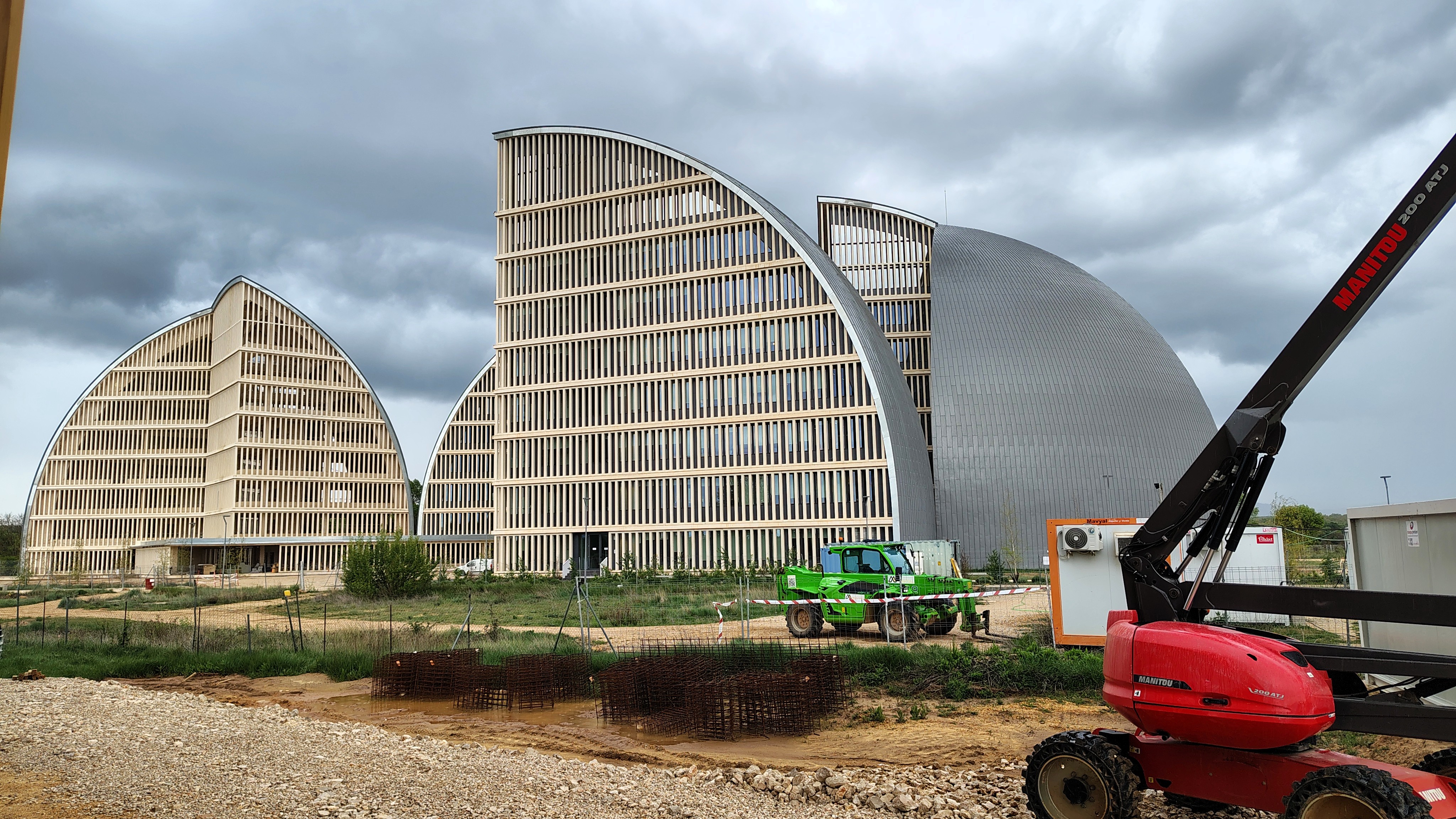
During the first day, the participants were introduced to interesting objects on the La Yutera campus, including greenhouses, oenology, soil and wood science laboratories, a library, as well as La Central de Biomasa — an energy infrastructure facility that operates on the principles of sustainable development on wood biomass and provides heating and hot water to all buildings of the university complex.
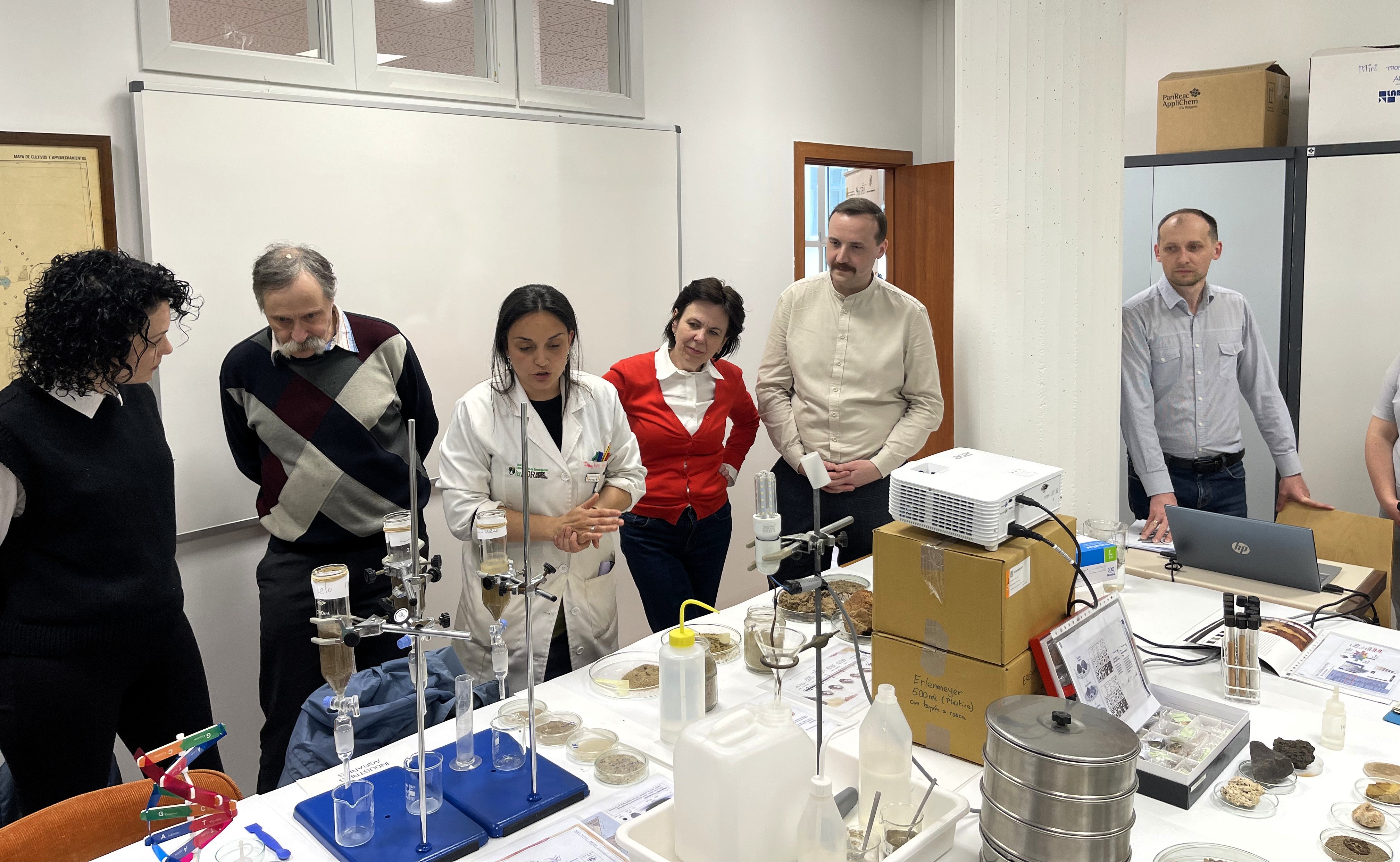
During the meeting, interesting master classes on didactic teaching methods from professors Olaya MEDÍAVILLA and Ruth MARTÍN were organized for participants. Also, in the laboratory of soil science Prof. Daphne LÓPEZ-MARCOS conducted a master class on the application of modern didactic approaches to training in the preparation and conduct of laboratory classes in soil science. Participants actively participated in discussions and practical experiments, and at the end exchanged their views and received feedback on the effectiveness of didactic methods in the teaching and learning process.
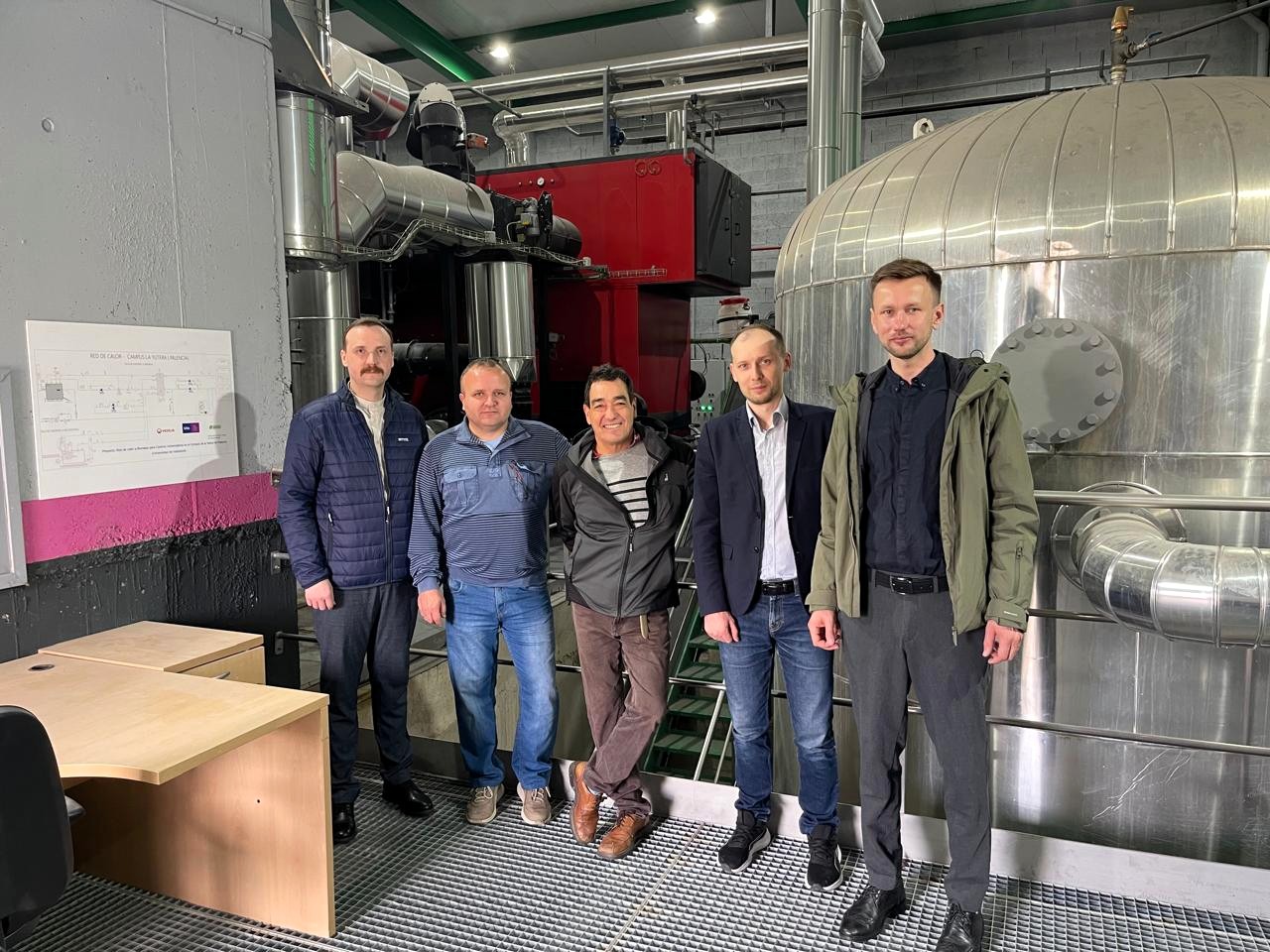
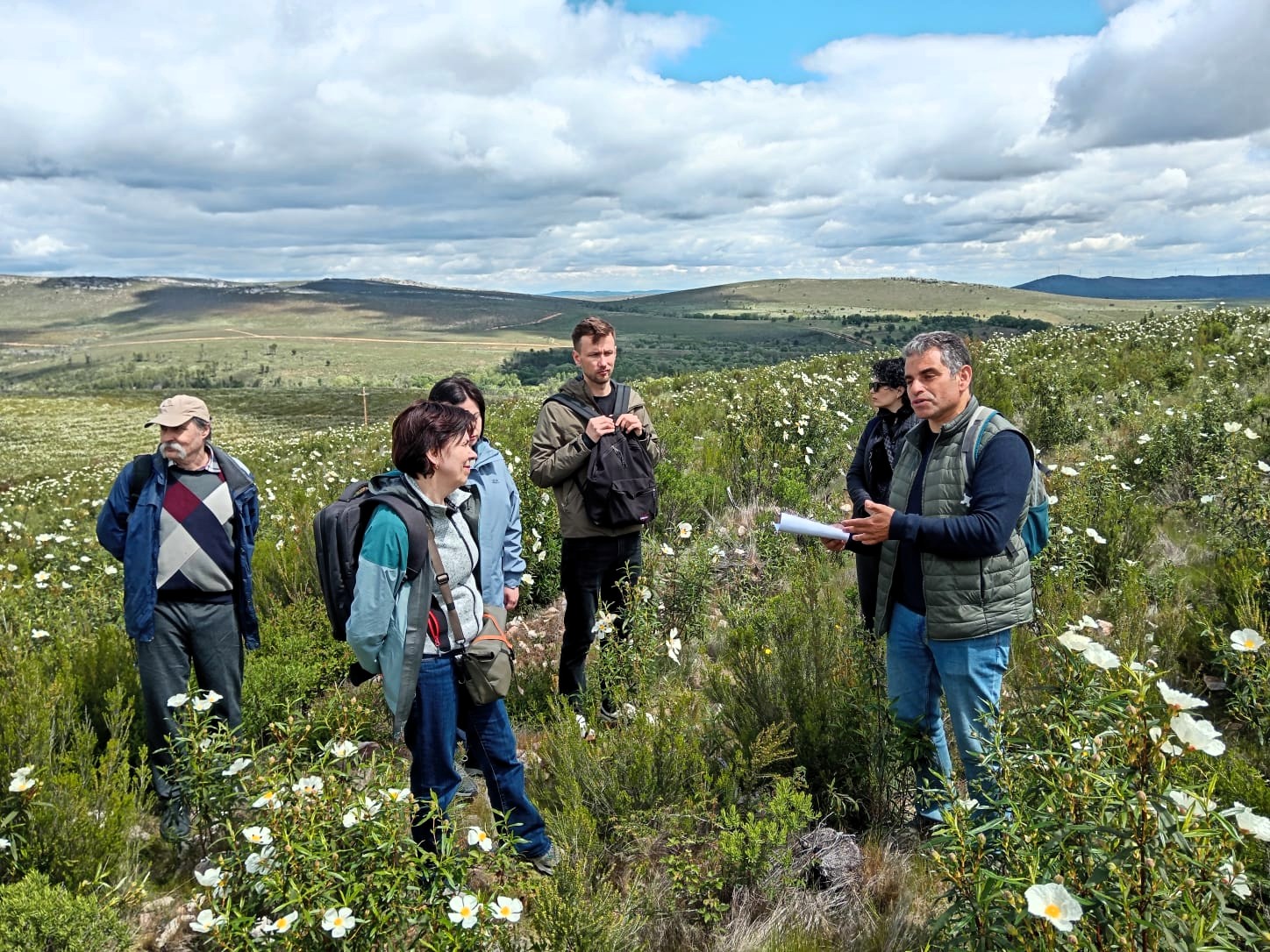
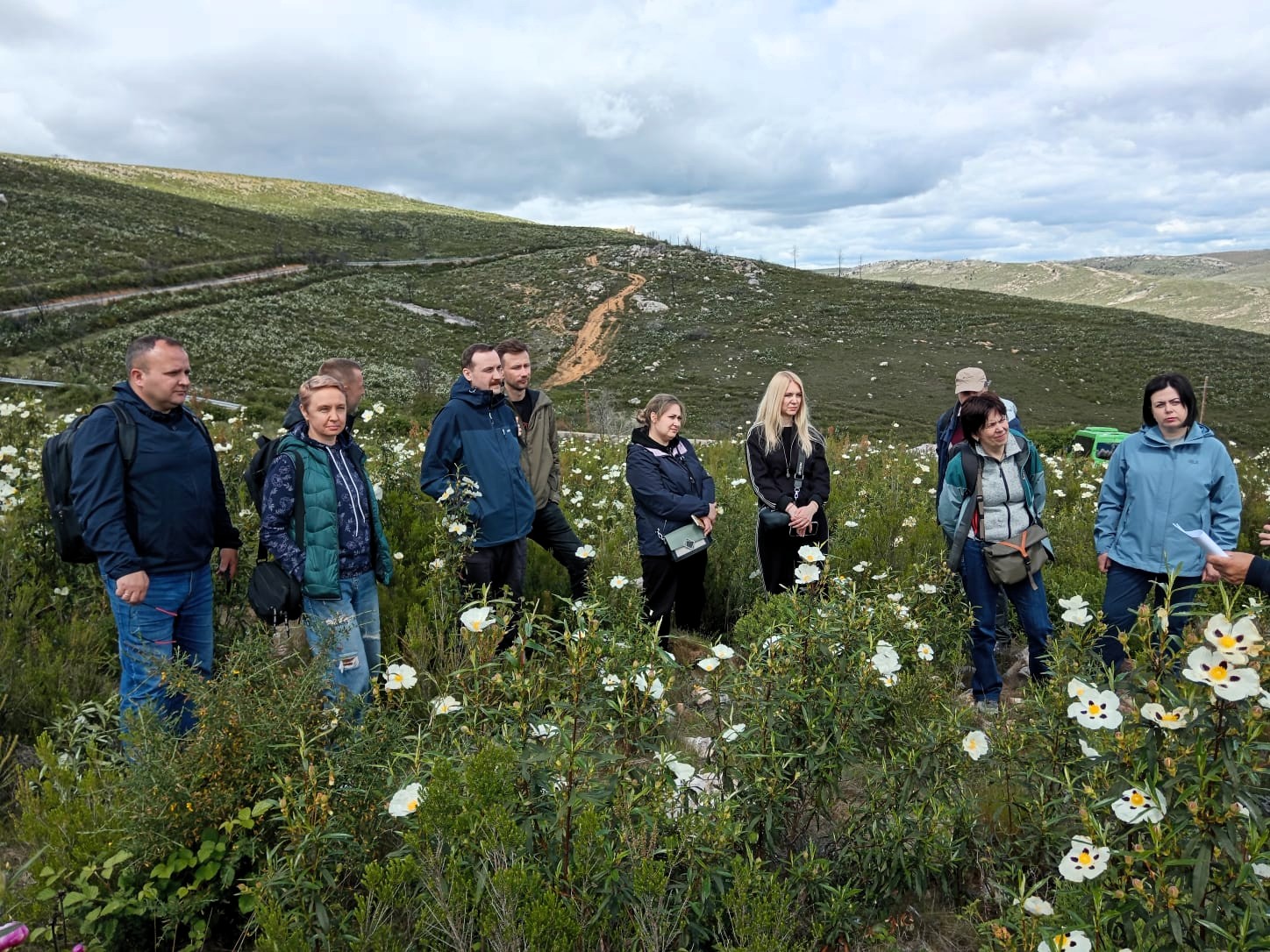
Field trips became an important part of the internship. Together with the professor Pablo MARTÍN the participants visited the territories bordering Portugal that were affected by a large-scale fire in 2022. Scientists were presented with the results of a study of environmental changes and post-pyrogenic successions caused by forest fire, as well as deep socio-environmental causes of such disasters. It turned out that the massive outflow of population from villages to cities in the 1970s led to the decline of agricultural land and the accumulation of combustible materials (shrubs and dry vegetation). The landscape, which was previously mosaic due to arable lands and pastures, became uniform with significant reserves of plant combustible materials, which made fires unmanageable.
A separate problem is the decentralization of fire protection: responsibility is divided between the forest service and municipalities, which makes it difficult to coordinate actions. During the trip, participants were also able to assess the effectiveness of fire breaks and observe the natural restoration of pyrophytic vegetation, in particular species of the genus Cistus.
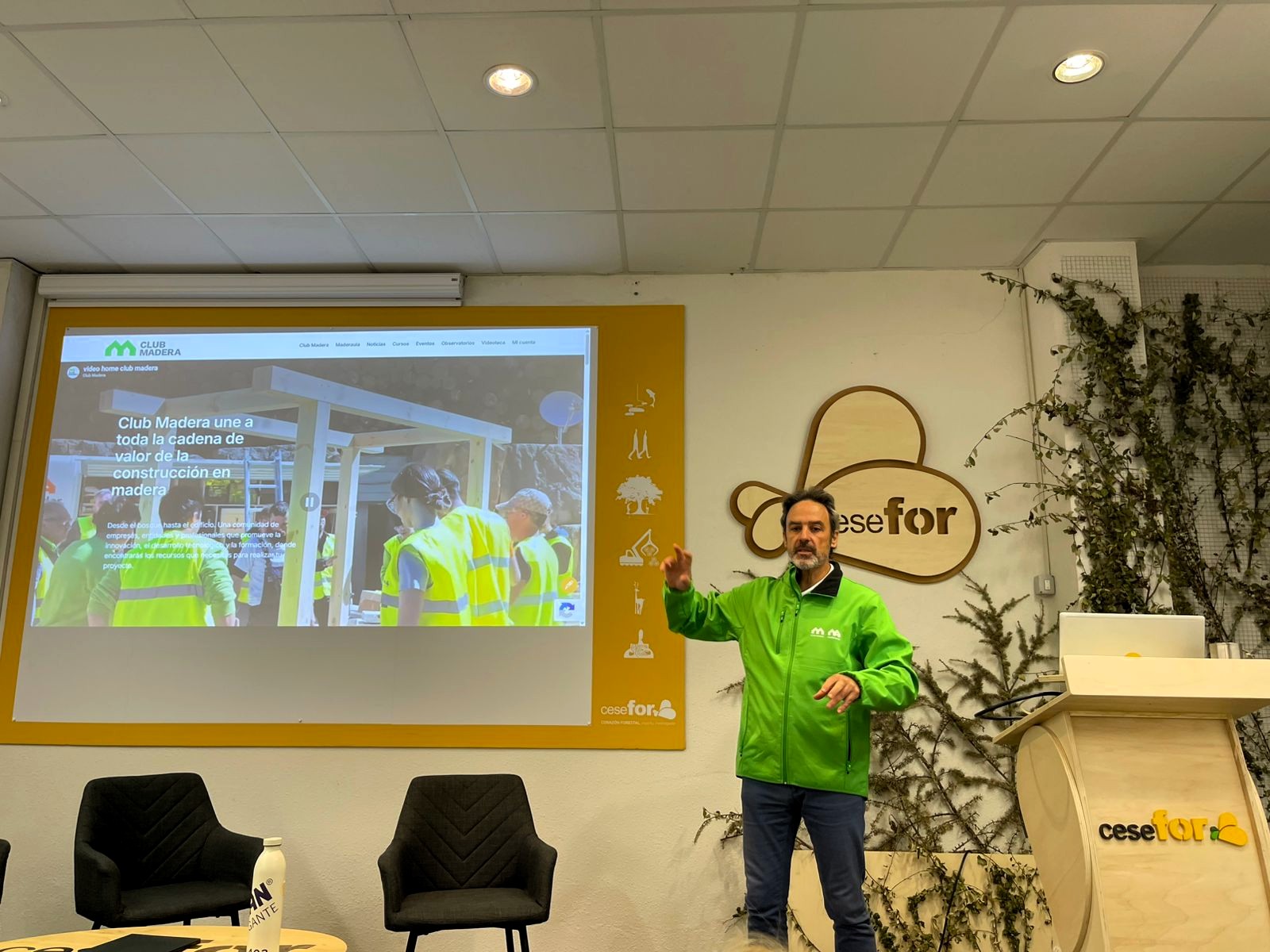
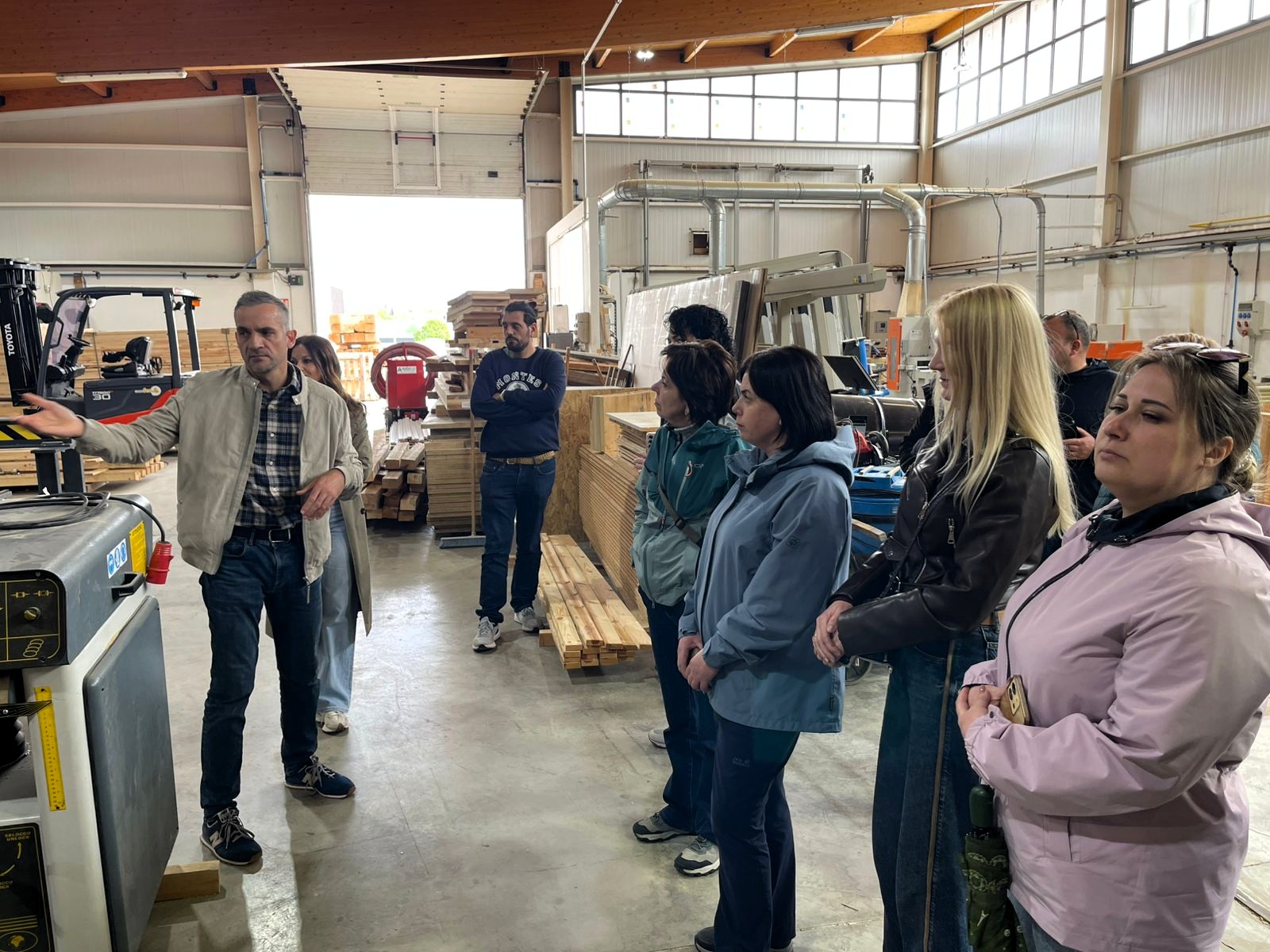
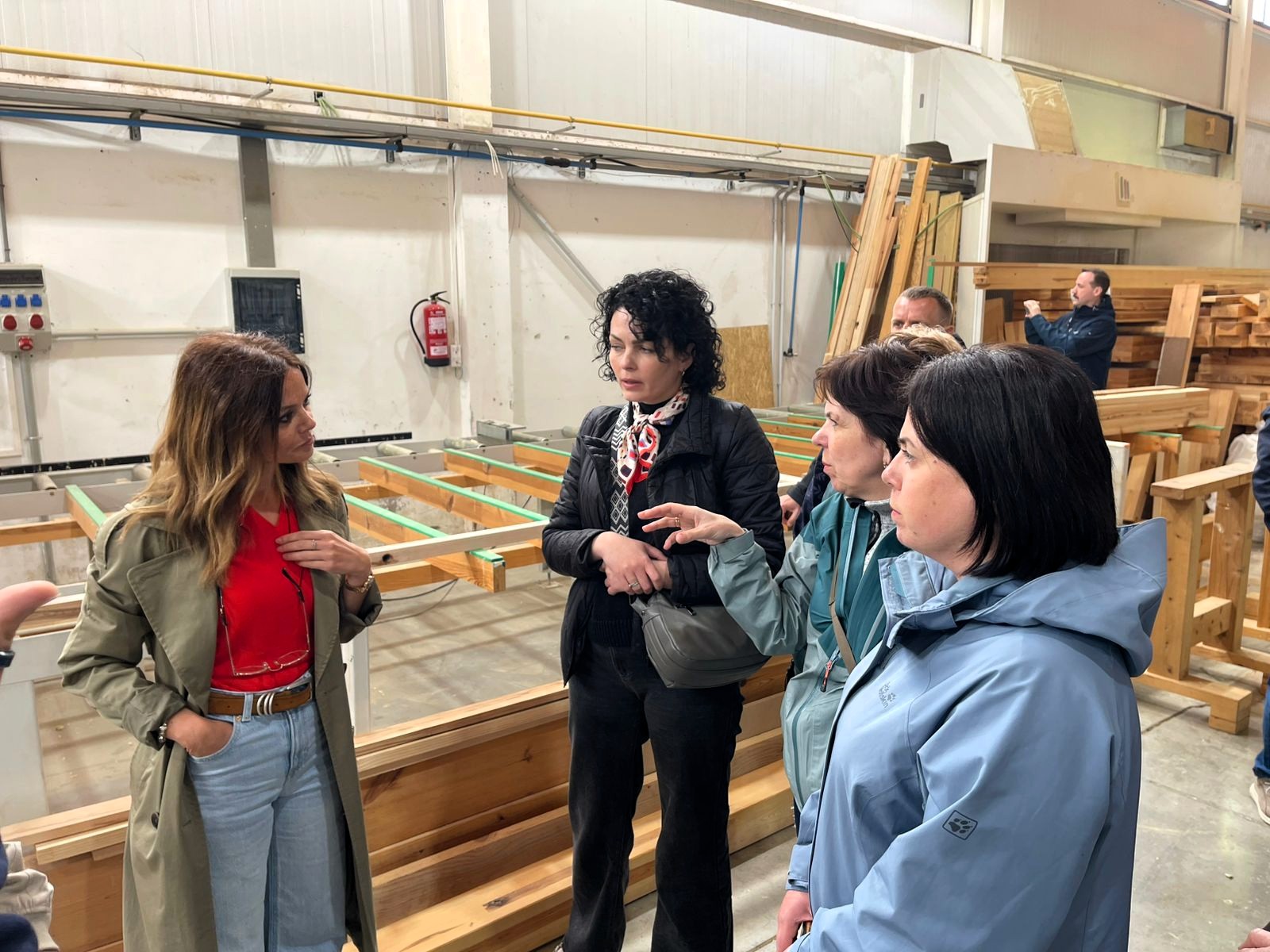
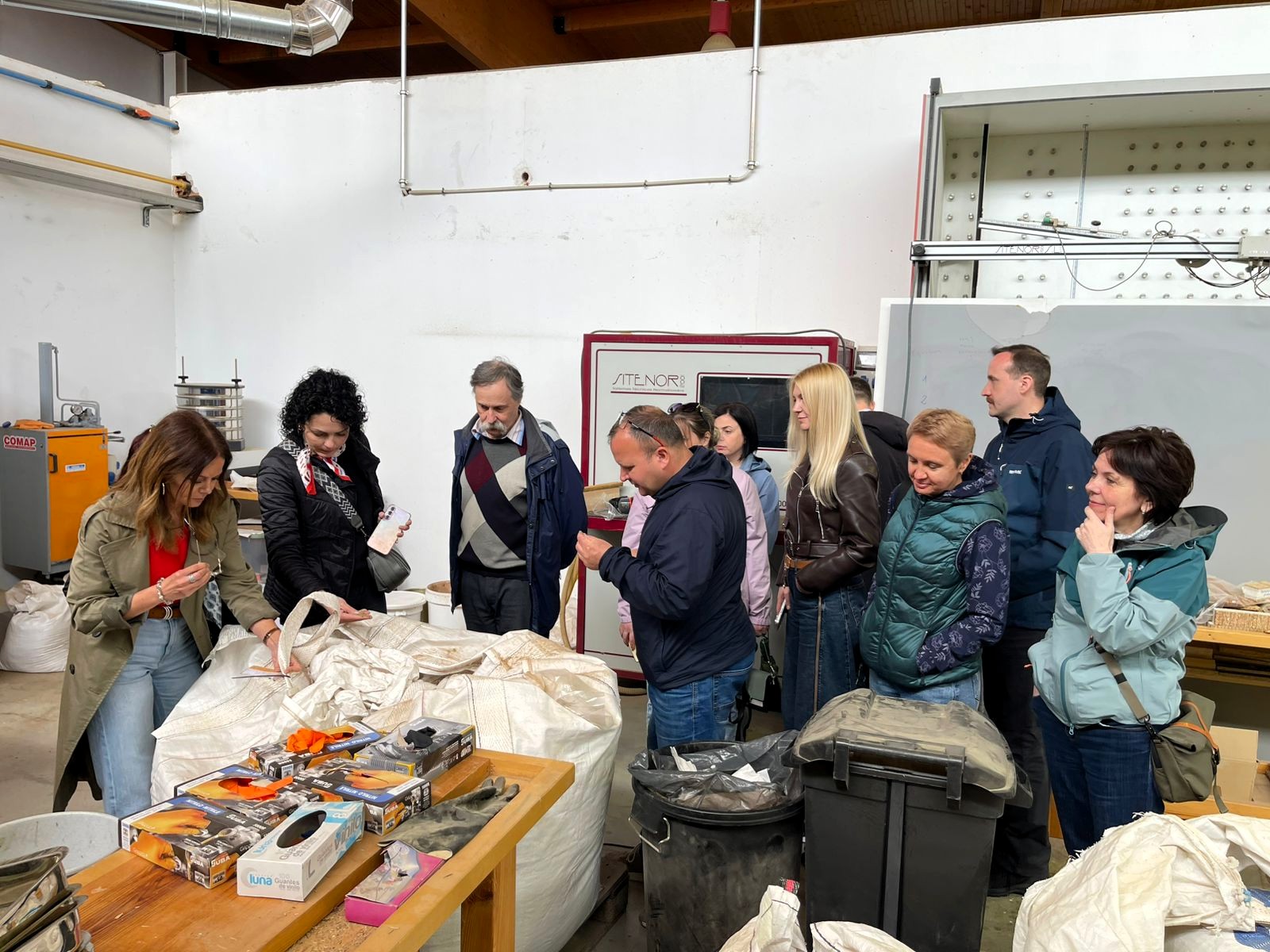
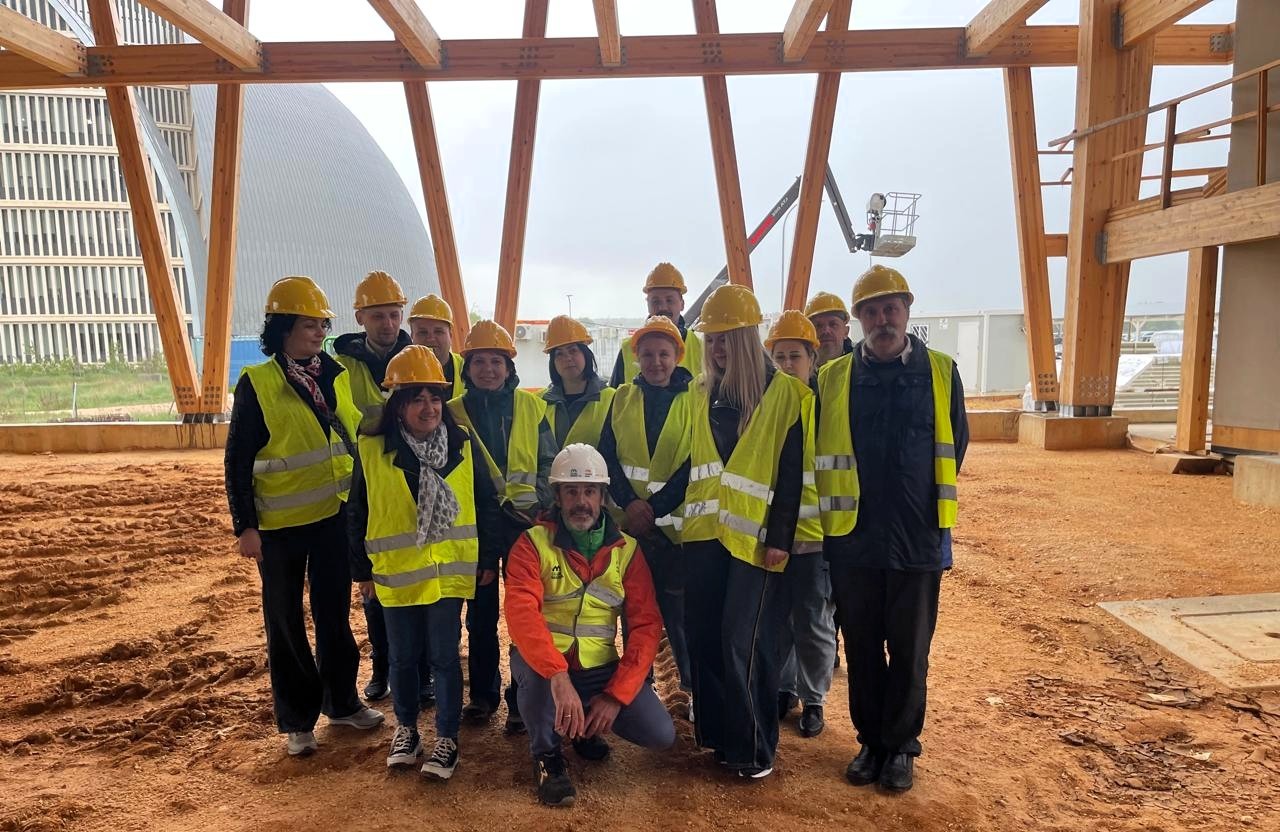
A separate day of the spring school was devoted to industrial wooden construction — a topic that is critical for the ecological restoration of Ukraine. In the city of Soria under the guidance of a professor Milagros CASADO the Ukrainian delegation got acquainted with the work of the organization CESEFOR and initiatives of Club Madera and Madera Aula. Participants were presented with modern approaches to the construction of energy-efficient frame buildings with a high level of factory readiness of structures. The Spanish experience demonstrates an effective solution to the problem of personnel shortages (in particular installers) through short-term intensive training programs developed in close cooperation between education and business. This practice-oriented model is extremely relevant for the modern Ukrainian labor market.
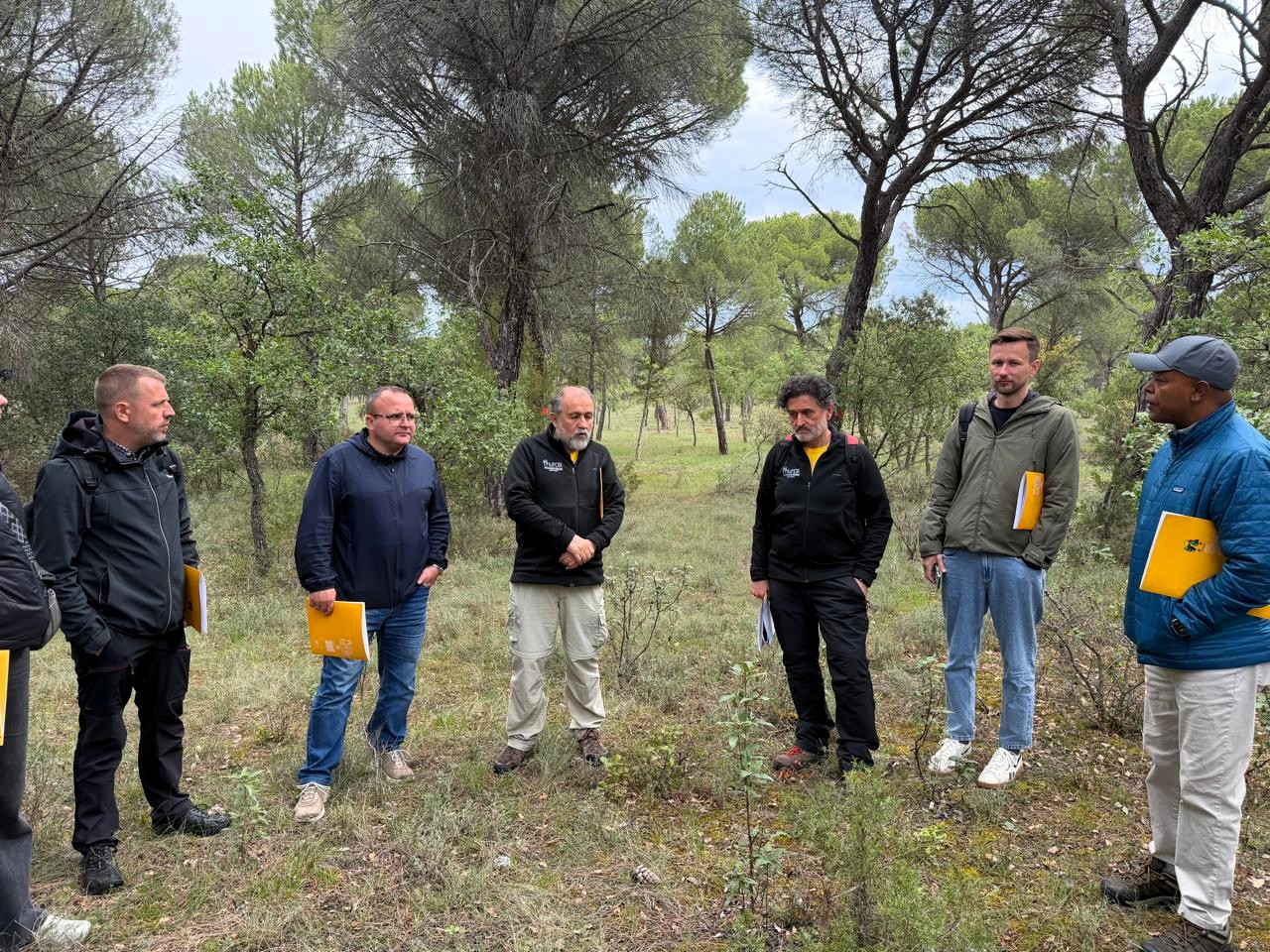
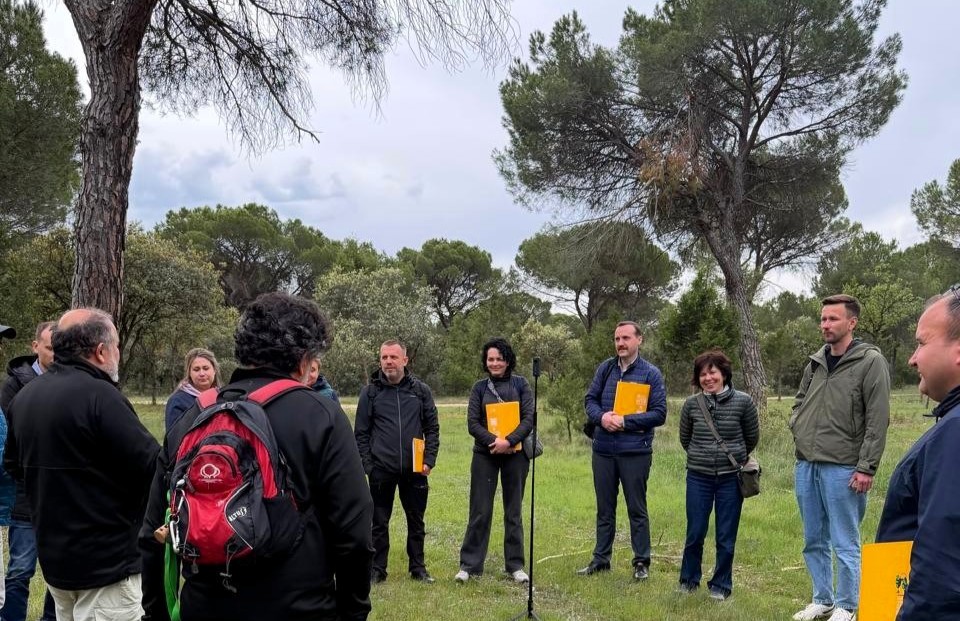
The field trip to the forest ecosystems of the Mediterranean climate was extremely informative, where the professors Felipe BRAVO and Cristóbal ORDOÑEZ who introduced the participants to forestry experiments at marteloscope sites. At these sites, scientists study how the spatial structure of forest stands changes as a result of forestry activities. Of particular interest was the introduction to the system of growing pine stands, the main purpose of which is to harvest nuts. On the same day a professor Temesgen HAILEMARIAM from the University of Oregon joined the group and was participating in a professional discussion about using various sampling and LIDAR scanning techniques to study forests.
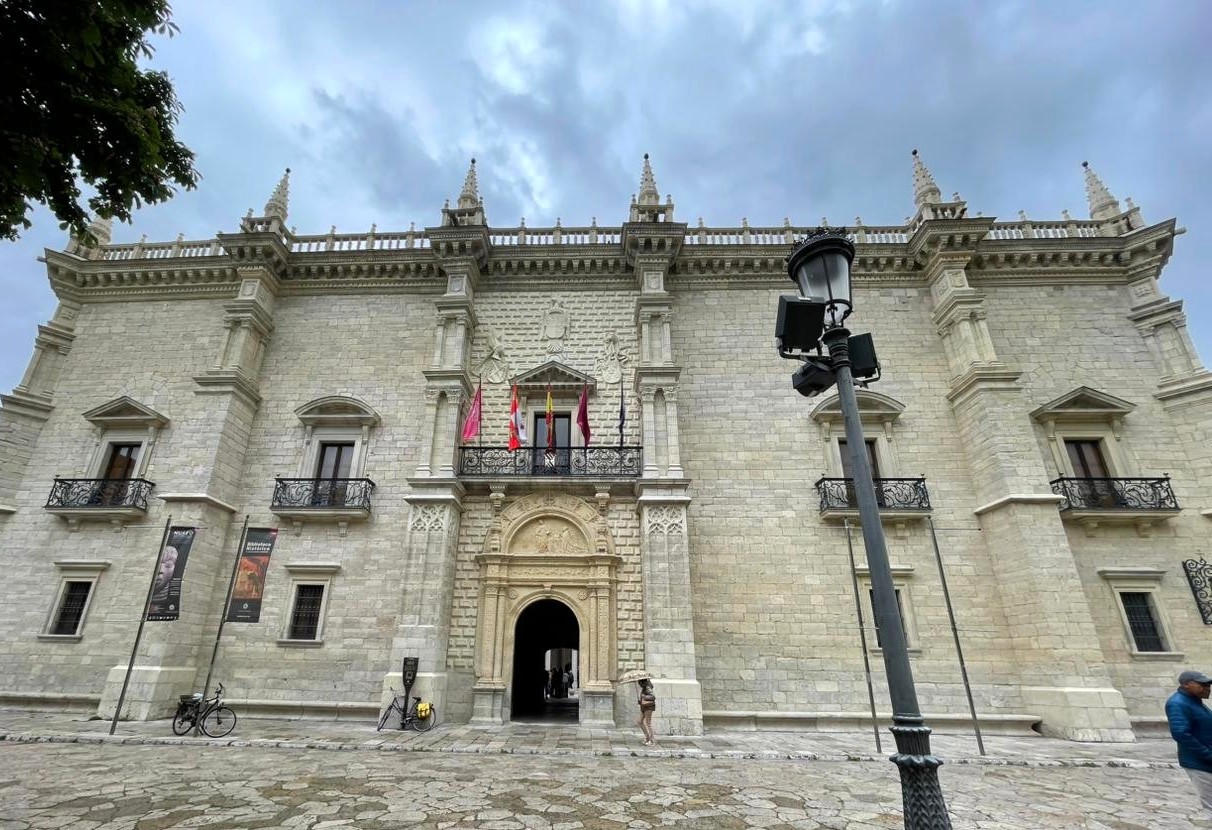
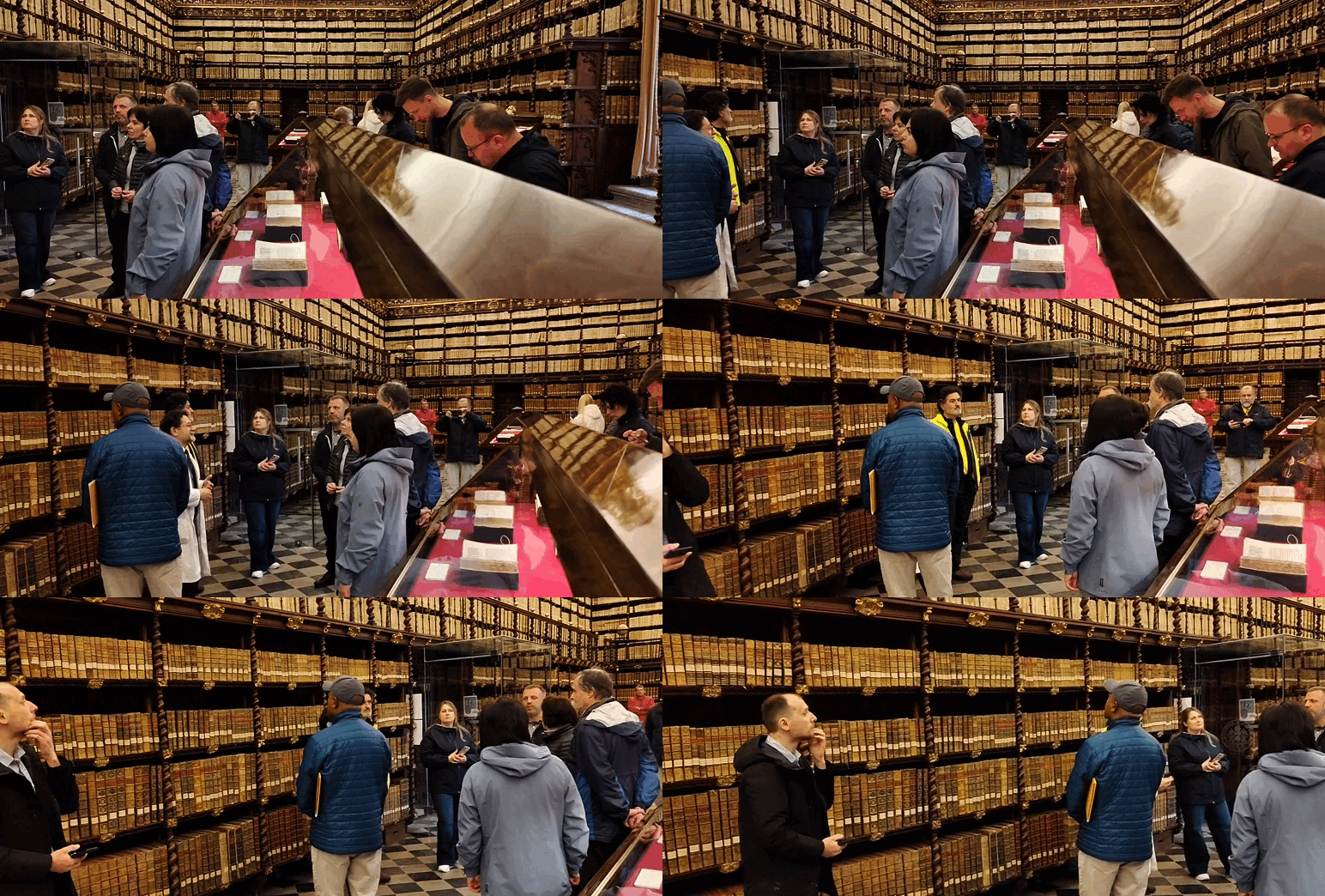
At the end of the program, the participants of the summer school visited the historical library of the University of Valladolid — Universidad de Valladolid Biblioteca Santa Cruz, in the funds of which rare publications of the XVII century are kept.
The experience gained during the spring school was an important step in strengthening international academic cooperation and modernizing educational programs in the field of Forestry, woodworking technologies and sustainable development. The participants not only got acquainted with the best European teaching and applied research practices, but also received valuable ideas for adapting modern approaches to the needs of the post-war reconstruction of Ukraine. Visit to the University of Valladolid (Universidad de Valladolid) once again confirmed the importance of international partnership in training a new generation of specialists who can effectively respond to the environmental, social and economic challenges of our time.