
Environmental Biotechnology and Bioenergy
| Field of Study | G Engineering, Manufacturing and Construction |
| Specialty | G21 Biotechnology and Bioengineering |
| Education Level | Magister |
| Form | Full-time (day) |
| Scope | 90 ECTS credits |
| Duration | 1 year, 4 months |
| Institute/Faculty |
Faculty of Plant Protection, Biotechnology and Ecology
|
| Department |
Ecobiotechnology and Biodiversity
|
About the Program
The “Environmental Biotechnology and Bioenergy” educational and professional program is based on a competency-based approach and is designed to train highly qualified specialists capable of developing and implementing innovative biotechnological solutions for environmental protection, the restoration of natural resources, and the development of bioenergy, the results of which demonstrate scientific novelty and practical significance for the sustainable development of the agricultural sector and the bioeconomy.
The primary focus of the educational and professional program is on training specialists capable of solving complex specialized tasks and practical problems in the field of environmental biotechnology and bioenergy, particularly in the context of sustainable natural resource management, bioremediation of contaminated ecosystems, waste processing, and the production of renewable energy sources using biotechnological methods.
The program’s overall focus is on: the application of modern biotechnological, microbiological, and molecular biological methods; the design and optimization of biotechnological processes; environmental safety and the assessment of biotechnology’s impact on the environment; the management of biotechnology and bioenergy projects; analytical control and monitoring of biotechnological processes; and professional communication and interdisciplinary collaboration.
A special focus of the program is on: bioremediation of soils and aquatic ecosystems; bioconversion of organic waste and biomass byproducts; microbial and enzymatic technologies in bioenergy (biogas, bioethanol, biodiesel); phyto- and microbial technologies for the restoration of contaminated agricultural landscapes; biotechnologies for the treatment of wastewater and gas emissions; and molecular-genetic approaches to the design and selection of producers for environmental biotechnology and bioenergy.
Purpose of the Educational Program
The goal of this educational and professional program is to train specialists capable of organizing and conducting research, project, and production-technology work, as well as analyzing and evaluating their effectiveness and identifying solutions to contemporary environmental challenges; to plan and manage research, scientific-technical, and/or production projects in the fields of biotechnology and bioenergy, based on current trends in the development of science, technology, and society; implementing the most effective biotechnological methods and techniques in practical production activities based on an assessment of the effectiveness of advanced biotechnologies, taking into account general trends in the development of cutting-edge biotechnologies in the world’s leading countries.
Subject Area of the Educational Program
Field of Study G “Engineering, Manufacturing, and Construction.”
Major G21 “Biotechnology and Bioengineering.”
Field of study and research: biological systems (microorganisms, cells, biocenoses) and biotechnological processes for their application in environmental protection, the restoration of natural resources, and the production of energy from renewable biomass and waste.
Learning Objectives: To develop the ability to solve complex specialized problems and practical challenges, and to conduct research, design, and optimize biotechnological processes in the fields of environmental biotechnology and bioenergy, which involves the application of modern biological, engineering, and environmental approaches and the development of new technological solutions.
The theoretical content of this subject area is based on the concepts and principles of biotechnology, microbiology, molecular biology, biochemistry, ecology, and bioprocess engineering, which define the principles governing the functioning of biotechnological systems used for environmental and bioenergy purposes.
Methods, techniques, and technologies: microbiological, molecular biological, biochemical, and analytical research methods; methods for culturing cells and microorganisms; biotechnologies for bioremediation and bioconversion of waste and biomass; bioenergy technologies; methods for designing, modeling, and optimizing biotechnological processes; methods for environmental monitoring.
Tools: biotechnology laboratory and pilot-scale equipment (bioreactors, fermenters, culture systems), analytical instruments for physicochemical and molecular biological analysis, equipment for environmental monitoring and bioenergy research, and specialized software for data processing and bioprocess modeling.
Features of the Educational Program
The program is designed to achieve the learning outcomes that define its subject area in the field of environmental biotechnology and bioenergy. The program is delivered in small academic groups and employs a differentiated approach for students pursuing a second-level (master’s) degree in both full-time and part-time formats, taking into account their educational and professional backgrounds.
The practical component of the program involves conducting research and project work, as well as completing industrial and pre-thesis internships at research laboratories, biotechnology companies, and environmental and bioenergy institutions, with the results documented in a master’s thesis.
The program focuses on training specialists capable of developing and implementing biotechnologies for environmental bioremediation, the bioconversion of waste and biomass, and the production of bioenergy—in particular, to address pressing issues related to the restoration and sustainable use of natural resources in Ukraine’s agricultural sector and bioeconomy.
Employment
Employment: According to the current version of the National Classifier of Ukraine: Classifier of Occupations DK 003:2010 (as amended on January 16, 2024) and the International Standard Classification of Occupations (ISCO-08), a graduate with the professional qualification “Master of Biotechnology and Bioengineering” may be employed in positions with the following job titles: biotechnologist (2211.2), junior research associate (biology) (2211.1); research associate (chemical technology) (2146.1), or hold the following entry-level positions: laboratory manager (research, production preparation) (1237.2); process engineer (chemical technology) (1246.2); research consultant (chemical technology) (2146.1).
Further Study
Training for professional development and self-improvement in scientific and professional fields, as well as other related areas of scientific knowledge:
-
educational and research programs leading to a Doctor of Philosophy (Ph.D.) degree in the specialty G21 “Biotechnology and Bioengineering” and related specialties;
-
educational programs, research grants, and scholarships (including those abroad) that include additional educational components and provide for the deepening of knowledge and the acquisition of research experience in the fields of environmental biotechnology, bioenergy, and the bioeconomy;
-
postgraduate education and professional development programs in the fields of biotechnology, ecology, bioenergy, natural resource management, and related disciplines.
Additional Information
The educational and professional program is aligned with the University’s Development Strategy and is aimed at training specialists to meet the needs of Ukraine’s biotechnology, agricultural, environmental, and energy sectors. The program is implemented with the involvement of faculty members from the relevant and related departments, as well as industry professionals and employers.
The program provides for the use of the university’s modern laboratory and research facilities, as well as the participation of students in research projects, conferences, competitions, and academic mobility programs, including international ones. Students have the opportunity to tailor their own educational path through elective courses.
A distinctive feature of the program is its interdisciplinary nature and its focus on the application of biotechnologies for environmental bioremediation, the bioconversion of waste and biomass, and the production of bioenergy to address pressing environmental and resource challenges in the agricultural sector and support Ukraine’s postwar recovery.
Stakeholder Feedback
-
Контактний телефон: (044) 527-85-17
-
E-mail: [email protected]
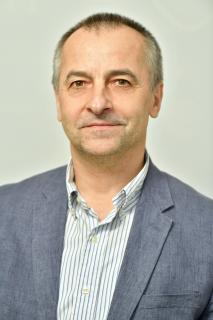
Program Guarantor:
The “Environmental Biotechnology and Bioenergy” educational and professional program was developed in response to the contemporary environmental and resource challenges facing Ukraine and the world. Today, issues such as environmental quality, the restoration of disturbed ecosystems, the rational use of biological resources, and the development of renewable energy require a new type of specialist—one capable of combining a deep understanding of biological processes with technological thinking and a practical approach to problem-solving. Our program is specifically designed to train such specialists. The educational concept is based on the integration of natural science and engineering knowledge and their application to real-world environmental challenges. The educational process is structured so that students not only master modern biotechnological methods but also learn to recognize the interconnections between biological systems, the technologies used to harness them, and the environmental consequences of their implementation. Значна увага приділяється здатності обґрунтовувати вибір технологічних рішень, оцінювати їх ефективність і адаптувати до умов природних та виробничих систем. Зміст програми охоплює ключові напрями екологічної біотехнології: використання мікроорганізмів і біосистем для очищення середовищ існування, перетворення органічної сировини та відходів, отримання біоенергії, відновлення родючості ґрунтів і стабілізації екосистем. Особлива увага приділяється аграрному середовищу як сфері, де поєднуються питання біоресурсів, енергетики та екологічної безпеки, а також завданням відновлення територій, що зазнали техногенного навантаження. Важливою рисою програми є орієнтація на практичне застосування знань: від лабораторних досліджень і моделювання біопроцесів до їх масштабування та впровадження. Такий підхід дозволяє випускникам працювати на межі науки й технології - там, де створюються та реалізуються біотехнологічні рішення для довкілля й біоенергетики. Як гарант, я розглядаю цю програму як простір професійного становлення фахівців, які здатні мислити системно, діяти відповідально щодо природних ресурсів і застосовувати біотехнологію як інструмент екологічно збалансованого розвитку. Ми прагнемо, щоб випускники не лише володіли сучасними знаннями, а й усвідомлювали свою роль у формуванні безпечного та стійкого природного середовища майбутнього.