

The Institute of Forestry and Landscape-Park Management has launched a new unit — the Center for Sustainability Communications of the Forest Sector
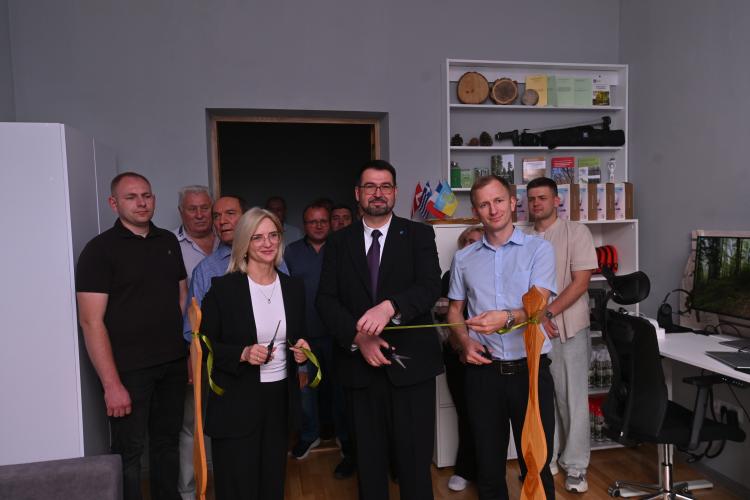
The Educational and Research Institute of Forestry and Landscape-Park Management has opened the Center for Sustainability Communications of the Forest Sector — a new, cutting-edge space for developing science communication skills, exchanging knowledge, and fostering dialogue between science, business, and society within the Erasmus+ ForestPost project.
With the start of the new academic year, the Educational and Research Institute of Forestry and Landscape-Park Management presented the Center for Sustainability Communications of the Forest Sector.
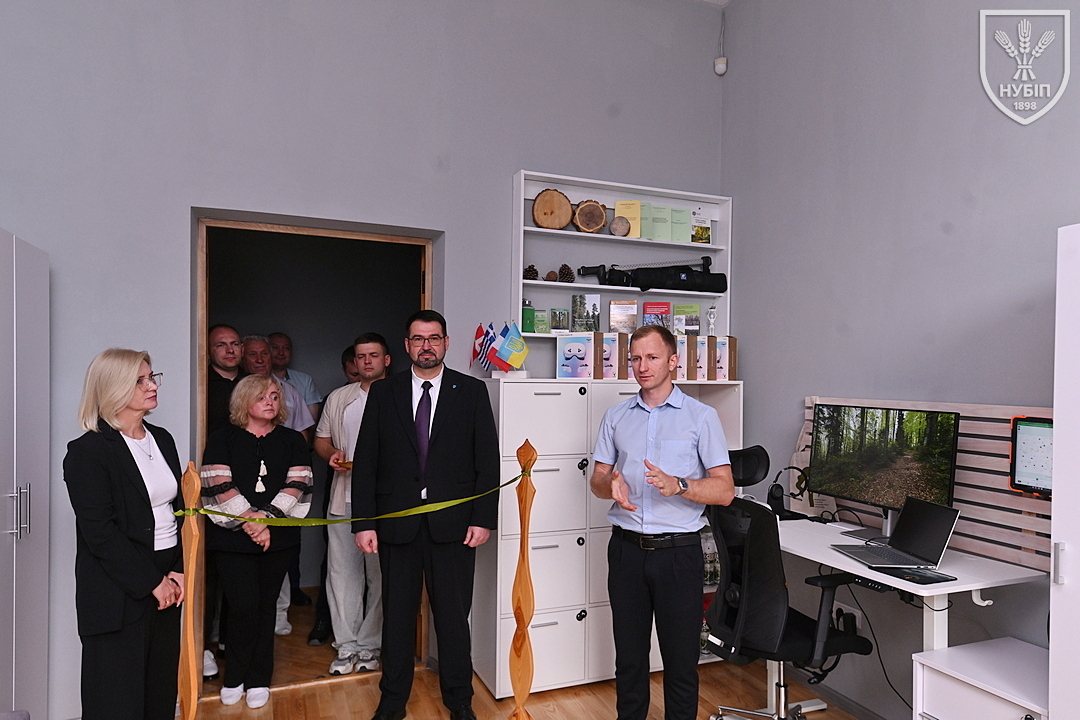
The Center was established within the international Erasmus+ project ForestPost — "Modernizing Master Programmes to Support Forest Sector Transformation towards Ukraine's Post-War Green Rebuilding," aimed at modernizing master's degree programmes and strengthening the capacity of Ukraine's forest sector for sustainable transformation and post-war green rebuilding. The Center operates as a structural unit of the Department of Forestry and is located in room No. 91 of Academic Building No. 1.


Speaking at the opening, Olena Glazunova, Vice-Rector for Academic and Pedagogical Work and Digital Transformation, emphasized the value and importance of establishing such a center. Its creation marks an important step in strengthening the role of NUBiP of Ukraine as a space where scientific knowledge, education, and society interact to address today's sustainable development challenges.
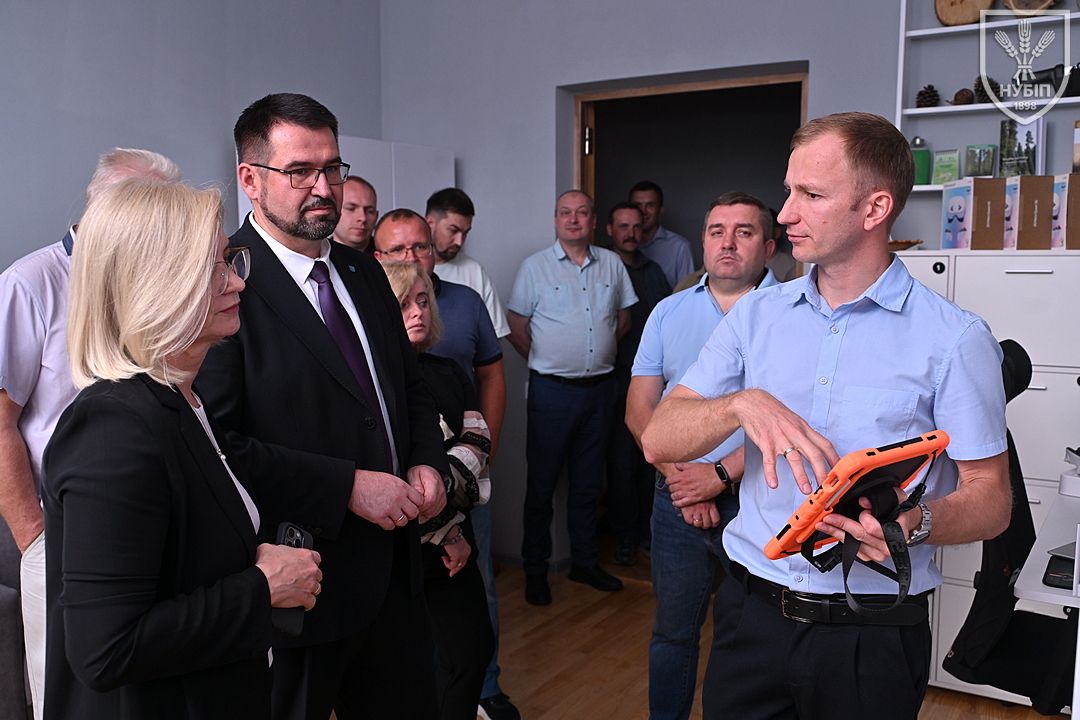
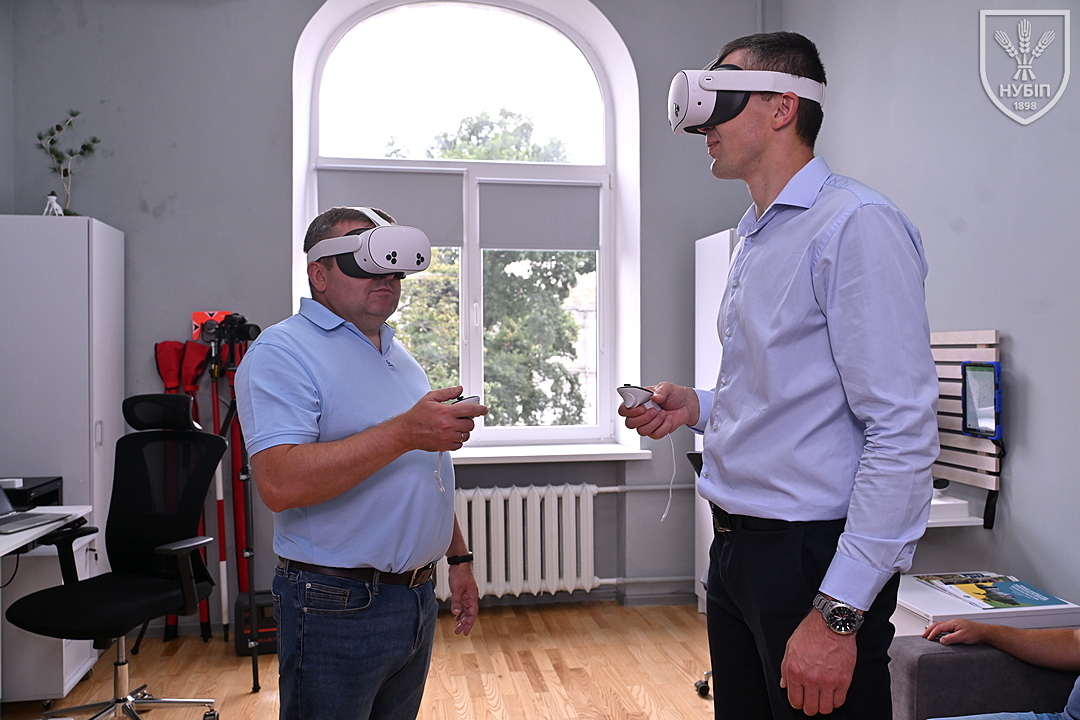
"The key areas of the Center's work will include the development of scientific and public communication on sustainable development, as well as building the skills needed to effectively communicate scientific and environmental knowledge," says Oleksandr Soshensky, Head of the International Projects Department and Head of the Center. The newly established Center will serve as a platform for developing communication competencies, disseminating science-based environmental information, exchanging knowledge, and fostering interdisciplinary cooperation. To this end, three specialized workstations have been equipped with all the necessary tools for researchers, and 15 sets of VR headsets have been provided for students.
The Center's mandate extends beyond communication alone. Its other areas of work include coordinating sustainability-related activities across various spheres of university life, conducting fundamental and applied research to address pressing issues in the agrarian and environmental sectors, and integrating educational, research, and innovation activities as a way to train specialists with "green skills" for Ukraine's agro-industrial and environmental protection sectors. The Center may also provide information and consulting services on a commercial basis.

The Center's activities will also include educational events, seminars, trainings, discussions, public lectures, and other communication initiatives aimed at fostering a culture of sustainable development and raising environmental awareness. A dedicated initiative will be the thematic podcast "Eco-innovations for Forest Sector Green Rebuilding," which will cover sustainable practices and green transformations in the forest sector. Particular attention will be paid to ensuring that research findings and professional knowledge do not remain confined to academia, but instead become the basis for informed decisions, practical action, and constructive dialogue among researchers, educators, students, professionals, and representatives of government, business, and civil society.

The Center's outreach activities target more than just the academic community: a separate focus is on promoting forestry education and environmental innovation among schoolchildren and the general public, as well as helping young people and researchers develop practical skills in presenting research results to different audiences. Another practical aspect of the Center's work is collecting information on the university's compliance with sustainability criteria and indicators for reporting to international rankings.
Students, faculty, researchers, forest sector representatives, practitioners, experts, civil society organizations, and other stakeholders will all be able to take part in the activities of the Center for Sustainability Communications of the Forest Sector. This format will foster not only the dissemination of knowledge, but also an environment for sharing experience, jointly finding solutions, and developing new partnerships.
Iryna ZIBTSEVA Leading Specialist,
International Projects Department