


Future engineers completed AI-referred courses within the COPILOT project
Future engineers completed AI-referred courses within the COPILOT project
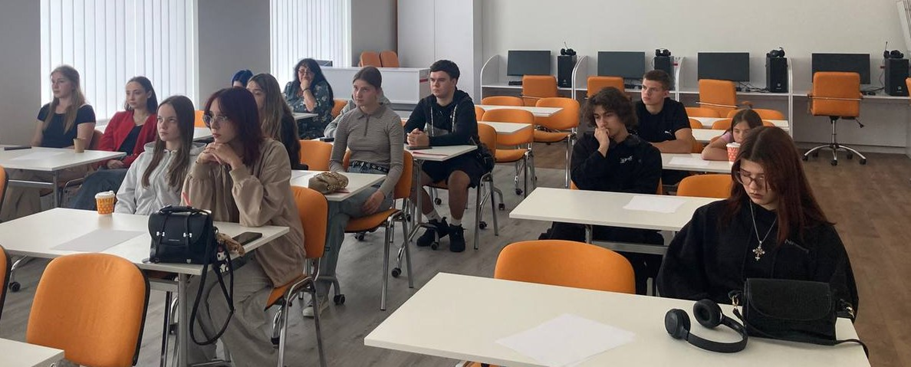
The course “Artificial Intelligence Technologies for the Development of Higher Education Potential (engineering direction)” was completed by a diverse group of students who actively engaged in all planned learning activities and practical sessions.

Over 60 hours of lectures, laboratory work, and individual tasks allowed participants to explore modern AI tools, including machine learning, natural language processing, data analytics, and intelligent automation, and apply them to real-world challenges in engineering education. Under the guidance of instructors Yurii Romasevych and Mykola Korobko, learners participated in hands-on labs, mentoring sessions, and interactive workshops that deepened their understanding of AI in academic settings. Throughout the course, students analyzed educational problems, designed AI-based solutions, evaluated ethical implications, and collaborated in multidisciplinary teams, with a strong emphasis on mechanical and electrical engineering. The program incorporated student-centered learning and project-based methods, allowing participants to take ownership of their progress through active experimentation, teamwork, and reflection.
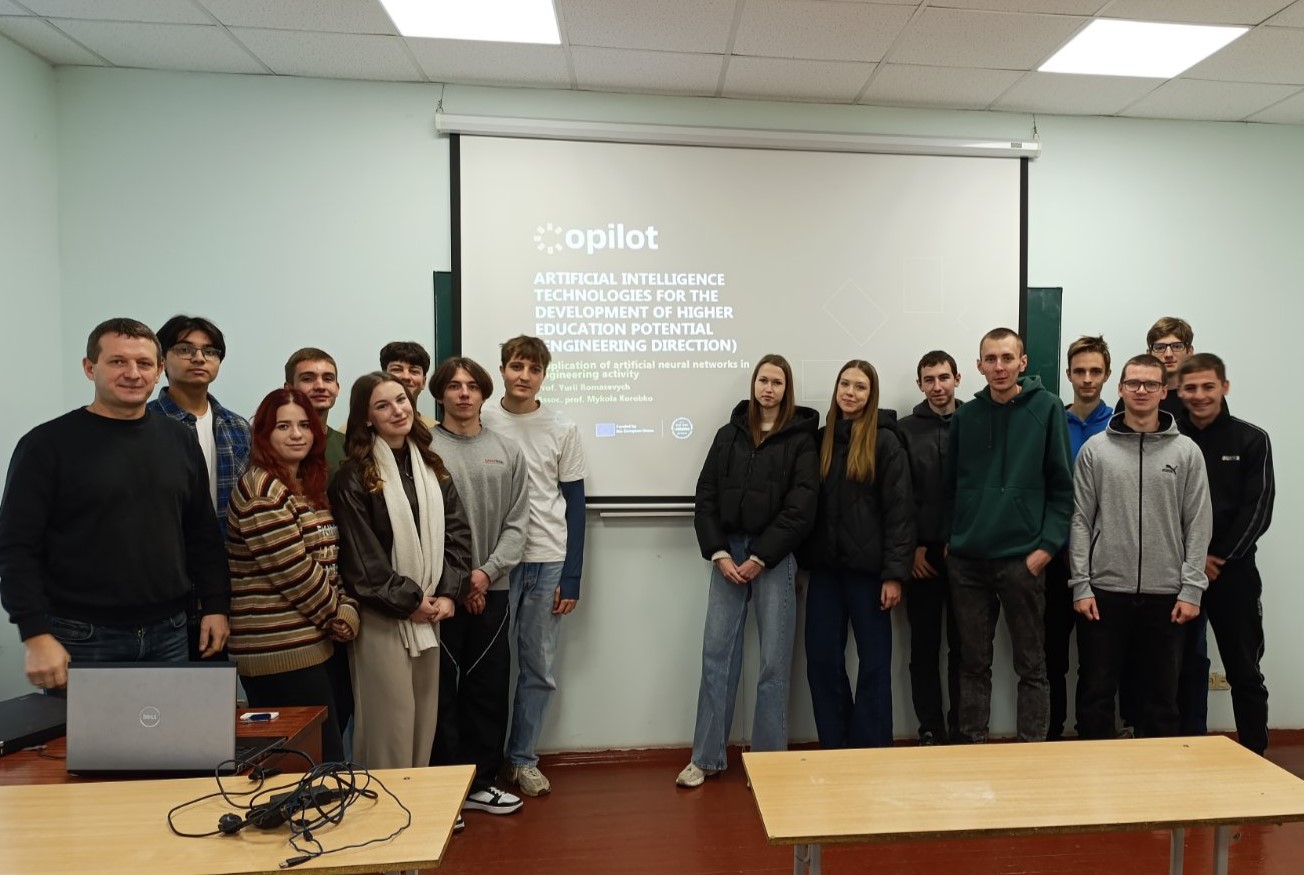
The Double Diamond innovation framework supported the practical phases of the course, guiding students through discovery, problem definition, solution development, and final delivery of AI-enhanced prototypes. Participants also took part in an innovation sprint that fostered rapid idea generation, creative problem-solving, and iterative prototyping, giving them valuable experience in collaborative innovation. Course activities included practical data analysis, implementation of AI tools, prototype development, peer presentations, and reflective discussions, all of which strengthened both technical abilities and pedagogical insight. Scaffolding strategies, including step-by-step guidance, mentoring, peer support, and structured feedback, ensured that learners with diverse backgrounds could participate fully and progress confidently. By the end of the course “Artificial Intelligence Technologies for the Development of Higher Education Potential (engineering direction)”, participants had developed solid competencies in AI application, educational design, teamwork, creativity, and ethical decision-making. They concluded the course by presenting their projects, reflecting on their personal growth, and outlining future steps for continued professional development, particularly in various engineering areas. All students completed the training course, achieving the intended learning outcomes and contributing to a dynamic, innovation-driven educational experience.
Teachers have gained a deeper and more practical understanding of how artificial intelligence can strengthen both teaching and institutional development in higher education, while also recognizing the pedagogical challenges that accompany technological integration. Engaging with AI tools in real educational scenarios helped to understand their potential for personalization, analytics, and automation. Yet, it also highlighted the importance of ethical considerations and critical evaluation when applying intelligent systems to student learning. Moving forward, the teachers who delivered the course plan will expand their expertise by completing advanced AI-in-education training, experimenting with new digital tools in their own teaching practice, and participating in professional learning communities focused on innovative pedagogy. Teachers' other goals include designing more inclusive learning activities for mixed-ability groups and incorporating regular reflection and feedback cycles into their teaching to track student progress better.
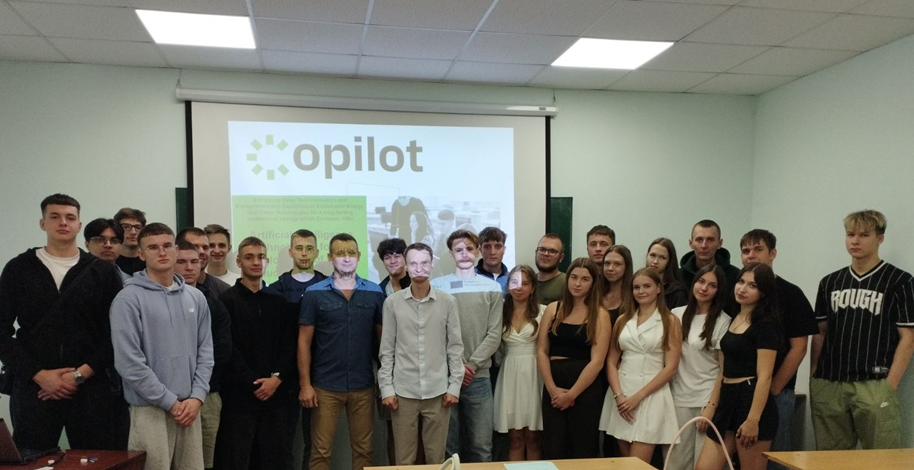
Yurii Romasevych