


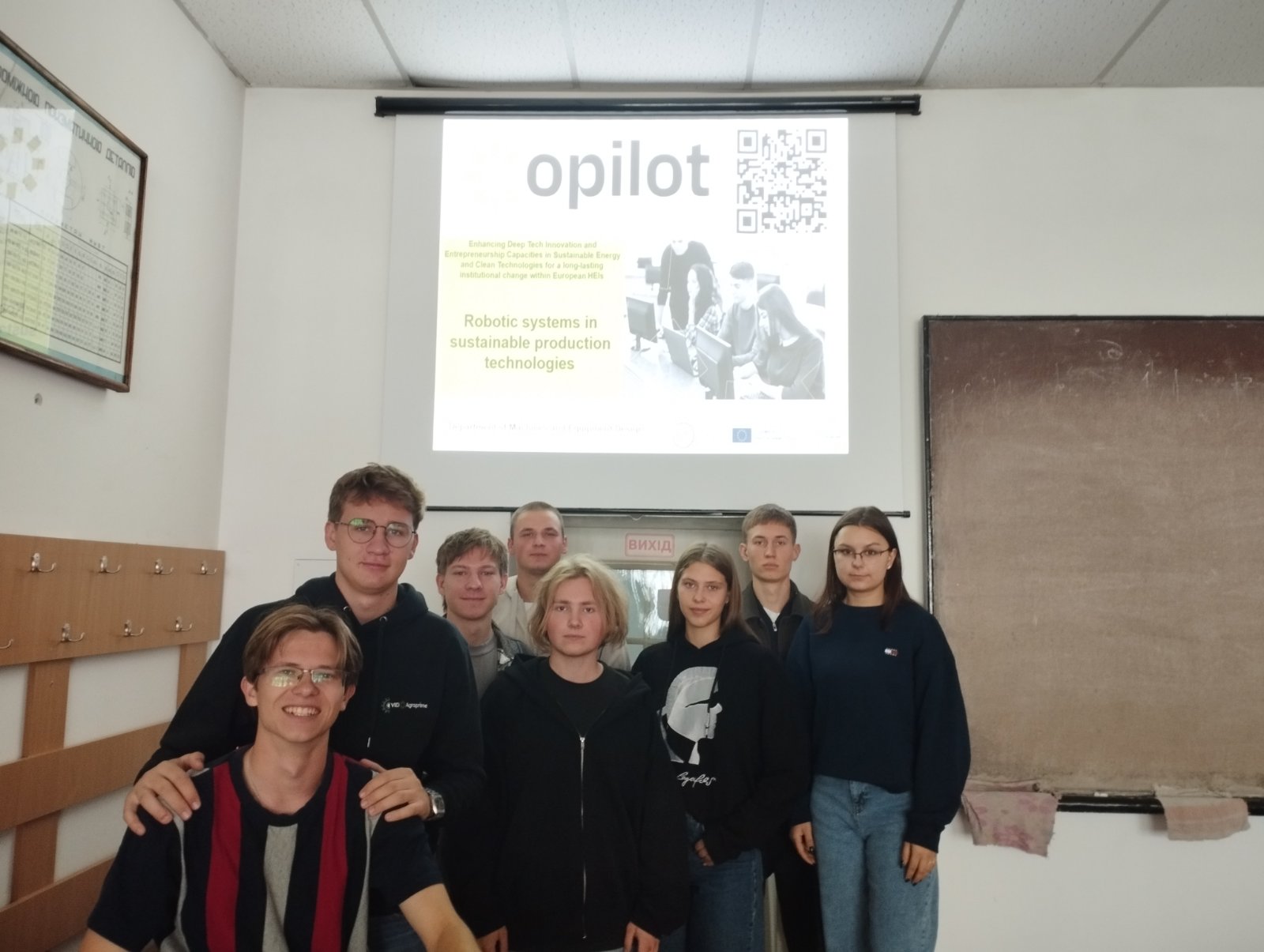
Students’ and teachers’ success in the COPILOT course "Robotic systems in sustainable production technologies"”
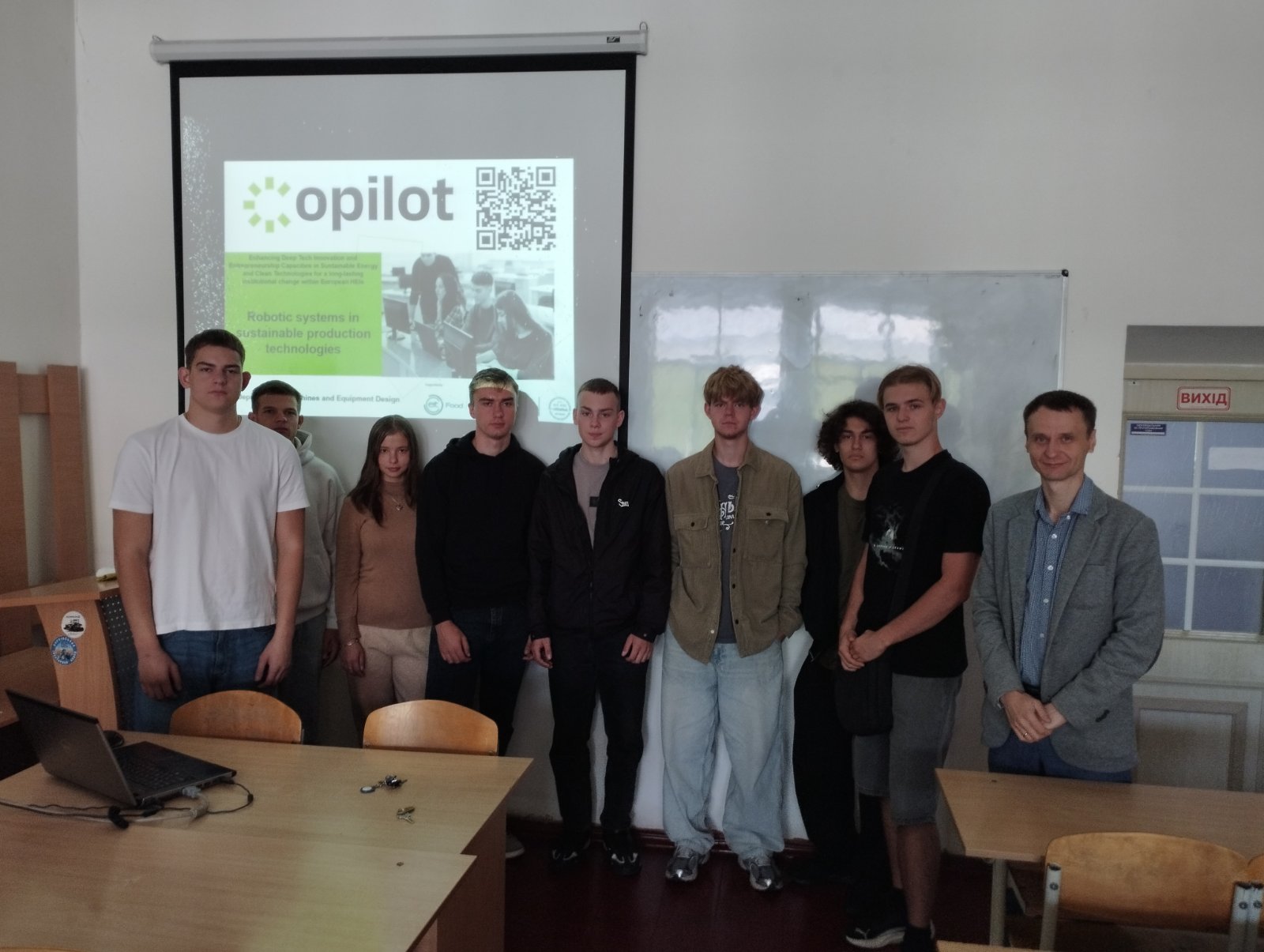
Innovation is commonly defined as the process of creating novel and valuable solutions that improve existing systems, services, or technologies. In the context of sustainable production and robotics, innovation involves integrating advanced robotic systems with environmentally conscious manufacturing practices to enhance efficiency, reduce waste, and optimize resource use. It requires not only technical creativity but also systemic thinking, ethical awareness, and a willingness to experiment with emerging digital tools such as sensors, automation systems, and human–robot collaboration technologies.
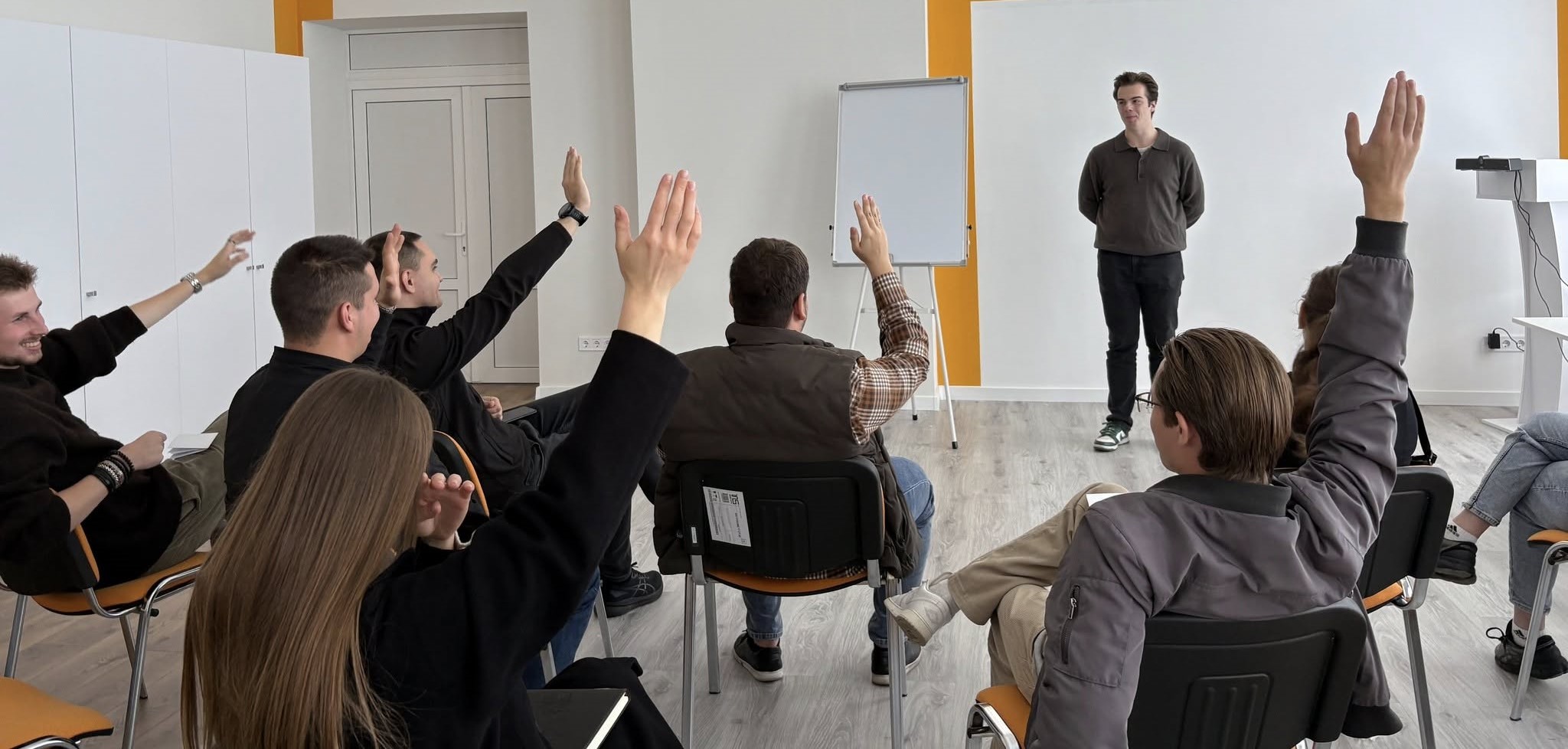
The COPILOT course „Robotic systems in sustainable production technologies” (two ECTS credits) included these goals. It was delivered by instructors Yurii Romasevych and Mykola Korobko. In this course, the students designed robotic solutions, ran simulations, and tested sustainability-oriented production strategies in authentic contexts. Rather than receiving only theoretical knowledge, students engaged in hands-on problem-solving tasks aligned with their prior skills and interests (a format reflected in the course’s mentoring, laboratory sessions, and interdisciplinary participation). In this course, the Double Diamond innovation process provided a valuable framework for understanding. It included four phases: Discover, where students explored problems and gathered insights; Define, where they narrowed their focus to a clearly framed challenge; Develop, where they ideated and prototyped solutions; and Deliver, where the solution was tested, evaluated, and refined. Methods such as interviews, mapping, brainstorming, and rapid prototyping were essential techniques that helped structure students’ work in robotics projects and guided them toward sustainable, high-impact outcomes. Designing a practical course required understanding the characteristics and backgrounds of the students.
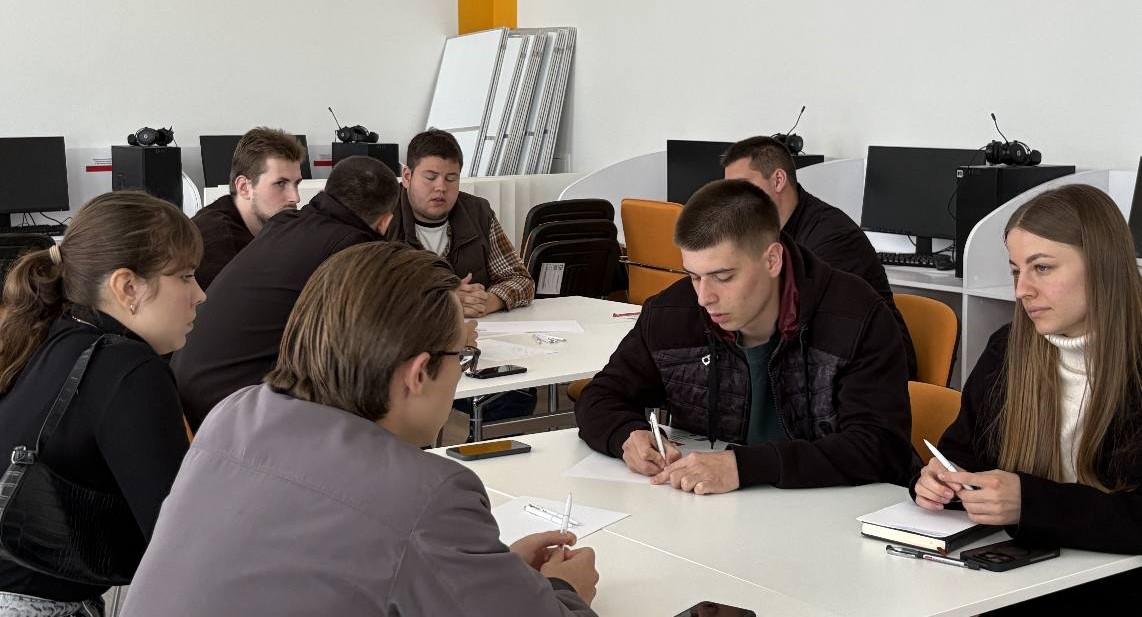
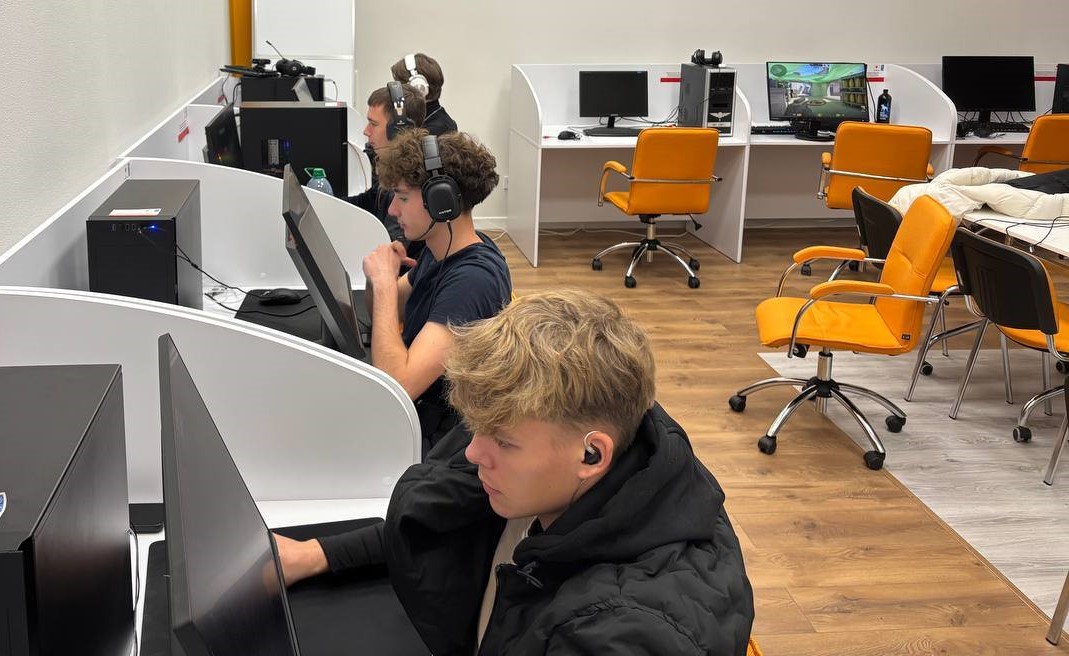
Throughout this course and its design process, instructors have strengthened their understanding of innovation pedagogy, sustainability-focused robotics, and student-centered teaching. Key areas for continued growth include developing more inclusive teamwork strategies and deepening facilitation of creativity techniques. In the future, instructors plan to implement regular reflective checkpoints, expand their repertoire of prototyping tools, and undergo further training on digital manufacturing technologies to support learners better.
Yurii Romasevych