


Modern Applications and Services Practical Workshop lecture 24 October
Architecture-First - from requirements to a working service
Participants progressed from high-level requirements to a running prototype using modern stacks (API design, data modeling, CI/CD, containerized deploys).
Short, targeted labs emphasized testable increments, while mentor check-ins ensured inclusive pacing for students with diverse backgrounds.
By the final week, teams delivered a concise technical report and a live demo, reflecting on trade-offs among speed, quality, cost, and privacy.
Practical Innovation -low-code to code, evidence over hype
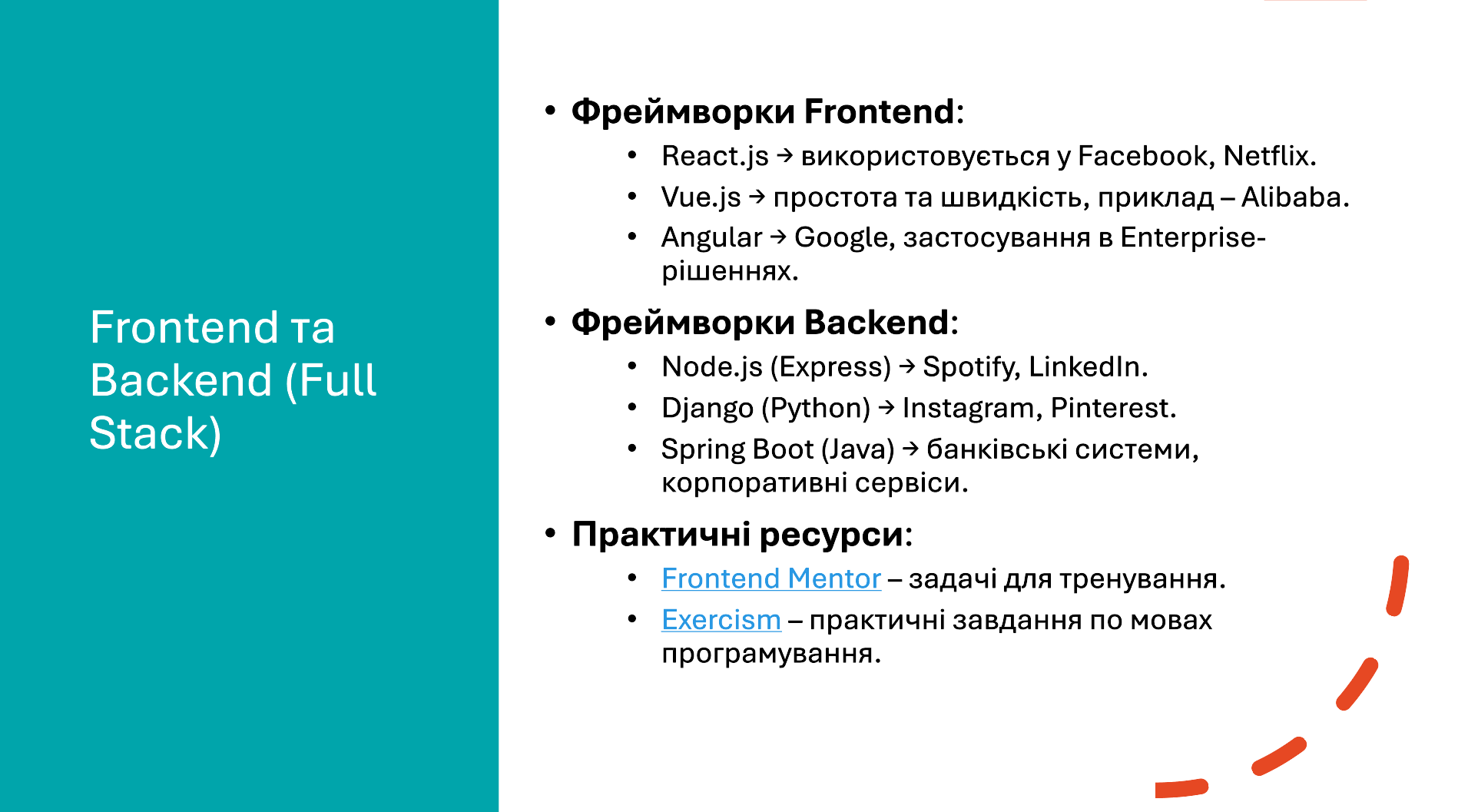
An innovation sprint encouraged rapid ideation using low- or no-code tools to validate assumptions, followed by migration to code once value was demonstrated. Students learned to instrument their apps with basic analytics and logs, then used those signals for evidence-based iteration.
Peer presentations and rubric-guided critiques enhanced communication, while the structured sprint maintained realistic scope and measurable outcomes.

What Faculty Learned - scaffolding, feedback, and real-world fit
Faculty reflections highlight the impact of scaffolded teamwork (clear roles, review cadence), short theory + long practice, and interdisciplinary mentoring.
The combination of architectural reviews, security checkpoints, and usability testing yielded more deployment-ready results.

Next steps:
-
Broaden accessibility/performance checks;
-
Strengthen observability (metrics/tracing);
-
Formalize a capstone handover template for partner organizations.
Volodymyr NAZARENKO