


Lectures “Modern Technologies for Developing Applications and Services – Theory and Practice” Delivered within the COPILOT Project
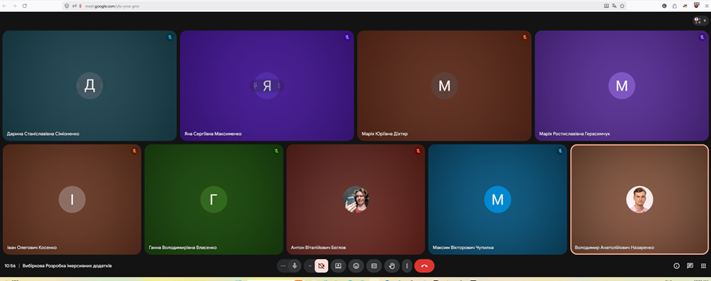
As part of the international COPILOT project, a series of lectures “Modern Technologies for Developing Applications and Services – Theory and Practice” was delivered to students of the Faculty of Information Technologies and other registered participants. The session aimed to strengthen students’ understanding of contemporary approaches to designing, developing, deploying, and maintaining digital products and software services.
The series of lectures provided students with a structured overview of the modern software development process - from understanding the role of applications and services to selecting an appropriate technology stack, organizing development workflows, preparing release pipelines, and planning long-term support. The session followed a coherent thematic structure covering applications and services, design, development, release, maintenance, technologies, and professional learning resources.

Emphasis was placed on the idea that a modern application should not be seen merely as a user interface, but rather as an integrated system combining user experience, business logic, data, and services. During the lectures, students were introduced to the main categories of digital solutions, including web applications, mobile apps, desktop software, IoT-based solutions, cloud services, AI-powered services, and cross-platform products. This allowed participants to understand better how early decisions on architecture, framework selection, hosting environment, and delivery model directly affect scalability, maintainability, cost, and security.
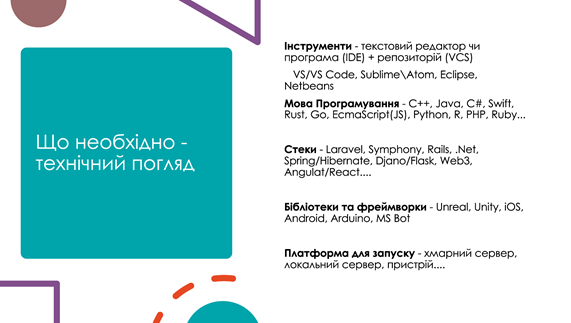
A substantial practical component of the lectures focused on widely used development tools and professional resources. Students were introduced to Visual Studio Code, Android Studio, and Xcode as key development environments, along with Postman and Swagger/OpenAPI for API testing and documentation. In addition, the lectures highlighted learning platforms and reference resources such as MDN Web Docs, FreeCodeCamp, and GeeksforGeeks that support the continuous development of practical software engineering skills.

The lectures also addressed the logic of Full Stack development as an integrated engineering model in which the frontend, backend, and data layers operate as a connected whole. Within this context, students explored modern frontend and backend ecosystems, including React.js, Vue.js, Angular, Node.js, Django, and Spring Boot, as well as SQL and NoSQL databases. The session additionally introduced concepts such as REST/GraphQL APIs, OAuth2/OIDC-based authentication, ORM tools, caching strategies, and background task processing. This enabled students to see how individual technologies fit into broader system architecture rather than being treated as isolated tools.
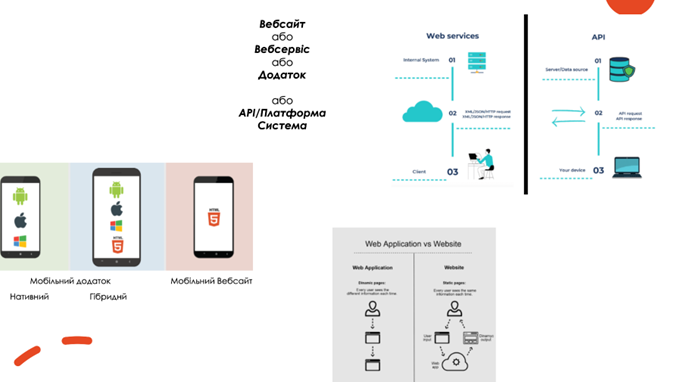
A separate part of the lectures focused on mobile application development, including native, hybrid, and cross-platform approaches. Students were introduced to Flutter and React Native as widely used frameworks for cross-platform mobile development, and they discussed practical considerations for choosing between development models based on performance requirements, implementation speed, code reuse, and App Store and Google Play ecosystem constraints. In this way, the lectures connected technical choices with broader product lifecycle and deployment considerations.
In terms of both content and educational design, the lectures fully aligns with the wider objectives of the COPILOT project, which promotes practice-oriented learning, innovation capacity building, the development of Deep Tech competencies, and the integration of digital, engineering, and entrepreneurial thinking in higher education. This approach is consistent with other COPILOT training activities, which emphasize practical learning formats, interdisciplinary collaboration, and the application of modern technologies as key elements in preparing students for future professional challenges.
Therefore, the delivery of the lectures “Modern Technologies for Developing Applications and Services – Theory and Practice” represents an important contribution to the implementation of the COPILOT project goals. It supports the creation of a modern educational environment, enhances students’ technological awareness, and helps build the competencies required to design and implement competitive digital solutions in a rapidly evolving European innovation landscape.
Participant of the COPILOT project
Volodymyr NAZARENKO
Проведення лекцій «Modern technologies for developing applications and services – theory and practice» Володимиром НАЗАРЕНКОМ у межах проєкту COPILOT
У межах реалізації міжнародного проєкту COPILOT для студентів НУБіП України доцентом Володимиром НАЗАРЕНКОМ було проведено серію лекцій на тему: «Modern technologies for developing applications and services – theory and practice», присвячену сучасним підходам до розроблення цифрових продуктів, сервісів і прикладних програмних рішень. Навчальний матеріал лекції було підготовлено для здобувачів вищої освіти факультету інформаційних технологій і спрямовано на формування у них актуальних знань у сфері проєктування, створення та підтримки сучасних цифрових застосунків.
У ході лекцій Володимиром Анатолійовичем було послідовно розглянуто логіку побудови сучасного цифрового продукту, а саме: від розуміння сутності додатків і сервісів до вибору технологічного стеку, організації розробки, випуску та подальшої підтримки програмного забезпечення. Студентам було представлено загальну структуру навчального модуля, що охоплювала теми додатків і сервісів, дизайну, розробки, випуску, підтримки, сучасних технологій та корисних професійних ресурсів.
Особливу увагу лектором було приділено питанню щодо сучасного додатку, який є не лише інтерфейсом користувача, а й комплексною системою, яка поєднує UX, бізнес-логіку, дані та сервіси. У межах проведеного заняття студенти ознайомилися з основними типами цифрових рішень: вебдодатками, мобільними застосунками, десктопним програмним забезпеченням, IoT-рішеннями, хмарними сервісами, AI-сервісами та кросплатформними продуктами. Такий підхід дозволив лектору показати, що вже на ранніх етапах проєктування вибір архітектури, технологій і середовища розгортання прямо впливає на продуктивність, вартість, масштабованість, підтримку і безпеку рішення.
Практична цінність лекцій полягала у розгляді конкретних цифрових інструментів і технологій, які сьогодні становлять основу сучасної розробки. Студентам було представлено середовище Visual Studio Code, мобільні IDE Android Studio та Xcode, інструменти тестування й опису API Postman та Swagger/OpenAPI, а також приклади професійних навчальних ресурсів, зокрема MDN Web Docs, FreeCodeCamp і GeeksforGeeks. Окремо було розглянуто поширені frontend- і backend-фреймворки, зокрема React.js, Vue.js, Angular, Node.js, Django, Spring Boot, а також базові підходи до роботи з SQL- і NoSQL-базами даних.
Важливим змістовим блоком лекцій стало пояснення Full Stack-підходу як цілісної моделі створення програмного продукту, де фронтенд, бекенд і дані функціонують як єдина інженерна система. У цьому контексті було висвітлено питання побудови API, використання REST/GraphQL, основ автентифікації через OAuth2/OIDC, застосування ORM, кешування та фонових задач. Такий зміст дозволив студентам побачити не окремі технології у відриві одна від одної, а зв’язану систему сучасної розробки, у якій технічні рішення повинні бути обґрунтованими, узгодженими та орієнтованими на реальні потреби користувача.
Окремий акцент Назаренко В.А. зробив на розробці мобільних застосунків, де розглядалися нативні, гібридні та кросплатформні підходи, а також сучасні фреймворки Flutter і React Native. Студенти ознайомилися з практичними аспектами вибору між різними моделями мобільної розробки, зокрема, залежно від вимог до продуктивності, швидкості розробки, повторного використання коду та особливостей екосистем App Store і Google Play. Це дозволило сформувати більш системне розуміння того, як технологічний вибір впливає не лише на процес створення продукту, а й на його життєвий цикл та подальше масштабування.
За змістом проведені лекції відповідає загальній логіці освітніх заходів проєкту COPILOT, у межах яких особлива увага приділяється поєднанню теоретичної підготовки з прикладною спрямованістю, розвитку Deep Tech-компетентностей, інноваційного мислення та здатності працювати на перетині цифровізації, сучасної інженерії та підприємницького підходу. Саме така практика вже була закладена в інших навчальних активностях проєкту, де підкреслювалася важливість практико-орієнтованого формату, міждисциплінарності та підготовки студентів до використання новітніх технологій у професійній діяльності.
Таким чином, проведення лекцій «Modern technologies for developing applications and services – theory and practice» Володимиром НАЗАРЕНКОМ стало важливим елементом реалізації цілей проєкту COPILOT, які спрямовані на посилення інноваційної спроможності закладів вищої освіти, формування сучасного освітнього середовища та розвиток у студентів компетентностей, необхідних для створення конкурентоспроможних цифрових рішень. Отримані студентами знання та навички закладають підґрунтя для подальшого опанування ними сучасних технологій розробки, їх упровадження у прикладні проєкти та інтеграції у ширший європейський науково-технологічний простір.
Учасник проєкту COPILOT
Володимир НАЗАРЕНКО