


Lecture on Applied Mechanics of Materials and Structures in Bioenergy Delivered within the COPILOT Project
06.04.2026 р. на факультеті конструювання і дизайну Національного університету біоресурсів і природокористування України в рамках проєкту COPILOT розпочато викладання навчального курсу «Applied Mechanics of Materials and Structures in Bioenergy».
Міжнародний проєкт COPILOT (https://copilotproject.eu/) реалізується в рамках HEI Initiative (https://eit-hei.eu/) за підтримки EIT Food (https://www.eitfood.eu/). HEI Initiative (Higher Education Institutions Initiative) – флагманська програма Європейського інституту інновацій і технологій (EIT), що здійснюється в рамках стратегії Horizon Europe 2021–2027. Її мета – підвищення підприємницької та інноваційної спроможності університетів, перетворення їх на регіональні центри інновацій і рушії сталого економічного розвитку Європи.
EIT Food – найбільша європейська ініціатива у сфері харчових інновацій та агротехнологій, що об'єднує провідні університети, дослідницькі установи та компанії задля розв'язання глобальних продовольчих викликів і підготовки нового покоління фахівців агропромислового сектору.
Проєкт COPILOT – трансформаційна ініціатива, спрямована на розвиток Deep Tech підприємництва у сферах сталої енергетики та чистих технологій (Стійка енергетика та чисті технології, SECT) і на структурне оновлення вищої освіти в університетах-учасниках по всій Європі.
На факультеті конструювання і дизайну НУБіП України в рамках проєкту COPILOT офіційно розпочато викладання навчального курсу «Applied Mechanics of Materials and Structures in Bioenergy».
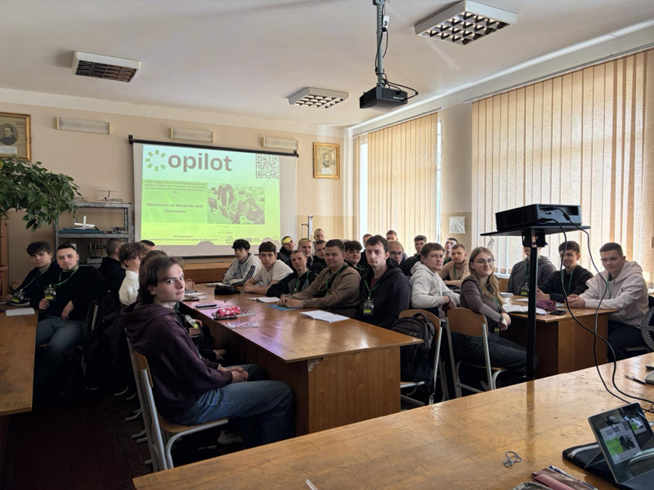
Навчальний курс охоплює прикладну механіку матеріалів і конструкцій у контексті біоенергетичних систем: аналіз напружено-деформованого стану несучих конструкцій, розрахунок міцності, жорсткості та стійкості елементів біоенергетичного обладнання, а також обґрунтований вибір конструкційних матеріалів для роботи в умовах термічних, механічних і біохімічних навантажень.
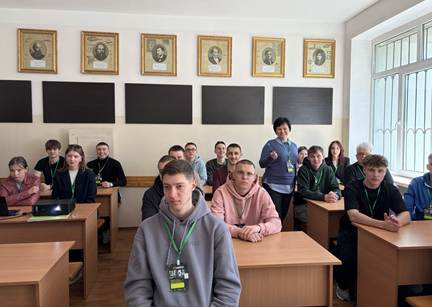
Навчання побудоване на розв'язанні реальних інженерних задач із проєктування та експлуатації біореакторів, газгольдерів, агрегатів для переробки біомаси та іншого обладнання відновлюваної енергетики із застосуванням сучасних цифрових інструментів моделювання.
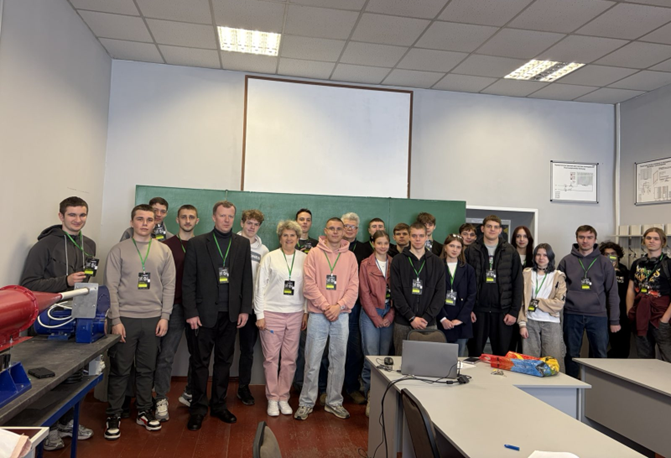
Студенти інженерних спеціальностей поєднують теоретичну підготовку з реальними технологіями агробізнесу, здобувають практичні навички та міжнародний досвід, працюють із сенсорами, цифровими системами й нейронними мережами. Це не просто навчання – це старт професійної кар'єри у сферах сталої енергетики, чистих технологій та інновацій. Проєкт COPILOT допомагає студентам стати фахівцями, які вже сьогодні творять індустрію майбутнього.
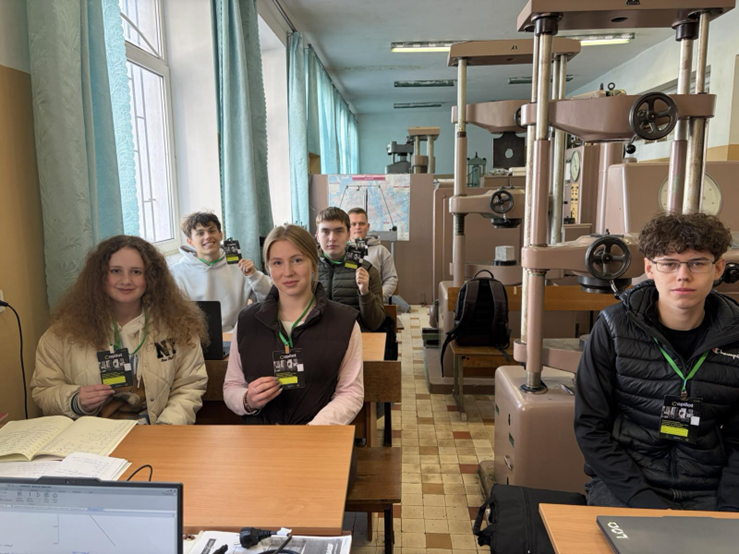
Викладання курсу має очевидну практичну цінність як для студентів, так і для університету. Здобуваючи системні знання та інженерні компетентності у сфері механіки матеріалів і конструкцій біоенергетичних об'єктів, студенти стають затребуваними фахівцями в біоенергетиці, відновлюваній енергетиці та індустрії чистих технологій – галузях, що динамічно розвиваються в контексті Європейського зеленого курсу.
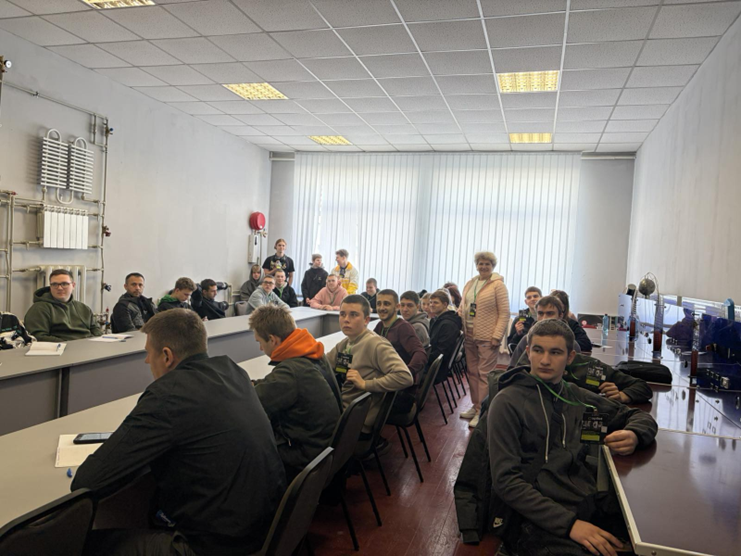
Участь у проєкті COPILOT відкриває можливості для стажування, участі у спільних міжнародних дослідженнях та працевлаштування у провідних компаніях різних секторів економіки.
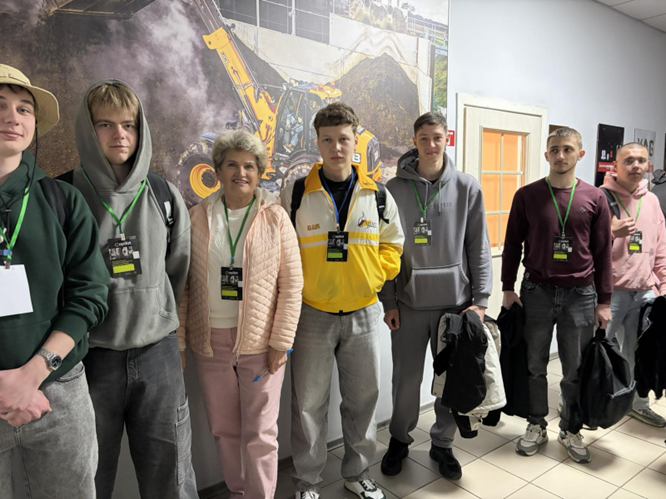
Для університету впровадження таких навчальних курсів означає оновлення освітніх програм відповідно до актуальних вимог ринку праці, зростання науково-дослідного потенціалу та зміцнення позицій у загальноєвропейському просторі вищої освіти.
Висловлюємо щиру подяку HEI Initiative та EIT Food за підтримку, що уможливила реалізацію проєкту COPILOT та запуск навчального курсу «Applied Mechanics of Materials and Structures in Bioenergy» на факультеті конструювання і дизайну Національного університету біоресурсів і природокористування України. Вище зазначене – це реальний внесок у підготовку інженерів нового покоління, здатних формувати технологічну та інноваційну Європу вже сьогодні.
к.т.н., доцент кафедри механіки
Марія Бондар
At the Faculty of Design and Engineering of the National University of Life and Environmental Sciences of Ukraine, within the framework of the COPILOT project, the academic course “Applied Mechanics of Materials and Structures in Bioenergy” has been launched.
The international COPILOT project (https://copilotproject.eu/) is implemented within the HEI Initiative (https://eit-hei.eu/) with the support of EIT Food (https://www.eitfood.eu/). The HEI Initiative (Higher Education Institutions Initiative) is a flagship program of the European Institute of Innovation and Technology (EIT), carried out within the framework of the Horizon Europe 2021–2027 strategy. It aims to enhance universities' entrepreneurial and innovative capacity, transforming them into regional innovation hubs and drivers of sustainable economic development in Europe.
EIT Food is the largest European initiative in food innovation and agrotechnology, bringing together leading universities, research institutions, and companies to address global food challenges and train a new generation of professionals for the agro-food sector.
The COPILOT project is a transformational initiative aimed at developing Deep Tech entrepreneurship in the fields of sustainable energy and clean technologies (Sustainable Energy and Clean Technologies, SECT), as well as at the structural modernization of higher education in partner universities across Europe.
At the Faculty of Design and Engineering of the National University of Life and Environmental Sciences of Ukraine, within the framework of the COPILOT project, the academic course “Applied Mechanics of Materials and Structures in Bioenergy” has been officially launched. The course covers the applied mechanics of materials and structures in the context of bioenergy systems: analysis of stress-strain states in load-bearing structures, calculation of the strength, stiffness, and stability of elements of bioenergy equipment, and a reasoned selection of structural materials for operation under thermal, mechanical, and biochemical loads. The training focuses on solving real engineering problems related to the design and operation of bioreactors, gas holders, biomass processing units, and other renewable energy equipment, using modern digital modeling tools. Engineering students combine theoretical training with real agri-business technologies, acquire practical skills and international experience, and work with sensors, digital systems, and neural networks. This is not just education – it is the start of a professional career in sustainable energy, clean technologies, and innovation. The COPILOT project helps students become specialists who are already shaping the industry of the future today.
The course's teaching has clear practical value for students and the university. By acquiring systematic knowledge and engineering competencies in the mechanics of materials and structures of bioenergy facilities, students become in-demand specialists in bioenergy, renewable energy, and the clean technology industry – sectors that are rapidly developing within the context of the European Green Deal. Participation in the COPILOT project offers opportunities for internships, joint international research, and employment with leading companies across various sectors of the economy. For the university, implementing such academic courses means updating educational programs in line with current labor market requirements, increasing research capacity, and strengthening its position within the European Higher Education Area.
We express our sincere gratitude to the HEI Initiative and EIT Food for their support, which enabled the implementation of the COPILOT project and the launch of the academic course “Applied Mechanics of Materials and Structures in Bioenergy” at the Faculty of Design and Engineering of the National University of Life and Environmental Sciences of Ukraine. The above represents a real contribution to the training of a new generation of engineers capable of shaping technological and innovative Europe today.
PhD in Technical Sciences,
Associate Professor of
The Department of Mechanics
Mariia Bondar