

International webinar: «Qualification profiles specialists for energy supply of modern buildings» within the framework of the project LIFE-CET «New Skills for Nearly Zero Energy Buildings»
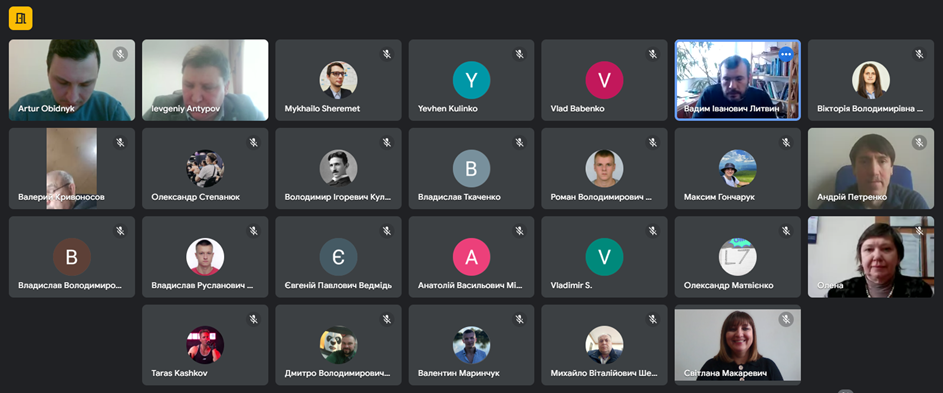
An international webinar was held at the Institute of Energy, Automation and Energy Saving of the National University of Life and Environmental Sciences of Ukraine, which brought together leading experts in the field of energy efficiency and energy supply of modern buildings. The participants of the event were representatives of: Ministry for Communities and Territories Development of Ukraine, Bulgarian Installer Associations, Association of Energy Auditors of Ukraine, International Agency for Professional Qualifications, NZEB Hub Kyiv National University of Construction and Architecture, etc.
The event became an important platform for discussing innovative approaches to energy supply, topical issues of legislative regulation, economic aspects, as well as training specialists for buildings with almost zero energy consumption (NZEB). The participants of the event discussed legislative aspects, technical standards, economic efficiency, as well as training personnel for work in the field of NZEB.
Moderator of the webinar, the expert of the international project LIFE-CET «New Skills for Nearly Zero Energy Buildings» Ievgen Antipov gave an opening speech to the project manager NUBIP of Ukraine Svitlana Makarevych. In his opening remarks, the speaker emphasized the importance and necessity of training and retraining specialists in the application of “smart” photovoltaic, thermal, and hydrogen systems in buildings at all stages of design, operation, and technical maintenance, as well as the development of certification schemes and a non-formal education platform within the project consortium.
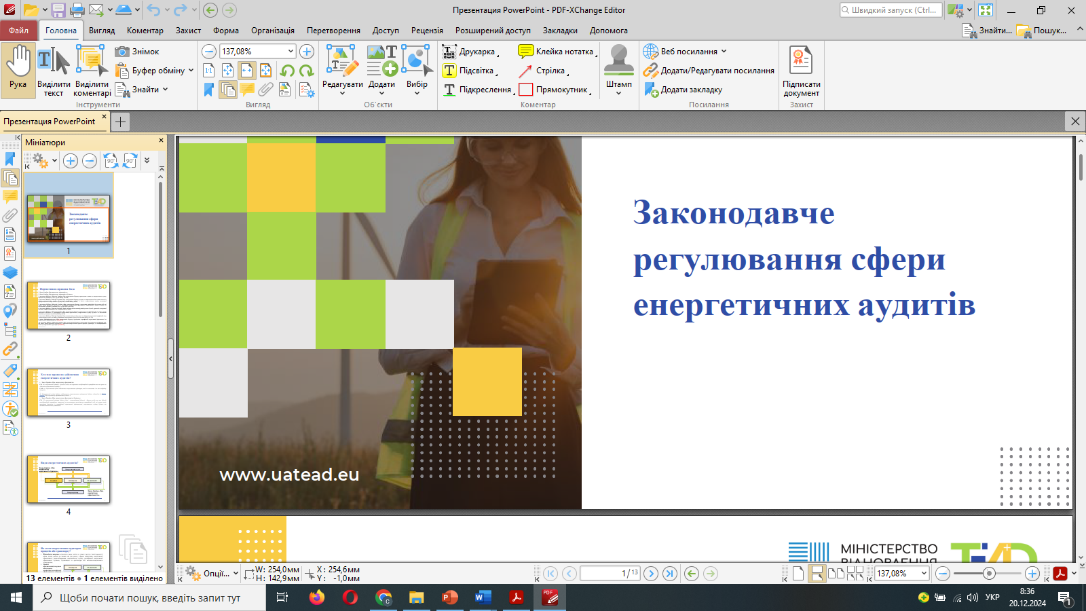
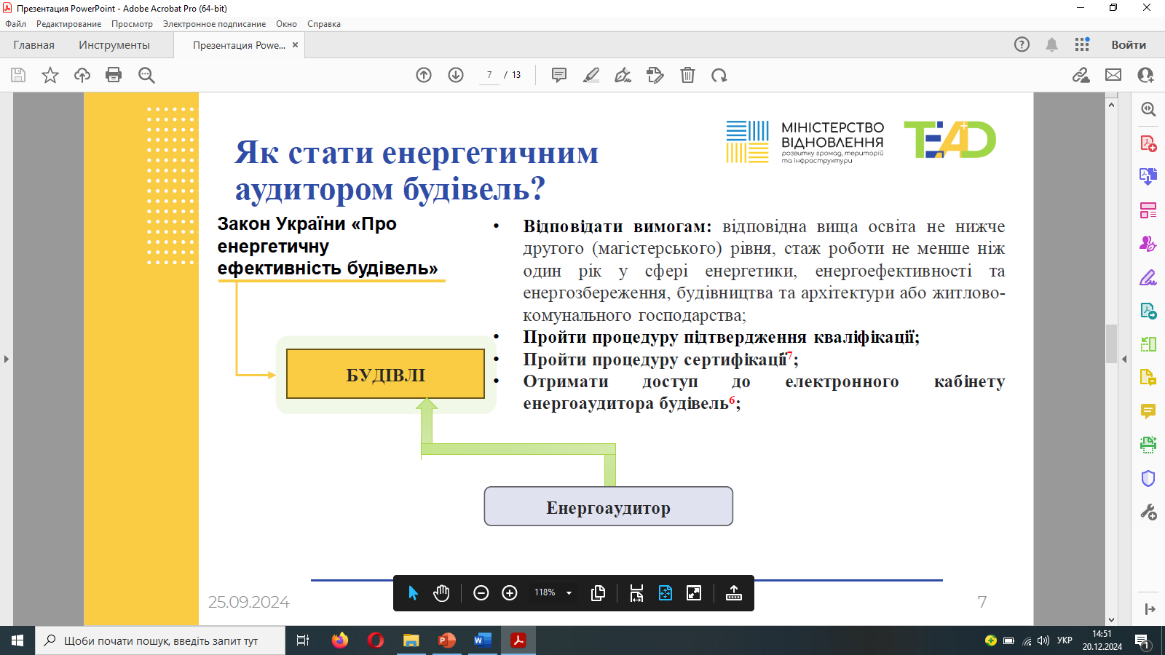
The report, accompanied by a presentation, was delivered by Artur Obidnyk, Head of the Department for Methodological Support and Regulation of Energy Efficiency at the Ministry for Communities and Territories Development of Ukraine. The speaker focused on an overview of the key aspects of the legal regulation of energy audits in Ukraine.
Vadym Lytvyn, Chairman of the Board of the Association of Energy Auditors of Ukraine, presented an analysis of budgetary cost savings resulting from the implementation of NZEB standards, focusing in particular on the economic benefits of applying NZEB standards in the construction and renovation of residential and public buildings.
The qualification requirements for specialists involved in NZEB building certification in Ukraine were outlined by Mykhailo Sheremet, Director of the Qualification Center in the Energy Sector of the International Agency for Professional Qualifications, and Yevhen Kulinko, Deputy Head of the Marketing and Planning Department of the NZEB Hub at KNUBA (Kyiv National University of Construction and Architecture).
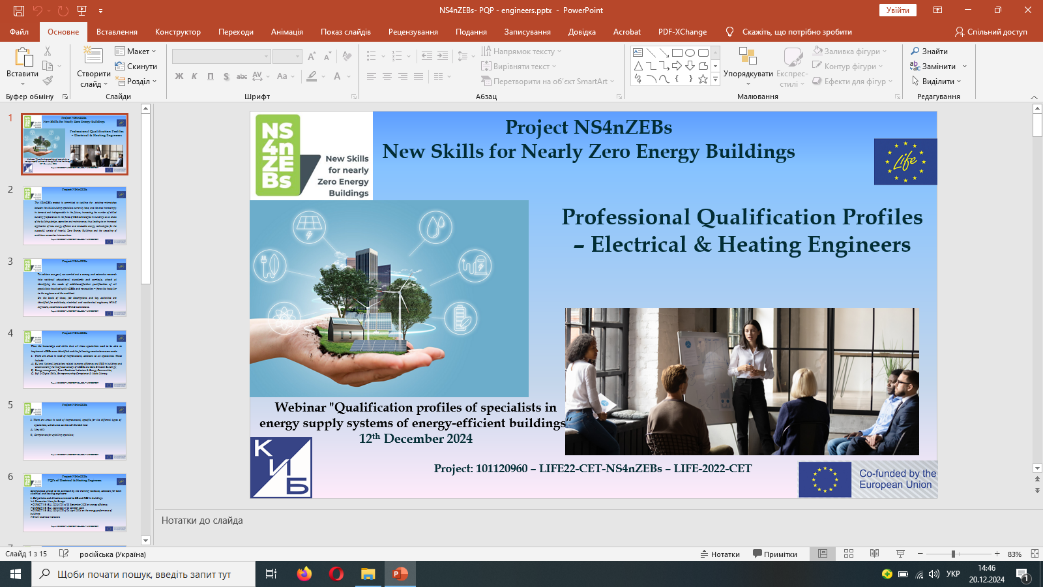
Nina Nikolova from the Bulgarian Association of Installers shared her experience in preparing certification schemes for professionals, specifically for electrical and heating engineers in Bulgaria (Professional Qualification Profiles – Electrical & Heating Engineers).
New skills for professionals working with nearly zero-energy buildings were presented by Olena Shelimanova and Svitlana Makarevych, Associate Professors at the Department of Energy Systems Engineering and experts of the LIFE22-CET-NS4nZEBs project working group (NUBiP of Ukraine).
The speakers emphasized that the successful implementation of modern energy efficiency standards in nearly zero-energy buildings requires the development of new competencies covering various aspects of construction activities. These include knowledge of innovative technologies for energy-efficient construction, integration of renewable energy sources, application of advanced thermal insulation materials, as well as the design of energy-saving systems and the optimization of ventilation systems.
Yevhen Antypov, Head of the Department of Energy Systems Engineering and a project expert, summarized the methodological aspects of NZEB building certification. The certification methodology comprises several key stages: assessment of design solutions, conduct of an energy audit, and verification of actual energy consumption during the operational phase.
The speaker paid particular attention to the standardized thermal resistance indicators of building envelope components, the importance of airtightness testing, and the integration of intelligent energy management systems. Emphasis was also placed on conducting a building life-cycle analysis, which makes it possible to account not only for current energy consumption but also for long-term environmental and economic benefits.
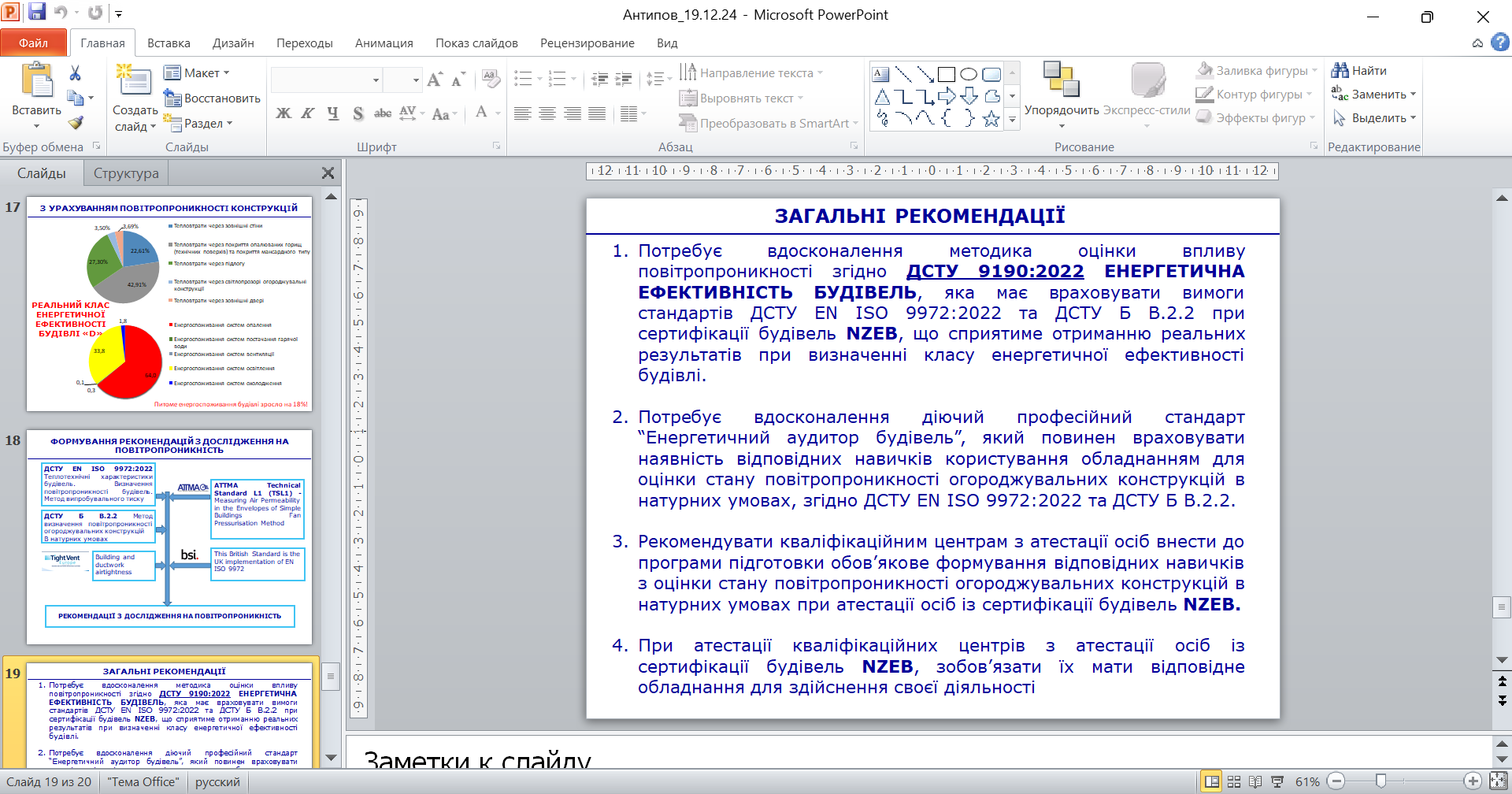
As a result of the webinar, a set of recommendations was developed and will be submitted to the relevant ministry and other authorities with a view to introducing amendments to regulatory documents and to the educational programmes of qualification centers. These changes are expected to support the development of the necessary skills in the training and certification of NZEB building certifiers.
The webinar served as an important platform for the exchange of experience among Ukrainian and international experts, professionals, academic and teaching staff, master’s students, and final-year students, contributing to the enhancement of professional qualifications and the implementation of modern standards in the construction sector.