

The 3d kick-off meeting Project LIFE - CLEAN ENERGY TRANSITION - New Skills for Nearly Zero Energy Buildings
The integration of renewable energy sources and digital technologies in the building sector is a key priority of EU policy, supporting the decarbonisation of the building stock by 2050 and contributing to energy security and climate goals. Achieving these objectives requires advanced technologies, ambitious renovation strategies, and a highly skilled workforce.
Within the framework of the LIFE Clean Energy Transition project “New Skills for Nearly Zero Energy Buildings” (NS4nZEBs), the third consortium working meeting was held in Plovdiv, Bulgaria. The project aims to strengthen professional skills in photovoltaic systems, smart grids, heat pumps, energy storage, and local hydrogen solutions, supporting the wider deployment of renewable-based, energy-efficient technologies in the building sector.
The event was organised by the lead beneficiary responsible for the third work package, Nina Nikolova, Sdruzhenie Kamara Na Instalatorite V Bulgariya (Association of Installers in Bulgaria), Bulgaria.
Participants included the project coordinator Paul De Schepper, The Knowledge Centre for Energy-related Research, Thomas More University (TMU), Belgium; Andrea Galeota, Padova Chamber of Commerce (CCIAA PD), Italy; Evelina Stoykova, Sofia Energy Centre (SEC), Bulgaria; Darko Kramer, Ecoserveis (Energy Management Organisation), Spain; Georgia Veziryianni, Centre for Renewable Energy Sources and Savings (CRES), Greece; and Svitlana Makarevych and Olena Shelimanova, Education and Research Institute of Energy, Automation and Energy Saving, National University of Life and Environmental Sciences of Ukraine.
Each partner team presented the results achieved within their respective work packages and agreed on proposals for the further implementation of the project. The project coordinators highlighted the high quality and timely completion of all project activities by the partners from the National University of Life and Environmental Sciences of Ukraine (NUBiP of Ukraine).
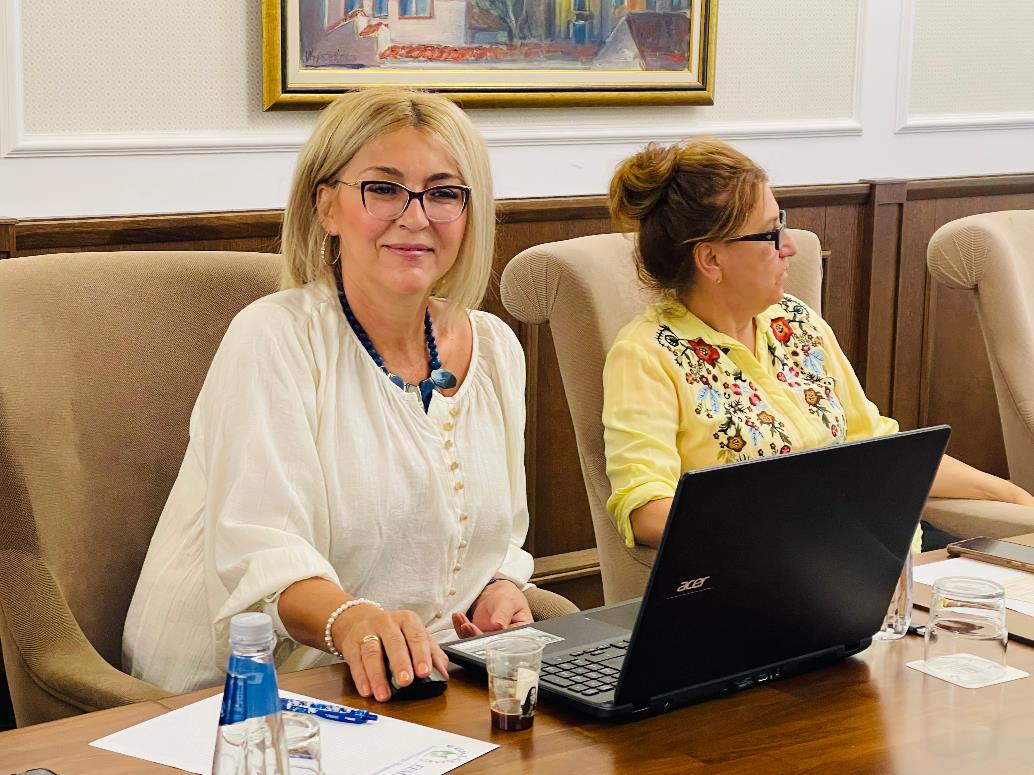
During the meeting, the following actions were agreed: the development of training materials and the allocation of tasks among project partners; the transformation of training materials into digital formats, as well as the configuration and structuring of courses within the Learning Management System (LMS), which will be fully operational and ready for use; the translation of digital materials, including Massive Open Online Courses (MOOCs), to ensure accessibility for future learners; and the design and modelling of virtual laboratories to provide the practical training necessary for the acquisition of new professional skills.
Significant progress has been achieved in the development of advanced and transversal skills among electricians, heating, ventilation and air conditioning (HVAC) specialists, architects, as well as within vocational and higher technical education and training programmes (VET/HVET) across Europe. Key upskilling needs were identified to ensure compliance with current energy efficiency requirements and the effective use of renewable energy sources.
Particular attention was paid to the development of professional qualifications that will form the basis for the further integration of advanced technologies in the building sector and for enhancing competitiveness in the labour market. The dates and venue of the next meeting were agreed, and deadlines for the implementation of the subsequent work packages were established.
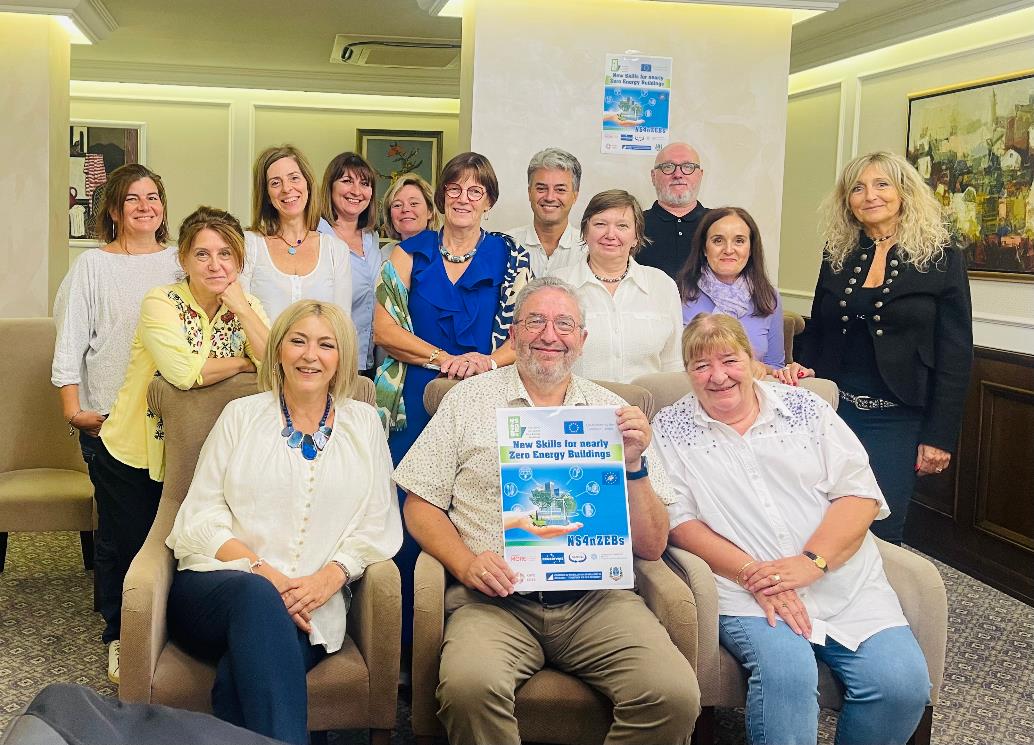
We sincerely thank the organiser, Nina Nikolova, for the meeting and the warm hospitality.