

The third project meeting within the framework BUSHROSSs Project: implementation of the European strategy “A Wave of Renewal for Europe” in Ukraine
In October 2020, the European Commission launched the “Renovation Wave for Europe” strategy — a key initiative of the European Green Deal aimed at doubling the rate of building energy renovation by 2030, reducing energy consumption, and improving citizens’ quality of life.
The implementation of this initiative relies on active cooperation among national, regional, and local authorities, energy agencies, advisory centres, and the construction sector. One of the key instruments is the One-Stop-Shop (OSS) model, which provides citizens with comprehensive support at all stages of energy renovation — from energy audits to the implementation of energy efficiency and renewable energy solutions. For Ukraine, the adaptation of the Renovation Wave principles and the development of OSS services are of strategic importance for the sustainable renewal of the housing stock, strengthening the energy independence of communities, and achieving climate neutrality goals.
Within the framework of the EU LIFE Clean Energy Transition (CET) Programme, the LIFE BUSHROSSs project is being implemented to establish a multi-level support system for the development of One-Stop-Shop services in Ukraine and partner countries. The project contributes to forming an effective ecosystem for residential energy renovation, enhancing the competencies of local experts, and engaging municipalities, businesses, and citizens in the large-scale modernisation of the building stock.
According to the Grant Agreement, the third online project meeting took place, with participation from the project coordinator Padraig Lyons and Ruchi Agrawal from the National University of Ireland, Cork, as well as representatives of partner organisations: Sdruzhenie Kamara Na Instalatorite V Bulgariya (Chamber of Installers in Bulgaria), Bulgaria — Ivanka Pandelieva-Dimova and Evelina Stoykova; Sofia Energy Centre (SEC), Bulgaria — Nina Nikolova; the Centre for Renewable Energy Sources and Savings (CRES), Greece — Georgia Veziryianni and Eftychia Mavrou; Stowarzyszenie Gmin Polska Sieć Energie Cites (PNEC), the Association of Municipalities “Polish Network of Energy Efficient Cities”, Poland — Anna Jaskuła; Gradbeni Inštitut ZRMK (GI ZRMK), Construction Institute, Slovenia — Marjana Šijanec Zavrl; and the Educational and Scientific Institute of Energy, Automation and Energy Saving of the National University of Life and Environmental Sciences of Ukraine — Viktor Kaplun, Svitlana Makarevych, Olena Shelimanova, Vitalii Savchenko, and Yevhen Antypov.
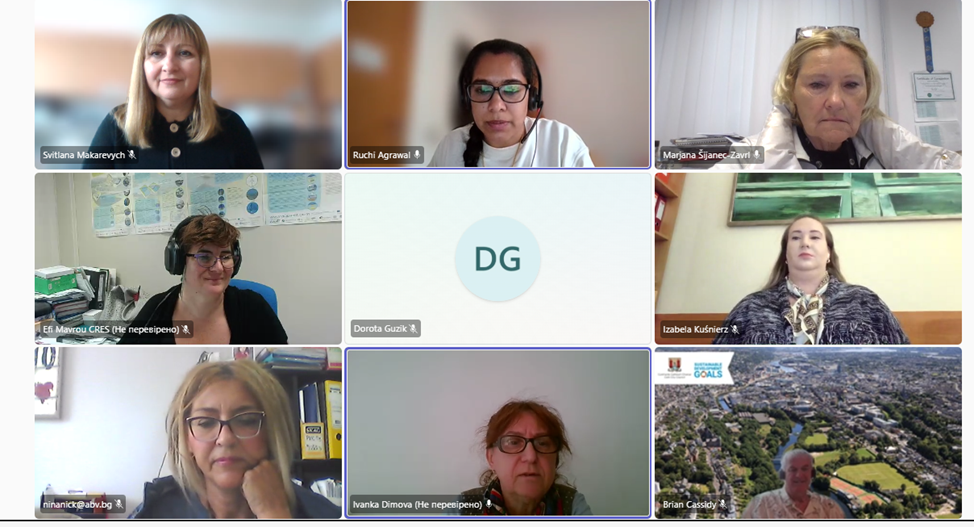
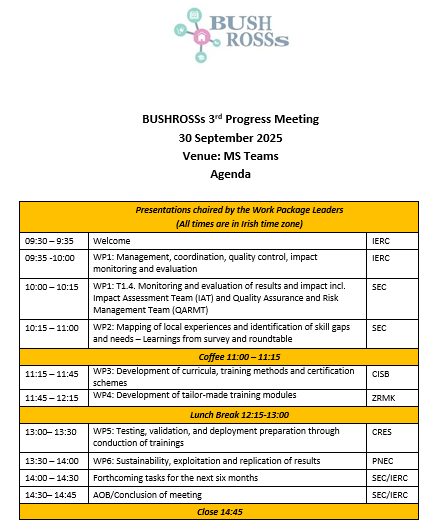
In accordance with the pre-agreed meeting agenda, the BUSHROSSs project partners discussed the implementation of the main work packages (WPs) and aligned the tasks for the next six months.
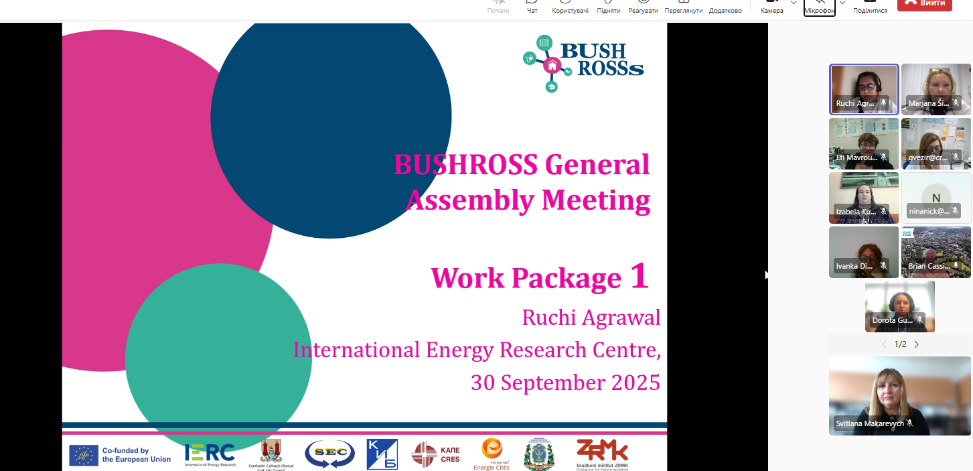
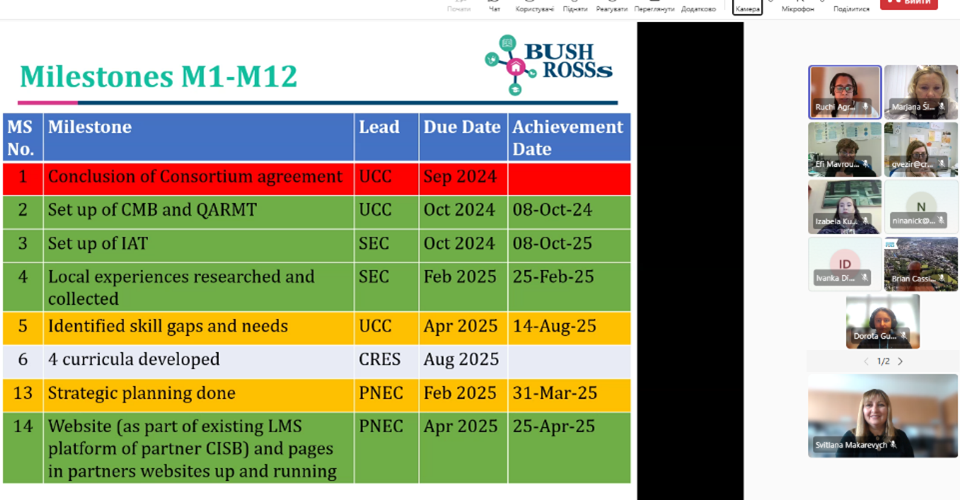
In particular, within WP1: Management, Coordination, Quality Assurance, Monitoring and Impact Assessment, the activities of the Impact Assessment Team (IAT) and the Quality Assurance and Risk Management Team (QARMT) were reviewed, along with the approaches to monitoring project outcomes and evaluating overall effectiveness.
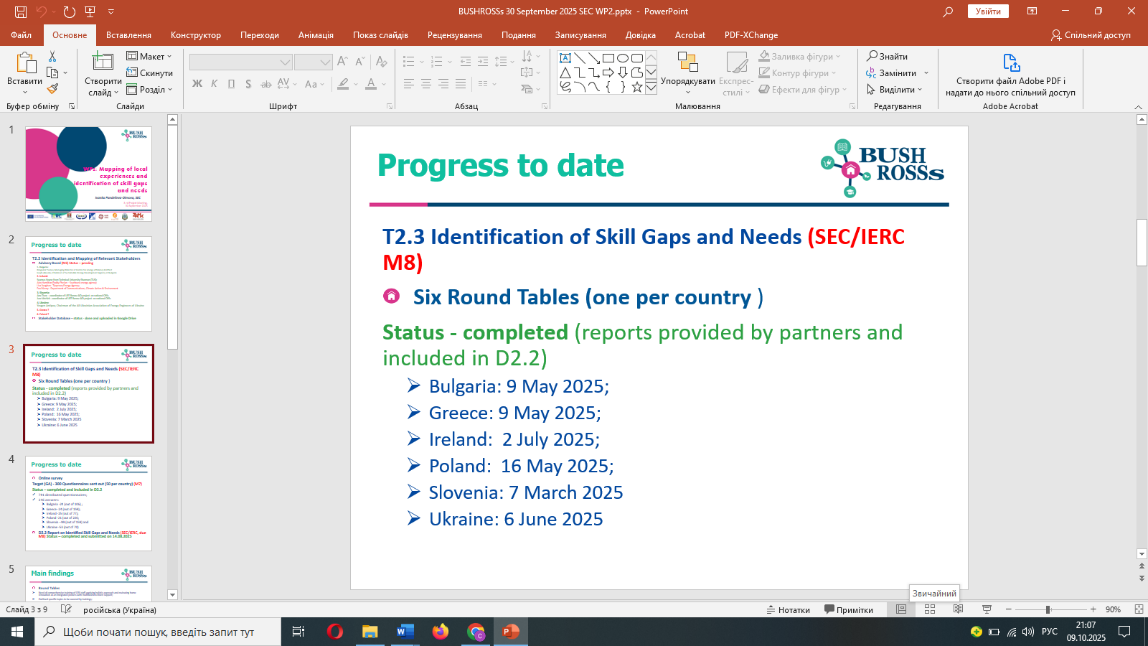
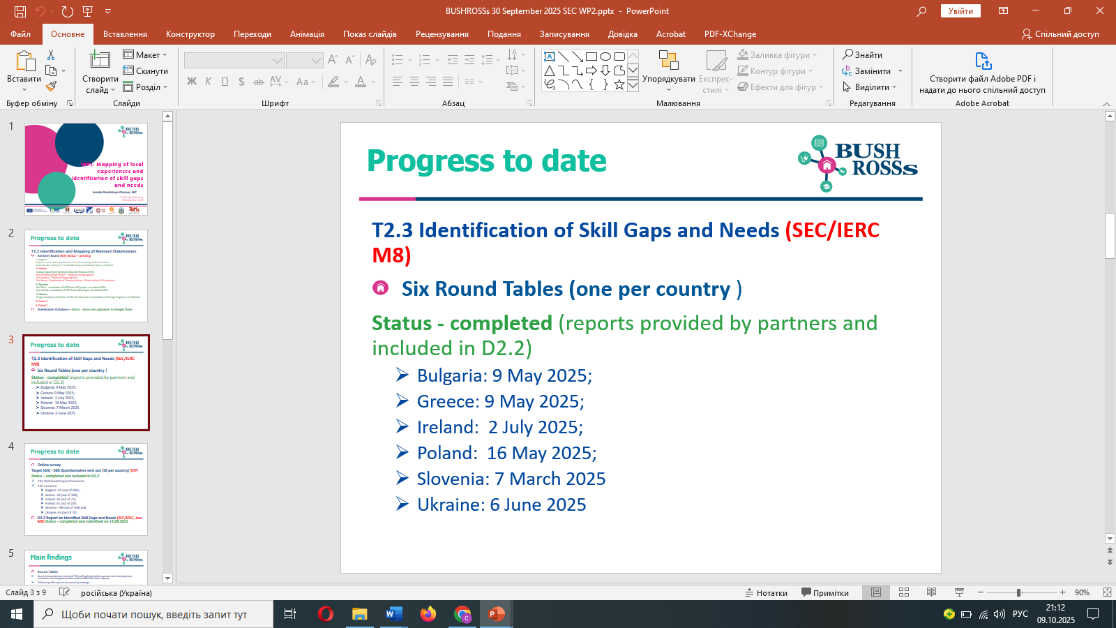
Within WP2: Mapping Local Experience and Identifying Skills Gaps and Needs, the partners presented a report based on surveys and roundtable discussions, which helped outline the current state of energy renovation in their respective countries and identify areas for improving the competencies of market persons.
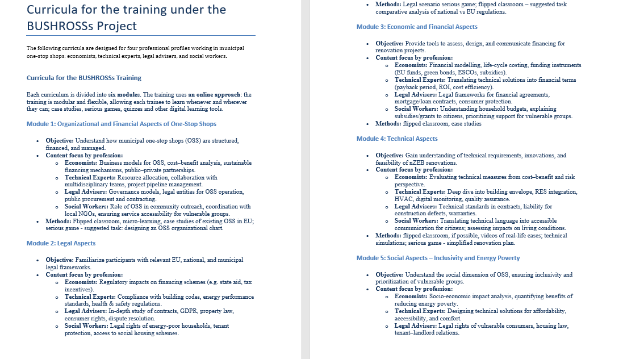
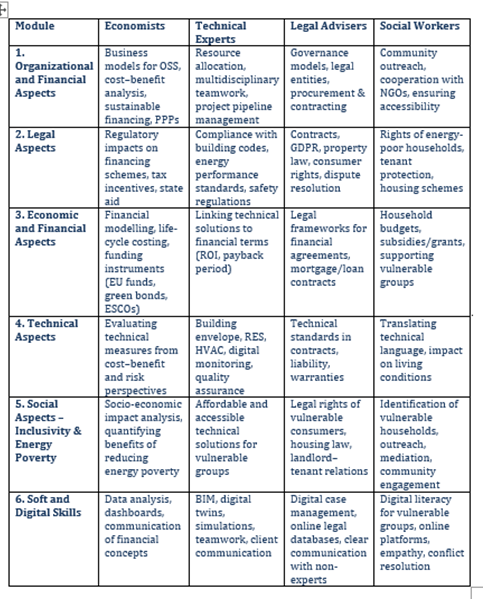
Special attention was devoted to WP3 and WP4, which encompass the development of training programmes, methodologies, and individual modules for building the capacity of specialists in the fields of energy efficiency and RES.
As part of WP5, the participants discussed preparations for the pilot testing of the training modules and the organisation of training sessions, which will make it possible to assess the effectiveness of the developed approaches before large-scale deployment..
The meeting concluded with a discussion on WP6: Sustainability, Exploitation and Implementation of Results, during which the participants agreed on mechanisms for disseminating the developed materials and ensuring the long-term impact of the project.
Following the discussion, key tasks for the next six months were defined, including: continuing the development of training content, preparing for the organisation of training sessions, improving monitoring tools, strengthening cooperation between partners, as well as presenting and approving the annual project report.
We sincerely thank the organisers, Padraig Lyons and Ruchi Agrawal, for the excellently arranged meeting
Svitlana Makarevych
Olena Shelimanova
Associate Professors, Department of Power Systems Engineering