

RESEARCH SCHOOLS
A key feature of the development of science, both historically and in the present day, is its collective nature. This is reflected in the steadily growing role of the scientific community, which shapes and develops scientific knowledge, helps to establish it within a competitive scientific environment, and disseminates and puts the scientific findings into practice. One of the leading forms of organisation within the scientific community has been, and remains, the scientific school. This phenomenon exerts a powerful influence on the development of scientific knowledge. Indeed, it is scientific schools that serve as centres of the greatest concentration of creative energy and exert the most active influence on scientific progress.
The National University of Life and Environmental Sciences of Ukraine (NULESU) is one of Ukraine’s leading agricultural institutions, tracing its origins to the Department of Agriculture and the Faculty of Veterinary Medicine at the Kyiv Polytechnic Institute, and the Department of Forestry at the Institute of Agriculture and Forestry in Marimont (Poland). The Department of Agriculture at the Kyiv Polytechnic Institute (opened on 31 August 1898) was transformed in 1918 into the Faculty of Agriculture (Agronomy), and in 1922 – the Kyiv Agricultural Institute (KAI), which became an independent higher education institution in 1923.
The Kyiv Forestry Institute, whose origins lay in Poland, was merged in 1954 with the Kyiv Agricultural Institute to form a single educational institution, which was named the ‘Order of the Red Banner of Labour Ukrainian Agricultural Academy’ (UAA).
Between 1956 and 1962, the Ukrainian Agricultural Academy formed part of the Ukrainian Academy of Agricultural Sciences (UAAS) as its educational arm.
In 1957, the Kyiv Veterinary Institute was incorporated into the Ukrainian State Agricultural Academy; it had originally begun as the Faculty of Veterinary Medicine at the Kyiv Polytechnic Institute (1920), and from 1921 operated as the independent Kyiv Veterinary and Zootechnical Institute; the Kyiv Veterinary Institute has been in operation since 1930.
In August 1992, the Ukrainian State Agrarian University was established on the basis of the Ukrainian Agricultural Academy; by a Resolution of the Verkhovna Rada of Ukraine dated 29 July 1994, it was granted national status. Since then, it has been known as the National Agrarian University and is under the functional administration of the Cabinet of Ministers of Ukraine.
By a Resolution of the Cabinet of Ministers of Ukraine dated 30 October 2008, the National Agrarian University was renamed the National University of Life and Environmental Sciences of Ukraine (NULES of Ukraine), which in 2010 was granted the status of a self-governing (autonomous) research national university.
Over the course of its more than century-long history, the university’s staff have made a significant contribution to the development of those scientific fields closely intertwined with agricultural production, to the enrichment of the nation’s intellectual capital, and to the training of competitive specialists for the state.
The history of academic work at the university dates back to its very inception and forms an integral part of the process of training highly qualified specialists. Professor V.V. Kolkunov stated: ‘… The Academy must be … a “triple centre”: it must combine scholarly, teaching and educational outreach work …’.
The creation of informal creative groups of researchers from different generations, united by a common programme and style of research under the guidance of a recognised leader, has ensured the high effectiveness of scientific developments, their dissemination and implementation, as well as the advancement of scientific inquiry to qualitatively new levels. Today, dozens of research schools have been established at the university and are working fruitfully, having made revolutionary discoveries of international significance. And, undoubtedly, scientific research at the university will continue to deepen and approach world-class standards.
RESEARCH SCHOOLS IN THE FIELD OF AGRICULTURAL SCIENCE
|
Oleksandr Ivanovych Dushechkin (1874–1956) Doctor of Agricultural Sciences, Professor, Member of the Academy of Sciences of the Ukrainian SSR, Honoured Scientist of the Ukrainian SSR, winner of the V.V. Dokuchaev Prize Scientific School Nutrition and Fertilisation of Agricultural Crops (founded in 1921) |
This area of research focuses on the study of nitrogen and phosphorus transformation in the soil, and the use of green manure and domestic phosphate rock to improve soil fertility in the Polissya region of Ukraine.
O.I. Dushechkin was born on 13 August 1874 in the village of Opechetsky Ryadok, Novgorod Governorate (Russia). In 1883, he enrolled in the Department of Natural History within the Faculty of Physics and Mathematics at St Petersburg University, where he conducted scientific research alongside his studies. From 1897 to 1899, he furthered his knowledge of chemical technology and organic chemistry under the guidance of leading specialists at the Zurich Polytechnic Institute (Switzerland) and other laboratories abroad.
In 1899, he began working as a chemist in the laboratory of the Customs Department. In December of that same year, he was arrested for transporting and storing illegal literature and, after seven months in prison, was exiled for two and a half years under police supervision to the Novgorod Governorate. Following his exile, he was forbidden from residing in Russia’s capital or provincial cities, and in 1903 he moved to Kyiv.
Until 1913, O.I. Dushechkin worked as an agrochemist in the experimental fields laboratory of the All-Russian Society of Sugar Manufacturers. From 1915, he played an active role in the establishment of the Kyiv Regional Station and worked there as head of the agrochemistry department until 1930. In 1920, he was appointed associate professor of the agronomy department at the Kyiv Polytechnic Institute, on the basis of which an agricultural institute was established, and he served there as head of the Department of Agrochemistry. From 1923, he served as a representative of the People’s Commissariat for Agriculture of the Ukrainian SSR. Alongside this, O.I. Dushechkin headed the Department of Agrochemistry and Soil Science at the Uman Agricultural Institute. Under his leadership, scientific research into soils in the Uman region was carried out, and methods for improving them and preserving their fertility were developed. He was arrested twice (1930–1931) but was released due to lack of evidence of a criminal offence.
During the Second World War, he was Head of the Department of Agrochemistry at the Kazakh Agricultural Institute; from 1944 to 1953, he served as Director; and from 1953 onwards, he was Head of the Agrochemistry Laboratory at the Institute of Plant Physiology and Agrochemistry of the Academy of Sciences of the Ukrainian SSR.
Doctor of Agricultural Sciences (1934), Professor (1938), Academician of the Academy of Sciences of the Ukrainian SSR (1945). O.I. Dushechkin investigated the dynamics of the main nutrients in the soil and ways of improving the efficiency of phosphorus-potassium fertilisers, and established rational methods for fertiliser application.
O.I. Dushechkin supervised 10 candidates and doctors of science. He has over 200 scientific publications to his name.
His successors include Academician P.A. Vlasyuk, Professors L.B. Denisyevsky and L.B. Gilis, and Associate Professors M.F. Khokhol, T.Ya. Podolich, O.Ya. Boryshpol, U.M. Volynska, G.K. Sulzhenko and others.
|
Petro Antypovych Vlasyuk (1905–1980) Doctor of Agricultural Sciences, Professor, Member of the Academy of Sciences of the Ukrainian SSR, the Ukrainian Academy of Agricultural Sciences, and the All-Union Academy of Agricultural Sciences and Nutrition, Laureate of the V.V. Dokuchaev Prize Scientific school: the biological role of macro- and microelements in plant nutrition and fertilisation (founded in 1956) |
P.A. Vlasyuk was born in 1905 in the village of Chemeryske, Zvenyhorod District, Cherkasy Region, into a peasant family (formerly Buksky Uyezd, Kyiv Governorate). Until October 1917, he worked as an agricultural labourer on a landowner’s estate in the village of Rubany Most, Uman Uyezd, Kyiv Governorate. He attended Lysyanska Primary School (1917–1921) and the Uman Agricultural Technical College (1921–1923). In 1926, he graduated from the Faculty of Agriculture at the Uman Agricultural Institute, qualifying as an agronomist and agrochemist. Between 1926 and 1931, he worked there as a laboratory assistant, assistant lecturer and associate professor, and, under the supervision of O.I. Dushechkin, laid the scientific and educational foundations for the establishment in 1928 of the Department of Agrochemistry and Soil Science. From 1928 to 1930, he studied part-time whilst continuing to work at the Faculty of Agriculture, specialising in arable farming, at the Leningrad Agricultural Institute.
In 1931, P.A. Vlasyuk was awarded the academic title of professor in the specialism of soil science and agrochemistry and appointed head of the Department of Agrochemistry and Soil Science. There, he combined his teaching duties with practical work in the agrochemical laboratory and the chemicalisation sector of the All-Union Scientific Research Institute of the Sugar Industry (later the All-Union Scientific Research Institute of Sugar Beets in Kyiv; 1928–1947).
In 1937, he was awarded the academic degree of Candidate of Agricultural Sciences for his body of scientific work, and in 1939 he was elected a corresponding member of the Academy of Sciences of the Ukrainian SSR in the Department of Mathematical and Natural Sciences. At the same time, he headed the Laboratory of Agrophysiology at the Institute of Botany of the Academy of Sciences of the Ukrainian SSR (1939–1944), later becoming its director (1944–1947). During the Second World War, following the evacuation of the Academy of Sciences of the Ukrainian SSR, he moved to Ufa and focused his research on issues relating to agriculture in Bashkiria and the Southern Urals. In 1943, he successfully defended his thesis ‘Manganese and Plant Nutrition’, for which he was awarded a Doctor of Agricultural Sciences degree (1946).
After the war, P.A. Vlasyuk served as Deputy Director for Research at the Institute of Plant Physiology and Agrochemistry of the Academy of Sciences of the Ukrainian SSR (1947–1952), headed the Department of Soil Science at Taras Shevchenko National University of Kyiv (1947–1956) and led the Plant Nutrition Laboratory at the Institute of Botany of the Academy of Sciences of the Ukrainian SSR, and subsequently at the Institute of Plant Physiology and Agrochemistry of the Academy of Sciences of the Ukrainian SSR. He was one of the founders of the Institute of Plant Physiology of the Academy of Sciences of the Ukrainian SSR, of which he was director from 1952 to 1973, and he headed its Department of Trace Elements during the final years of his life (1955–1980).
In 1948, the scholar was elected a member of the Academy of Sciences of the Ukrainian SSR (specialising in plant nutrition physiology and agro-soil science) and a member of the All-Union Academy of Agricultural Sciences (specialising in plant nutrition physiology, agrochemistry and soil science).
From 1956 to 1962, P.A. Vlasyuk served as president and, concurrently, head of the Department of Agrochemistry at the Ukrainian Academy of Agricultural Sciences (academic division); from 1962 – the Ukrainian Academy of Agricultural Sciences) until 1970, and remained a professor in that department until 1980.
P.A. Vlasyuk was elected a deputy to the Verkhovna Rada of the Ukrainian SSR of the fifth convocation, as well as to the Kyiv City and Regional Executive Committees of the Councils of Workers’ Deputies.
The scholar’s interests were wide-ranging. He studied soil chemistry, plant nutrition, the technology of fertiliser production and application, the quality of agricultural crops, and soil microbiology. He is rightly regarded as the founder of the study of microelements in Ukraine.
His scientific achievements and public service were highly regarded. He held the title of Honoured Scientist of the Ukrainian SSR and was awarded two Orders of Lenin (1954, 1956), the Order of the Red Banner of Labour (1965), the Order of the October Revolution (1975), and other orders, medals and badges.
In 2010, to mark the 105th anniversary of Petro Antypovych’s birth, a commemorative plaque was unveiled at the second academic block of the National University of Life and Environmental Sciences of Ukraine, where the scientist had headed the Department of Agrochemistry for many years.
His successors include Academician M.M. Horodniy, Corresponding Member A.G. Serdyuk, Professor I.L. Kolosha, Associate Professors M.F. Khokhol, O.Ya. Volynska, G.K. Sulzhenko, A.P. Lisoval, V.F. Balabayko, L.I. Mazurkevych and others.
The school’s main scientific achievements
P.A. Vlasyuk was the first to develop an organo-mineral system of plant fertilisation in crop rotations, which led to significant savings in fertiliser use and an increase in crop production in the Ukrainian SSR. He conducted research into the enrichment of organic fertilisers with microelements and adsorbents and, on this basis, proposed effective methods for producing biologically enriched composts. He devised a new method for assessing plant viability during the winter period, which was subsequently widely applied in the practical assessment of the condition of winter cereal crops in the Ukrainian SSR.
A whole series of scientific studies by P. Vlasyuk and his colleagues was devoted to investigating the mechanisms by which macro- and micro-elements affect the growth, development and productivity of agricultural crops. The scientist elucidated the physiological mechanisms by which phosphorus compounds participate in the synthesis of carbohydrates in sugar beet tissues and sulphur compounds in the formation of amino acids and proteins. The results obtained contributed to the optimisation of nutrient conditions for cultivated plants. This work received scientific recognition and was awarded a Second-Class Diploma by the Presidium of the USSR Academy of Sciences.
Further research was directed towards establishing the biological role of manganese, molybdenum, boron, zinc, cobalt and lithium in the functioning of plant life support systems at the cellular, subcellular, molecular and organismal levels. Academician P.A. Vlasyuk studied the localisation of trace elements in the cellular structures of the leaves and roots of sugar beet, fodder beans, peas, soya, maize and other crops. He identified the role of trace elements in the metabolism of nucleic acids in plants. The scientist summarised his priority research on the physiological role of manganese in plant nutrition in the monograph *Manganese Nutrition and Plant Fertilisation*.
Through a series of experiments, P.A. Vlasyuk demonstrated the nature of the influence of organic substances, mineral fertilisers, trace elements and physiologically active substances on plant growth and development. He significantly expanded the range of fertilisers by finding uses for industrial waste products such as manganese sludge, open-hearth slag, chlorine-lead-zinc and chlorine-barium sludges, waste from the manganese and lignite industries, titanium and boron waste, and so on.
It was P.A. Vlasyuk and his colleagues who, for the first time in Ukraine, applied the revolutionary ‘labelled atom’ method, with the help of which he established new patterns in plant nutrition processes. The use of labelled atoms of carbon, phosphorus, calcium, sulphur and other compounds made it possible to study the mechanism of distribution, uptake and transport of nutrients into cellular compartments, as well as their role in metabolic processes.
A significant achievement of the scientist was his study of the physiological characteristics of the role of phosphorus compounds in the synthesis of carbohydrates in sugar beet plants. On the initiative of P.A. Vlasyuk and with his direct involvement, the Vinnytsia and Sumy Chemical Plants established the production of manganised granulated superphosphate, producing 1,800 thousand tonnes of fertiliser, which was used on agricultural crops covering an area of 12 million hectares. In addition, trial batches of borate, molybdenum and zinc superphosphates, as well as nitroammophoska, karbofos and karboammophoska containing manganese, molybdenum, boron, lithium and zinc, were produced and found widespread application in agriculture.
A research team led by and including P.A. Vlasyuk developed a technology for the pre-sowing enrichment of maize seeds with trace elements at seed-grading plants, compiled maps of the content of mobile forms of trace elements in soils, and published the fundamental monograph *Soils of Ukraine*, for which P.A. Vlasyuk and other scientists were awarded the V. Dokuchaev Prize.
Academician P.A. Vlasyuk presented the achievements of Ukrainian science at numerous international sectoral conferences and symposia. He published, both independently and as a co-author, over 1,500 scientific works, including 40 monographs, brochures, textbooks and teaching guides, as well as eight patents for inventions, etc.
P.A. Vlasyuk trained and mentored a whole host of successors, including 27 Doctors of Science and 150 Candidates of Science. He left behind a significant theoretical and methodological legacy. The new types of fertilisers containing microelements that he proposed are still in use today.
|
Городній Микола Михайлович доктор сільськогосподарських наук, професор, академік НААН України, Заслужений працівник вищої школи України Наукова школа біоконверсія органічних відходів та створення біодинамічних господарств (заснована 1989 р. на базі кафедри агрохімії УСГА) |
M.M. Gorodniy was born on 29 July 1936 in the village of Topchiivka, Chernihiv District, Chernihiv Oblast. From 1958 to 1961, M.M. Gorodniy was head of the district agrochemical laboratory (Khmelnytskyi Oblast); from 1961 to 1964, he was a postgraduate student at the Department of Agrochemistry of the Ukrainian Agricultural Academy (UAA, Kyiv); 1964–1972 – Assistant Lecturer, Associate Professor at the Department of Agrochemistry, USGA; from 1972 to 2006 – Acting Professor, Professor, Head of the O.I. Dushechkin Department of Agrochemistry and Crop Production Quality. From 2007 to the present – Professor at the Department. Director of the Research Institute of Agricultural Technologies and Crop Production Quality at the National Agrarian University (2002–2005). In 1964 (Kyiv), he defended his PhD thesis entitled ‘The effect of the trace elements Mn, B, Mo and their combinations on the yield and quality of buckwheat’. In 1985, he defended his doctoral thesis entitled ‘Agrochemical justification and ways to improve the efficiency of phosphate and micro-fertilisers in intensive agriculture in Cuba’, Laureate of the State Prize of Ukraine in Science and Technology (1996), Academician of the New York Academy of Sciences (1998). His name is listed in the encyclopaedias: ‘Leading Intellectuals of the World’ (2003) and ‘Who’s Who in the World’ (1999).
M.M. Gorodniy has supervised 25 candidates of sciences and 2 doctors of sciences.
Followers: A.V. Bikin, P.P. Nadtochiy, M.M. Movchan, V.G. Oliynychenko, P.M. Kivyriga, O.M. Gengalo, I.V. Loginova, O.V. Gryshchenko
Main scientific achievements
M.M. Gorodniy pioneered and developed, for the first time in the COMECON countries and elsewhere in the world, a new field of research: the bioconversion of organic waste and the establishment of biodynamic farms. The relevance of this research lies in the study of the transformation of nitrogen, phosphorus, potassium, trace elements and heavy metals within the ‘soil–plant–fertiliser–environment’ system, and the bioconversion of organic waste.
New slow-release fertilisers with a synchronous effect – ‘Tekos-1’, ‘Tekos-2’ – and the bio-organic fertiliser BOD (based on wastewater from the city of Kyiv) have been developed.
Key achievements include scientific developments in the bioconversion of organic waste, the establishment of a scientific basis for fertiliser use, the optimisation of plant nutrition, the restoration of soil fertility, the improvement of crop quality, the development of new slow-release fertilisers with a synchronous effect, the creation of biodynamic farms and new technologies for growing vegetable crops, and the implementation of precision farming.
The achievements of the research school are set out in over 320 scientific publications, including 6 monographs, 10 textbooks and study guides, and around 18 patents have been granted for inventions.
The achievements of the research school are utilised on farms, in agricultural cooperatives, public limited companies and similar organisations, as well as in research work.
Research School on Horticultural Issues Volodymyr Levkovych Symyrenko
The scientific school of horticulture was founded by Volodymyr Symyrenko in 1926, when he became head of the Department of Fruit and Vegetable Growing at the Kyiv Agricultural Institute (now the National University of Life and Environmental Sciences of Ukraine – NULES).
The founder of the school and its first head (1926–1933) was Volodymyr Levkovych Symyrenko, a professor, an outstanding scientist and a talented follower of a world-renowned authority in the field of horticultural science and practice – his father, Levko Platonovych Symyrenko. An unrivalled lecturer and advocate of science, and possessing an incomparable talent for organisation, Volodymyr went far beyond his father’s achievements in many areas of activity. In 1930, he organised and headed the All-Union Scientific Research Institute of Fruit and Berry Crops (now the Institute of Horticulture of the National Academy of Agrarian Sciences of Ukraine) – the only such institute in the Soviet Union conducting research into the genetics of horticultural crops.
The school’s research focus includes pomology, plant breeding, nursery production, monitoring the condition of orchards, cultivation techniques for traditional and less common fruit and berry crops, expanding their range, and ensuring their suitability for cultivation under various agroclimatic conditions.
At the present stage of its development, the school’s curriculum has been expanded to include such areas as organic horticulture, molecular biotechnology and so on.
Followers of Volodymyr Symyrenko include Professors A. A. Romanika, O. L. Polishchuk, H. O. Kabluchko, V. K. Zayets, O. Yu. Barabash, I. O. Kolomiyets, M. V. Andrienko, P. V. Kondratenko, T. Ye. Kondratenko, A. M. Silaieva, V. I. Maidebura, V. S. Markovskyi, I. K. Omelchenko, M. O. Bublik, V. H. Lysaniuk, who at various times headed the department or taught horticultural subjects there; lecturers (associate professors, Doctors and Candidates of Agricultural Sciences) M. Yu. Gushchin, B. K. Gapenko, I. O. Kitaev, V. S. Fedorenko, K. D. Kumpan, V. I. Negoda, P. Z. Sherengovyi, V. T. Gontar, I. I. Khomenko, V. O. Strelnikov, N. V. Shevchuk, V. O. Silenko, O. I. Barabash, B. M. Mazur, N. V. Moiseichenko, V. M. Pelekhatyi, Yu. Yu. Andrusyk; a whole host of outstanding Ukrainian pomologists and plant breeders – V. V. Pashkevych, L. M. Ro, I. Kh. Shydenko, N. A. Borisyuk, M. F. Kashchenko, P. Ye. Tsekhmistrenko, M. N. Nikonenko, I. L. Plisetskyi, V. S. Lavriychuk, I. N. Ryabov, V. Ya. Chuprinyuk, O. F. Blinderova, A. M. Tatarinov, S. Kh. Duka, V. I. Sayko, M. T. Oratovsky, R. P. Drozdzenko, M. Yu. Gushchin, A. P. Rodionov, I. M. Shaitan, S. V. Klymenko, V. P. and K. M. Kopani, O. P. Lushpigan, L. I. Taranenko, A. E. Berendei, A. I. Kibkalo, N. M. Klochko, R. D. Babina, V. M. Mezhenskyi, V. P. Laskavyi, V. A. Turovtseva and many others.
Training of scientific personnel – Volodymyr Symyrenko devoted considerable attention to the training of horticultural specialists. As early as 1920, he began delivering a series of lectures at the Odesa School of Horticulture, and the very following year he was appointed professor of fruit growing and intensive crops at the Uman and Poltava Agricultural Institutes. From 1926 to 1932, he was a professor and head of the Department of Fruit and Vegetable Growing at the Kyiv Agricultural Institute (now the Department of Horticulture at the National University of Life and Environmental Sciences of Ukraine).
Building on the scientific legacy of Volodymyr Symyrenko, the Department of Horticulture now trains not only highly qualified specialists for the horticultural sector (bachelors and masters), but also doctors and candidates of biological and agricultural sciences.
Staff members of the department have published dozens of monographs and textbooks, as well as hundreds of scientific articles; they have developed a number of Ukrainian State Standards and obtained dozens of plant variety certificates for new varieties and patents for innovative solutions to practical problems and methods for the horticultural sector.
Vladimir Symyrenko’s main achievements. Following the establishment in 1920 of the All-Ukrainian Agricultural Scientific Committee, which effectively served as the first Ukrainian Academy of Agrarian Sciences, Vladimir Symyrenko became head of the horticulture and market gardening section and remained in that post until the committee’s reorganisation in 1926. On the recommendation of the Committee, the People’s Commissariat for Land and Agriculture, by a resolution dated 25 November 1920, established the Horticultural Research Station and the Central State Fruit Nursery of Ukraine on the site of the former Symyrenko estate in Mliiv, appointing Volodymyr Symyrenko as director of both institutions.
Under the leadership of Volodymyr Symyrenko, a number of fruit crop varieties were developed which gained worldwide recognition. In particular, with the participation of plant breeders L. M. Ro, P. Ye. Tsekhmistrenko and M. N. Nikonenko, the ‘Slava Peremozhtsam’ apple variety was developed at the Mliiv Horticultural Research Station in 1928 by crossing the ‘Papirovka’ and ‘McIntosh’ varieties; for many years to come, this variety served as the source of the excellent flavour characteristics for numerous new varieties in Ukraine and abroad. Volodymyr effectively launched the ‘Renet Symyrenko’ variety, a specimen of which was accidentally found by his grandfather, Platon Fedorovych, and thoroughly researched and described by his father – the luminary of horticultural science, Levko Platonovych – whose work Volodymyr Levkovych took up and developed further.
The creation of standard varieties in Ukrainian horticulture began in 1923, when the Main Pomological Commission was established under the People’s Commissariat for Agriculture of Ukraine, headed by V. L. Symyrenko. By 1929, the First All-Ukrainian Conference on Horticulture had resolved to establish the ‘All-Ukrainian Pomological Register’, the primary aim of which was to comprehensively study and standardise the varieties of fruit crops. This was a card index of many thousands of mother trees, carefully studied, numbered, and with precise addresses recorded across the whole of Ukraine. All this immense work was carried out at the Mliiv Zonal Research Station for Fruit and Berry Crops, headed by V. L. Symyrenko.
In March 1931, the Lenin All-Union Academy of Agricultural Sciences referred all matters relating to the standardisation of fruit and berry crops to the All-Ukrainian Research Institute of Fruit and Berry Growing, headed by Professor V. L. Symyrenko.
V. L. Symyrenko developed the basic principles of the pomological nomenclature for the USSR, which were adopted by a resolution of the All-Union Conference on the Standardisation of Fruit and Berry Plant Varieties, held in December 1931 in Kyiv. In early 1932, the USSR State Committee for Standards and Quality (NKZS) approved standard and recommended varieties of fruit and berry plants for distribution in Ukraine and other republics of the USSR.
On the initiative of V. L. Symyrenko, work began on establishing a network of variety testing plots, reference centres and regional stations across the entire Soviet Union, all operating according to a unified methodology. These stations, receiving planting material from Volodymyr Symyrenko’s nurseries, rapidly began to test, propagate and introduce a standardised range of fruit crops recommended for the country’s various soil and climatic zones. All the information from these stations was channelled to Volodymyr Symyrenko, who can rightly be called the founder of the monitoring system in the horticultural sector.
Such meticulous organisational work and impressive achievements were highly praised by the director of the All-Union Institute of Plant Growing, Academician Nikolai Ivanovich Vavilov, who proposed that the research and demonstration centres for horticulture throughout the Soviet Union be placed under the authority of the institute headed by V. L. Symyrenko. However, these plans were not to come to fruition. In 1933, Volodymyr Symyrenko was arrested as an enemy of the people, accused of having “offended the Michurinists by refusing to recognise their varieties and methods”, and was executed by firing squad in 1938. Five years later, the same fate befell his comrade-in-arms and like-minded colleague, the militant anti-Lysenkoist Nikolai Vavilov.
These barbaric acts in Ukraine (and indeed throughout the Union) not only set genetics back by many decades – they simply destroyed it along with its creators. Immediately after his execution, all of Volodymyr Symyrenko’s works were removed from libraries and destroyed; his name is nowhere to be found in Soviet encyclopaedias, not even in post-war editions (although he was rehabilitated as early as 1957 at the request of his relatives and the international community). Yet even in independent Ukraine, no one so much as mentioned the 100th anniversary of Volodymyr Levkovych’s birth...
The turbulent times of the pre-war evacuation and the events of the war from 1941 to 1945 scattered Volodymyr Symyrenko’s colleagues and followers across the globe, whilst the difficult post-war years and the label of ‘enemy of the people’ also did nothing to facilitate the revival and development of the scientific school founded by this great scholar of horticulture. In fact, it was completely dismantled. Research and lectures at universities on the ‘bourgeois science’ of genetics were banned, and its leading scientists were repressed. Even sciences such as plant breeding, cytology and plant physiology were subject to oppression and received no adequate state support. In general, the biological and agricultural sciences remained neglected for decades and fell increasingly behind the global standard of development in these fields. As a result, Ukraine – and indeed the entire former Soviet Union – is still forced to rely on the scientific and practical achievements of other countries.
In their time, both Levko Platonovych and Volodymyr Levkovych Symyrenko were repeatedly invited to work at the world’s leading universities, but they declined, convinced that only on the fertile Ukrainian soil, under the generous sun and with clean waters, would beautiful and fragrant apples, pears, cherries and sweet cherries of unrivalled flavour grow.
The time has come, and Ukrainians are turning their minds and hearts towards their ancestors, rescuing them from oblivion, studying their legacy, and striving to revive Ukraine’s glory as a breadbasket that exported not only wheat and sugar to other countries, but also exceptionally delicious fruit and vegetables.
Volodymyr Symyrenko was a man of incredible diligence and productivity. In the brief 13 years that fate granted him for scientific, practical and educational work, he managed to achieve so much that even a large team would struggle to match today. Amidst the whirlwind of his daily workload, he also managed to produce such masterpieces of scientific literature on horticulture as *The Fruit Nursery* (1929), *Fruit Varieties of Ukraine* (1930), ‘A Partial Study of Fruit Plant Varieties’ (1932, though published in two volumes only in 1995–1996, thanks to Volodymyr’s daughter, Tetiana Symyrenko-Thorp, who managed to preserve and take the manuscript of this book to Canada). In addition, he was the author of numerous textbooks and scientific articles, as well as the editor of specialist publications (‘Bulletin of Horticulture, Viticulture and Vegetable Gardening’, ‘Horticulture and Vegetable Gardening’, etc.).
The first tribute to the memory of Volodymyr Symyrenko was the publication in 2003 by the ‘Agrarian Science’ publishing house of the book *Problems of Monitoring in Horticulture* (co-authored and edited by Dr Alla Mykhailivna Silaieva, Doctor of Biological Sciences and Professor), which set out the methodological foundations of horticultural monitoring and presented the results of five years’ observations by researchers at the Institute of Horticulture of the National Academy of Agrarian Sciences of Ukraine and its network.
This research has been continued at the Department of Horticulture at the National University of Life and Environmental Sciences of Ukraine. At the present stage, the realisation of Volodymyr Symyrenko’s scientific legacy and the revival of his scientific school are taking place under the direct leadership of the Director of the Educational and Scientific Institute of Plant Growing, Ecology and Biotechnology, Corresponding Member of the National Academy of Agrarian Sciences of Ukraine, Doctor of Biological Sciences, Professor Maksym Dmytrovych Melnychuk. He has developed a programme for the dissemination of knowledge, the training of gifted specialists and the conduct of scientific research into molecular biotechnology, the revitalisation of fruit crops, pressing issues in organic horticulture, and the conservation and expansion of the genetic resources of horticultural crops. In particular, he has established an orchard featuring Simirenko varieties revitalised using in vitro technology.
On 23–25 November 2011, the National University of Life and Environmental Sciences of Ukraine hosted the first All-Ukrainian scientific and practical conference entitled ‘History, Current Status and Prospects for the Development of the Horticultural Sector in Ukraine’, dedicated to the 120th anniversary of the birth of V. L. Symyrenko. The conference was organised by the Institute of Plant Growing, Ecology and Biotechnology and the Department of Horticulture. The conference was attended by 9 academicians and corresponding members, 16 professors and Doctors of Science, 42 Candidates of Science, 40 junior research fellows (without a degree), postgraduate students and undergraduates from 12 scientific and educational institutions in Ukraine. By a decision of the delegations at this gathering and subsequently by the university’s Academic Council, the Department of Horticulture was named after Professor Volodymyr Symyrenko (Order of the Rector of the National University of Life and Environmental Sciences of Ukraine No. 37 dated 20 January 2012).
Research School of Plant Breeding and Seed Production for Field and Fruit Crops (established in 1949)
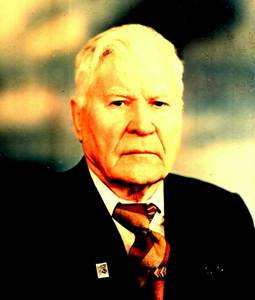 |
Mykhailo Oleksiyovych Zelenskyy (1912–1987) Doctor of Agricultural Sciences, Professor, Honoured Worker of Higher Education |
The school’s main focus is on researching and refining new breeding and genetic methods, and exploring ways to accelerate the breeding process when developing new varieties of major agricultural crops.
Mykhailo Oleksiyovych Zelensky was born on 22 May 1912 in the village of Karpilivska, Ust-Labinsk District, Krasnodar Krai, into the family of a peasant who had migrated from Chernihiv Governorate. In 1934, he graduated from the Krasnodar Agricultural Institute, having studied at the Department of ‘Plant Breeding and Seed Production’.
He began his career at the Maikop Experimental Station of the All-Union Institute of Plant Growing. It was there that he first met Academician M.I. Vavilov, who mentored him in his scientific work. He continued to work closely with this eminent scientist whilst studying for his postgraduate degree. In 1939, having completed his postgraduate studies and defended his thesis for the degree of Candidate of Biological Sciences, he moved to Ukraine and worked as a research fellow at the Institute of Fruit Growing.
During the Great Patriotic War, he took part in combat operations, was wounded, received treatment at a hospital in Chelyabinsk, and worked at a defence factory.
Mykhailo Oleksiyovych Zelenskyy began his teaching career in 1949 at the Kyiv Agricultural Institute, in the Department of Plant Breeding and Seed Production, as an associate professor and later as a professor. For ten years he served as Vice-Rector for Research (1945–1962), first at the Agricultural Institute and then at the Ukrainian Agricultural Academy, and for almost forty years (1949–1987) he headed the Department of Plant Breeding and Seed Production.
M.O. Zelensky’s life was devoted to his students; his 92 postgraduate students successfully defended their PhD theses, 36 of whom were from foreign countries, including Hungary, Poland, Syria, Egypt, Iran, Libya, China, Korea, Vietnam and other nations around the world.
Main scientific achievements
In the breeding of winter wheat, methods were investigated for creating new breeding material using domestic and foreign varieties adapted to the conditions of the northern Forest-Steppe; techniques for producing high-quality elite seed were refined.
Maize breeding, which began in the 1950s, continues to this day: research is being conducted and methods are being refined for the creation of breeding material to establish inbred lines; these are being studied for their genetic stability and a range of economically important traits; and the best of these are being transferred to the National Centre for Genetic Resources for Maize. In 1991, the Kulon MB hybrid, of which Mykhailo Oleksiyovych was a co-developer, was entered into the State Register of Plant Varieties of Ukraine.
By utilising the biological characteristics of winter rye, developing new selection methods and applying different timing of green mass mowing during the spring growing season, the ‘Kyivskoe Foderne’ variety of winter rye for fodder was developed and, in 1998, approved for cultivation in specific regions.
Work on fruit crops, which began in the pre-war years, culminated in the regionalisation and high demand for the apple varieties ‘Zimove Plesets’ke’, ‘Kyivske Zimove’ and ‘Podil’ske’.
The M.O. Zelensky School
It boasts a number of renowned plant breeders. Among them are the 1986 laureates of the USSR State Prize: Academician, Hero of Ukraine, and Director of the Institute of Plant Physiology and Genetics of the National Academy of Sciences of Ukraine, V.V. Morgun; I.P. Chuchmiy, Doctor of Agricultural Sciences and former Head of the Department of Genetics, Plant Breeding and Seed Production at the Uman Agricultural Academy; and S.P. Zaika, Candidate of Biological Sciences and Head of the Department of Maize Breeding and Primary Seed Production at the National Scientific Centre ‘Institute of Agriculture of the National Academy of Agrarian Sciences of Ukraine’; V.A. Kravchenko, Honoured Worker of Science and Technology, winner of the V.Ya. Yuryev Prize, and Academician of the National Academy of Agrarian Sciences of Ukraine. Students of Professor M.O. Zelenskyi, notably Doctors of Agricultural Sciences A.M. Fomichov and V.V. Gubernator, and Candidates of Agricultural Sciences V.Ya. Dvornik, V.S. Naboka, A.K. Parkhomenko, P.O. Chernenko, V.L. Zhemoida and many others, are the authors and co-authors of numerous regionally adapted varieties and hybrids of winter wheat, rye, barley, oats, tomatoes and maize.
In 1960, the textbook *Plant Breeding and Seed Production of Field Crops*, edited by M.O. Zelenskyi, was first published in Ukrainian for students at agricultural universities. In 1987, the textbook *Breeding and Seed Production of Agricultural Crops* for students of agricultural technical colleges was published, and it was reprinted in 1995.
Mykhailo Oleksiyovych is the author of nearly 300 scientific papers, as well as lectures and teaching materials on the breeding and seed production of agricultural crops for students, participants in professional development courses, lecturers at agricultural universities and technical colleges, and those working in the agricultural sector.
M.O. Zelensky was awarded the title of ‘Honoured Worker of Higher Education’ and has received numerous orders, medals and awards from the Exhibition of Achievements of the National Economy of Ukraine.
|
Oleksiy Oleksiyovych Sozinov Doctor of Agricultural Sciences, Professor, Member of the National Academy of Sciences of Ukraine and the National Academy of Agrarian Sciences of Ukraine |
Fields of research: plant science, genetics, crop breeding, agroecology and biotechnology.
The eminent scientist Oleksiy Oleksiyovych Sozinov was born on 26 April 1930 in the village of Yerzhovo, Rybnitsa District, Moldova. In 1954, he graduated from the Odessa Agricultural Institute.
Alexei Alekseevich began his scientific career as a postgraduate student at the All-Union Institute of Plant Breeding and Genetics (VSI, now the Institute of Plant Breeding and Genetics – National Centre for Seed Science and Variety Research, Odessa) under the supervision of the eminent plant breeder, Academician P.H. Garkavy. After defending his thesis in 1959, he became head of the institute’s grain quality laboratory. In 1963, he was appointed Deputy Director for Research. In 1964, he took charge of the Department of Genetic Foundations of Plant Breeding, which he had established. Under his leadership, alongside the continued study of various aspects of grain quality, extensive field and laboratory research was undertaken in plant genetics, in particular into the molecular-genetic basis of traits such as quality and resistance to biotic and abiotic stresses. Collaboration with plant breeders became more active.
In 1970, O.O. Sozinov defended his doctoral thesis and in 1971 was appointed director of the All-Union Institute of Plant Genetics and Breeding (VSGI). The scholar was entrusted with a challenging mission – to transform the institute from an outpost of so-called Michurinist biology into a world-renowned centre for plant genetics and breeding. Under his leadership, the institute became the international centre for genetics and plant breeding of the former Council for Mutual Economic Assistance (CMEA), and a new generation of crop varieties was developed there. For his achievements in scientific and organisational work, O.O. Sozinov was awarded three orders and numerous medals.
In 1973, he was elected a corresponding member of the V.I. Lenin All-Union Academy of Agricultural Sciences (VASGNI), in March 1978 – an academician of the Academy of Sciences of the Ukrainian SSR, and in October of the same year – an academician and first vice-president of VASGNI. From 1978 to 1984, in addition to his administrative duties, he headed the Laboratory of Biochemical Genetics at the Institute of General Genetics of the Academy of Sciences of the USSR (Moscow). From 1981 to 1987, he served as director of this institute, where he established a new branch of its scientific school – biochemical and molecular genetics. In 1987, O.O. Sozinova was elected chair of the Southern Branch of the All-Union Academy of Agricultural Sciences. His research continued in the Department of Genetics and Biotechnology of the Southern Branch of the All-Union Academy of Agricultural Sciences and the Academy of Sciences of the Ukrainian SSR (Kyiv), which in 1992 became part of the newly established Institute of Agroecology and Biotechnology. In 1990, a decision was taken to establish the Ukrainian Academy of Agrarian Sciences. The General Assembly of members of the newly established Academy elected O.O. Sozinov as an Academician and its first President. Since 2004, O.O. Sozinov has continued his active scientific work at the Institute of Plant Protection of the National Academy of Agrarian Sciences and the Institute of Cell Biology and Genetic Engineering of the National Academy of Sciences of Ukraine. From 1987 to the present day, he has been a member of the Presidium of the National Academy of Sciences of Ukraine.
O.O. Sozinov is an Honoured Worker of Science and Technology of the Ukrainian SSR (1990), a laureate of the State Prizes of Ukraine (1990) and the Russian Federation (1996) in the field of science and technology, and the V.Ya. Yuryev Prize of the National Academy of Sciences of Ukraine (1989). He has been awarded the Order of Lenin (1973), the Order of the Red Banner of Labour (1971), the Order of the October Revolution (1977) and a number of medals.
Main scientific achievements
O.O. Sozinov was the first to propose new, genetically grounded methodological approaches to addressing the important issue of improving the quality of cereals through breeding and agronomic practices. Under his leadership and with his direct involvement, the characteristics of the genetic determination of the synthesis and inheritance of complex, multi-component storage proteins in cereals and a number of other agricultural plant species were established. For the first time, using methods of electrophoretic separation of proteins, the block-like nature of the inheritance of prolamin components was demonstrated. Genetic analysis of experimental material has made it possible to formulate the principle of using parallel variants of clusters of related genes as effective genetic markers for studying the gene pool, as well as for the creation of varieties and lines of various species of agricultural plants; to establish a correlation between the variability of gene clusters encoding storage proteins and isoenzymes—acting as genetic markers—and the expression level of valuable agronomic traits, as well as the adaptability of genotypes to growing conditions.
Methods were developed for the identification and registration of plants, and for determining the varietal quality of seed material. In the 1990s, alongside research into genetics and plant breeding, studies were launched into the challenges of establishing a sustainable agrosphere in Ukraine and determining the role of biotechnology and the biological diversity of agricultural landscapes in these processes.
It was O.O. Sozinov who was one of the main initiators of the creation of the National Bank of Plant Genetic Resources of Ukraine and the implementation of the scientific and technical programme ‘Plant Genetic Resources’, and who always provided assistance and support in this endeavour.
O.O. Sozinov has published over 700 scientific papers, including 8 monographs, and has been granted 19 copyright certificates and patents. He is deputy editor-in-chief of the international scientific journal *Cytology and Genetics*, and a member of the editorial boards of a number of scientific journals, including *Bulletin of Agricultural Science*, *Biotechnology*, *Plant Genetic Resources* and others.
O.O. Sozinov attaches great importance to the training of new generations of scientists and highly qualified agricultural specialists. From 1992 to 2001, he headed the Department of Agroecology and Biotechnology at the National Agrarian University (now the National University of Life and Environmental Sciences of Ukraine). Under his academic supervision, 45 candidates and doctors of science have been trained.
Academician O.O. Sozinov’s scientific school comprises a large group of scientists who effectively pioneered research into protein and DNA polymorphism in plants, but who defended their theses in other countries; some of them joined this field of science whilst holding the degrees of Candidate of Sciences or Doctor of Sciences, but in other scientific disciplines.
The scientific school of Academician O.O. Sozinov includes the following scientists: E.V. Ananyev, Y.O. Asyka, M. Bito, O.K. Gapenko, G.V. Glazko, T.O. Egorov, G.V. Zayakina, M.M. Illichevsky, O.L. Kenzior, V.G. Kozlov, E.V. Metakovsky, O.Yu. Novoselska, M.G. Parfentyev, V.M. Panin, O.S. Rustambekov, A. Semikhatsky, O.P. Sidorenko, T.O. Sobko, I.O. Sozinov, A.I. Stakanova, G.A. Uzikova, D.A. Khashimov, A.M. Heitsef and others.
|
Mykola Gavrylovych Horodniy (1908–1987) Doctor of Agricultural Sciences, Professor,
|
The school was founded in 1960.
The school’s research activities are focused on developing effective components of advanced technologies for the cultivation of industrial crops.
Research area – the development of theoretical and practical foundations for increasing crop yields; the theory and practice of growing bast fibre crops; the effect of organic and mineral fertilisers on the physico-chemical, biological and physical properties of the soil, as well as on the yield and quality of hemp and other crops grown in crop rotations with hemp; methods of using manure, peat compost, green manure and mineral fertilisers; the effect of fertilisers on the yield and quality of fibre and seeds of jute, long-stalked flax and other bast fibre crops.
Supervisors – O.L. Skryplyov, Candidate of Agricultural Sciences, Associate Professor; P.I. Bondarenko, Candidate of Agricultural Sciences, Associate Professor; O.Ya. Shevchuk, Candidate of Agricultural Sciences, Associate Professor Yu.V. Shelestov, Candidate of Agricultural Sciences, Associate Professor V.M. Rechich, Doctor of Agricultural Sciences, Professor O.S. Ustimenko, Doctor of Agricultural Sciences, Professor O.M. Kutsenko.
M.G. Gorodniy has supervised 21 candidates and 3 doctors of agricultural sciences; he has published over 200 works.
The research school ‘Storage, Primary Processing and Processing of Plant Products’ was established in the late 1960s with two branches emerging at the same time:
under the supervision of B.V. Lesyk, PhD in Agricultural Sciences, Professor: ‘Storage, primary processing and processing of raw materials from cereal and industrial crops’;
under the supervision of V.L. Snizhko, PhD in Agricultural Sciences, Associate Professor: ‘Storage, primary processing and processing of potato tubers and fruit and vegetable produce’.
The school’s research focus is on studying the impact of factors relating to cultivation, harvesting, post-harvest handling, storage and processing on the quality of produce: cereals, oilseeds, flax, sugar beet, hops, pome and stone fruits, vegetables, tomatoes and potato tubers. Development and justification of technologies for post-harvest handling, storage and processing of crop produce.
Boris Vasylovych Lesyk, Doctor of Agricultural Sciences and Professor (1915–1997), was born on 2 June 1915 in the village of Kornyn, Popilnia District, Zhytomyr Region, into a family of teachers. In 1929, he completed his seven-year schooling in the village of Kornyn and, whilst there, enrolled at the agricultural technical college, from which he graduated in 1932. From December 1932 to December 1933, he worked as an agronomist at the Uzyn Sugar Factory in the Kyiv Oblast. In January 1934, he enrolled at the Hlukhiv Agricultural Institute, from which he graduated with distinction in 1938 and was recommended for research work.
From July 1938 to November 1940, he worked as a research assistant at the All-Union Research Institute of Hemp. In November 1940, he was conscripted into the Soviet Army. He served in the Soviet Army from November 1940 to January 1946, initially as a junior commander and later as an officer. He took part in combat during the Great Patriotic War of 1941–1945. Following his demobilisation from the Soviet Army in February 1946, he returned to his previous post at the All-Union Research Institute of Bast Crops. From 1946 to 1949, he worked as a research assistant and deputy director of the institute for production, whilst simultaneously studying for his postgraduate degree. After completing his postgraduate studies, that is, from August 1949, he worked as head of the technology laboratory at the Institute of Bast Crops.
In December 1951, following the defence of his thesis, he was awarded the academic degree of Candidate of Agricultural Sciences by decision of the Higher Attestation Commission, and in June 1953 he was awarded the academic title of Senior Research Fellow in the specialisation ‘Research into bast fibre materials’. From January 1954 to December 1959, he served as Deputy Director for Scientific Work at the All-Union Research Institute of Bast Crops. In December 1959, B.V. Lesyk was selected through a competitive process for the post of Head of the Scientific Information Department at the Ukrainian Research Institute of Agriculture. On 18 May 1960, he was transferred by the Ministry of Agriculture of the Ukrainian SSR to the post of Director of the Zhytomyr Agricultural Institute. In 1967, Professor B.V. Lesyk was transferred to work at the Ukrainian State Agricultural Academy (USGA), and in 1968 he headed the newly established Department of ‘Technologies for the Storage, Processing and Standardisation of Plant Production’.
In addition to his extensive organisational and scientific work, Professor B.V. Lesik carried out a wide range of consultancy work for the industry, for which he was awarded the ‘Excellence in Socialist Agriculture’ badge in 1969.
His main research focused on the storage and primary processing of hop cones, flax, sugar beet and cereal raw materials.
Throughout his academic career, B.V. Lesik devoted considerable attention to the training of academic staff. He supervised 52 candidates for the degree of Candidate of Sciences.
Vladimir Lavrentievich Snizhko (1913–1987), Candidate of Agricultural Sciences, Associate Professor. Before the war, Volodymyr Lavrentiyovych graduated from the Timiryazev Agricultural Academy. He worked in Belarus as an agronomist at the MTK, and later as a research assistant at the observatory and a lecturer at the Minsk Agricultural Technical College. On 22 June 1941, he enlisted in the active army as a private. He took part in battles against the Nazi invaders. He was awarded seven medals. After a spell in hospital in early 1946, he worked at the Kyiv Botanical Garden. From 23 August 1947, he was an assistant at the Department of Fruit and Vegetable Growing at the Kyiv Agricultural Institute. In 1952, V.L. Snizhko was awarded a Candidate of Agricultural Sciences degree, and in 1954, he was appointed Associate Professor of the Department of Fruit and Vegetable Growing and Agricultural Product Storage. From 1 September, he acted as head of the Department of Fruit and Vegetable Growing at the Ukrainian Agricultural Academy of the Order of the Red Banner of Labour.
His main research focused on the storage of potato tubers for various purposes, as well as the storage and processing of fruit and vegetable produce.
Associate Professor V.L. Snizhko has supervised 10 candidates for the degree of Candidate of Sciences.
His students include: M. Abramyk, E. Ashurov, A. Bober, T. Bovsunovskyi, T. Varenié, V. Voitsekhivskyi, P. Varvariuk, V. Herasymchuk, M. Hryshko, V. Didora, Yu. Derebon, V. Deineka, L. Yermakova, V. Zinchenko, M. Zygar, L. Zozulia, O. Klugen, M. Kucher, B. Kolos, Yu. Kurasov, M. Kanev, Kadem Al-Wagap, M. Kovtun, I. Lutsiuk, M. Linchak, O. Lysenko, A. Malinovskyi, B. Melnychenko, O. Mulyar, V. Nasikovskyi, M. Ostryk, O. Ostromenskyi, H. Podpryatov, S. Polishchuk, V. Rozhko, M. Rybak, V. Rygun, A. Skorchko, V. Starostyshen, V. Solonenko, I. Siryak, L. Skaletska, A. Senkov, M. Tkachuk, B. Fedorets, V. Khilevych, A. Shabranskyi, V. Shulyar, B. Shalbarov, O. Shobat, N. Yashchuk, F. Yumagulov.
The school has produced more than 50 highly qualified specialists for agricultural production and education.
Main academic achievements
Over 500 academic and methodological works, 55 monographs, textbooks and study guides have been published. In particular, it is worth noting the contribution made by postgraduate students who worked under the supervision of Professor B.V. Lesyk and Associate Professor V.L. Snizhko, namely:
– postgraduate students, who later became Candidates of Science, V. Didora, V. Khilevych, A. Senkov, V. Petrash, V. Deineka, V. Zinchenko, M. Rybak, Yu. Derebon, T. Bovsunovskyi, M. Ostryk, T. Varenié and A. Skorchenko. Since Ukrainian flax is the finest fabric for embroidery, for depicting landscapes and immortalising famous people;
– The science and practice of growing, harvesting and storing sugar beet – Ukraine’s main industrial crop – were enriched by postgraduate students of the department, who later became Candidates of Science: A. Malynovskyi, V. Starostyshen, M. Kucher, M. Abramyk, F. Yumagulov, V. Solonenko and I. Siryak;
– Postgraduate students of the department – S. Polishchuk, B. Fedorets, M. Hryshko, O. Lysenko and M. Zygar – made a significant contribution to the development of potato cultivation – specifically, its growing, harvesting and storage. Subsequently, Doctor of Agricultural Sciences S.F. Polischuk and Candidate of Agricultural Sciences B.P. Fedorets became renowned scientists and organisers of research into the storage of potato tubers;
– the school of hop-growing, headed by Prof. B.V. Lesyk, ensured the successful development of hop-growing in Ukraine. Postgraduate students of the department, who went on to become Candidates of Sciences, made a significant contribution, namely: P. Varvaryuk, O. Ostromensky, A. Shabransky, V. Shulyar, M. Kovtun, O. Mulyar, I. Lutsiuk, V. Melnichenko, O. Klugen and V. Gerasymchuk. Later, A.V. Bober, a Candidate of Agricultural Sciences, joined the department (supervised by Professor G.I. Podpryatov);
– the influence of cultivation factors was investigated; optimal harvest times and storage conditions for maize, triticale, barley, rapeseed and rye were recommended by postgraduate students of the department, followed by candidates of agricultural sciences: E. Ashurov, B. Shalbarov, B. Kolos, G. Podpryatov, L. Yermakova, M. Linchak, Y. Kurasov, M. Kanev and M. Tkachuk. Subsequently, V. Nasikovsky made a scientific contribution (supervisor – Professor G.I. Podpryatov);
– from 1968 onwards, research began into the influence of cultivation, harvesting and processing factors on the biochemical composition of pome and stone fruits, vegetables (L.F. Zozulia), tomatoes (postgraduate student Kadem al-Wagap, O. Shobat) and potato tubers (L.F. Skaletska). Research into new crops (actinidia, gum) and varieties of fruit, berry and vegetable produce continues to this day (L.F. Skaletska, V.I. Voitsekhivskyi, O.V. Zavadskaya). This research has been covered in numerous published articles, recommendations and handbooks.
In 2005, under the supervision of B.V. Lesik (Professors G.I. Podpryatov, A.S. Malynovskyi, and Associate Professor A.M. Senkov) organised the International Scientific and Practical Conference ‘Modern Achievements and Prospects for the Development of the Plant Production Storage and Processing Sector’, dedicated to the 90th anniversary of Professor B.V. Lesyk’s birth.
Prospects for the school’s development
The research school of Professor B.V. Lesik, under the leadership of Professor G.I. Podpryatov, continues its research into the most pressing issues relating to post-harvest handling, storage and primary processing of crops in the fields of arable farming, vegetable growing and fruit growing, focusing on the following main areas:
- the development of technologies for the post-harvest handling, storage and processing of cereals, flax, hops, vegetables, sugar beet and potato tubers (Prof. G.I. Podpryatov, Assoc. Prof. V.I. Rozhko, Assoc. Prof. A.V. Bober, Assoc. Prof. V.A. Nasikovsky);
- studying the impact of cultivation practices and meteorological factors on the quality of potato tubers, fruit, vegetables, industrial crops and cereals during storage (Associate Professor L.F. Skaletska, Associate Professor V.I. Voitsekhivskyi, Associate Professor L.M. Matseiko, Associate Professor V.M. Zavgorodniy, Assistant Lecturer N.O. Yashchuk, Postgraduate Student V.V. Petrenko, O.B. Dovbysh);
- selection of vegetable and fruit varieties suitable for drying and pickling (Associate Professor L.F. Skaletska, Associate Professor O.V. Zavadskaya).
The Scientific School of Herbology
|
Ivan Vasylovych Veselovskyi (1927–2003) Doctor of Agricultural Sciences, Professor The Scientific School of Herbology, founded in 1970 |
The school’s area of specialisation is the scientific foundations of herbology and the development of measures to protect crops from weeds.
I.V. Veselovsky is one of Ukraine’s leading herbologists. The field of science in which he worked was agriculture. The main focus of his scientific work was the development of an integrated system for protecting agricultural crops from weeds. He devoted considerable attention to the study and implementation of chemical methods for controlling weed infestation in crops. He co-authored the ‘Atlas and Guide to Weeds’.
He has published 350 scientific papers, including 10 monographs, 10 inventions and 10 practical recommendations for industry. He has supervised 3 Doctor of Science and 15 Candidate of Science degree candidates.
His successors include Y.P. Manko, S.P. Tanchik and V.M. Zherebko, all of whom hold a Doctorate in Agricultural Sciences and are professors.
Research School of Soil Conservation and Soil-Conserving Agriculture
|
Mykola Kindratovych Shykula Doctor of Agricultural Sciences, Professor, winner of the State Prize of Ukraine in Science and Technology Research School of Soil Conservation and Soil-Protective Farming (founded in 1974) |
Field of research: soil conservation, conservation tillage, agroecology. Development and implementation of a system for preserving soil fertility, and for preventing and mitigating the effects of water and wind erosion and the degradation of Ukraine’s soil cover. Development and justification of soil-conserving crop cultivation technologies, based on minimising tillage and the biologisation of agriculture, for the soil-climatic zones and sub-zones of Ukraine.
M.K. Shikula was born in the village of Velyka Lepetykha in the Kherson Oblast. After completing lower secondary school, he enrolled in 1939 at the Nikopol Agricultural Technical College of Agroforestry and Land Reclamation. When the Great Patriotic War began, he spent a long time under occupation; in 1944, he was conscripted into the army, and in 1945 he saw out the war on the island of Rügen in Germany. In 1950, he was demobilised from the army, completed his studies at the Nikopol Technical College as an external student, and in the same year was sent to study at the Timiryazev Moscow Agricultural Academy, from which he graduated with distinction in 1955. In 1960, he defended his PhD thesis; between 1960 and 1970, he worked at the All-Union Scientific Research Institute of Soil Science (UNDIG) as a senior research fellow and later as head of the laboratory for improving the fertility of eroded soils and land reclamation. In 1968, he defended his doctoral thesis. 1970–1974 – Director of the All-Union Research Institute for Soil Protection against Erosion, Kursk. 1974–1999 – Head of the Department of Soil Science and Soil Protection at the National Agrarian University (now the National University of Life and Environmental Sciences of Ukraine). In 1974, under the leadership of F.T. Morgun and with the scientific guidance of Professor M.K. Shikula, the Poltava large-scale experiment on the accelerated development and implementation of a soil-conservation farming system was launched. Based on field trials investigating the effectiveness of soil-conservation farming systems across all zones and sub-zones of Ukraine, 14 doctors of science and 50 candidates of science were trained under the supervision of Mykola Kindratovych. Professor Shikula travelled to Hungary, Germany and Czechoslovakia to deliver lecture series on soil-conserving agriculture. In 1991, M.K. Shikula was awarded the State Prize of Ukraine in Science and Technology ‘For the development of a basic model and the implementation of a soil-conservation farming system with contour-based land improvement’. Since 2009, the Department of Soil Science and Soil Conservation at the National University of Life and Environmental Sciences of Ukraine has been named after Professor M.K. Shikula.
Prominent members of the academic school: O.G. Tarariko, Academician of the National Academy of Agrarian Sciences of Ukraine; Professor A.D. Balaev, Head of the Department of Soil Science and Soil Conservation at the National University of Life and Environmental Sciences of Ukraine; O.V. Demydenko, Director of the Smila Branch of the Cherkasy Institute of Agricultural Engineering; Mahmoud el-Askar, Professor at the University of Aleppo, Syria; M.M. Dolya, Professor at the Department of Entomology, National University of Life and Environmental Sciences of Ukraine; N.M. Ridey, Vice-Rector for Academic and Cultural-Educational Affairs, National University of Life and Environmental Sciences of Ukraine; O.L. Tonha, Dean of the Faculty of Agrobiology, National University of Life and Environmental Sciences of Ukraine from 2006 to 2011.
Key achievements of the research school.
Soil-conservation technologies for growing agricultural crops have been developed, based on minimising tillage and the biologisation of agriculture; The ‘shock’ state of the soil during ploughing has been theoretically substantiated; the assimilation of carbon from the soil air and soil (CO₂ in the soil solution) by heterotrophic microorganisms, leading to the formation of new organic matter, has been discovered; The biochemical mechanism of humus formation and the self-regulation of soil fertility have been elucidated; the hierarchical, discrete nature of the increase in effective fertility over time has been substantiated; and the use of non-marketable crop residues as organic fertilisers and as a source of energy for the soil-forming process in agrocenoses has been scientifically substantiated.
The significance of the research school’s work for society: the introduction of soil-conservation technologies into production enables savings in fuel (2–4 times), mineral fertilisers (by a factor of 2), pesticides (by a factor of 5–8), working time (by a factor of 3), and metal consumption per metre of tillage implements (by a factor of 2), whilst also providing a moisture-retention effect of up to 50 mm of available moisture, compared with plough-based technologies.
In global agricultural science, considerable attention is paid to the research and implementation of energy-, resource- and moisture-saving technologies. Even today, representatives of the scientific community are actively conducting research into the development and improvement of soil-conservation technologies.
National School of Feed Producers
|
Volodymyr Ivanovych Moiseenko Doctor of Agricultural Sciences, Professor (1919–1994) Name of the academic school: National School of Forage Producers Year the academic school was founded: 1972 Founder of the academic school: V.I. Moiseenko |
Today, the following academics are continuing V.I. Moiseenko’s work at the V.I. Moiseenko Research School: R.T. Ivanovska, O.M. Kozyar, P.U. Kovbasyuk, and the following professors: G.I. Demydas, V.P. Kovalenko, V.V. Yamkova, O.V. Golubev, L.M. Burko, Yu.V. Demtsyura and I.V. Galushka.
The founder and establisher of the academic school of feed producers is Dr Volodymyr Ivanovych Moiseenko, Doctor of Agricultural Sciences and Professor, who was born on 13 July 1919 in the village of Zdorovka, Vasylkiv District, Kyiv Oblast, into a peasant family. From 1927 to 1934, he attended the lower secondary school in the village of Zdorovka. From 1934 to 1938, he was a student at the Kyiv Technical College of Railway Operations. After graduating from the technical college, he worked as a freight clerk at Kyiv I Freight Station. From 1939 until 15 July 1941, he served as station supervisor at Volynskyi-Post station. From 15 July 1941 to 29 October 1941, he worked as senior weighmaster and head of the freight yard at Volynskyi-Post station on the South-Western Railway. In July 1941, he was placed on barracks duty, taking part in the defence of the station against bombing raids and saboteurs, whilst also performing the duties of head of the military train – chief conductor – at Volynskyi Post station, and subsequently at Penza station on the Penza Railway until he was wounded on 29 October 1941 (classified as a Group III invalid).
Following his treatment, from 3 May to 1 October 1942, he served as acting military dispatcher for the Kazan Railway. From 1 October 1942 until 1944, he was a student at the Kazan Agricultural Institute. From 1 March 1944 to 10 July 1946, he studied at the Faculty of Agronomy of the Kyiv Agricultural Institute. Upon graduating, he was retained as a teaching assistant at the Kyiv Agricultural Institute. From 15 November 1946 to 15 October 1949, he was a postgraduate student at the Department of Crop Production at the Kyiv Agricultural Institute. From 1 September 1948 to March 1952, he worked as an assistant at the Department of Crop Production.
On 9 May 1951, he defended his PhD thesis at a meeting of the Council of the Faculty of Agronomy at the Ukrainian State Agricultural Academy, in pursuit of the degree of Candidate of Agricultural Sciences, on the topic: “Methods for achieving high yields of perennial grasses in grass-arable crop rotations in the Polissya region of the Ukrainian SSR and the South Crimean Canal area”. In March 1953, he was awarded the title of Associate Professor in the Department of Crop Production.
He defended his doctoral thesis for the degree of Doctor of Agricultural Sciences on the topic: “Scientific foundations for growing high yields of fodder crops in the Polissya and Forest-Steppe regions of Ukraine” in 1969 at a meeting of the Council of the Faculty of Agronomy at the Ukrainian State Agricultural Academy.
From 1972 to 1994, he was Head of the Department of Forage Production and Agricultural Land Improvement.
Under his leadership, effective application rates and ratios of mineral fertilisers for maize on peat soils in the Zhytomyr region and mineral soils in the Kyiv region were scientifically substantiated and introduced into agricultural practice. He developed the principles for increasing the yield of forage lupins. He recommended systems for preparing topsoil and applying fertilisers to increase the productivity of grassland vegetation on chernozem meadow soils in the Northern Forest-Steppe of Ukraine. He developed a system for improving natural forage lands and the rational use of cultivated pastures at the Novooleksandrivsk Horse Breeding Farm in the Voroshilovgrad region. A technology for growing catch crops of winter brassica fodder crops has been developed and implemented in the Illinets District of the Vinnytsia Region over an area of 1,200 hectares. Measures have been developed to regulate the water regime both for the improvement of natural forage lands and for the creation of cultivated irrigated pastures, as well as for the cultivation of forage crops on these lands.
He has been awarded the following medals: ‘For Valiant Labour’, ‘Veteran of Labour’ and ‘1,500th Anniversary of Kyiv’.
In total, Professor V.I. Moiseenko published more than 260 academic works; among his most significant publications are the following: Crop Production. A textbook for students of economic universities and faculties. – Kyiv: Vyshcha Shkola, 1987; Crop Production with the Fundamentals of Agriculture. A study guide for schools training workers in general agricultural professions. – Kyiv: Urozhay, 1986; Crop Production. Laboratory and practical sessions. – Kyiv: Vyshcha Shkola, 1983; Curricula and programmes for comprehensive schools training workers in general agricultural professions. – Kyiv, 1986.
Volodymyr Ivanovych Moiseenko established a school of forage producers, which remains active to this day and successfully implements theoretical and practical guidelines for the development of forage production in Ukraine, based on optimising the combination of arable and grassland forage production and improving technologies for the production of environmentally friendly and biologically valuable forage. Under his academic supervision, 36 people have successfully defended their PhD theses; they are now working at the National University of Life and Environmental Sciences of Ukraine, other universities and research institutions in Ukraine and abroad.
At the present stage of development of the agro-industrial sector, the department’s team, continuing the work of Professor V.I. Moiseenko, is studying the patterns governing the productivity of field forage crops and grassland phytocenoses. The scientific, methodological and educational work initiated by Professor V.I. Moiseenko is being continued by his students and the department’s lecturers.