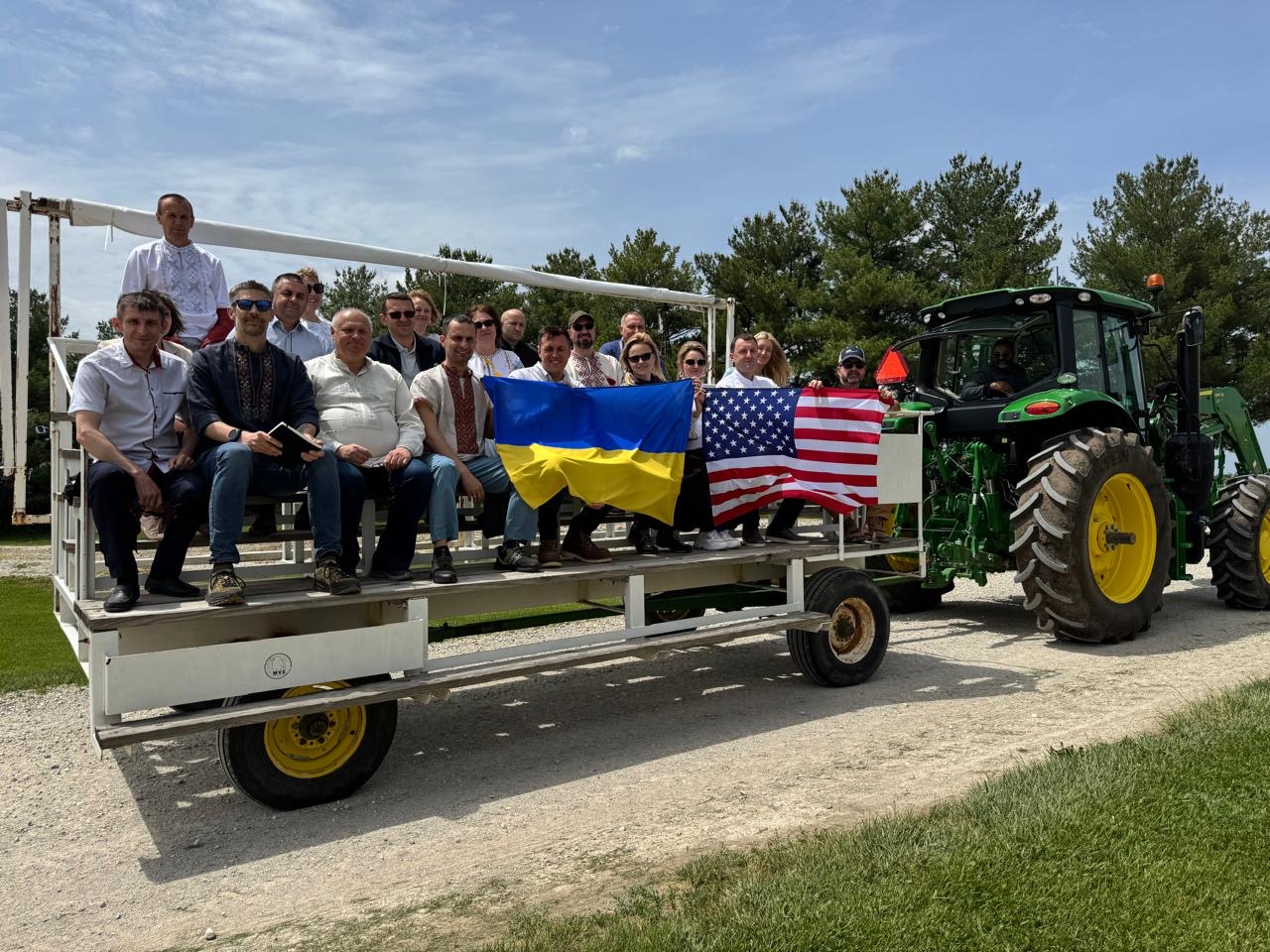
Strong agriculture starts with people, strong people in agrosphere — with quality education: conclusions of the week in the United States
I want to share my impressions about the week of my stay in the United States. I always knew that this is a country of opportunities, high technologies and in it everyone can feel independent. Several times I could not decide on such a long journey, but this time I am here with AgroScouts from Ukraine, the visit is supported by the US government, provided through the AGRO Program — Program for agricultural and rural development — AGRO.

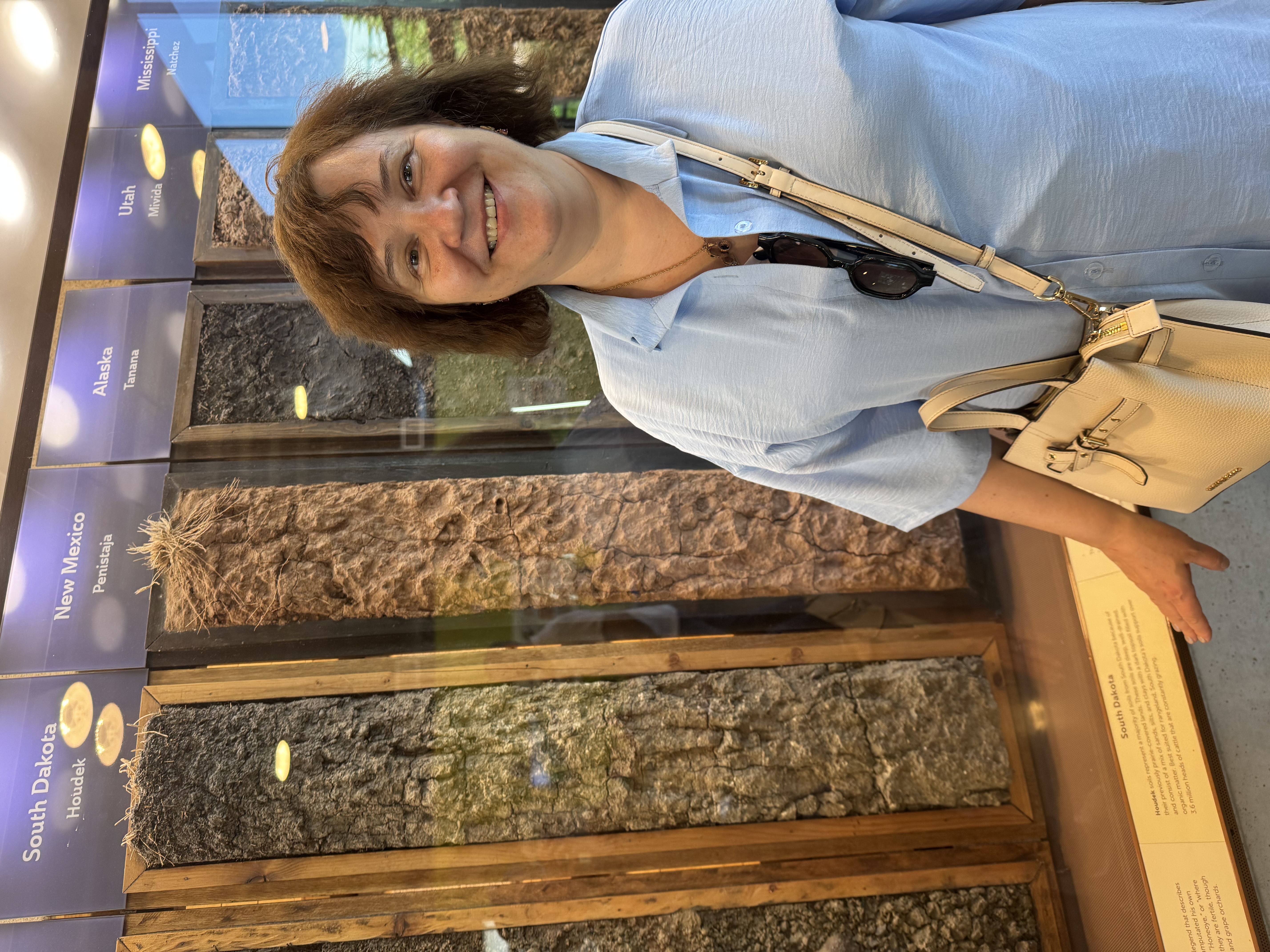
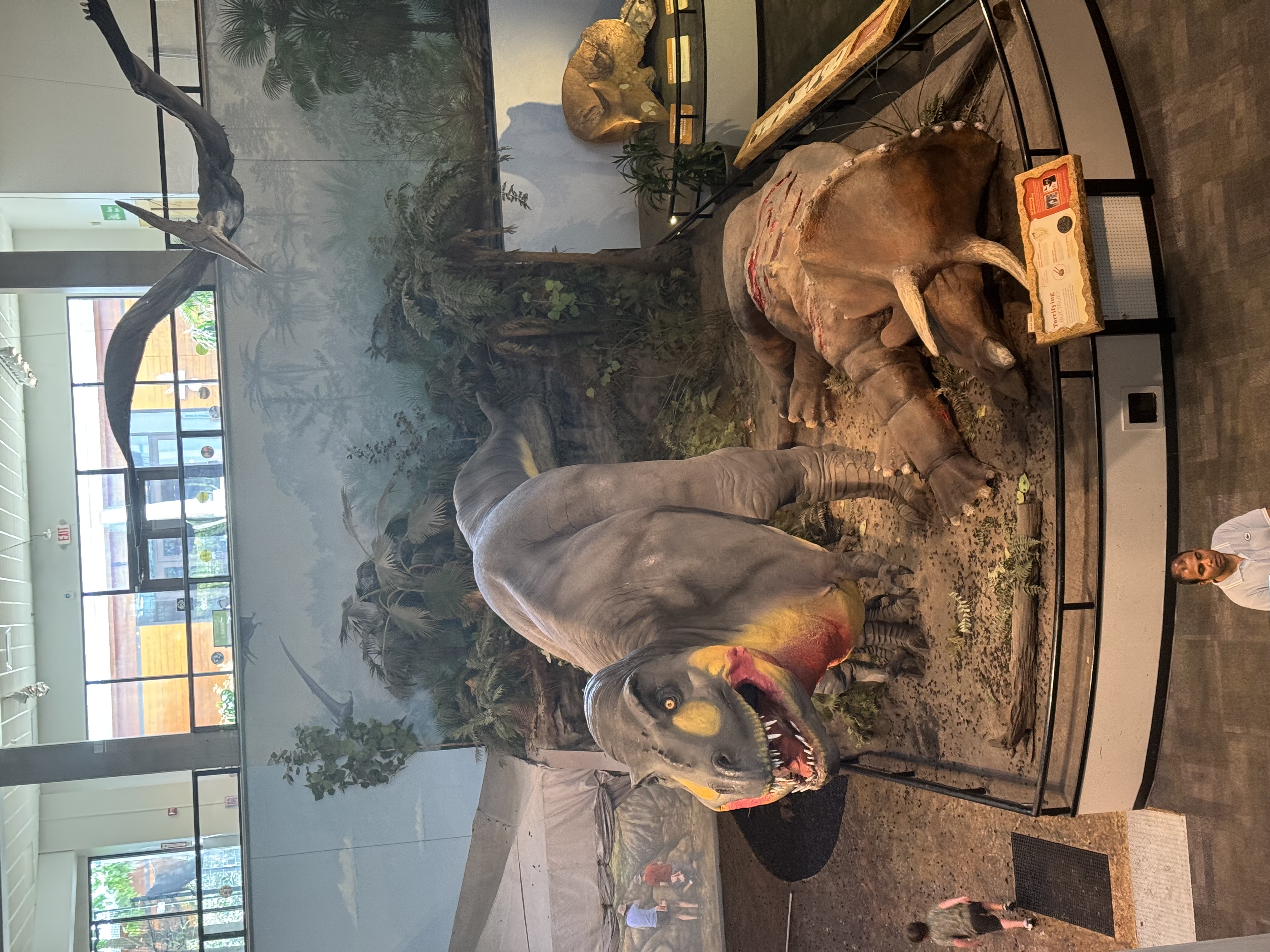
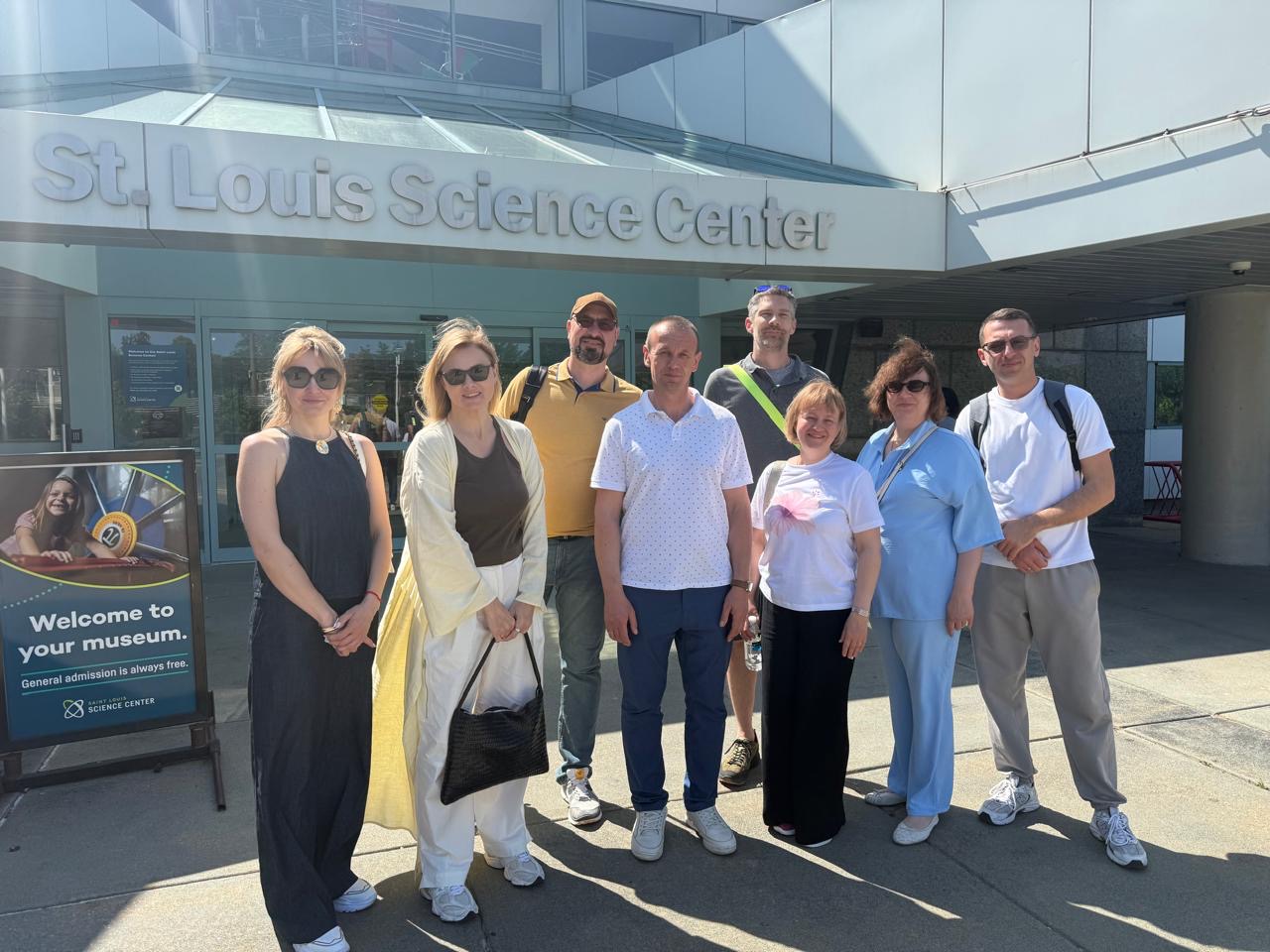
On the first day, which was very symbolic, as we got to the Day of Science in Ukraine and visited one of the largest scientific and educational centers in the United States — St Louis Science Center in St Louis, US. This place combines modern science, technology, interactive expositions and practical promotion of research for society. A unique collection of soil monoliths from different states of America — full-profile soils from all over the country-made an extraordinary impression. This makes it possible to see how diverse the natural conditions of the United States are and how the soil forms the agricultural specialization of the regions. Very simply, often in a playful way for children and the population, modern agricultural technologies are presented from simple to complex, which change modern agriculture. Such centers once again show how important it is to promote agricultural science, modern technologies and understanding of natural resources among young people and society. I was struck by the fact that so many children play in the museum, there are no strict requirements for how and where to go. Science is interesting and presented in an accessible form!
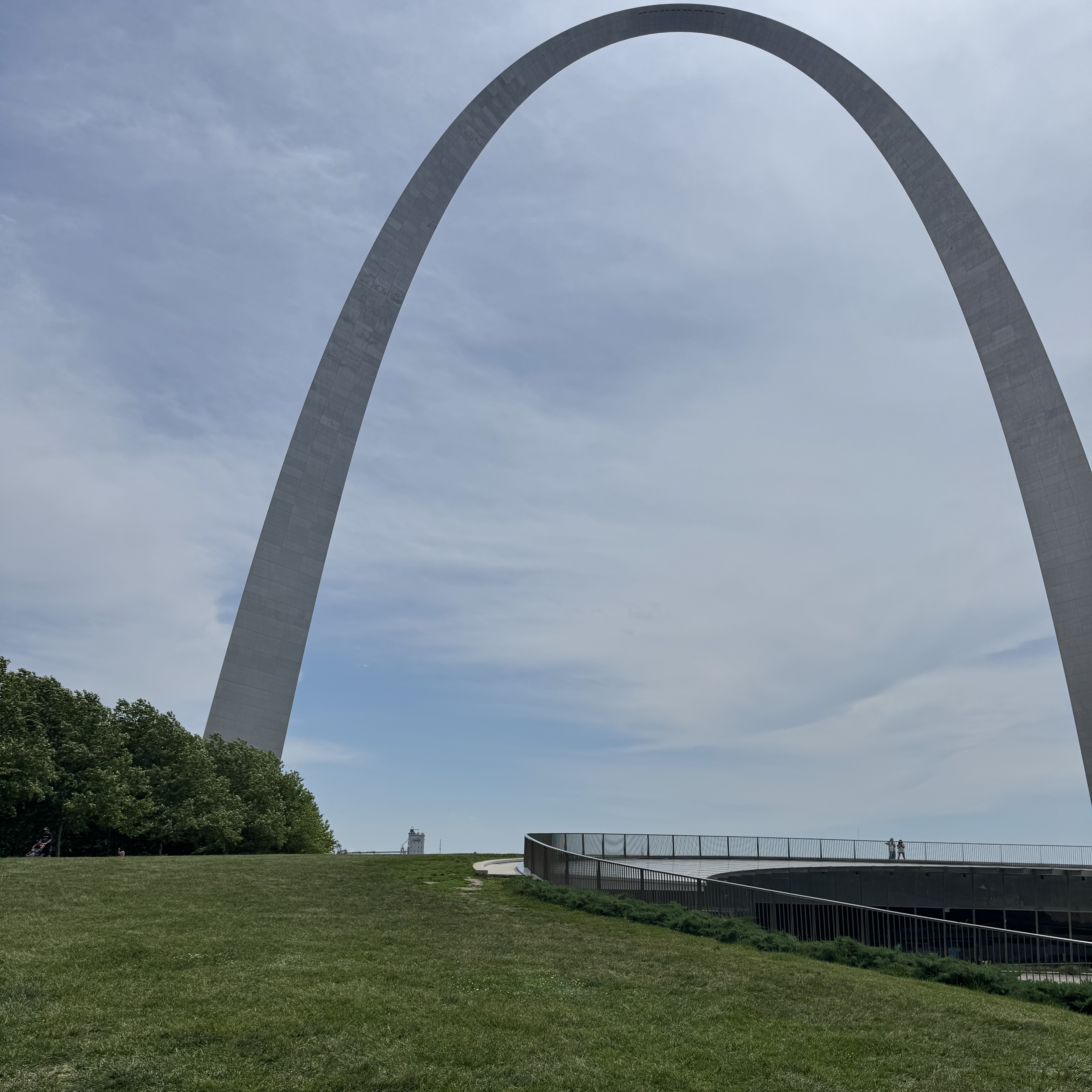
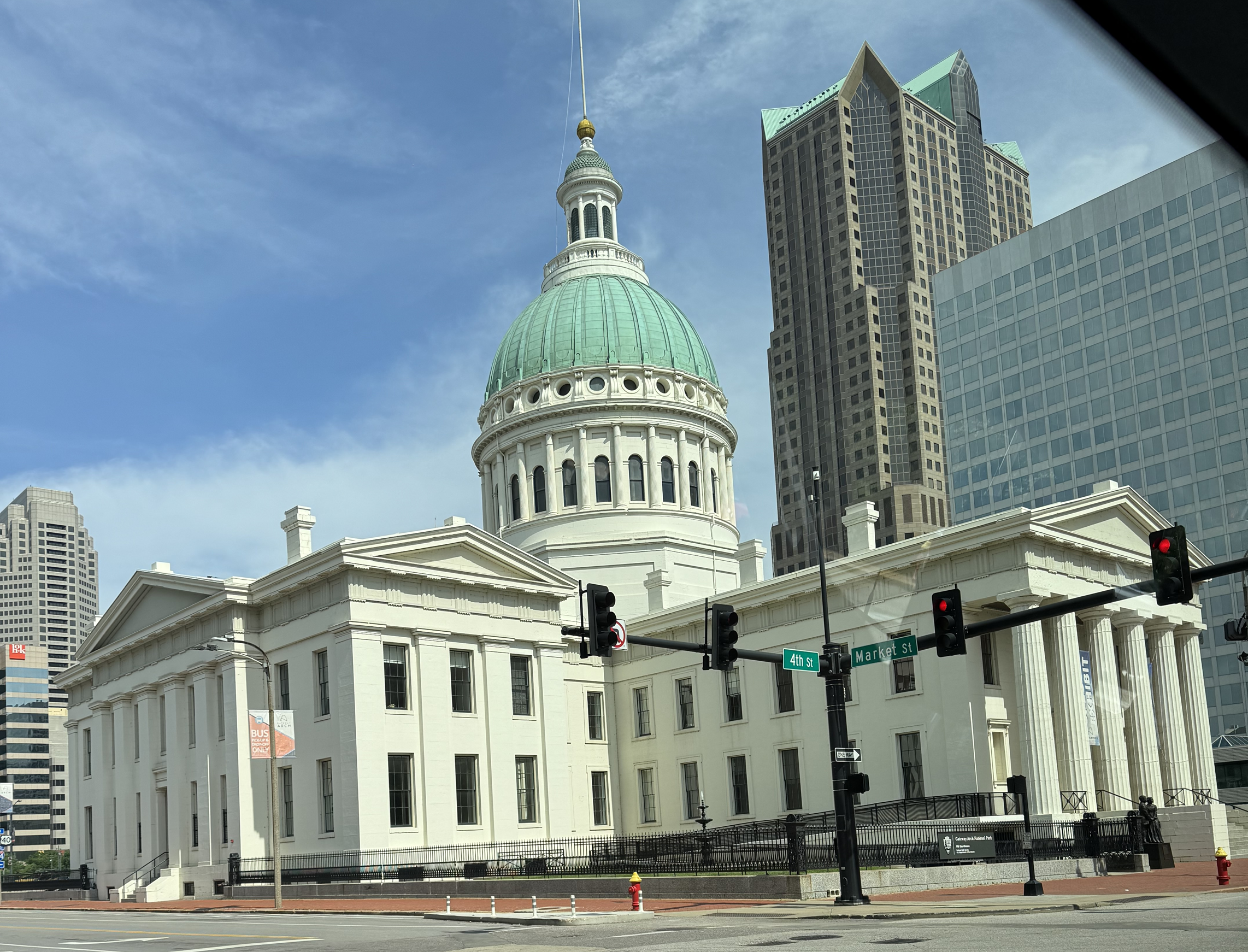
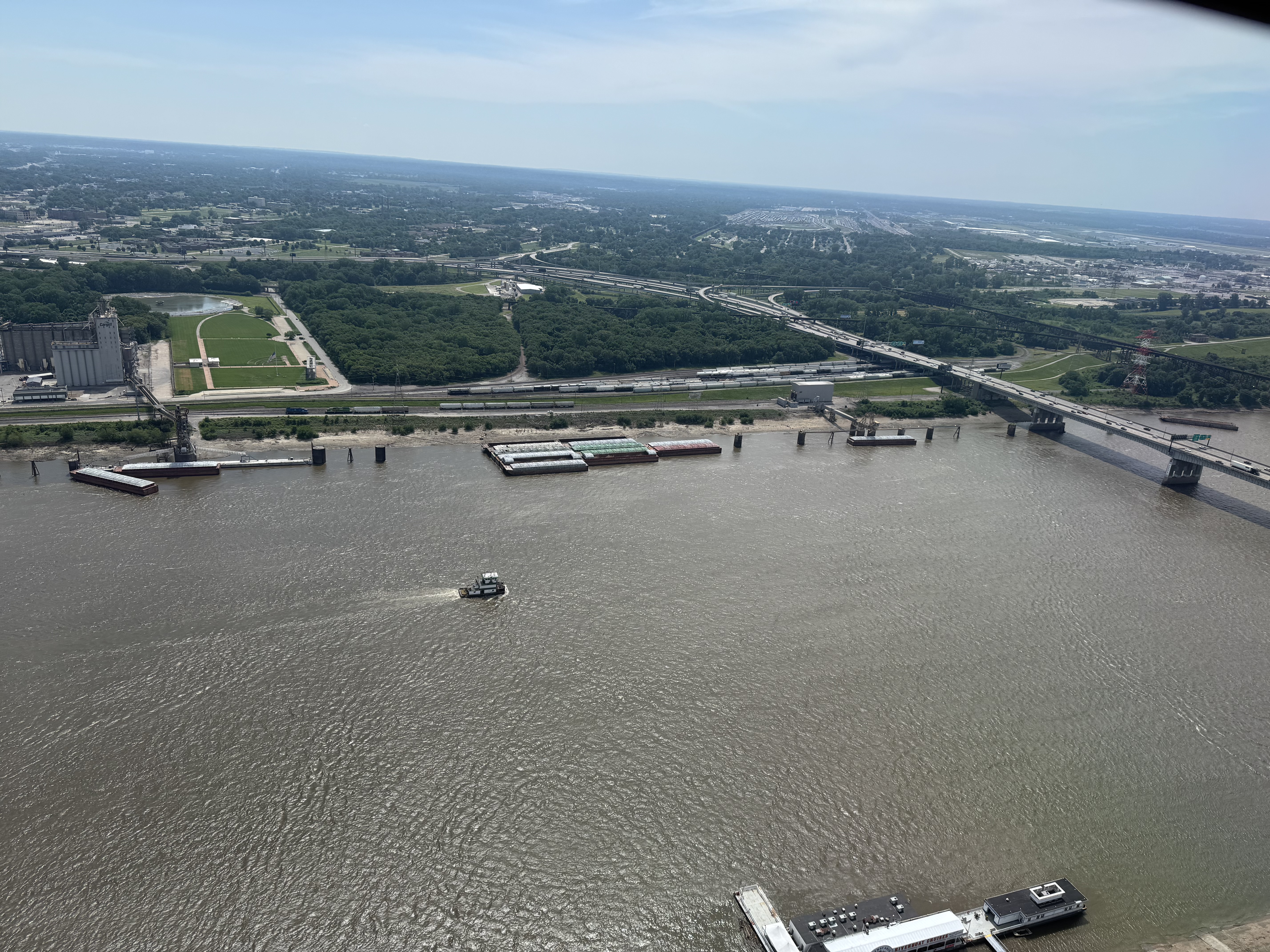
We also visited a unique Gateway Arch National Park in St. Louis, Missouri, known for its 192-meter Arch-gate. It is the smallest National Park in the United States, honoring the city's role in the development of the American West. The tram took us to the top, which offered a unique view of the Mississippi river. We also saw interactive galleries about US history and the construction of the monument, which are completely free of charge, and the Old Courthouse, a historic building where well-known civil rights cases were heard.
On the first day of practice in the United States we visited the cooperative Service & Supply (Bellflaver), where we got acquainted with field scouting and service provision. Employees of the cooperative, while performing daily field work, simultaneously monitor crops, analyze the state of crops, record problems and promptly transmit data for decision-making. Special attention is paid to precision farming and digital technology integration. We were shown the work of artificial intelligence systems that use cameras and sensors to detect weed foci and allow local application of herbicides only where necessary. In individual fields, this allows you to process less than half of the area, significantly reducing costs and environmental stress. An important element of the American model is the ongoing cooperation of farmers and cooperatives with the University of Missouri (Mizzou). It is the university that forms the scientific base: it conducts research, tests technologies, analyzes the effectiveness of solutions, and manufacturers quickly implement the results in practice.
It was interesting to visit one of the largest auction Centers for young cattle in Missouri Callaway Livestock Center — the American livestock market: batch formation, animal evaluation, digital monitoring systems and the auction process itself, which takes place very quickly, clearly and as organized as possible.
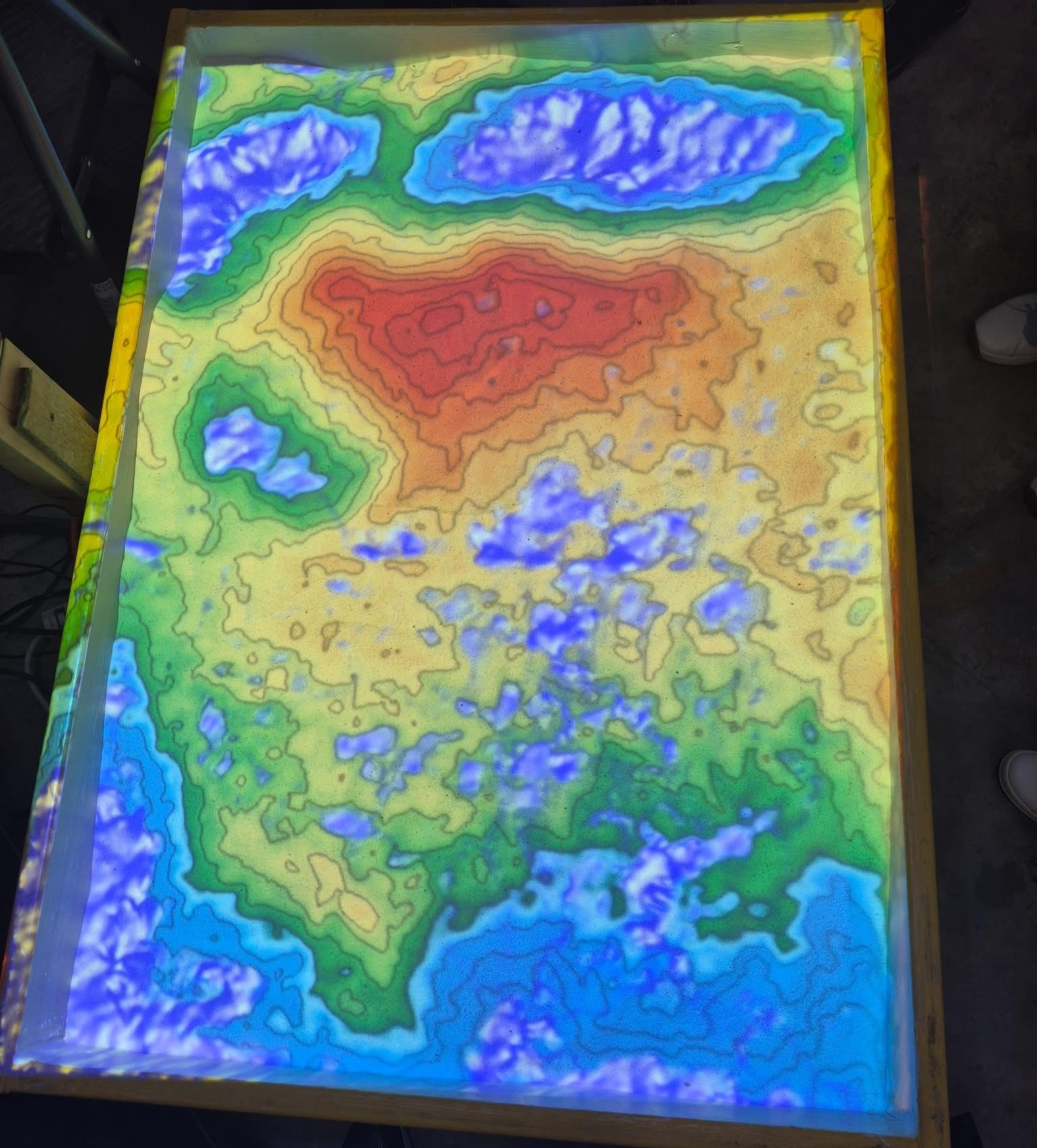
In Greenley Research Center an interactive sandbox for terrain modeling made a special impression with the help of sensors, projections and digital technologies, the system shows in real time: the movement of water on the surface; the formation of erosion processes; the influence of terrain on moisture accumulation; features of landscape management; the relationship between topography and agricultural production. In fact, this is a visual model of how natural processes work in the field — from water runoff to the risks of soil erosion. Such solutions are actively used in the United States for training students, training agronomists, agricultural Scouts and precision farming specialists. It's great to see how complex scientific processes can be explained so simply, interactively, and practically.
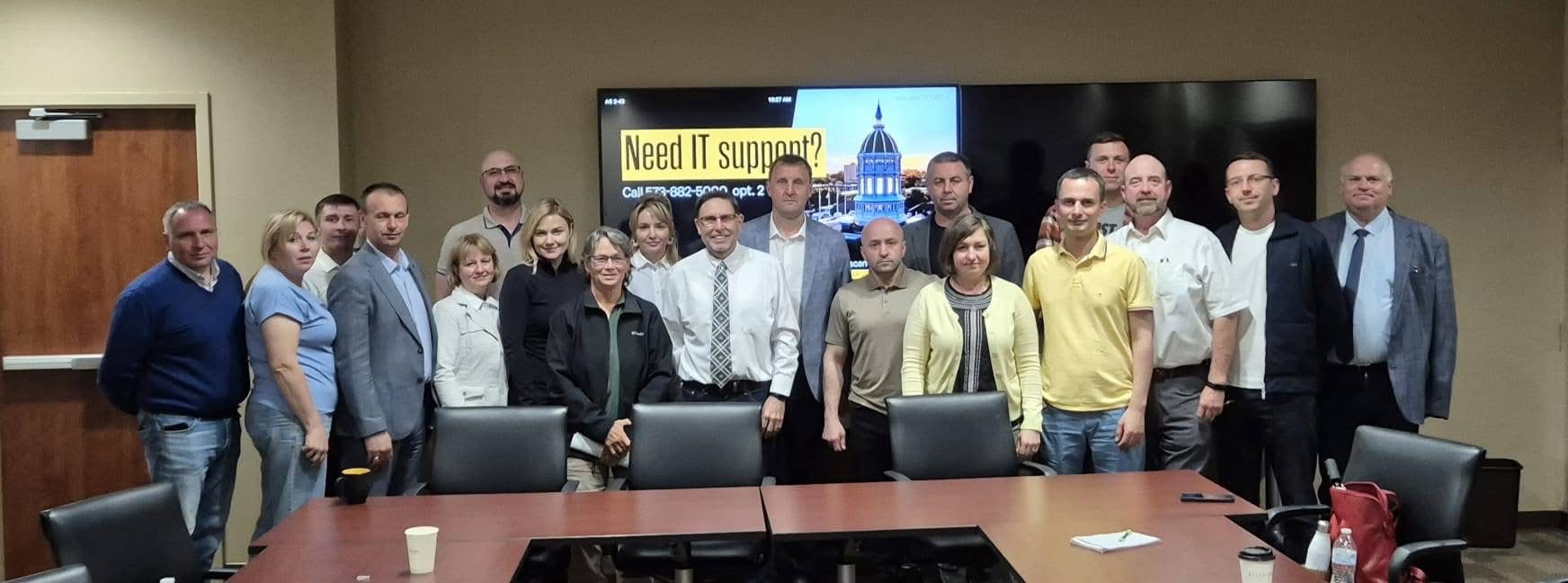
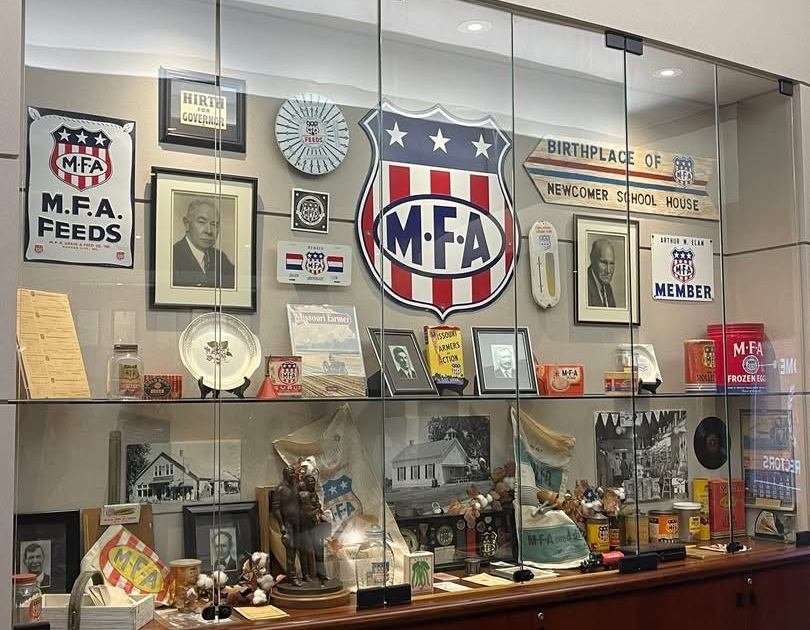
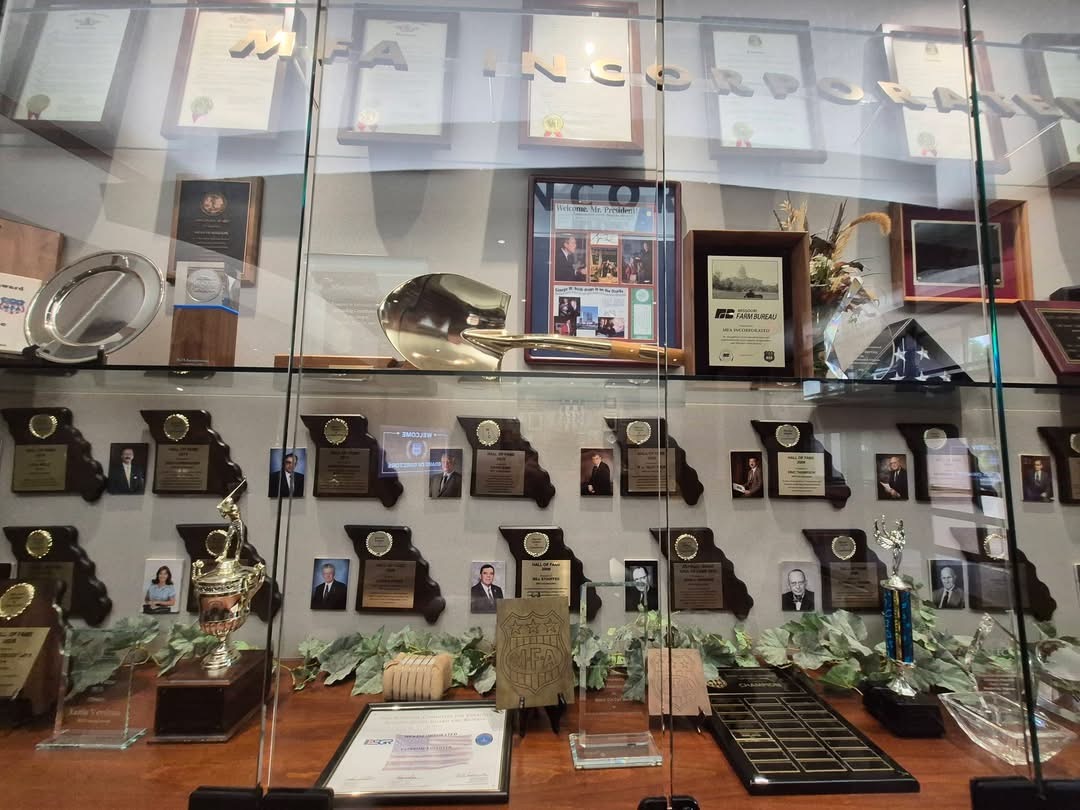
MFA Incorporated: how farmers' cooperation, agricultural scouting, and precision farming work in the United States — one of the largest regional farm purchasing and sales cooperatives in Missouri, founded in 1914.
Today, MFA is not just a cooperative in the classical sense. This is a powerful agricultural service system that unites more than 45 thousand co-owners, operates in several states and has a wide network of agricultural service locations. In the United States, a turnkey farmer support model has been built — from providing seeds, fertilizers, plant protection products and feed to full agronomic support, analyzing field data and developing recommendations for a specific field. During the meeting, MFA representatives showed how field scouting data are integrated into the agronomic decision-making system. In fact, agricultural scouting in such a system is not just a visual inspection of the field. This is part of a large analytical process, where each observation must turn into a specific action: changing the application rate, adjusting protection, refining nutrition, or optimizing costs. Special attention was paid to technologies of differentiated fertilizer application. MFA agronomists create task maps, analyze soil variability and productivity, and help farmers manage the field not "on average", but zonally — according to the real potential of each site.
It is very significant that the list of cooperative services is formed not formally, but directly for the needs of farmers. Some people use basic services, while others choose a full package of agronomic support with deep analytics and constant support.
For us, this experience is extremely valuable, because it demonstrates how cooperation can be not only an economic association of farmers, but also a tool for technological development, access to knowledge, services and modern precision farming solutions. It is also important that American colleagues openly talk about challenges that are very similar to Ukrainian ones: the need for young specialists, the shortage of personnel in the agricultural sector, the need to train new-generation agronomists who can work not only with plants and soil, but also with data, digital platforms and economic analytics.
Such examples give an understanding of what a modern AgroScout center in Ukraine can be: not just a laboratory or a consultation point, but a full-fledged support system for an agricultural producer — from field monitoring to practical recommendations.
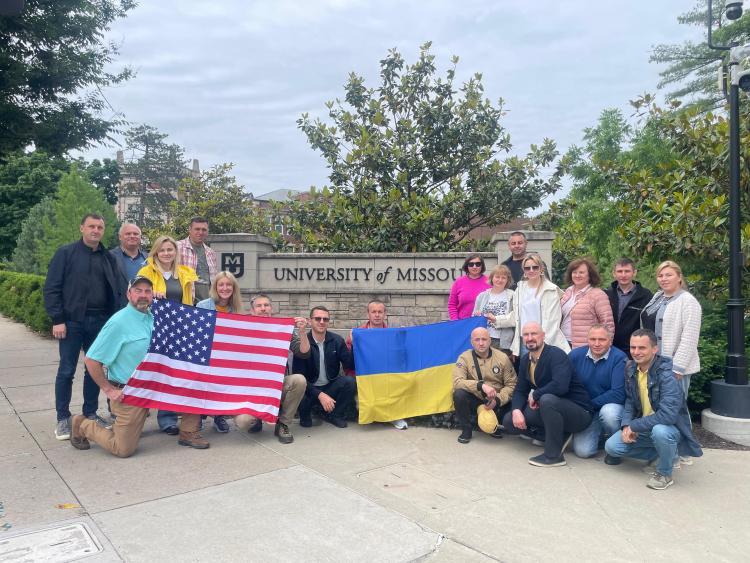
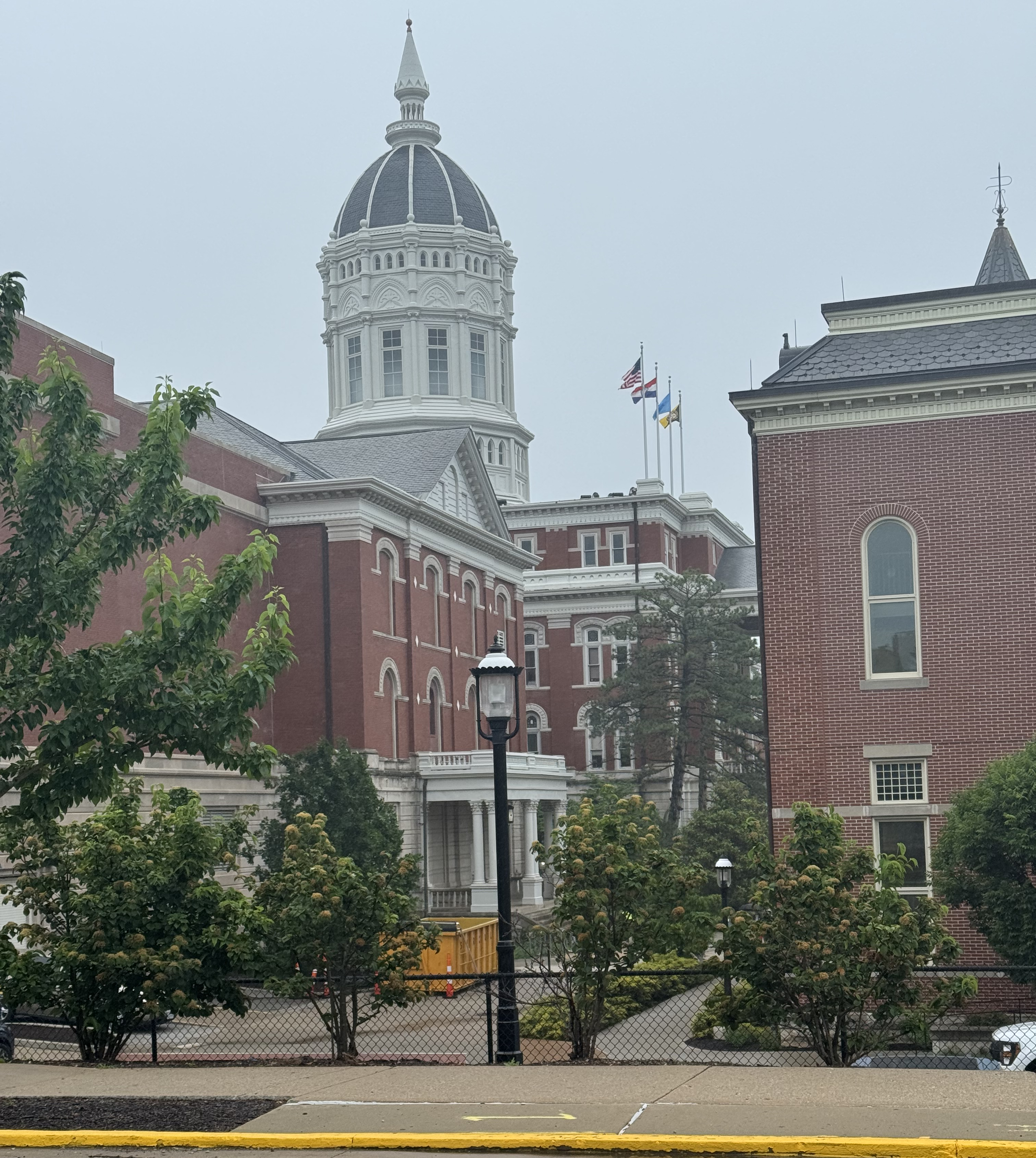
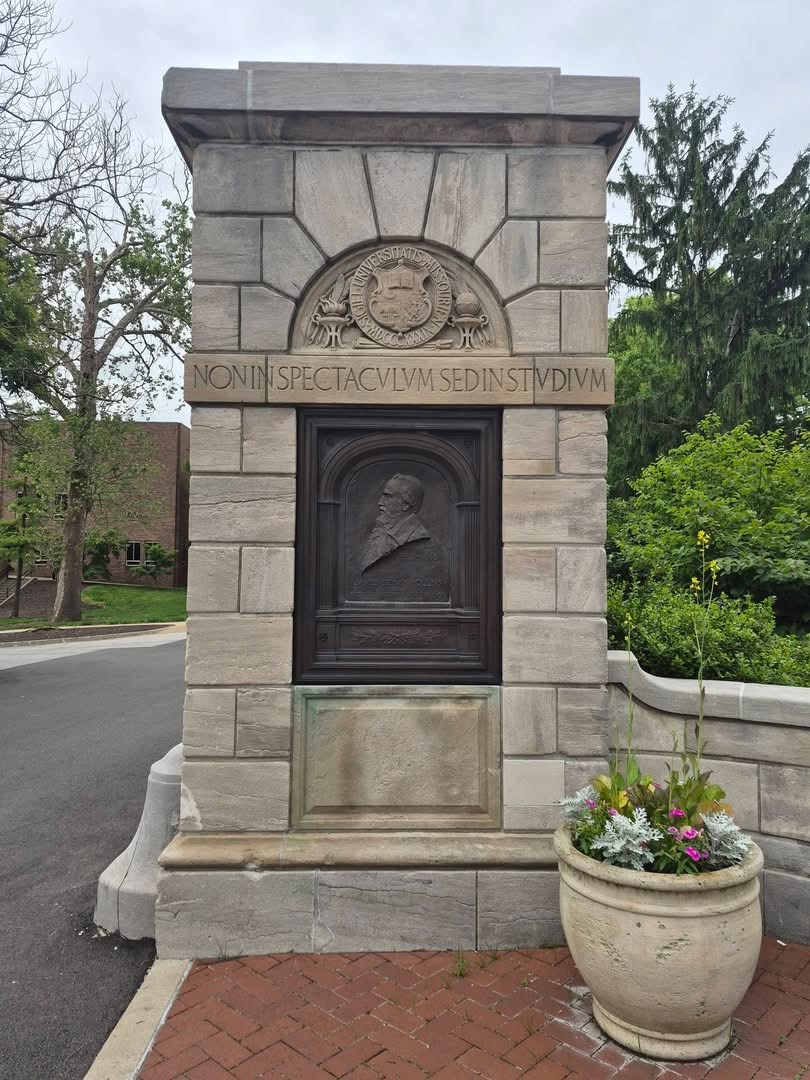
Our program of stay in the United States, and especially the content part of it is taken care of by the University of Missouri in Columbia — first public university west of the Mississippi river. It was founded in 1839, when Missouri was still a border state that was just shaping its economy and education system. The campus was built on the principle that Thomas Jefferson once proposed: a university should be part of society, and knowledge should work for the development of territories and the economy. Here it is well felt through the space.
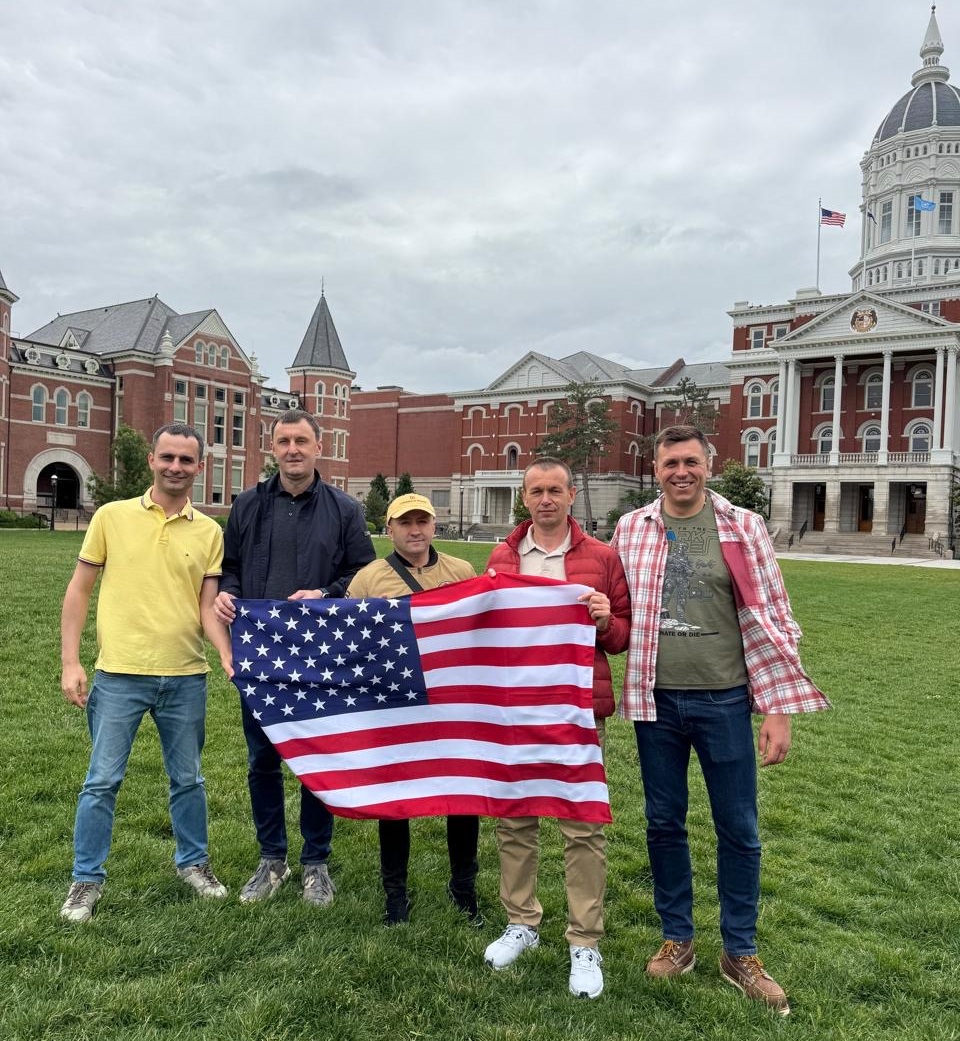
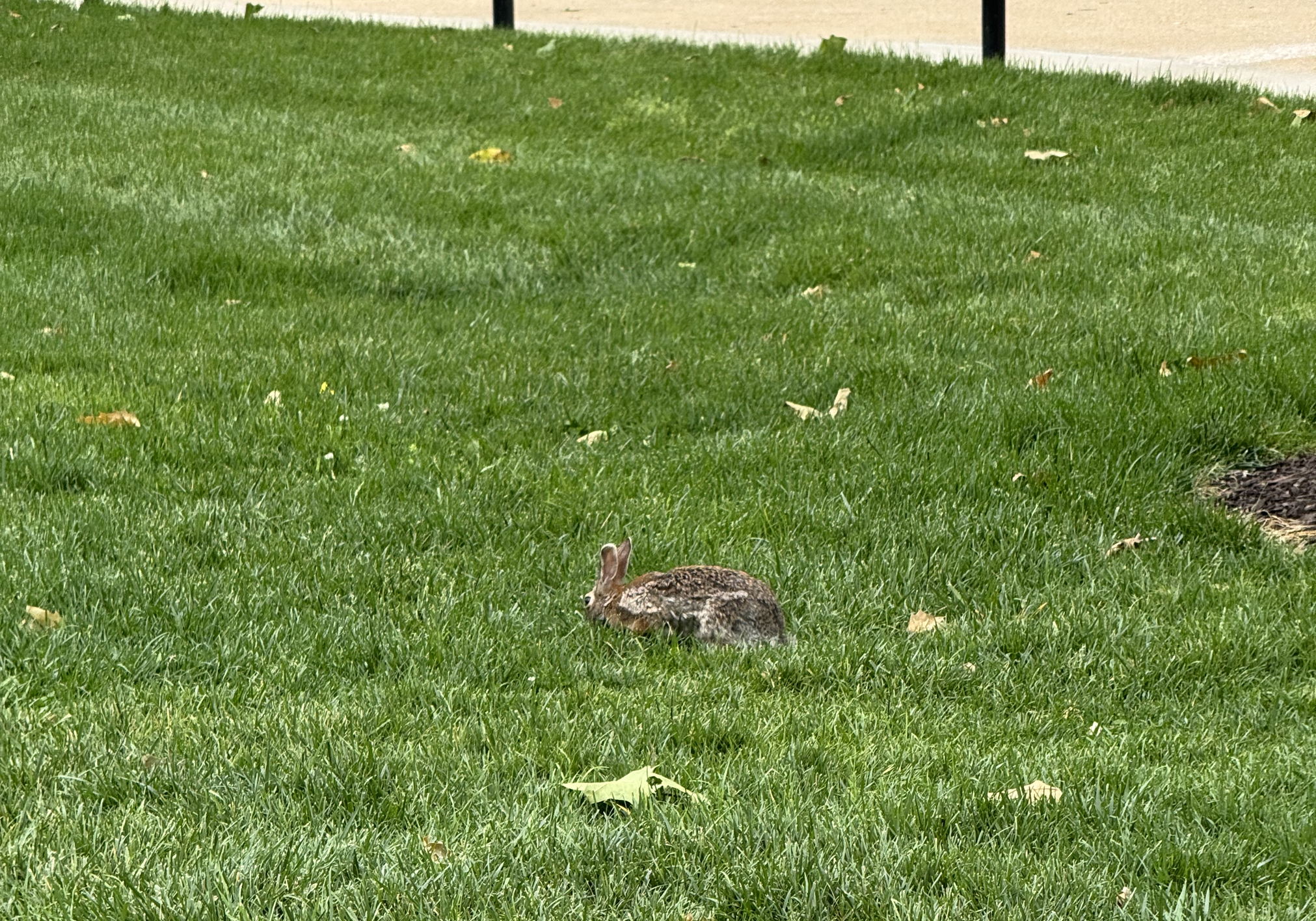
Today, it has more than 35 thousand students, hundreds of research programs and one of the strongest systems of applied agricultural education in the region. The campus covers more than 500 hectares. Large outdoor lawns, old trees, botanical collections, courtyards between buildings. Squirrels here behave like permanent residents of the campus, and rabbits run right under the buildings. After the fire of 1892, a significant part of the university was actually rebuilt. It was then that the characteristic architecture of the campus was formed: red brick and light local limestone. Four columns in the center of the territory are the only thing left of the first main building of the University after the fire. Today it is one of the symbols of the state of Missouri.
The agricultural sector here looks very systematic. Greenhouse complexes, botanical garden, experimental plots, soil, crop production and precision farming laboratories. Some of the research is directly integrated into the state's farming needs. It is felt that agricultural education here has been formed for decades as a practical infrastructure for the development of agriculture.
Separately, the scale of the university environment as an integral system is striking. A huge bookstore with educational literature, equipment and symbols of the University occupies several floors and is more like an independent retail space. Coffee shops, food court, meeting places for students, internal logistics of the campus, all designed as a separate city.
Sports are also part of the University's culture and economy. The Missouri Tigers team is one of the symbols of the University. Separate arenas and infrastructure for American football, basketball, baseball, track and field, wrestling, and other sports occupy a significant part of the campus. For many American universities, sports are not only a student activity, but also an extensive system of brand, loyalty, and funding.
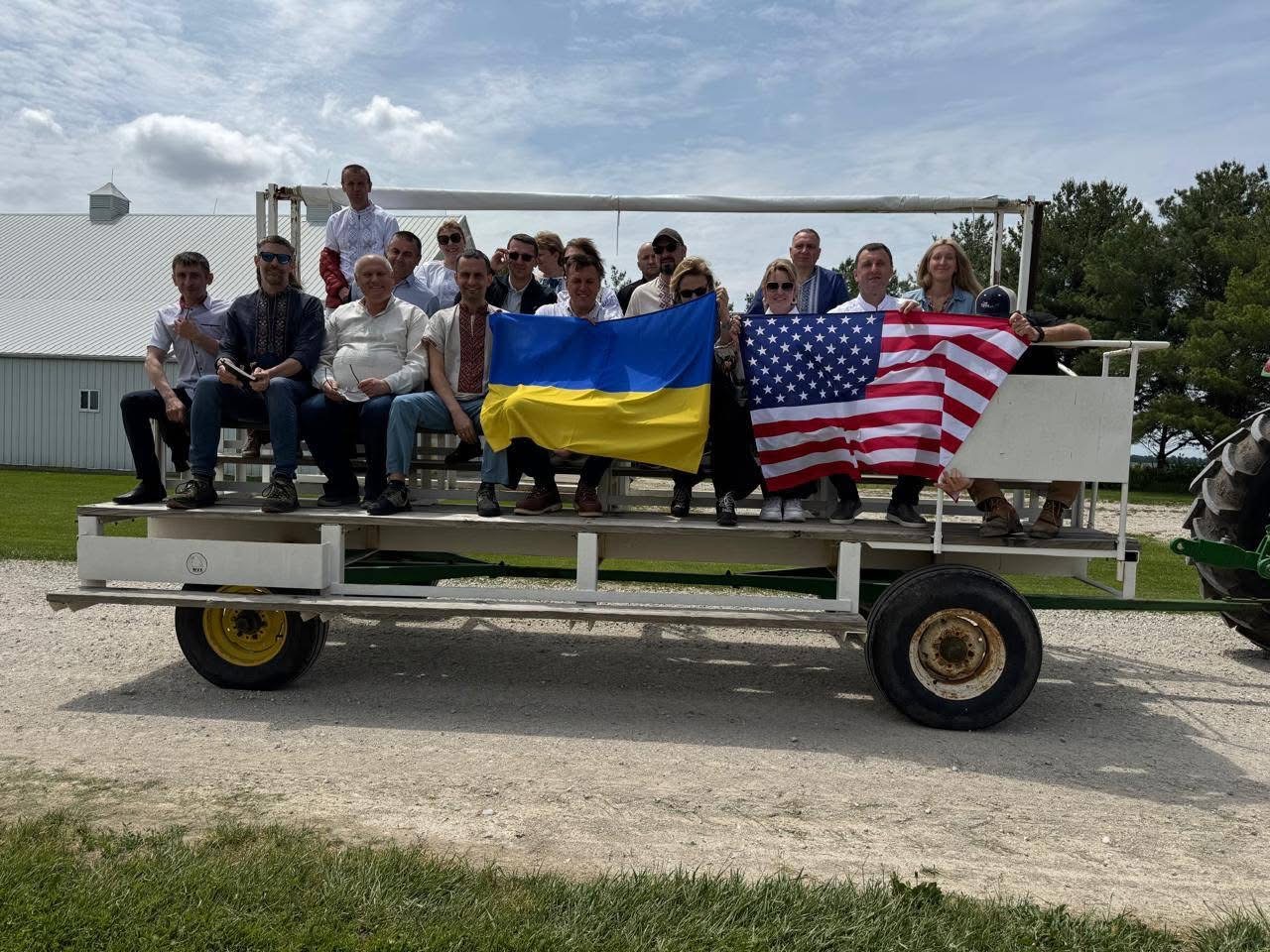
Our group consists of representatives from different regions of Ukraine, in particular universities, advisory centers and the agricultural sector. It was the University of Missouri that developed the program of our stay and acquaintance with the US agricultural scouting system, with a focus on the practices of the state of Missouri. And this is very significant: agricultural scouting is considered here not as a separate service, but as part of a large system of knowledge, research, field analytics and support for farming.
We also worked with the University of Missouri team and specialists of the University's advisory service which presented one of the key features of the American agricultural system — the land-grant university model. In fact, these are universities that combine: education; research; practical advice; work directly with communities and farmers. It is this system that has been forming the basis for the development of the US agricultural sector for many decades.
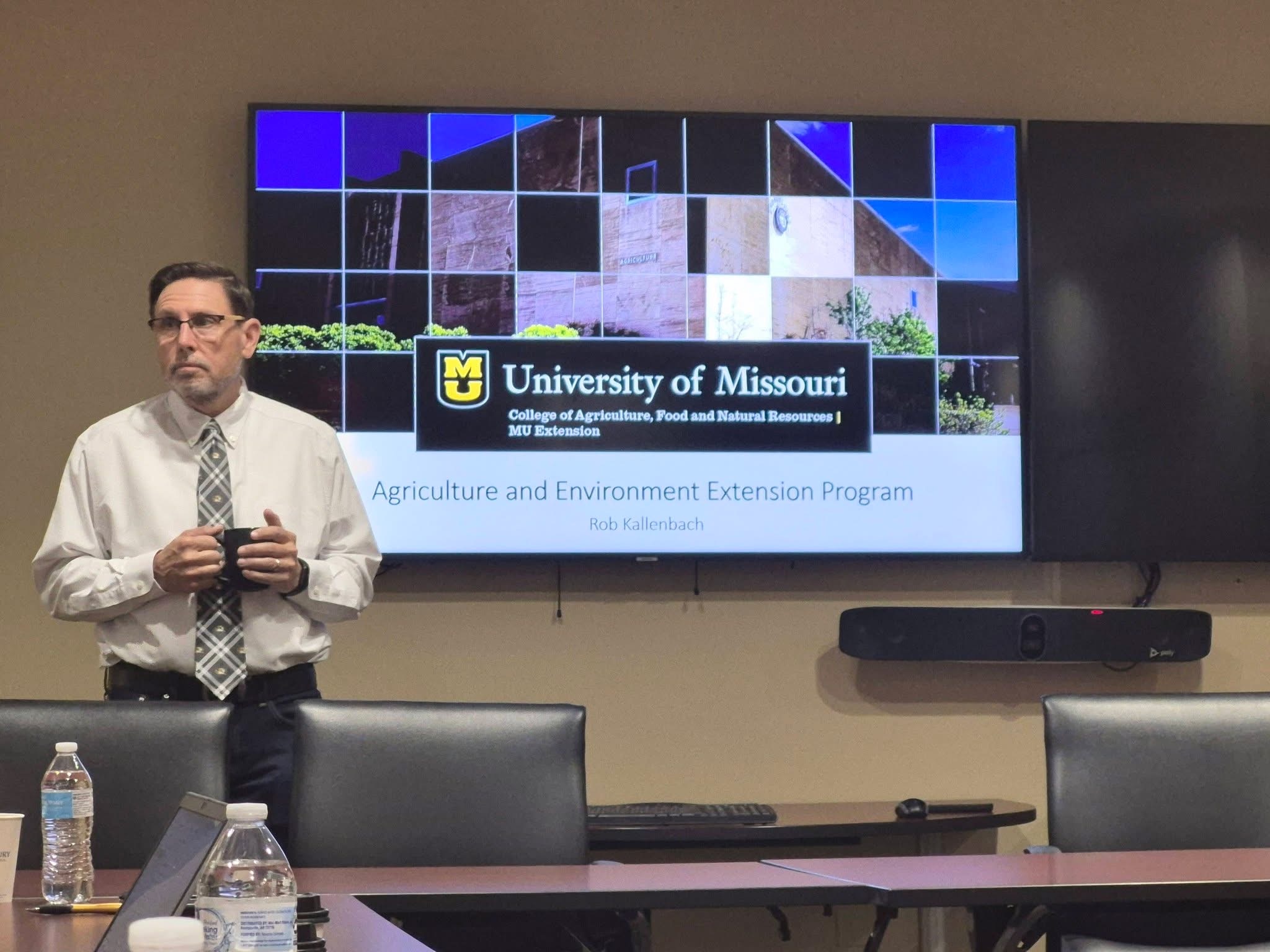
One of the main speakers was Rob KALLENBACH — assistant dean for agriculture and environment at the University of Missouri advisory service. During the meeting, he explained in detail how the extension service system works in the United States, a university advisory service that covers almost the entire state of Missouri through a network of field specialists, local offices and specialized experts. It was especially valuable for us to see that American consulting is not a “theory from the university”, but constant practical work: field consultations; training of farmers; demonstration sites; thematic seminars; operational support for producers; implementation of scientific research results in farms. In fact, the University here is a permanent partner of the farmer with the support of local communities, the state and various grant agreements.
Special attention was paid to the US agricultural education system, which is multi-stage and starts from school Agricultural Education: USA vs Ukraine. What struck me the most?
Where does it all start? In the United States, agricultural education starts long before university — while still in school. And it turned out to be very practical and aimed at providing students with real production tasks, not just theory; building partnerships between the school and local farmers or agricultural enterprises; training teachers who understand modern agricultural production themselves; creating youth agricultural communities — as an entry point to the profession, and not just a circle of interests. There are already agricultural classes in Ukraine, but so far this is rather the enthusiasm of individual schools and teachers than a systematic response. A specialized high school should be well equipped, and its implementation should be professional (which is exactly what school teachers are taught).
Learning by doing — not a fashionable expression, but a different learning logic
The American model is built around a simple idea: the student faces real production tasks as early as possible. Field research, joint projects with farmers, and practical experiments are not "complementary to learning". This is training. The Ukrainian higher agricultural school is traditionally very strong theoretically. It gives knowledge. But the gap between what is learned in the audience and what is happening in the field or in the enterprise is still sometimes felt. Perhaps this is our growth point!!!
Our challenges are very similar — both in the United States and Ukraine, universities are looking for ways to keep young people interested in agriculture. Here and there, the question arises: how to ensure that education keeps up with the pace of changes in the industry. Ukrainian experience and agricultural development are valuable in this professional dialogue.
University as a resource for the community, not a closed institution — what makes the American model stand out the most. The University's specialists work with farmers on a daily basis: they advise, train, and help implement new practices directly on the ground. The University here is not an" ivory tower", as local professors put it, but a living resource for the entire agricultural region. In Ukraine, this direction is just being formed. And AgroScout centers at universities are one of these steps forward.
Urban farming, food security and community development: a new experience for the Ukrainian delegation to the United States
The first location was Columbia Farmers Market — one of the most famous farmers' markets in Missouri. This place demonstrates the American approach to local food production very well. Here, the farmers' market is not just a trade in vegetables or fruits. This is a whole system of interaction between the producer and the consumer, where people know very well who grows products, how exactly they are produced and what approaches are used in the economy. While communicating with farmers, it was especially interesting to see how much attention they pay to product quality; soil health; organic technologies; field agricultural scouting; sustainable production and community development!
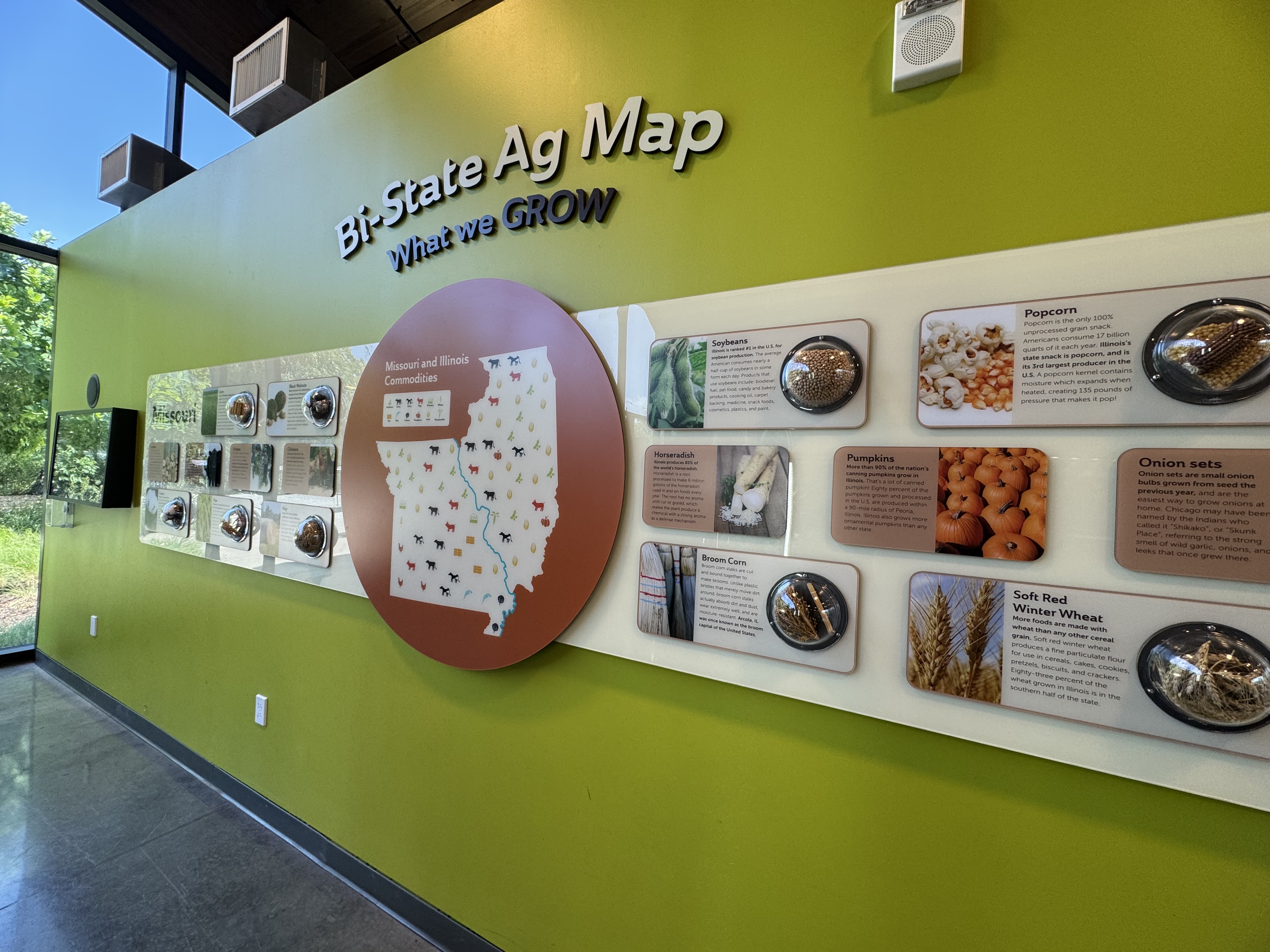
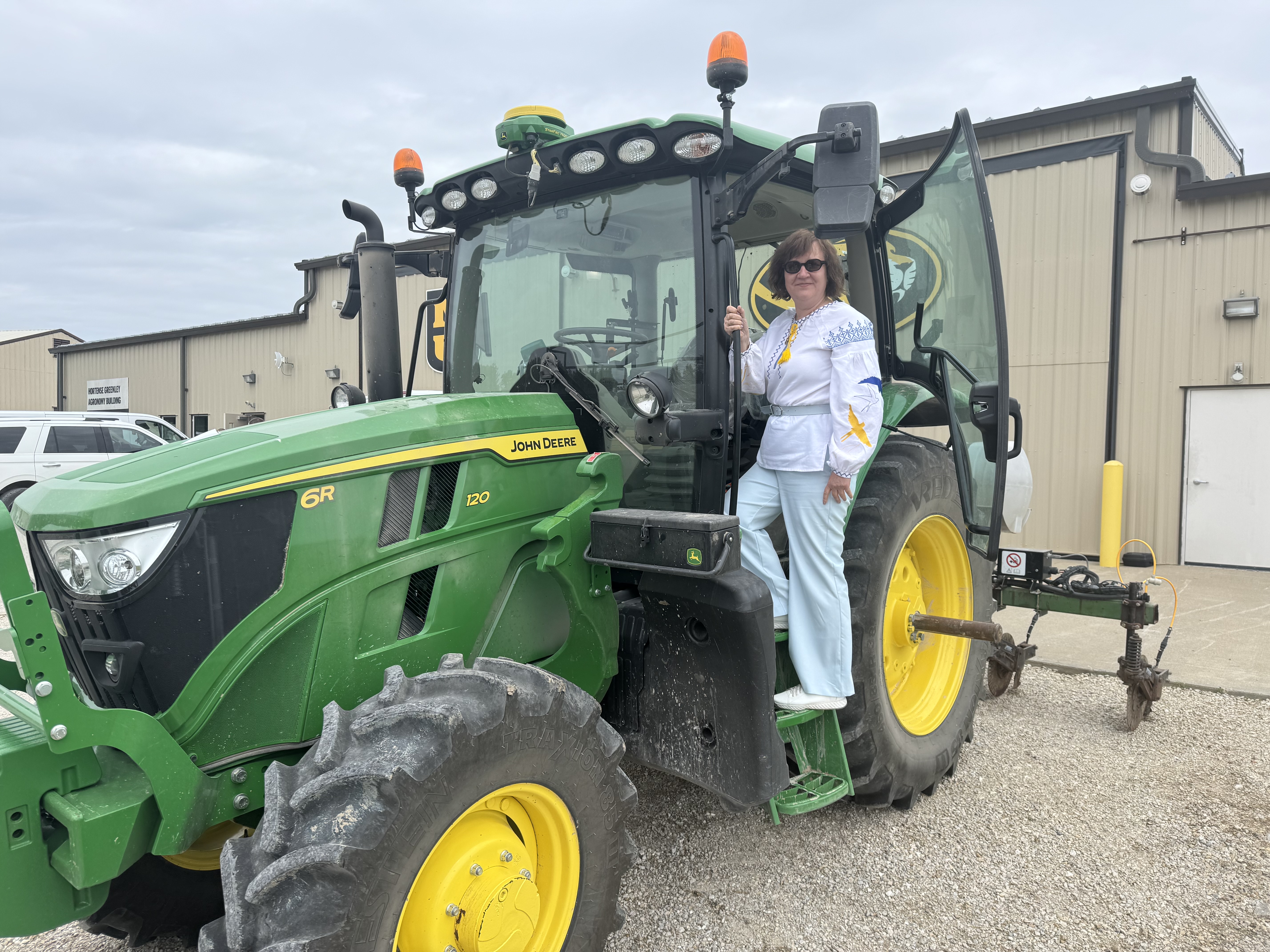
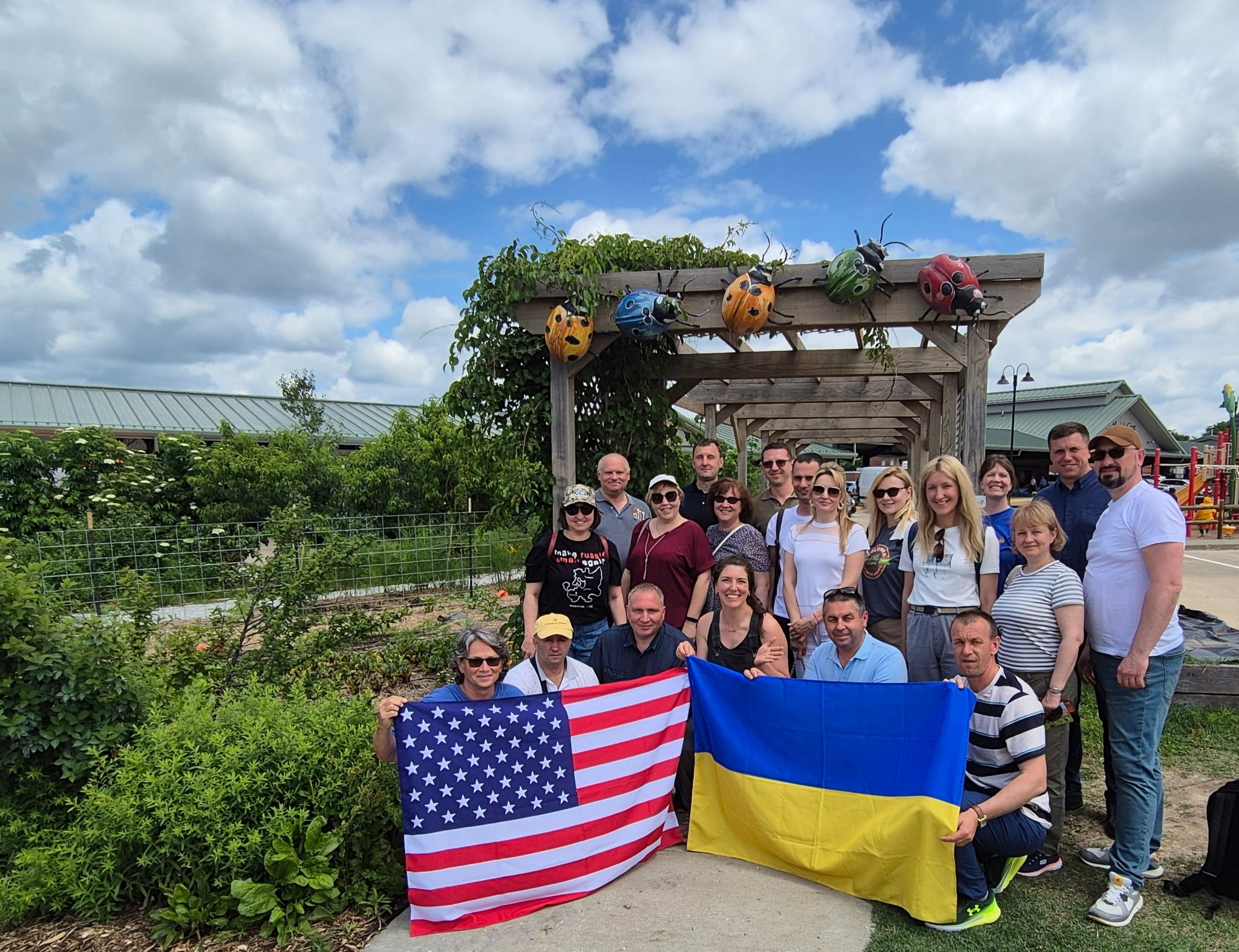
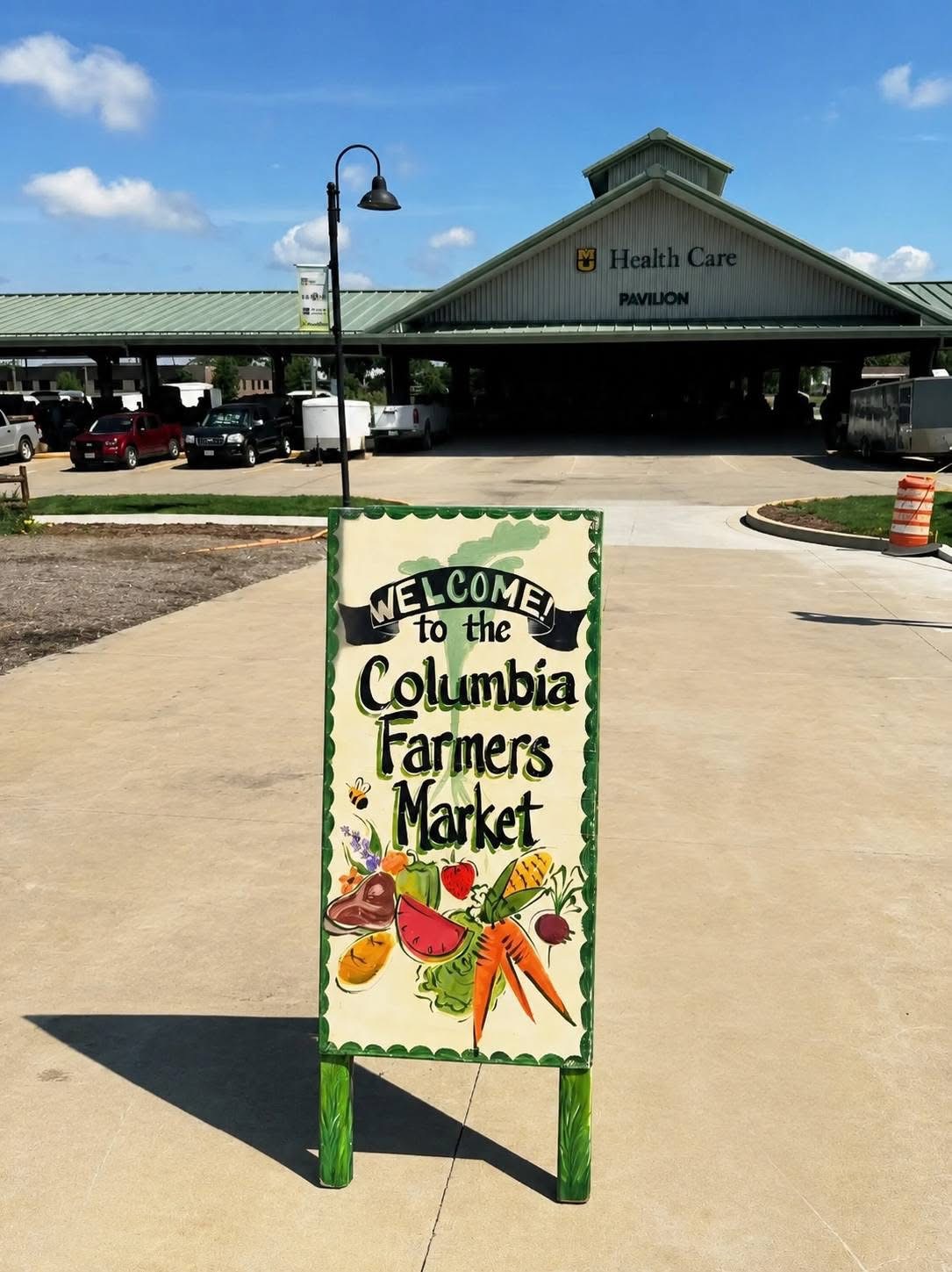
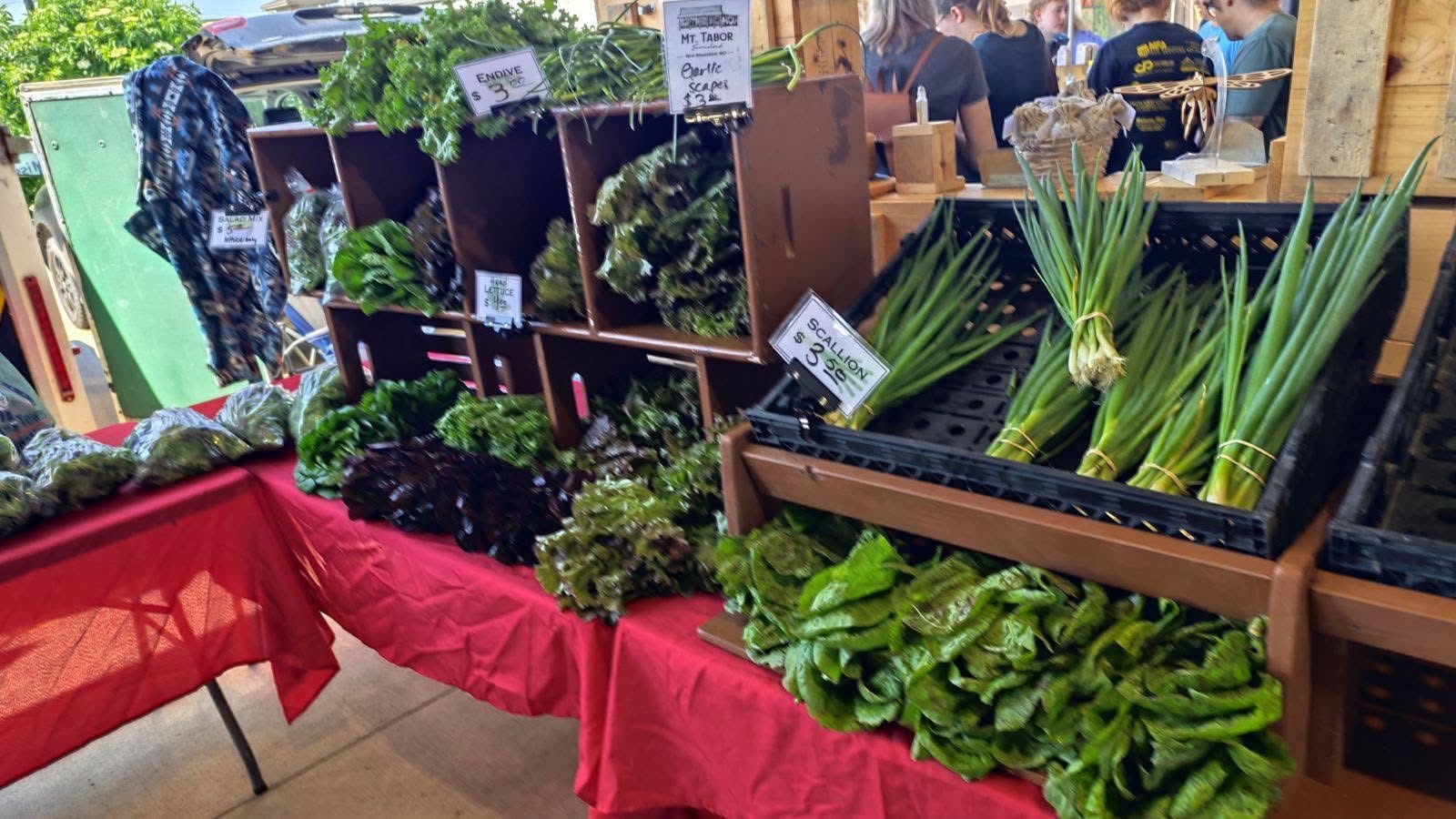
The second very interesting location was Columbia Center for Urban Agriculture — Center for urban agriculture in Columbia state. It is here that it is especially felt that modern agriculture in the United States is not only about large fields and agricultural holdings. It's also about communities, education, social support, food security, and people's quality of life.
During the meeting Lexie Linsenman enthusiastically presented the activities of an organization that actually combines:
urban farming; educational programs; community support; social initiatives; regenerative agriculture; healthy eating.
On an area of about 3 acres where almost 20 tons of organic products are grown annually, part of the crop is donated to veterans, low-income families, and local food programs. In other words, the agricultural project is implemented not only as a production facility, but also as a tool for supporting the community.
The center started out as a small student volunteer initiative, and today it has grown into a powerful organization with dozens of programs, its own team and large-scale educational activities. People are taught the basics of growing vegetables and fruits, healthy eating, working with the soil, the principles of regenerative farming and running small urban farms. It is very interesting to see how the agricultural sector in the United States is becoming part of Community Development and social integration.
This experience is especially important for us today, because Ukraine also needs new models of interaction between agricultural education, communities, veterans, young people and local initiatives.
What we learned during our week in the United States:
-
that agricultural education cannot be targeted or spot-based: it is systemic and begins at school;
-
more practice and work with real cases;
-
community development is not part of a grant, but real and open opportunities for shaping society;
-
the agricultural sector in the United States is becoming part of community development and social integration
-
universities that go beyond the classroom;
-
attentive and responsible attitude to the environment is not just words, but real practices (I will tell you in the next post);
- young people who see agriculture not as a heavy legacy, but as technologies, development and opportunities.