


Scientific and practical workshop within the Ecotwins project
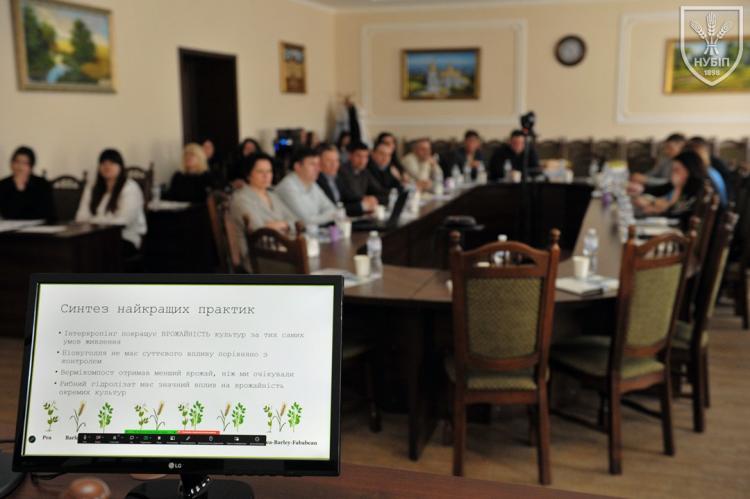
On April 15, a landmark event was held on the basis of the National University of Life and Environmental Sciences of Ukraine, which was devoted to sustainable development strategies and agro-ecological intensification of crop production. The event was one of the final stages of the international project ECOTWINS "Research capacity building and upskilling and upgrading the research in NUBiP (Ukraine) on agrocological inciting for production", funded by the Horizon Europe Programme Programme (HORIZON) under grant agreement No. 101079308.
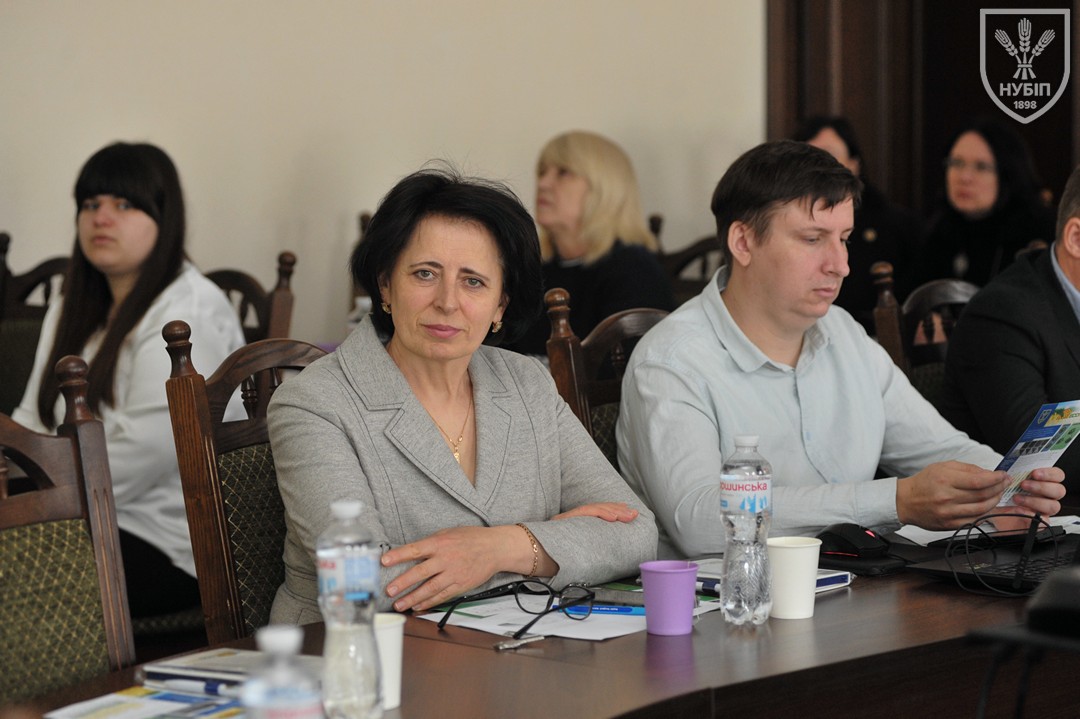
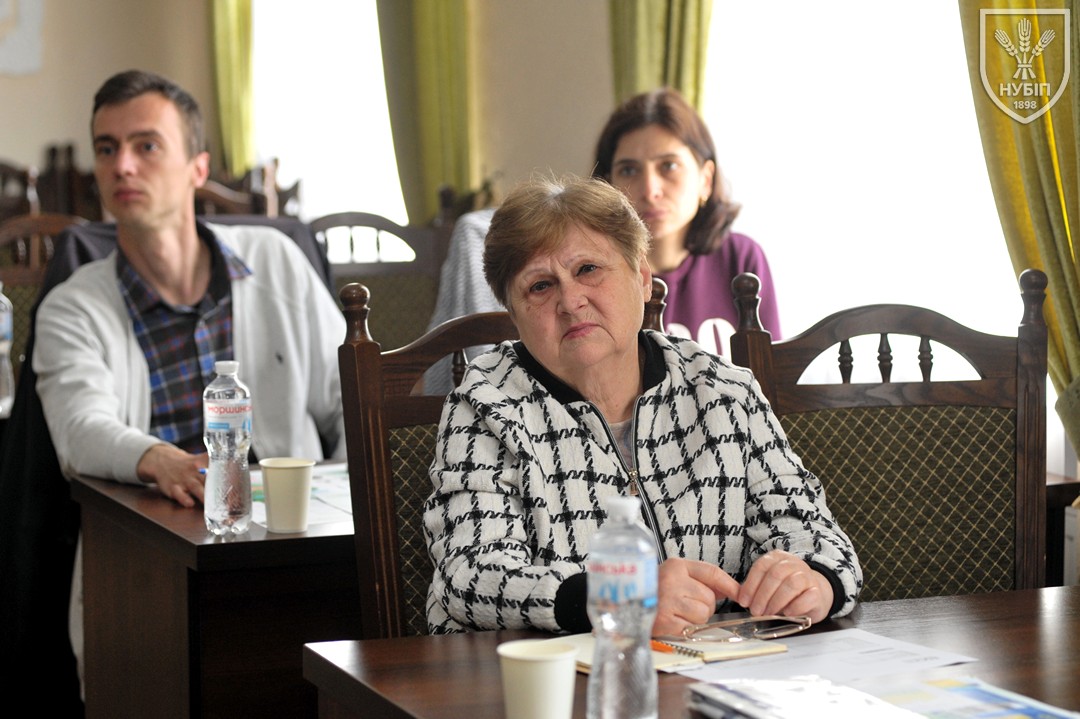
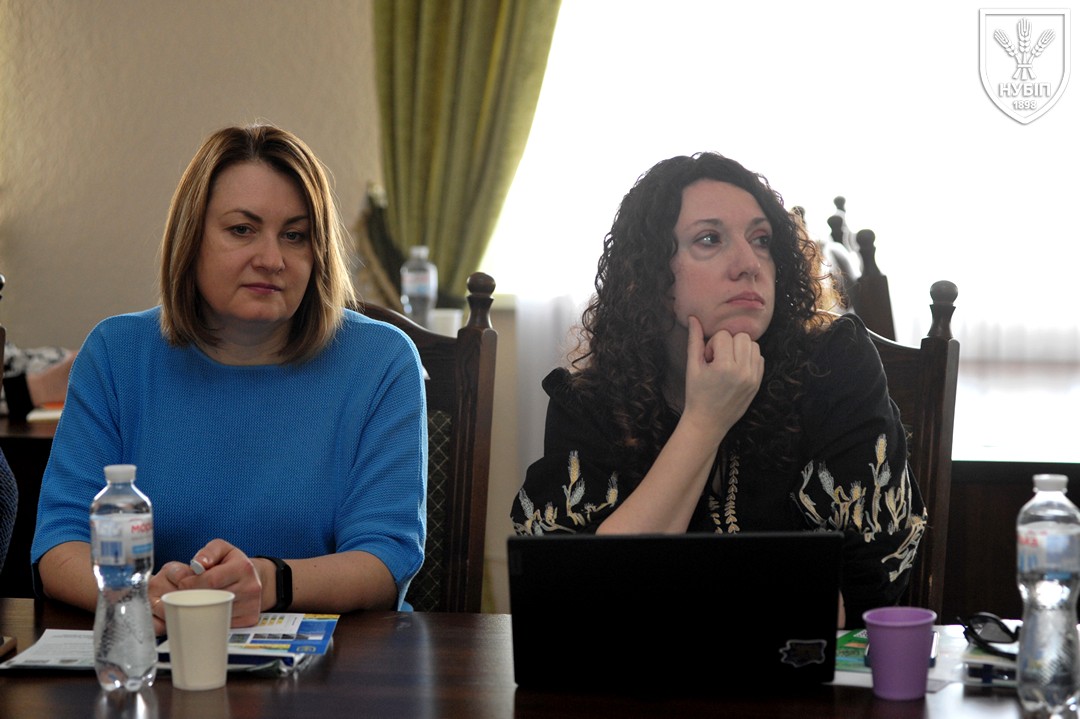
The workshop was held at a high organizational level in a mixed format, bringing together the participants of the ECOTWINS project, leading scientists, graduate students, masters and practitioners. The friendly atmosphere of the event contributed to open scientific discussions that allowed to discuss the latest agronomic practices that are relevant in the context of the European Green Deal.
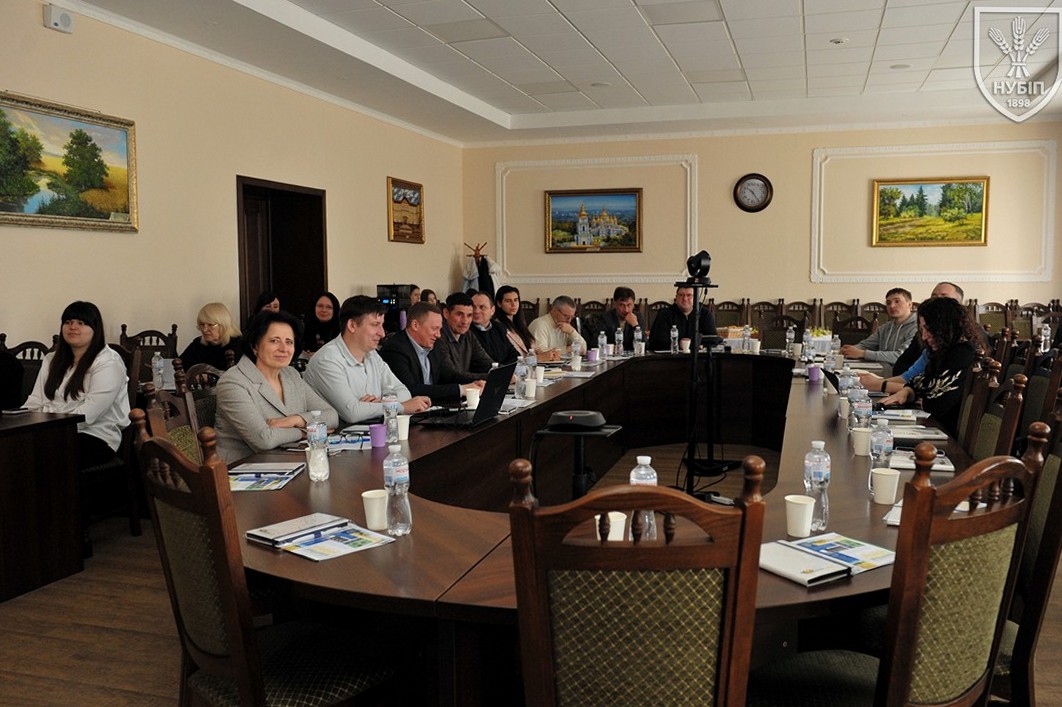
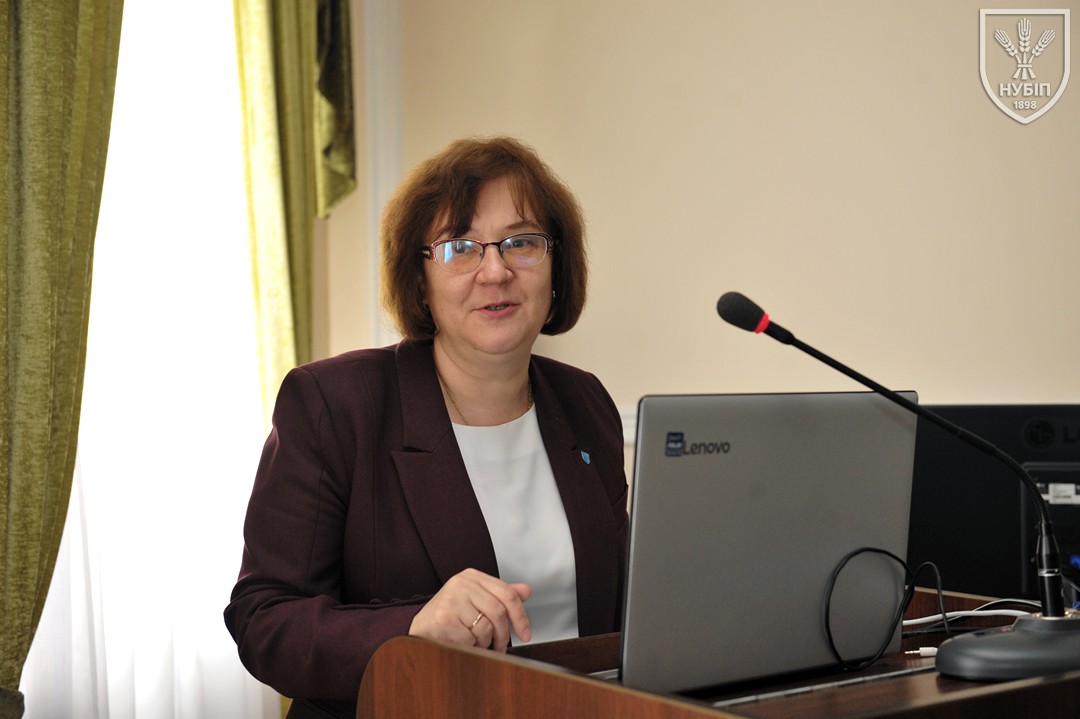
The event was opened by the project coordinator, Vice-Rector for Scientific and Innovative Work of NUBiP of Ukraine, Professor Oksana Tonkha. In her report, she emphasized that the university's participation in Horizon Europe programs is a powerful tool for improving the skills of our researchers and integrating into the European scientific space. Oksana Leonidivna stressed that the results of the project will become the basis for improving the practical component of educational programs and introducing innovations directly into production, providing a transition from traditional technologies in crop production to sustainable agronomic practices. Particular attention during the workshop was paid to the health of soils, namely their biological activity, organic matter of soils, physical condition using compatible crops and biostimulants. After all, it is important not only to obtain high yields, but also to preserve fertility and biodiversity of soils.
Responsible project executor, associate professor Bohdan Mazurenko presented the results of three-year studies of compatible crops. He noted that the cultivation of a three-component mixture of peas, beans and barley provided an increase in productivity: the collection of protein per hectare increases by more than 50% compared to monosets, and the equivalent of the area (LER) at 1.4–1.5 shows that the farmer receives significantly more products from the same unit area. At the same time, compatible crops naturally inhibit weeds and contribute to better aeration of the soil, which is important for its health. During the discussion, the participants, including representatives of agribusiness, shared practical aspects of the use of biostimulants and organic fertilizers.
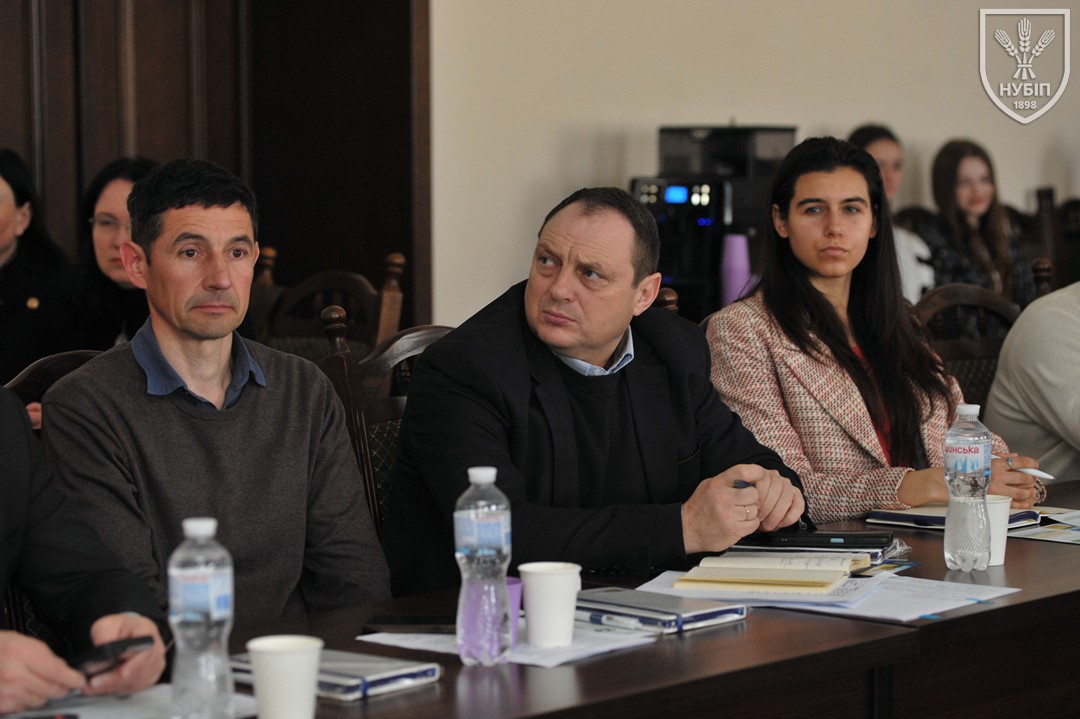
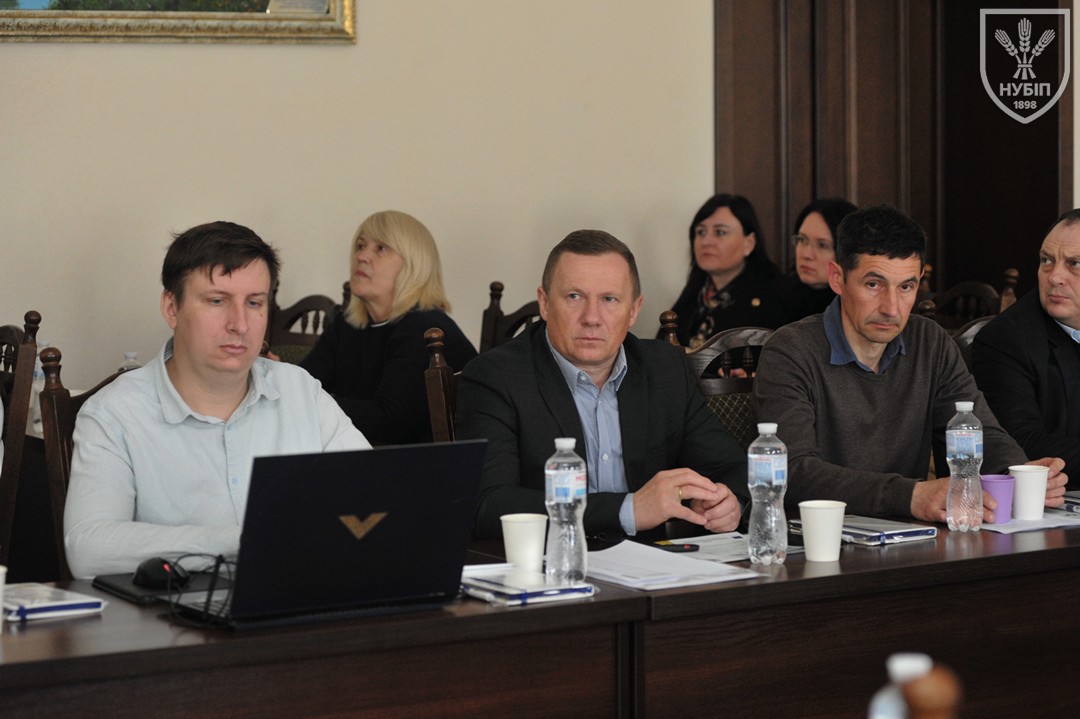
The presentation of the newest biostimulant, the Insect Frass. This product aroused great interest, because it showed high efficiency in terms of the impact on crop productivity and soil fertility rates.
The participants of the event, both present in the hall and those who joined online, conducted a practical calculation of the carbon footprint according to the Sahar Azarkamand method (ESC High School of International Trade).
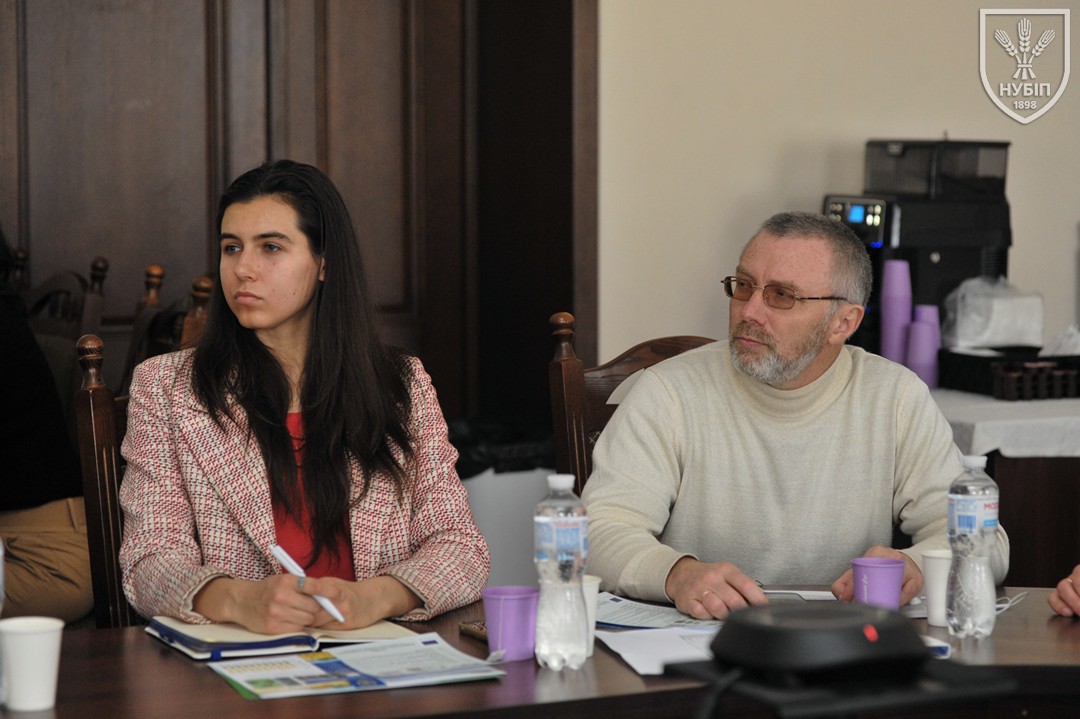
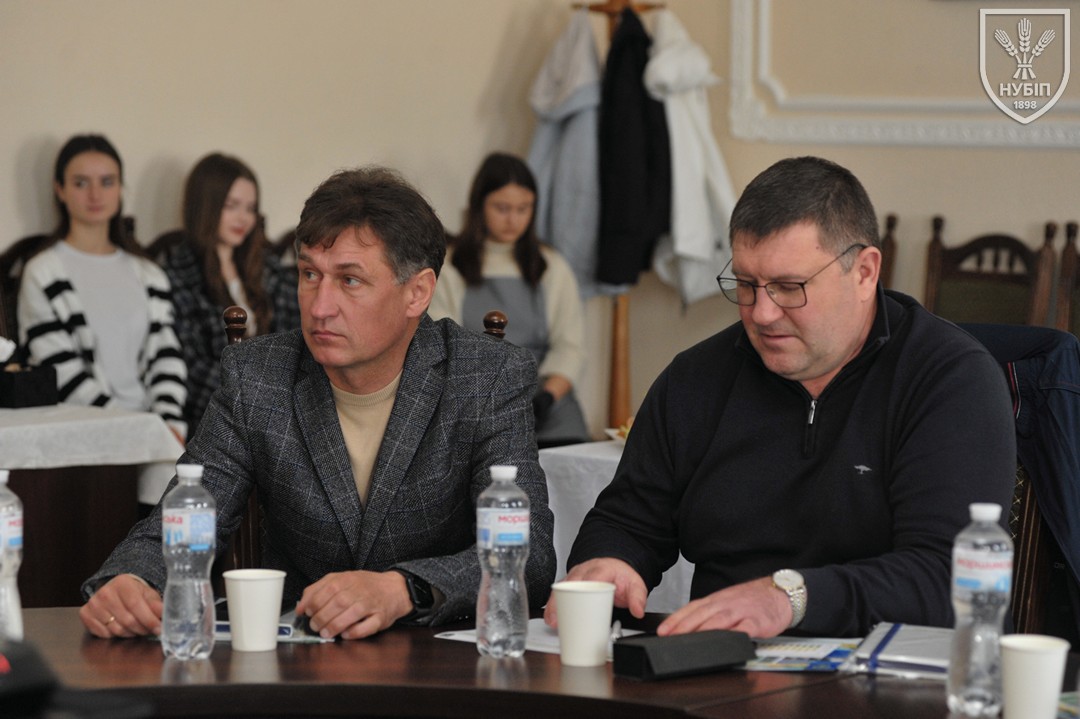
The next was the report on organic biostimulants and the peculiarities of their use by the participant of the ECOTWINS project from the Swedish University of Agriculture (SLU) Md Nasir Hossakin Sani..
Professor Natalia Raksha told about the development of innovative biostimulants at the SEC "Forel" based on fish production waste. Tetiana Hnatiuk demonstrated the Atlas of Bacterial Diseases of Legumes.
During the workshop, the participants outlined future steps for joint work, including cooperation within the new Horizon Europe projects.