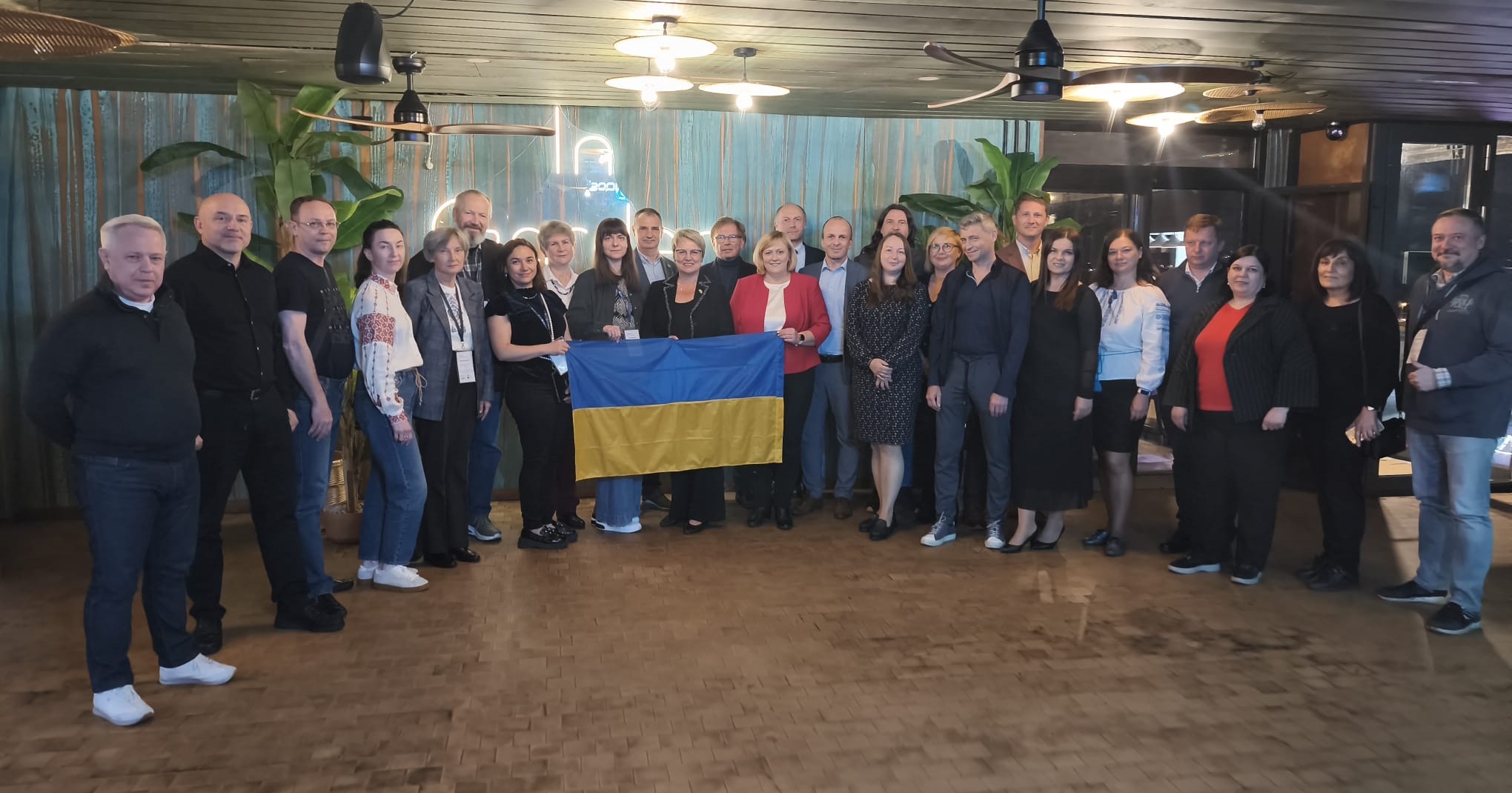
From Polish Experience to a Ukrainian Roadmap: A Study Visit by Representatives of the National University of Life and Environmental Sciences of Ukraine as Part of the HORIZON EUROPE – RIFF Project
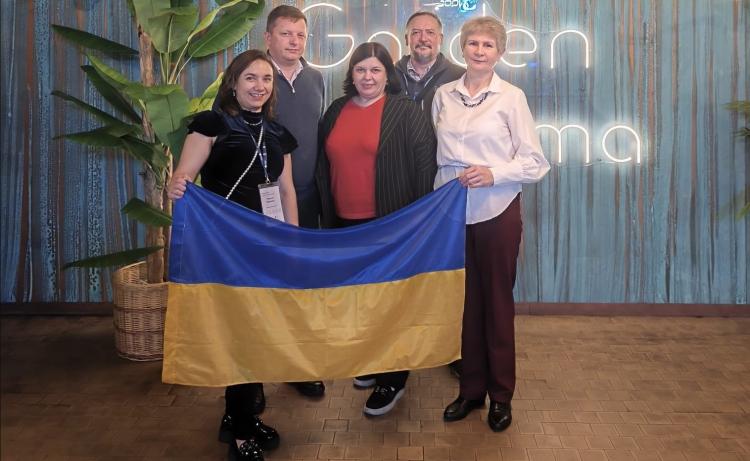
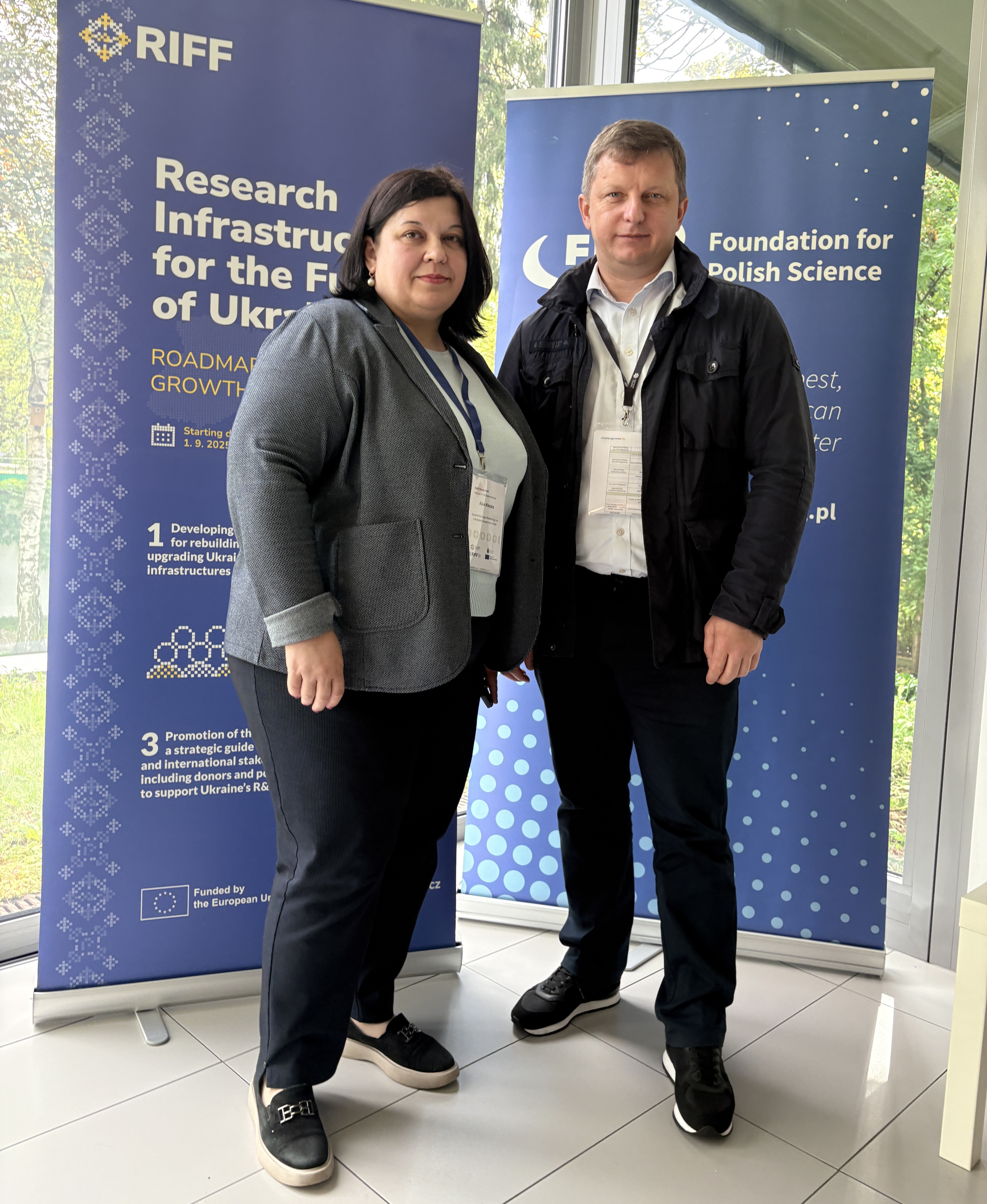
From September 20 to 25, 2026, Oleksandr LABENKO—Vice Rector for Research, Teaching, and International Affairs—and Alla KLEPKO — Head of the Department of General Ecology, Radiobiology, and Life Safety — took part in a study visit to the Republic of Poland, organized as part of the international RIFF project “Research Infrastructures for the Future of Ukraine: Roadmap for Sustained Growth and Recovery” (Horizon Europe program, HORIZON-INFRA-2024-DEV-02). The visit’s itinerary included Warsaw and Kraków and focused on one of the project’s key issues—how the state builds, funds, and makes its research infrastructure available to users.
The goal of the RIFF project is to create a “Roadmap for the Restoration and Improvement of Research Infrastructures in Ukraine,” and the practical experience of partner countries is one of the sources for its development. Poland, which over the past two decades has evolved from a handful of laboratories to a national roadmap for research infrastructures and its own synchrotron, serves as a particularly instructive example for Ukraine.
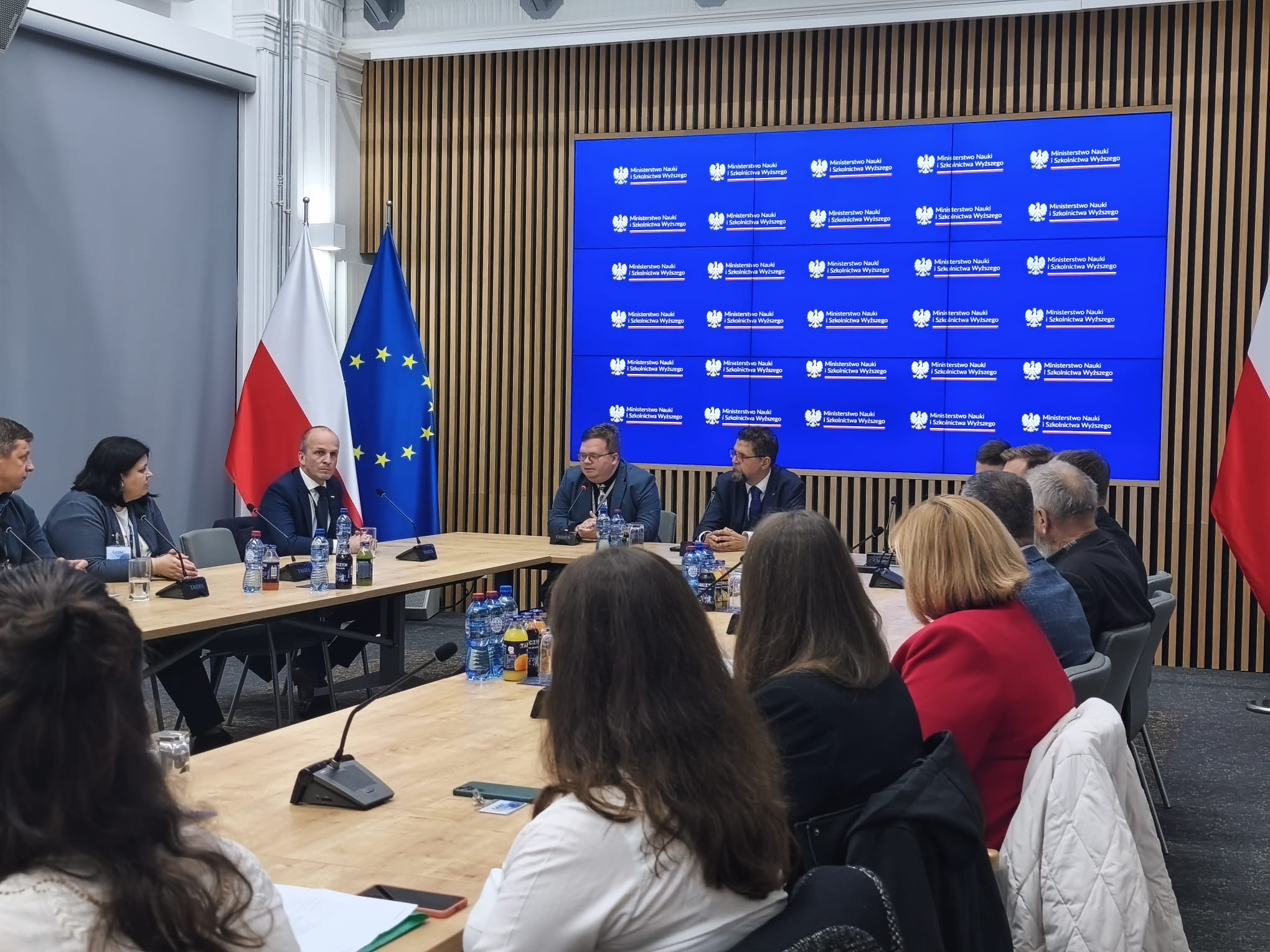
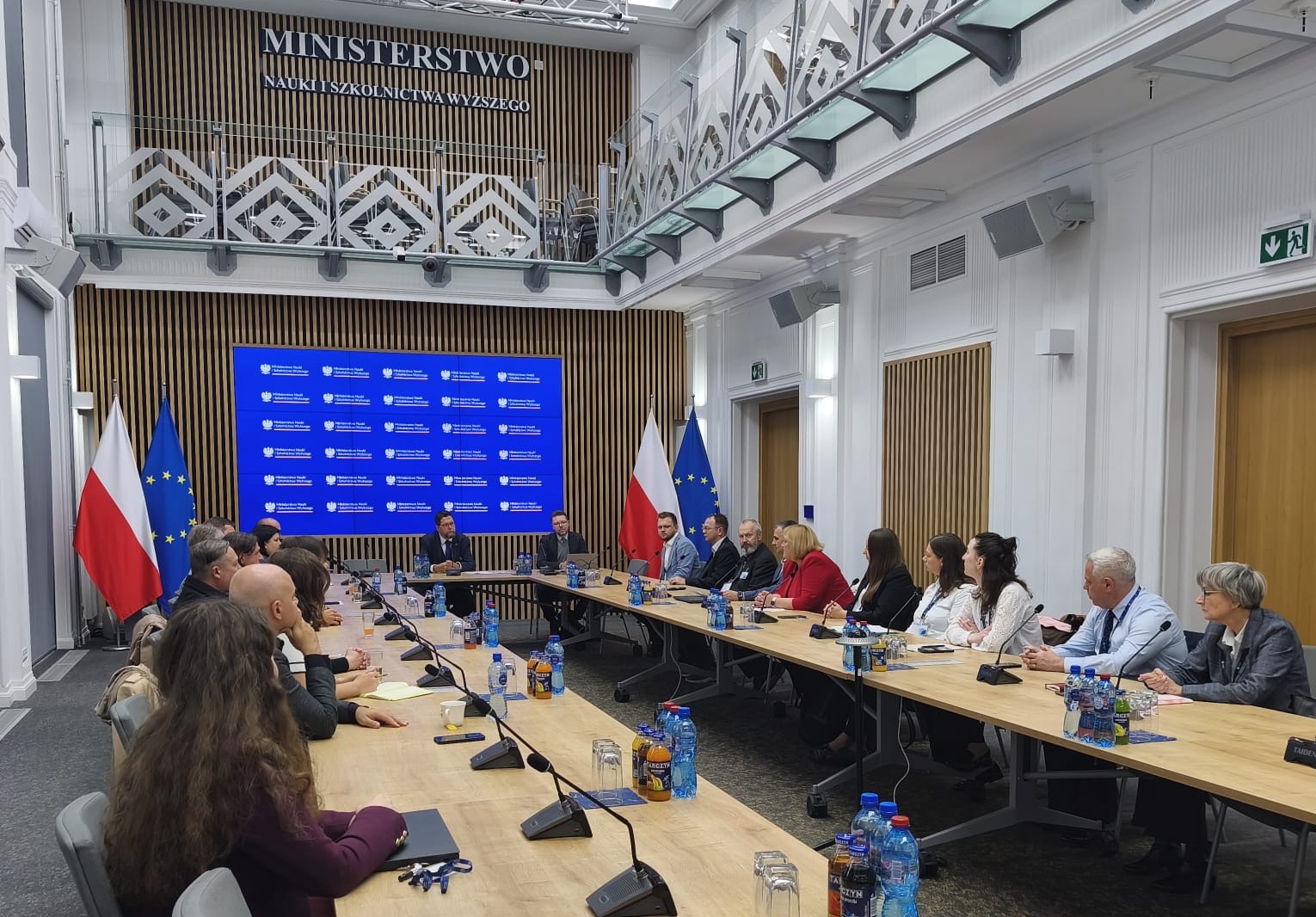
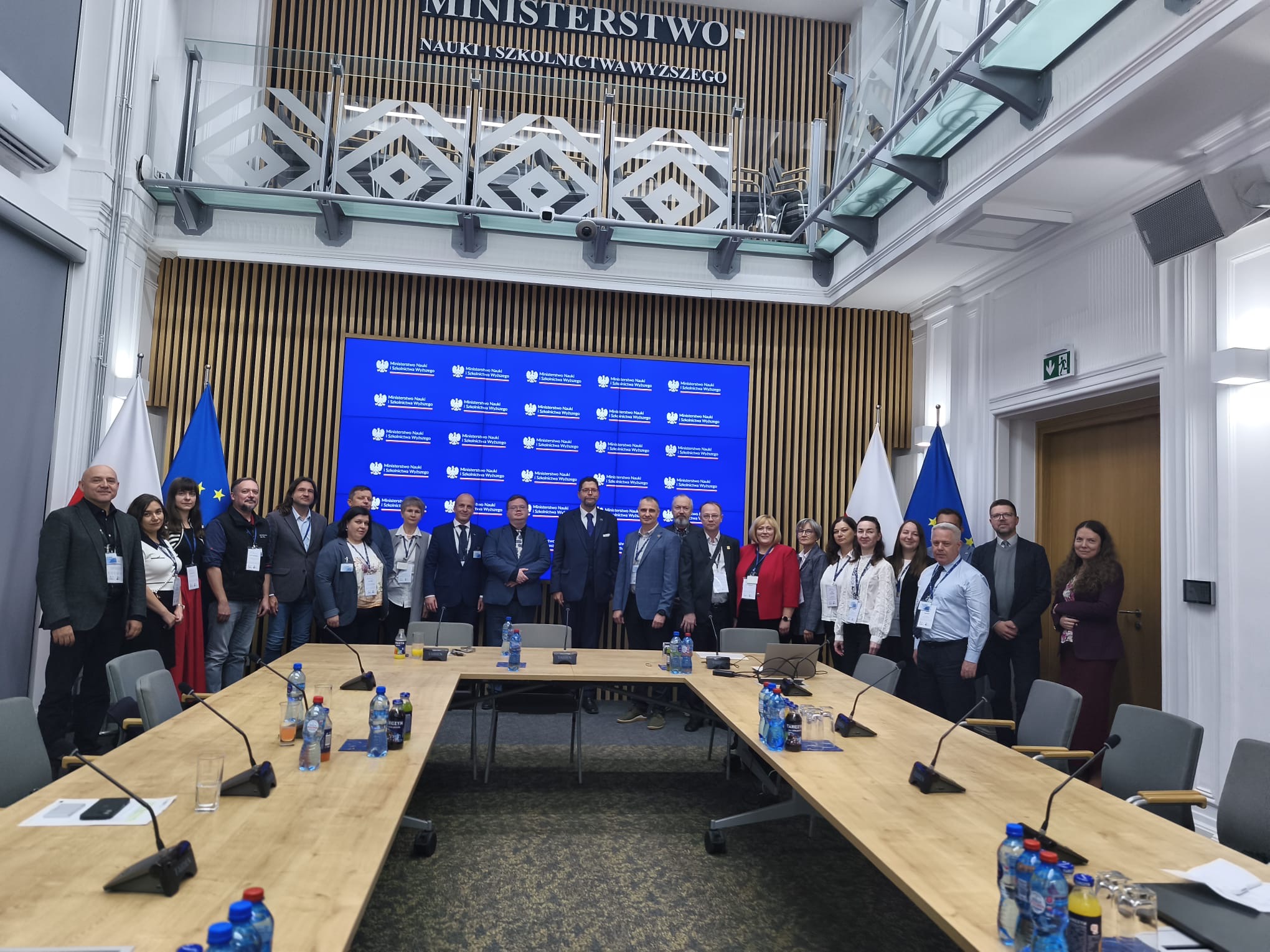
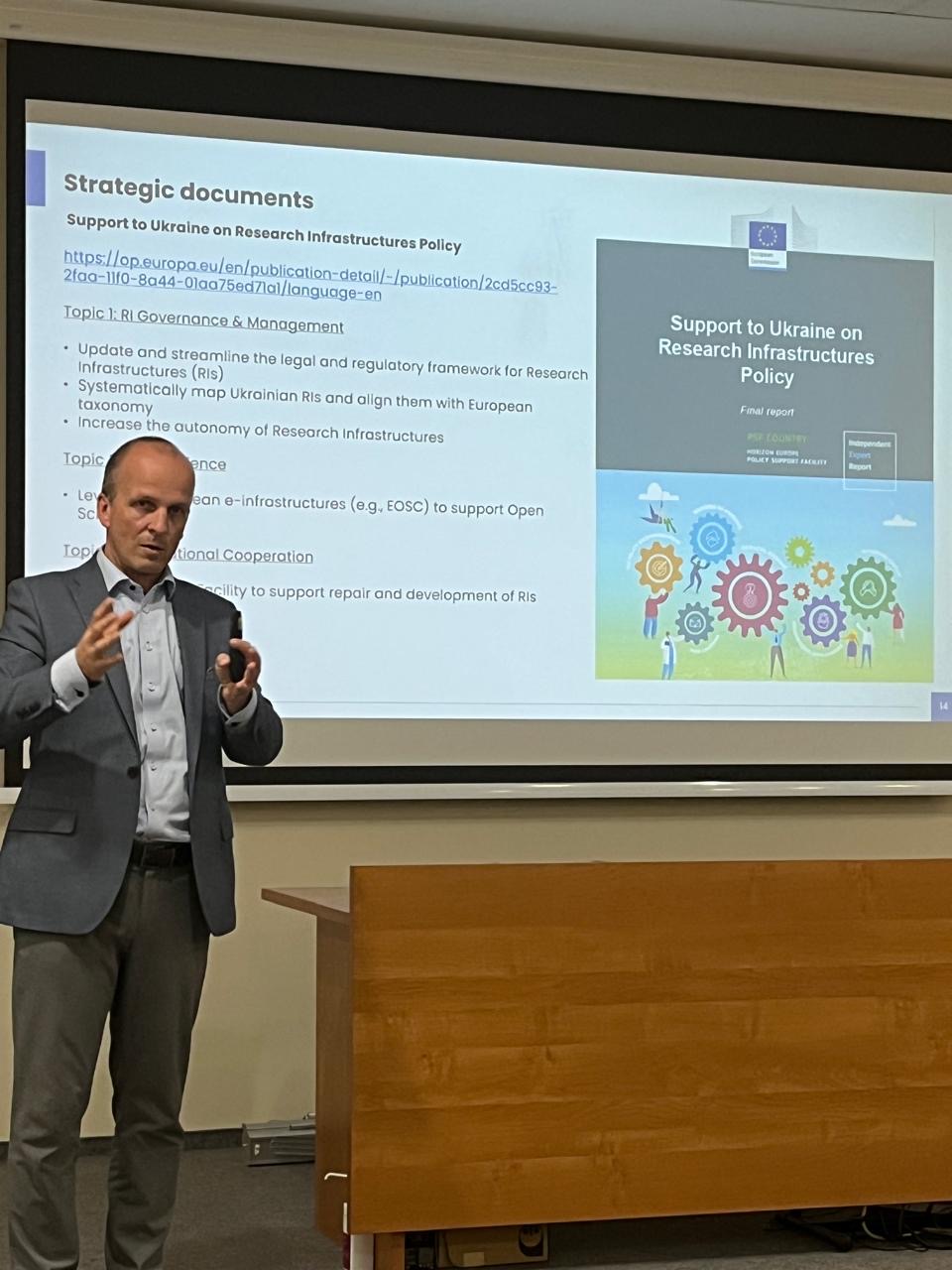
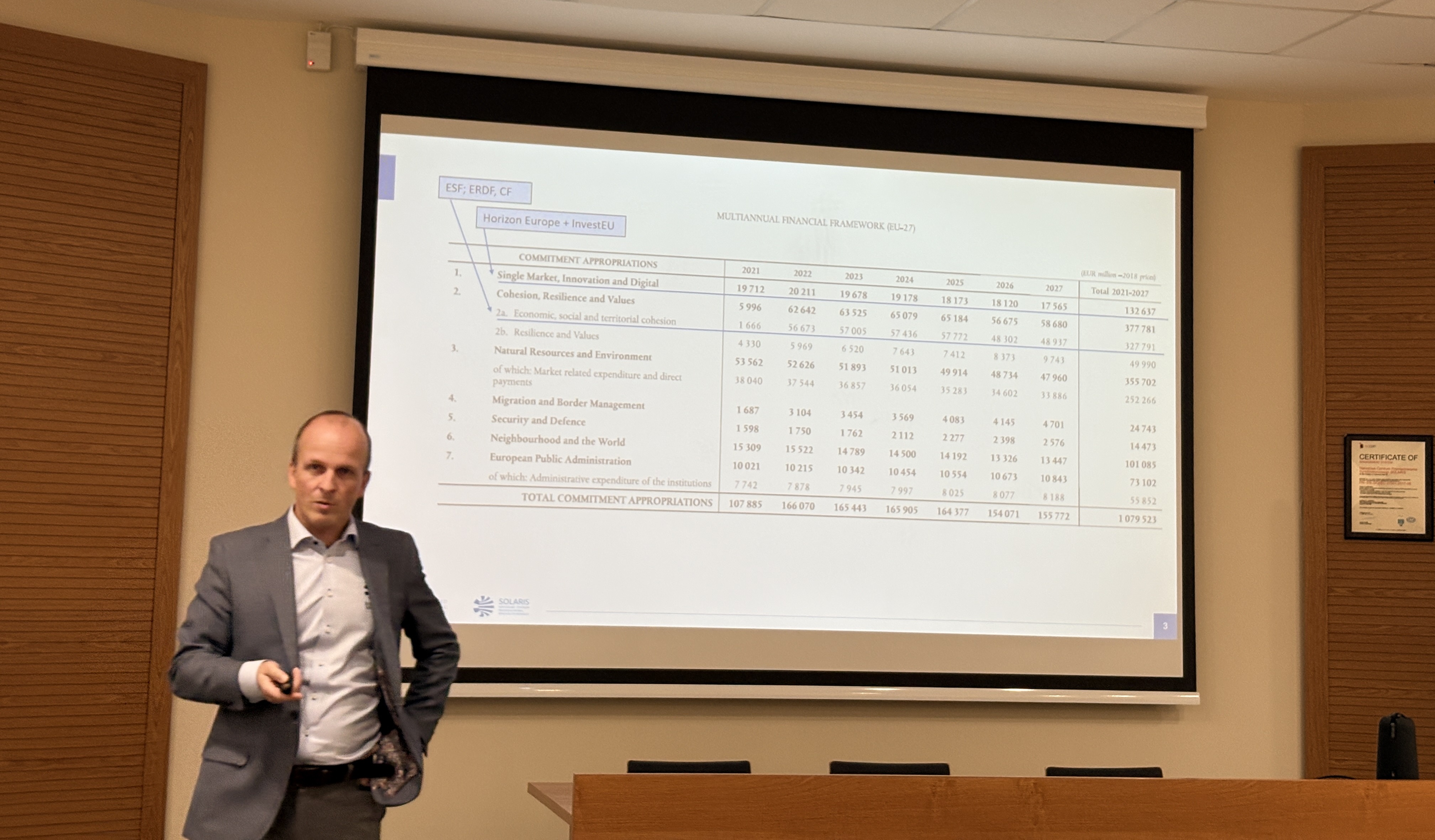
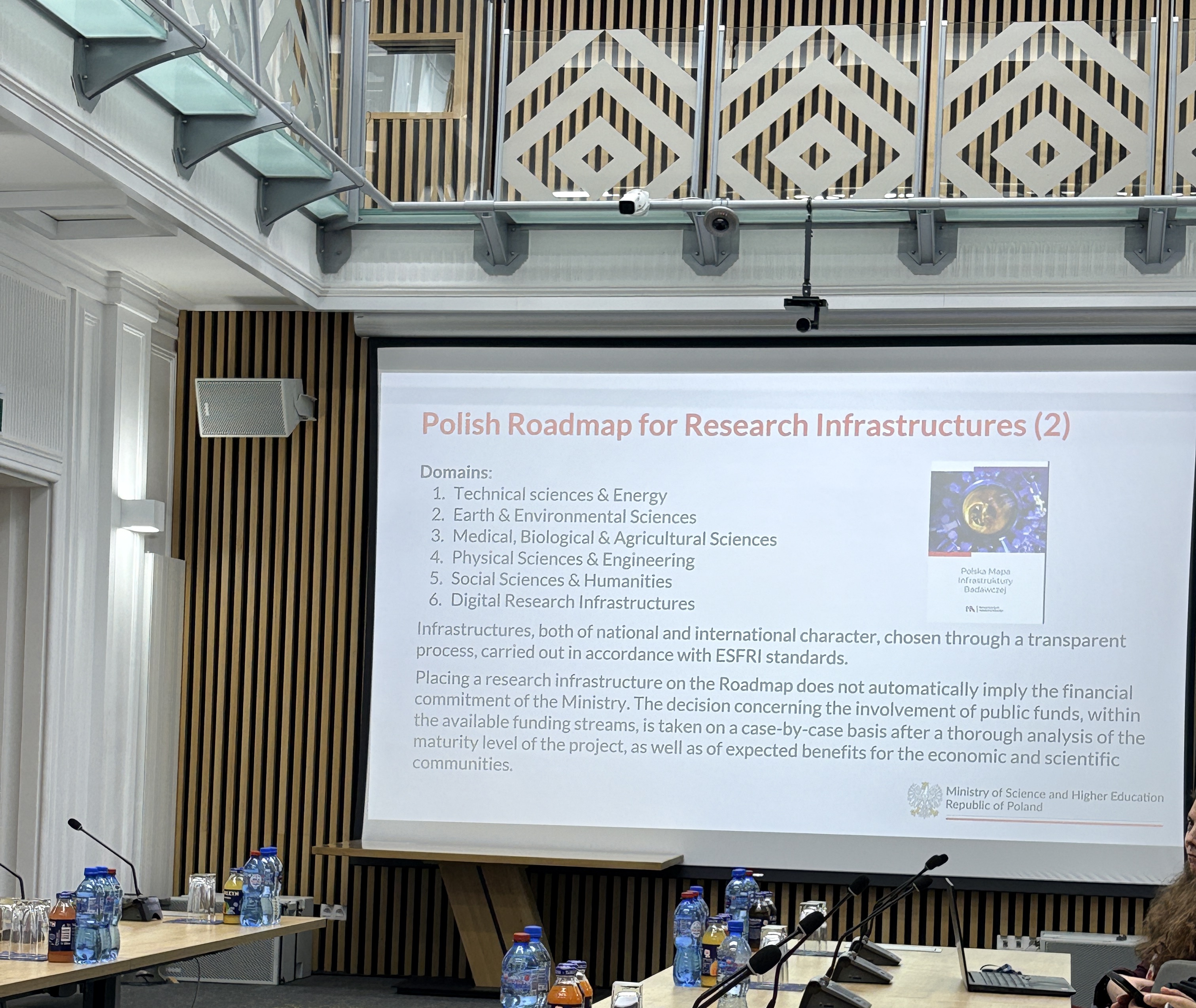
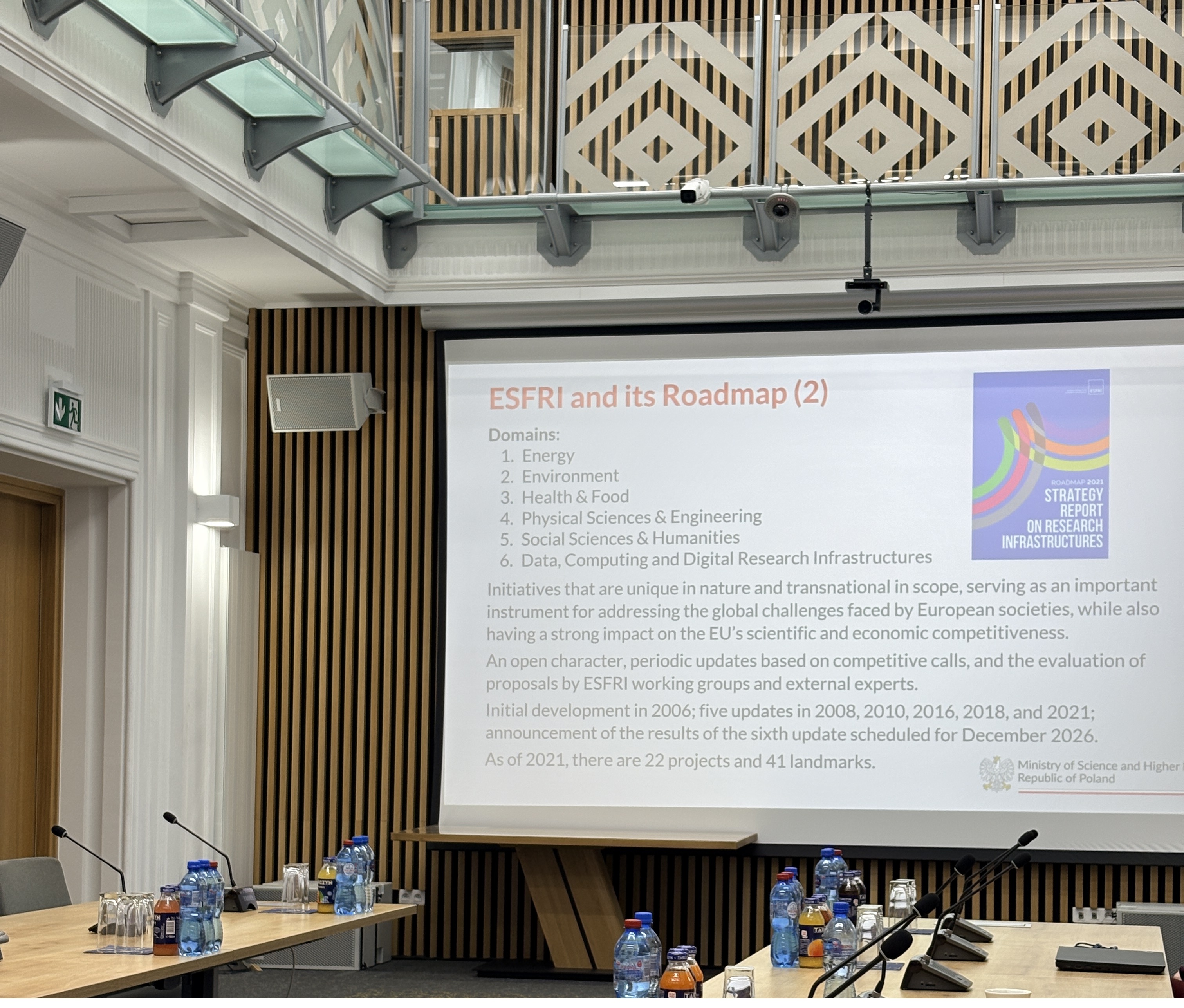
Ministry of Science and Higher Education of the Republic of Poland (MNiSW), Warsaw. The visit began with a meeting at the ministry, where the Ukrainian delegation was welcomed by Andrzej SZEPTYCKI, Deputy State Secretary; Michał GOSZCZYŃSKI (Michał GOSZCZYŃSKI), Head of the Department of International Cooperation, and Michał RYBIŃSKI, Head of the Department of Strategic Research Infrastructure. Mr. Rybinski presented Poland’s roadmap for research infrastructures and, particularly relevant to the Ukrainian context, a model for combining structural and national funds to implement it. Piotr PIWOWARCZYK (SOLARIS) presented the RIFF project and the visit’s agenda, while Yevheniia POLISHCHUK presented the Ukrainian Science Diaspora initiative.
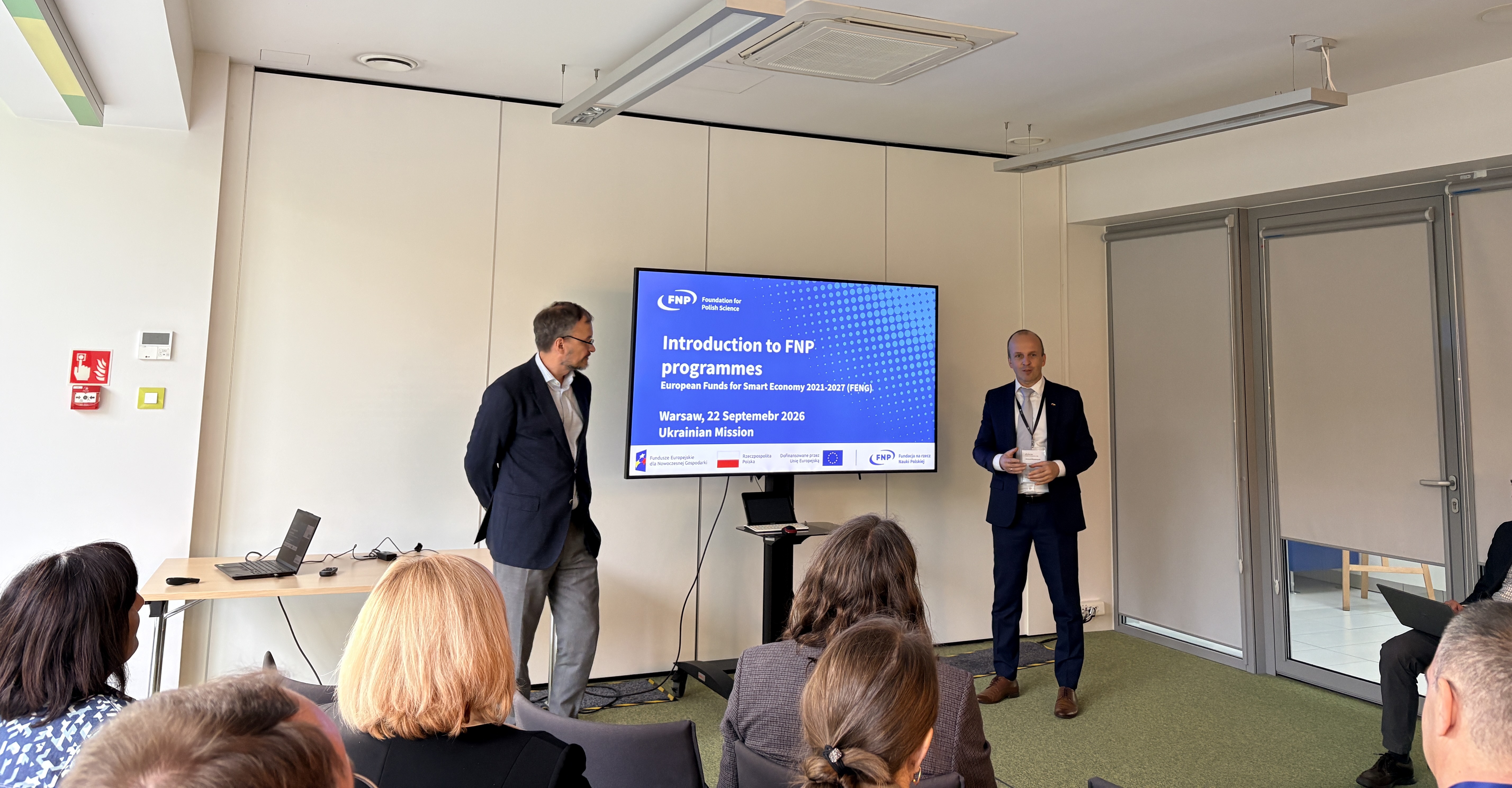
The Foundation for Polish Science, Warsaw. The largest non-governmental grant-making organization in the field of science in Poland, known for its competitive funding programs that support outstanding researchers and teams. The foundation’s activities were presented by its director, Krzysztof Pyrć.
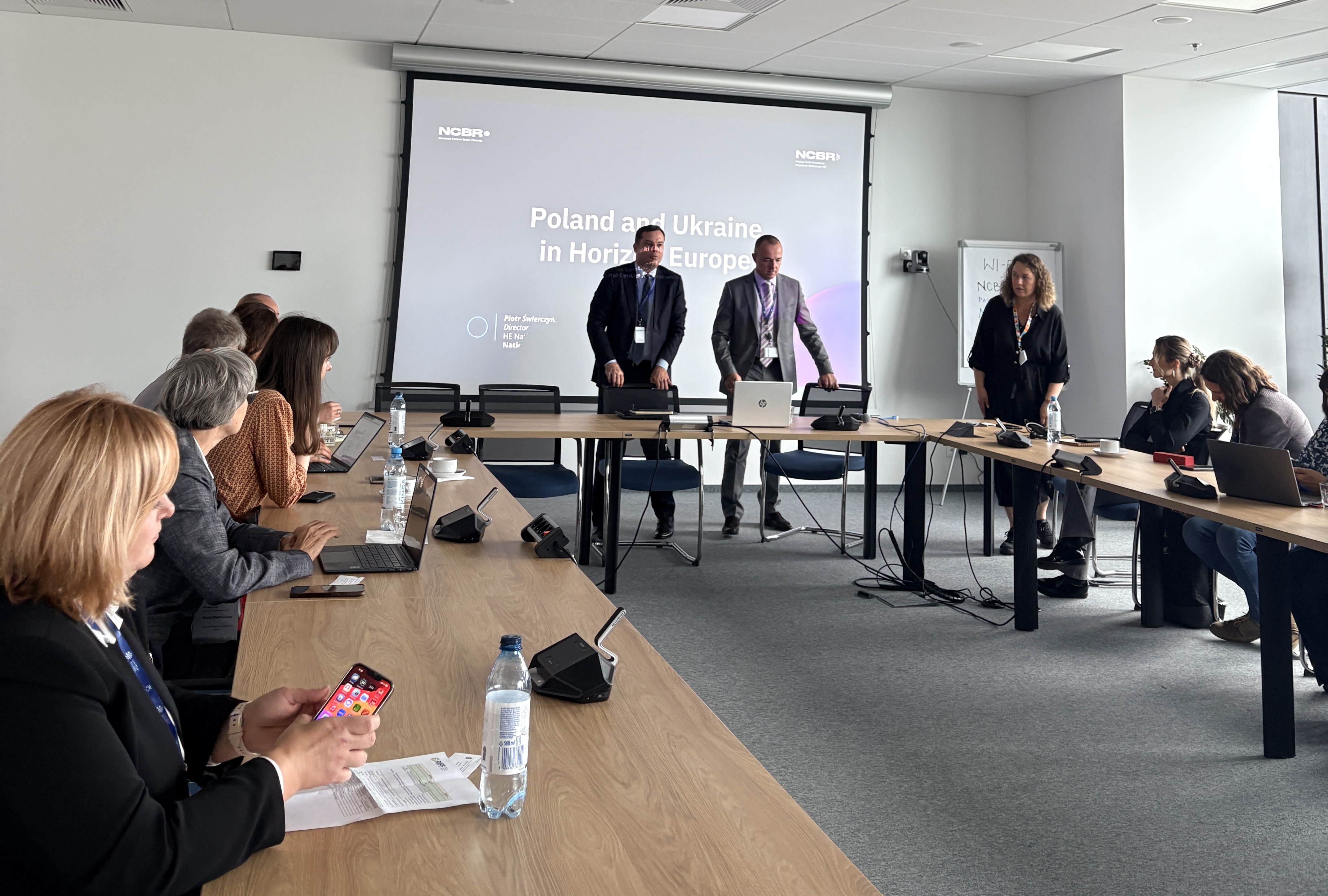
National Center for Research and Development (NCRD) and National Contact Point, Warsaw. Andrzej WAJS presented the organizational structure and scope of responsibilities of the NCRD—a state agency for funding applied research and innovation. Piotr ŚWIERCZYŃSKI, Director of Poland’s National Contact Point, delivered a presentation on Horizon Europe and FP10: readiness and opportunities for research infrastructures.
Jagiellonian University, Kraków. At Poland’s oldest university (founded in 1364), the delegation was welcomed by Professor Jarosław GÓRNIAK, Vice Rector for International Relations. Professor Wojciech MACYK, Vice Rector for Research, presented a report titled “Research Policy at Jagiellonian University,” and Dorota MACIEJOWSKA shared her experience collaborating within international university networks. The program was rounded out by a visit to the Jagiellonian University Museum.
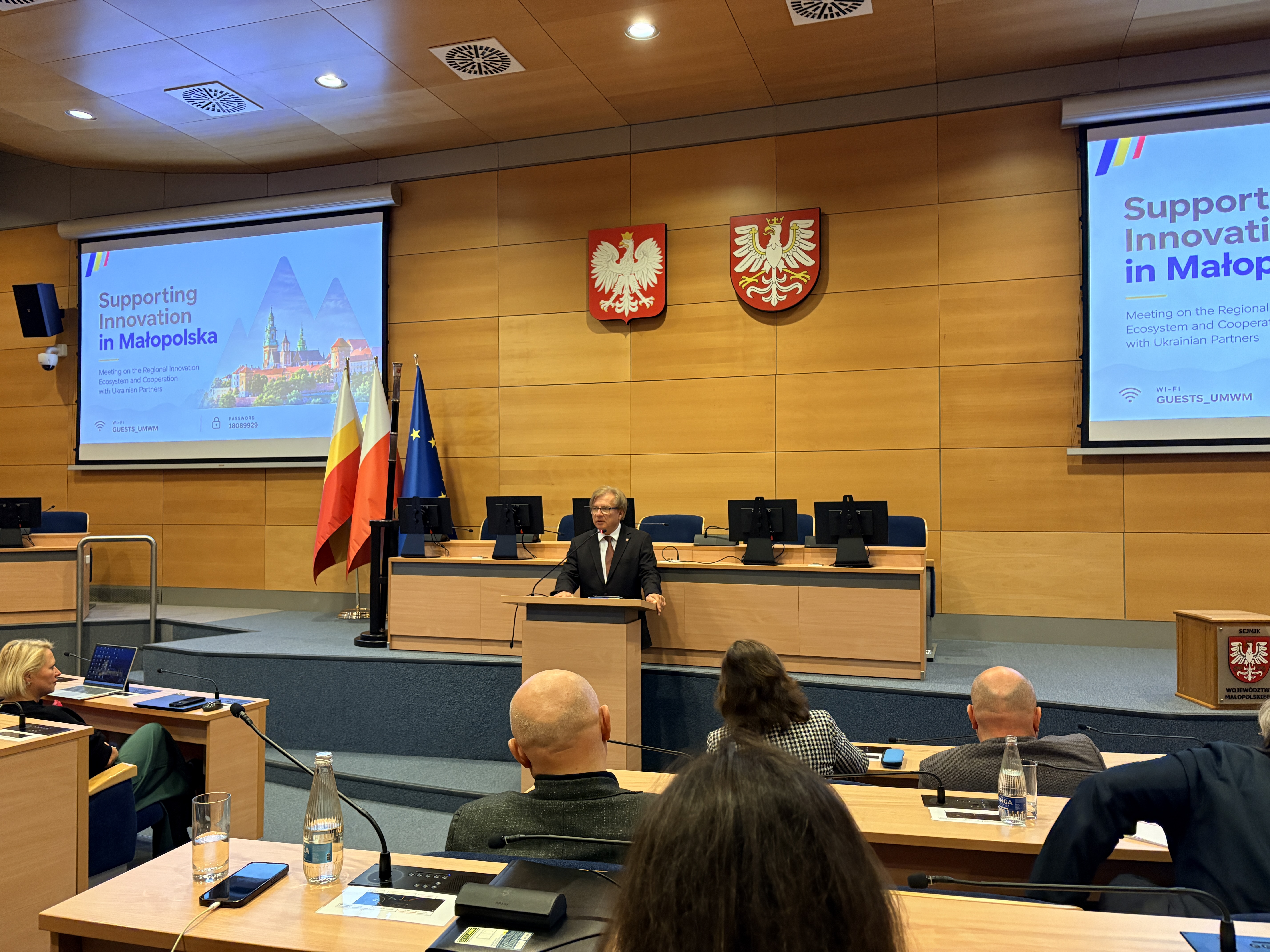
Marshal’s Office of the Lesser Poland Voivodeship, Kraków. The regional dimension of innovation policy was presented by: Jerzy KOPEĆ, Deputy Director of the Department of Property Supervision and Economy, who opened the meeting with a presentation on regional initiatives to support innovation; Aneta FORYŚ, European Funds Information Point; Agnieszka PALA, Business in Małopolska; and Marcin WĄTOR, with a presentation titled “Start in Mountains”—startup villages as a catalyst for the development of mountainous regions.
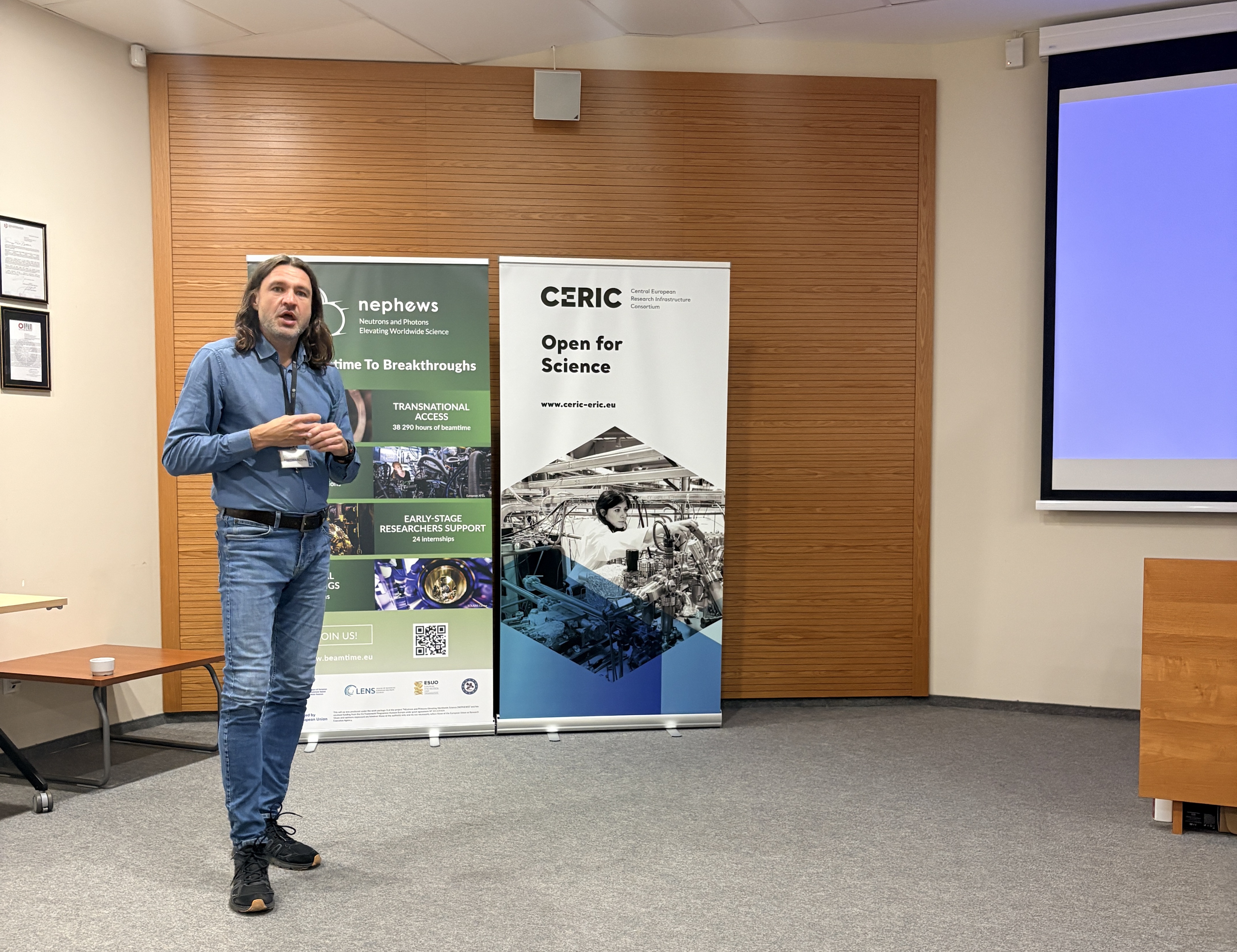
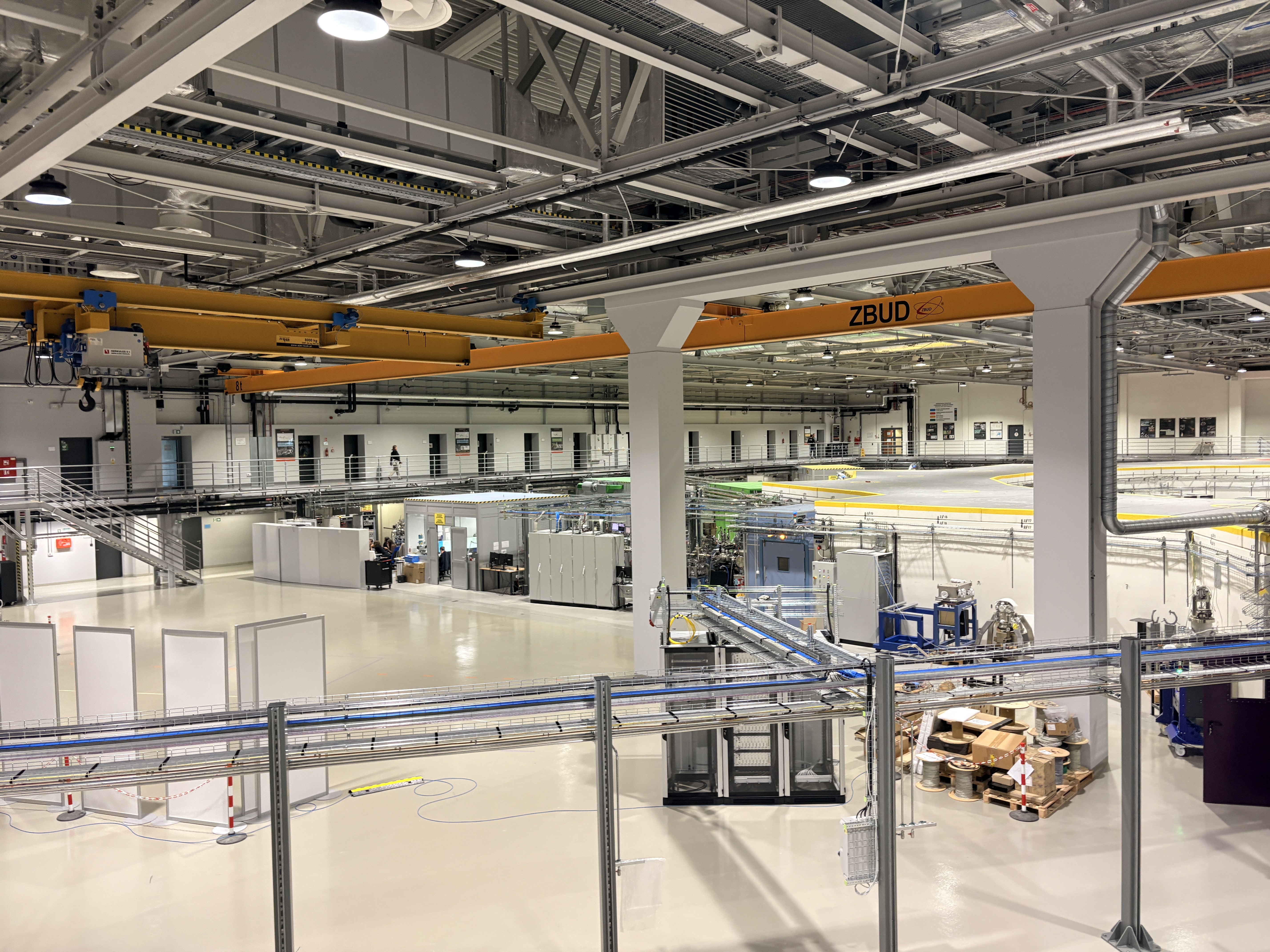
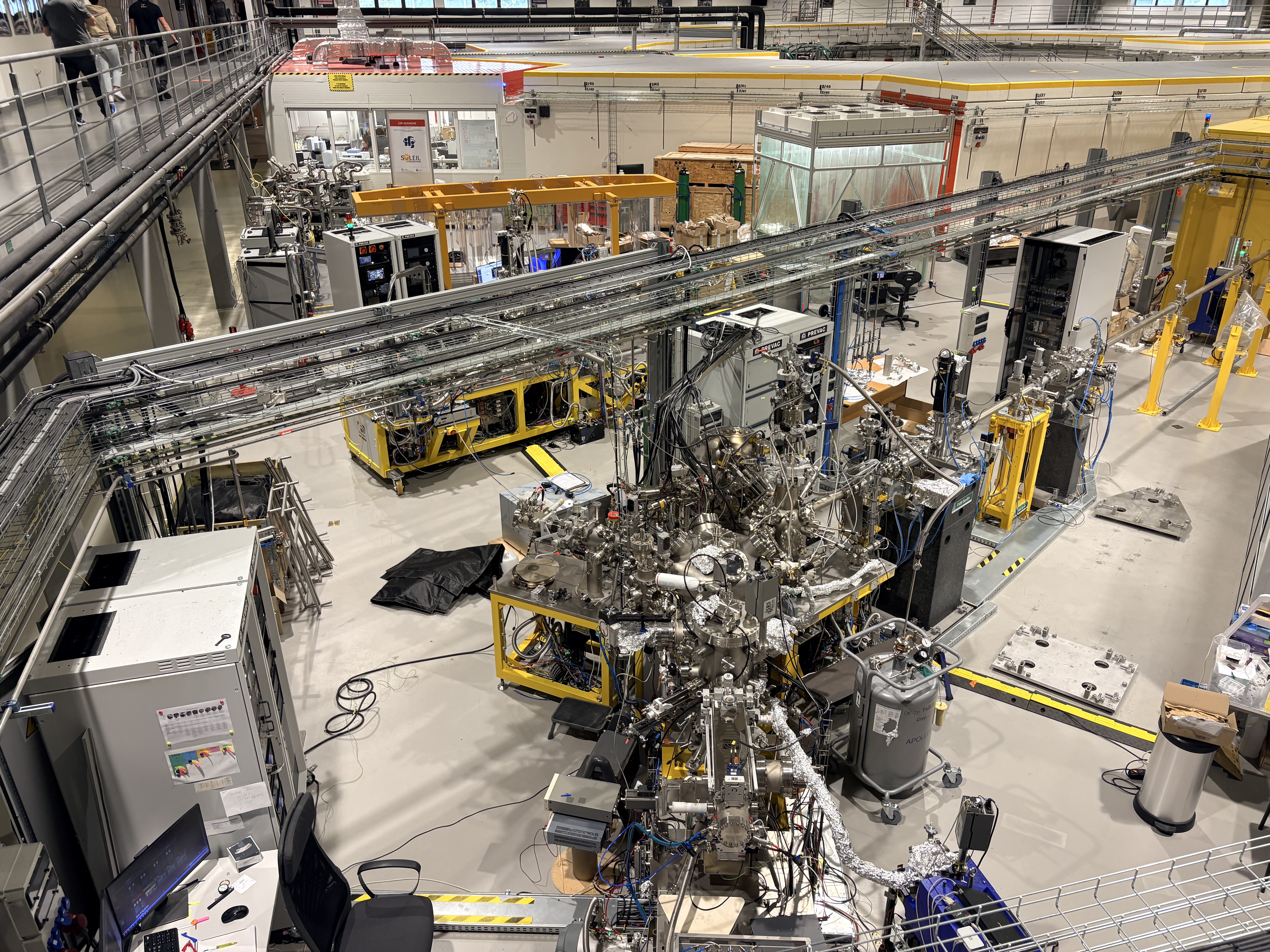
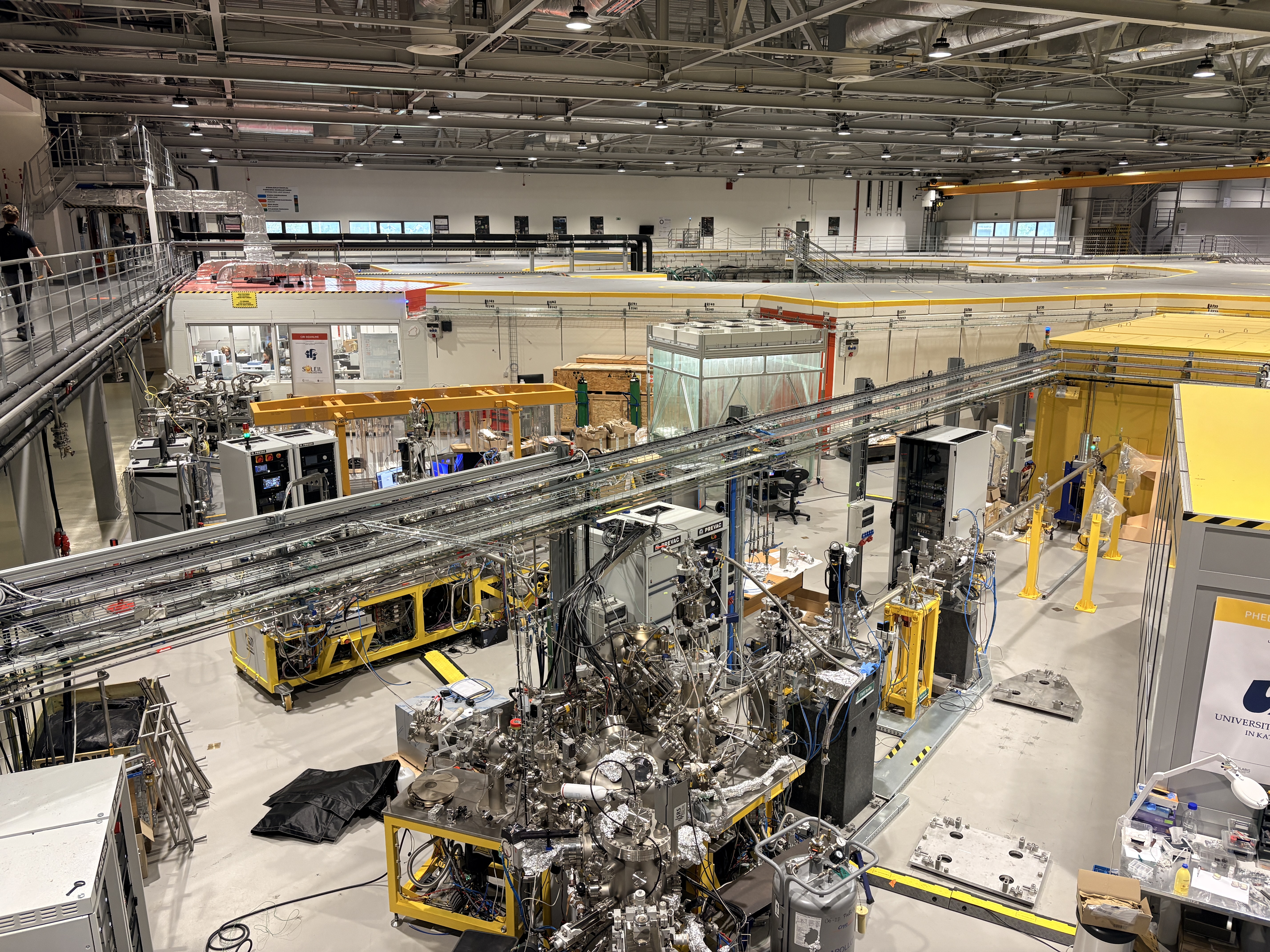
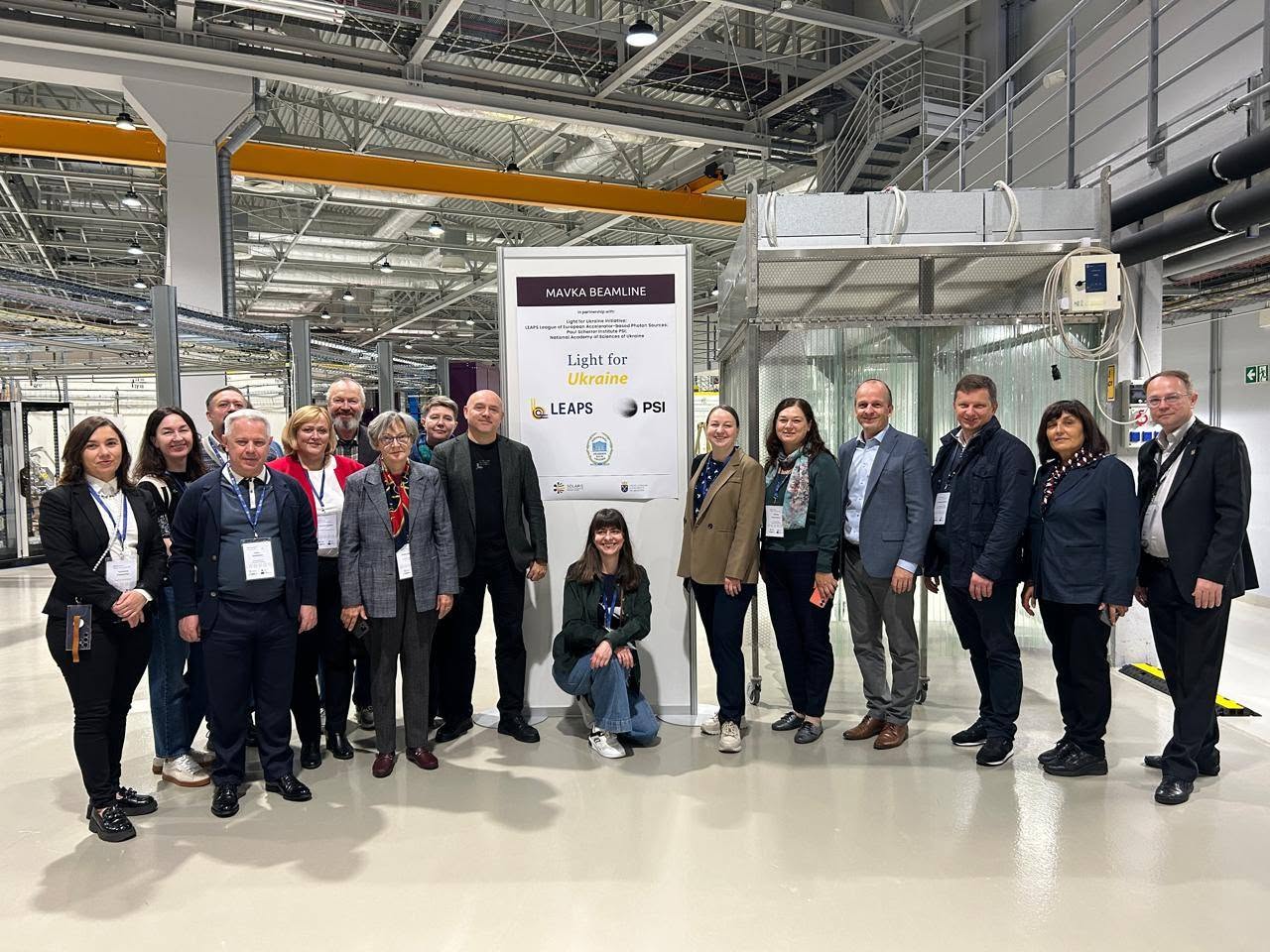
The SOLARIS National Synchrotron Radiation Center, Kraków. Poland’s largest open research infrastructure. Michał MŁYNARCZYK and Marcin SIKORA led a presentation on the center and a tour of the experimental beamlines. Together with Piotr PIVOVARCHIK, they also led a wrap-up session on the role of large open research infrastructures in the research and innovation ecosystem of the European Research Area (ERA).
Jagiellonian Center for Innovation (JCI), Kraków. A life sciences park that brings together laboratories, biotechnology companies, and investors. The delegation was received by the center’s CEO, Paweł BŁACHNO.
Małopolska Biotechnology Center (MCB), Kraków. An interdisciplinary research center in the fields of structural biology and biotechnology. The visit was led by the center’s Deputy Director, Grzegorz DUBIN.
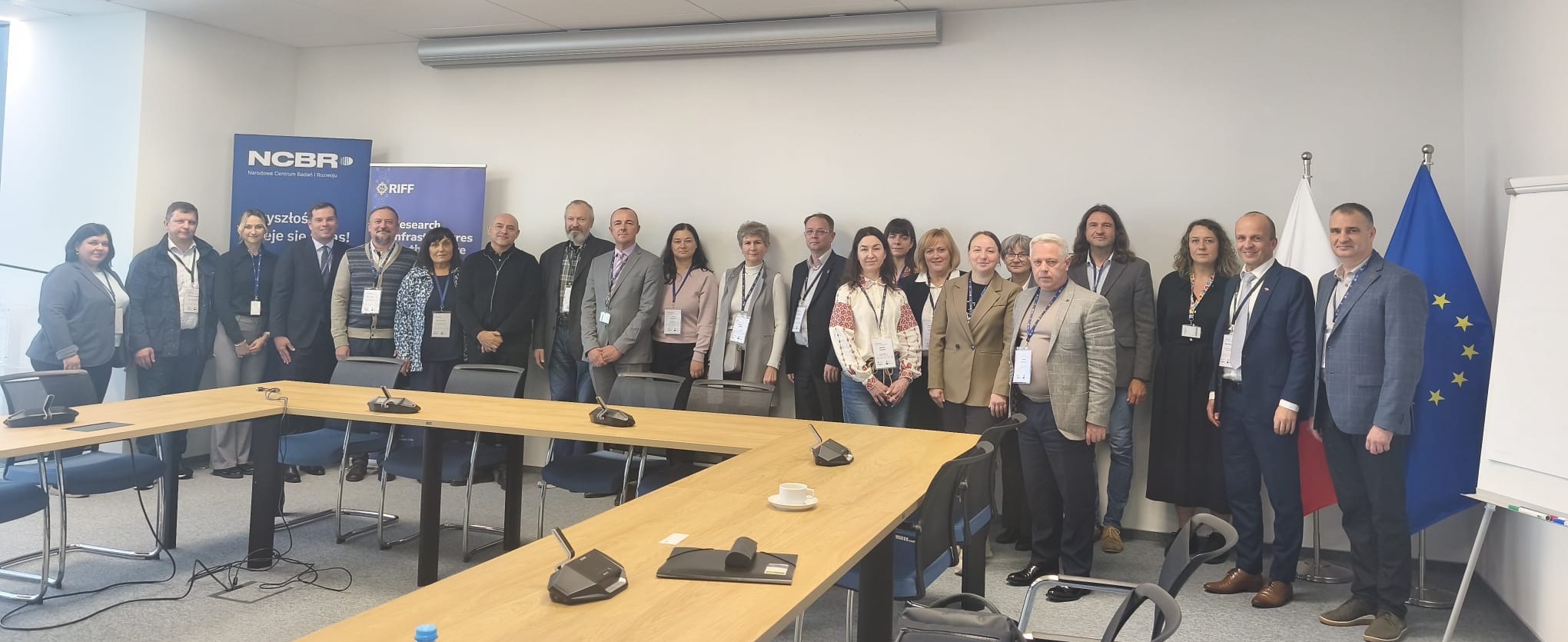
A particular highlight of the visit was the professional environment within the delegation itself: discussing the development of research infrastructure with colleagues representing many Ukrainian research institutes and universities was both enjoyable and extremely useful. Comparing the approaches of different institutions to access policies, equipment sharing, the operation of core facilities, and long-term funding provided insights that no single presentation could have offered.
Key conclusions for Ukraine regarding the development of national research infrastructure:
-
A national roadmap for research infrastructures works only when it is backed by a predictable funding model: structural funds for establishment, and national funds for maintenance and operation;
-
Open access is primarily a managerial decision, not a technical one: SOLARIS, JCI, and MCB are competitive precisely because they were designed from the outset for users outside their own institutions;
-
the regional level matters: the experience of the Lesser Poland Voivodeship demonstrates how a region can provide a level of support that is unattainable for nationwide programs.
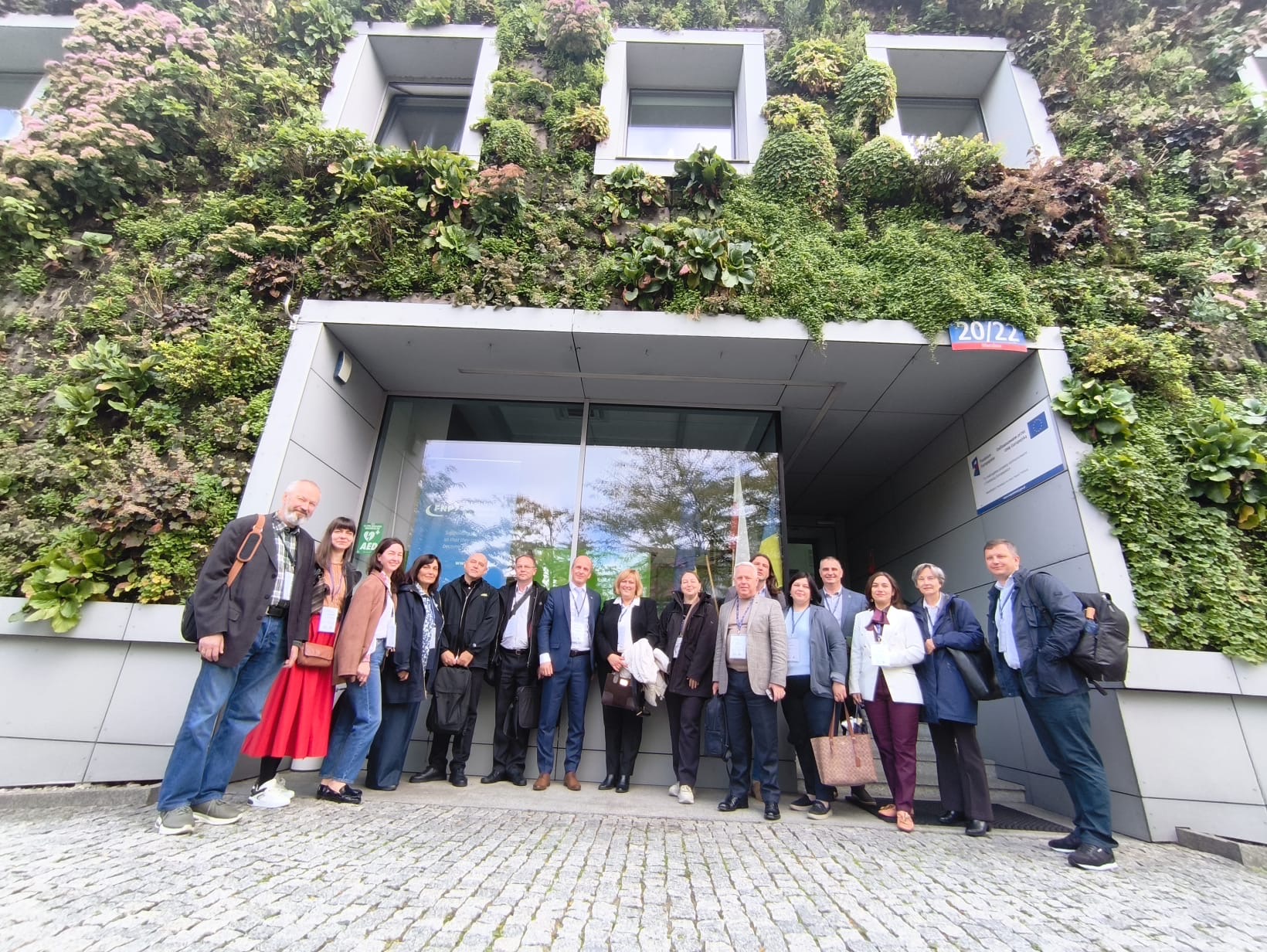
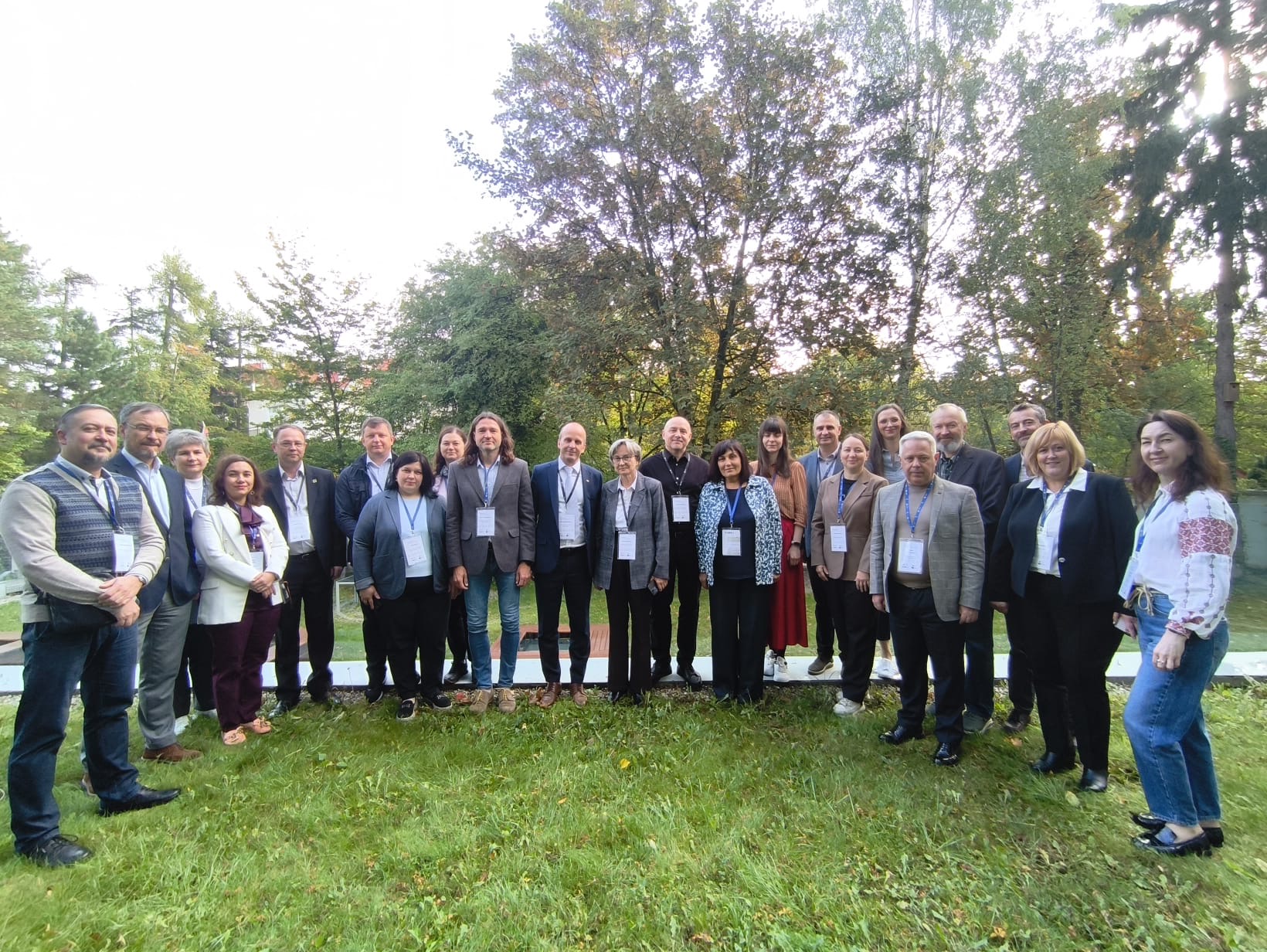
We sincerely thank the organizers of the study visit as part of the RIFF project and all the institutions that hosted the Ukrainian delegation for their openness, substantive discussions, and willingness to share not only their successes but also the challenges they have faced along the way. The experience gained will be used to develop proposals for the Roadmap for the Restoration and Development of Research Infrastructures in Ukraine, and the contacts established will be utilized for new joint projects involving researchers from the National University of Life and Environmental Sciences of Ukraine.