


Food Security and Resilience: NUBiP of Ukraine Hosts a Public Lecture by World Bank Vice President Antonella Bassani
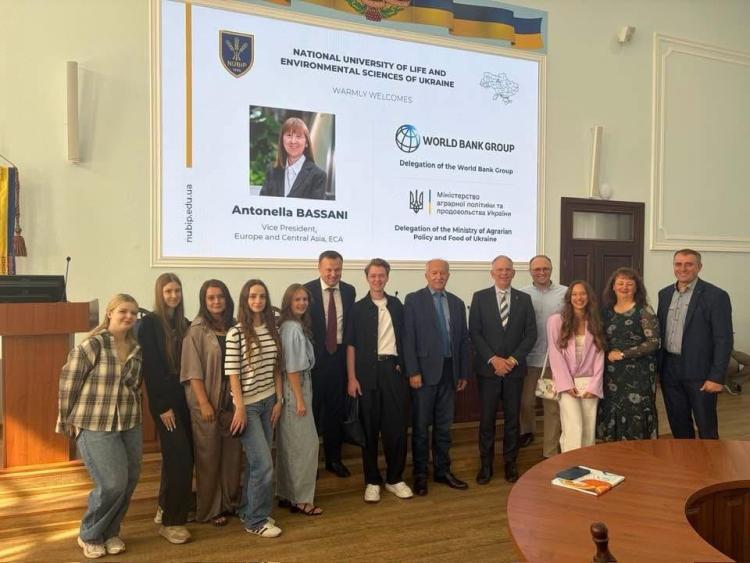
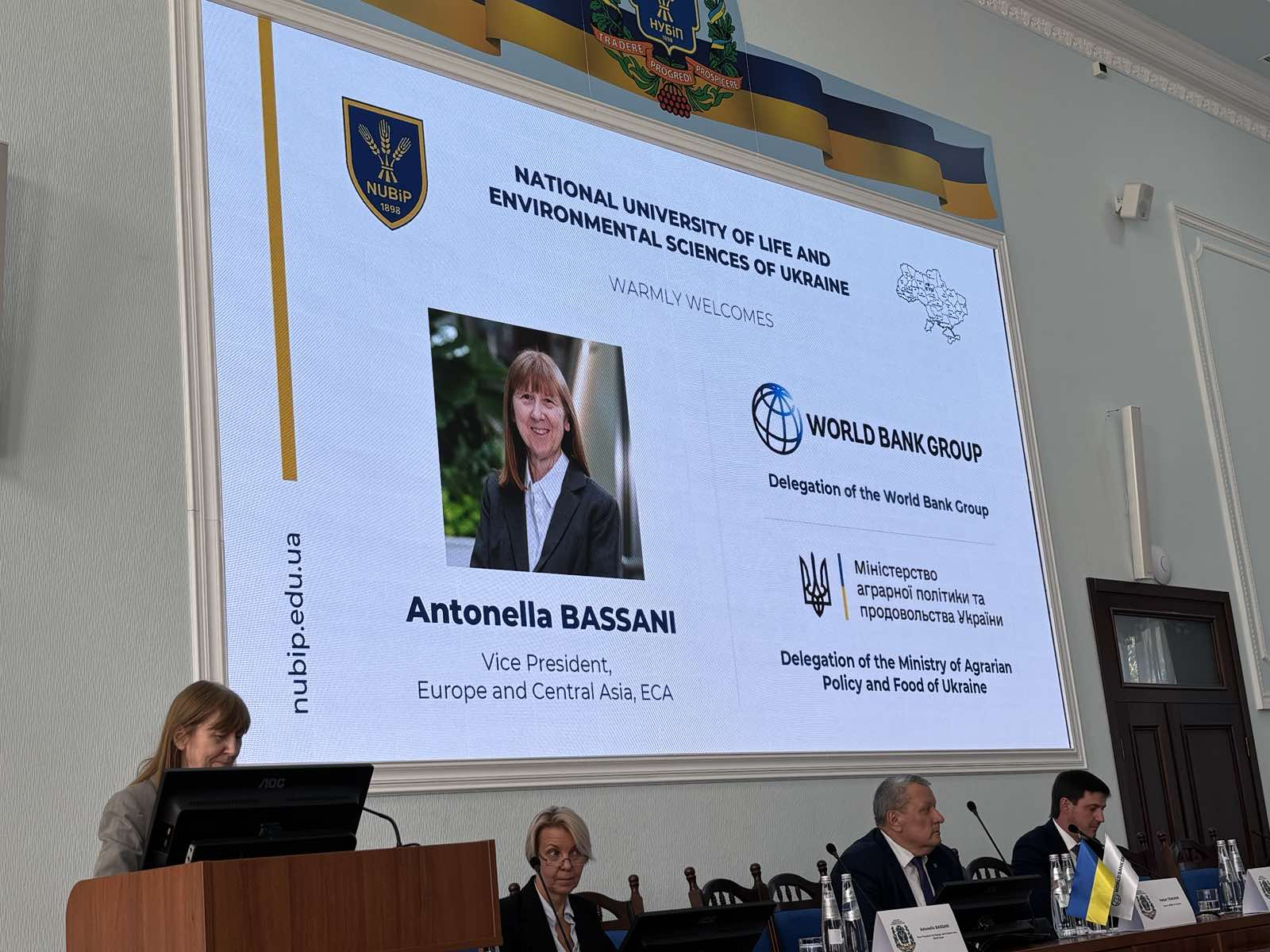
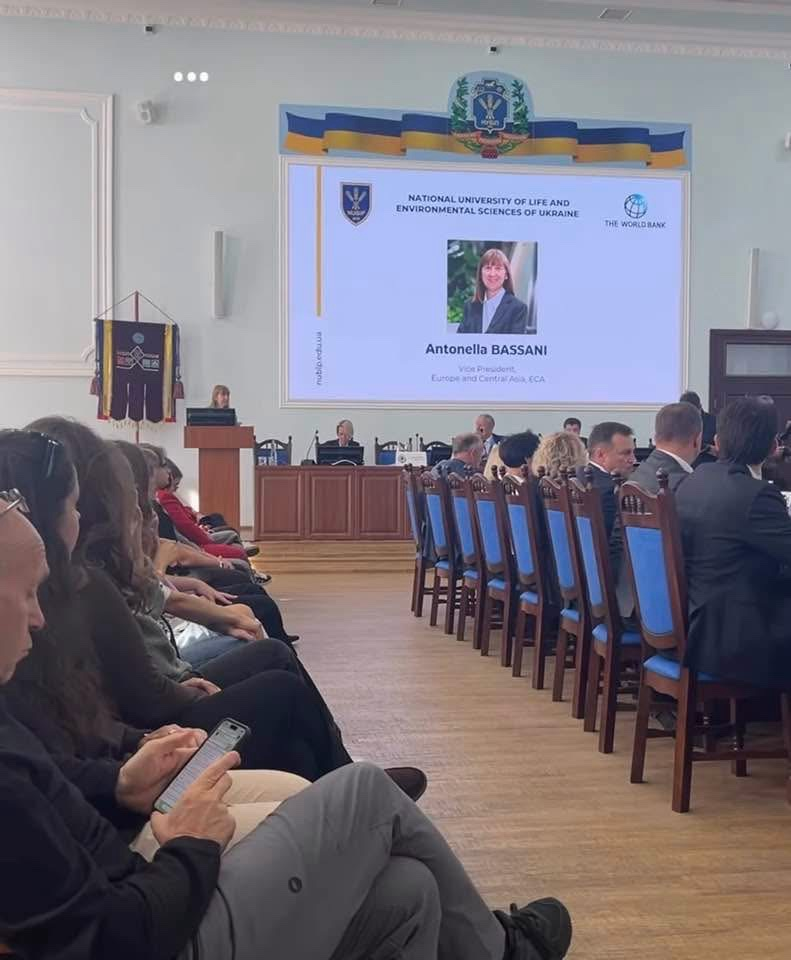
On 11 September 2026, the National University of Life and Environmental Sciences of Ukraine (NUBiP of Ukraine) hosted a public lecture by Antonella Bassani, World Bank Vice President for Europe and Central Asia. Entitled “Food Security and Resilience: Ukraine’s Global Impact”, the lecture addressed global food security risks, the importance of Ukraine’s agricultural sector to international food security, and the World Bank Group’s support for Ukrainian agriculture.
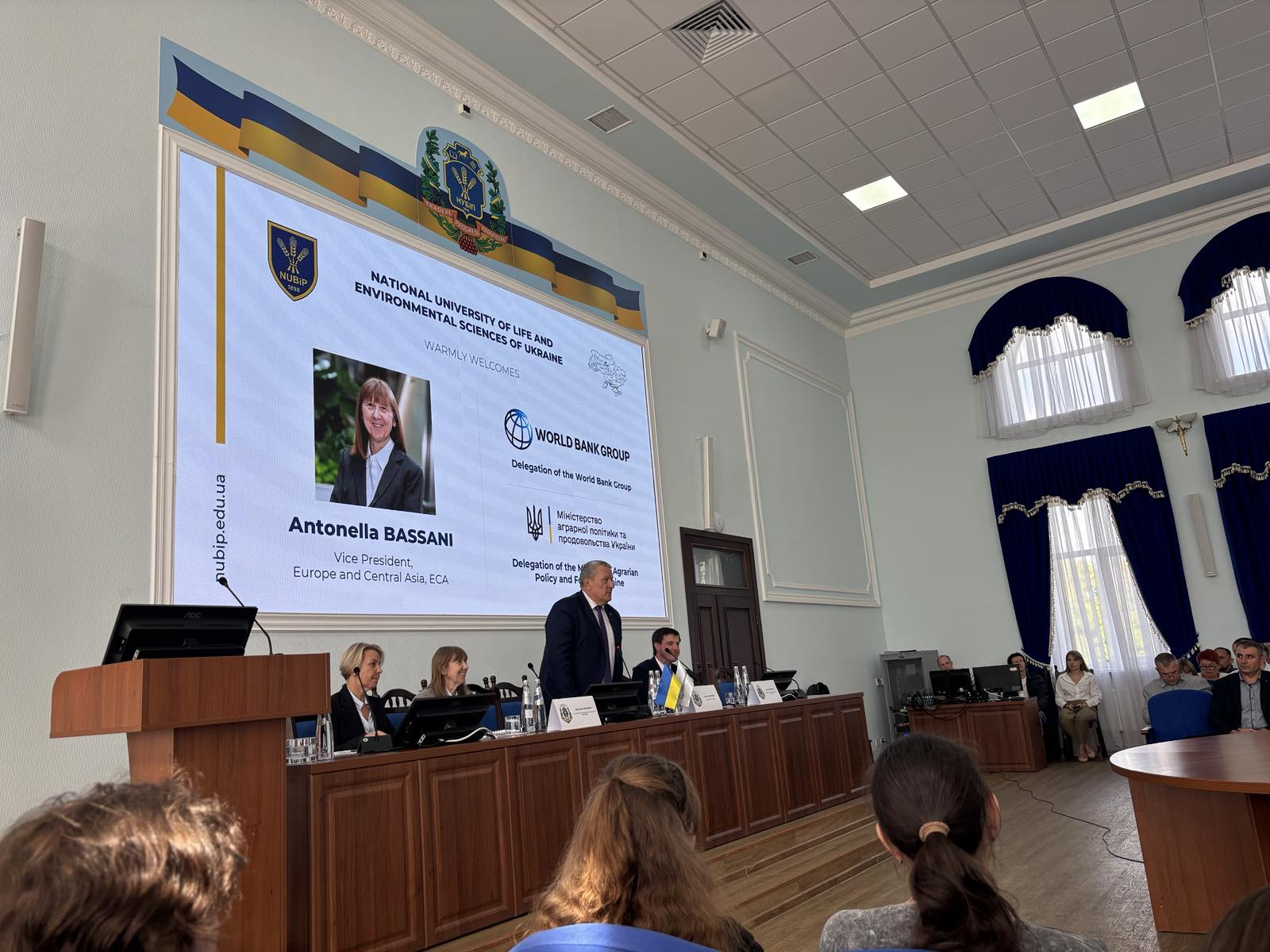
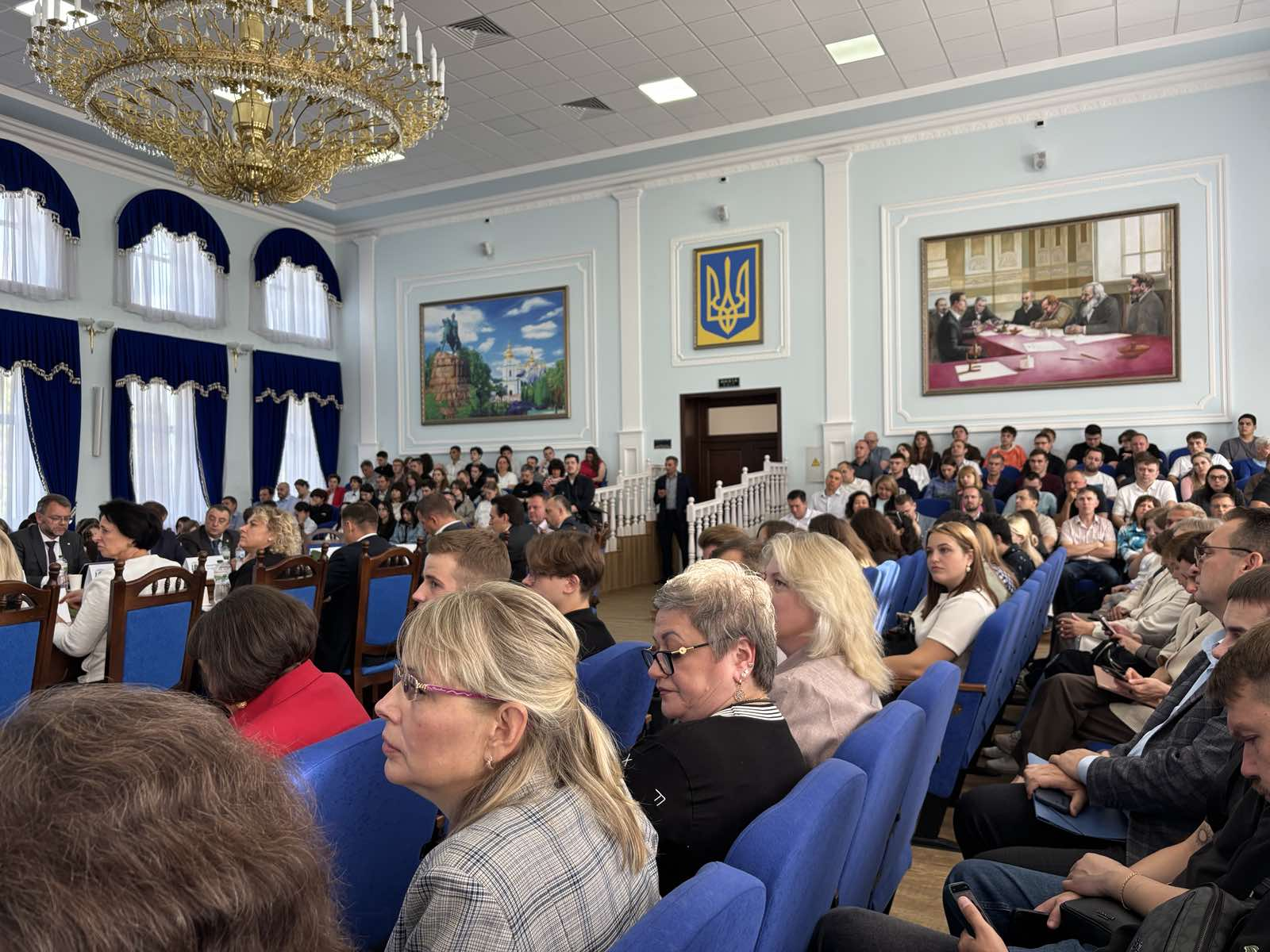
The lecture brought together issues of economics, international cooperation, agricultural production, and sustainable development. It offered the university community an opportunity to examine the challenges facing Ukraine within a broader global context and to reflect on the relationship between the resilience of the country’s agriculture and the reliability of global food supplies.
Antonella Bassani oversees the World Bank’s strategic, financing, and knowledge work in Europe and Central Asia. She has more than thirty years of experience in international development, economic management, and poverty reduction. Her professional responsibilities have included leading complex international projects, developing strategies, and designing financing solutions for partner countries.
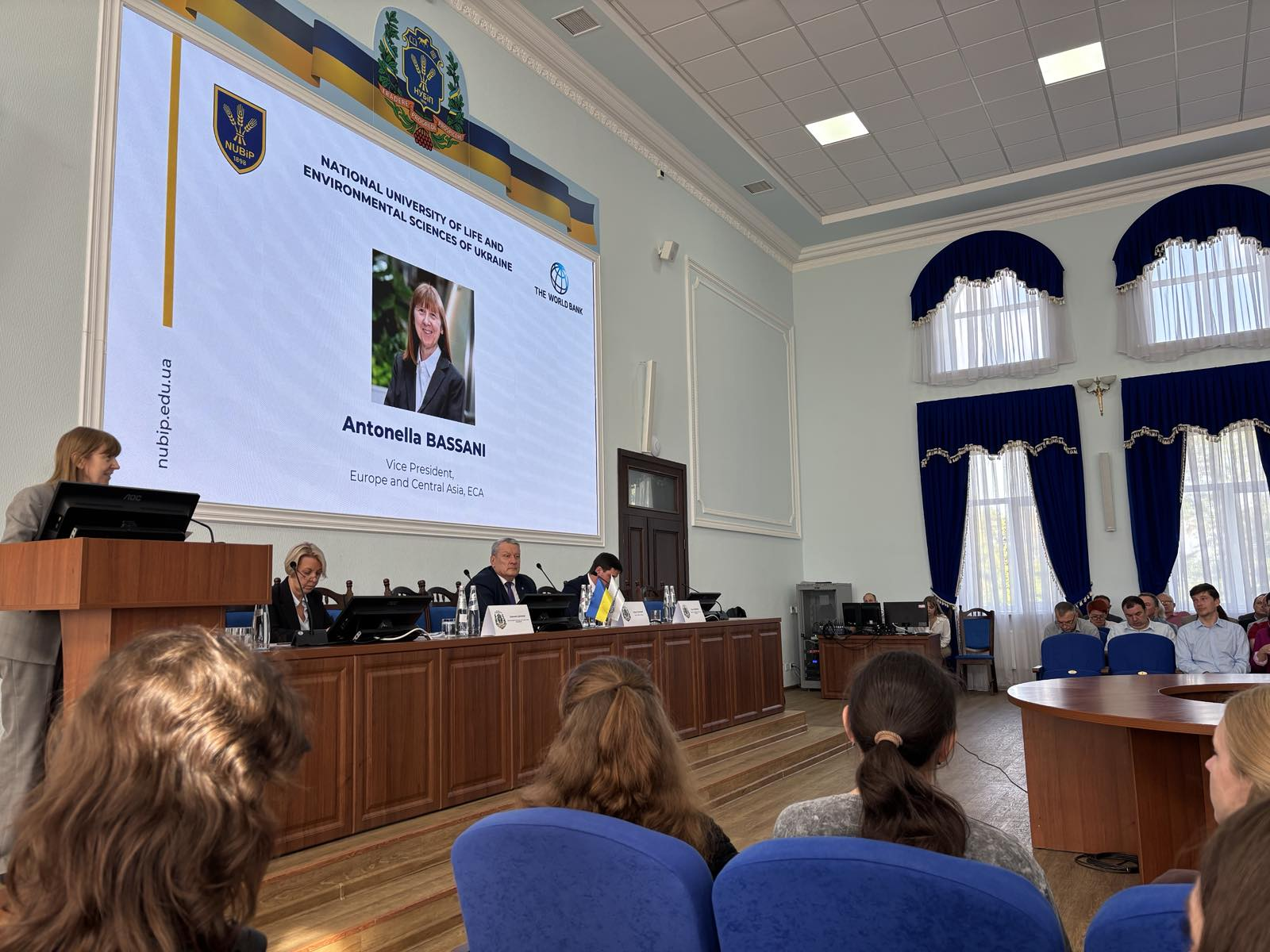
Antonella Bassani’s biography is available on the official World Bank website.
Global food security risks were among the central themes of the lecture. The discussion highlighted the interconnections between agricultural production, storage, processing, transportation, and access to food for end consumers. Food security depends on the coordinated functioning of all these components, together with the capacity to respond promptly to threats and maintain continuity of supply.
Particular emphasis was placed on Ukraine’s role in ensuring food security. Ukrainian agriculture was examined within the context of international economic relationships connecting producers, trading partners, and consumers beyond the country’s borders. This perspective encouraged a deeper understanding of the global importance of preserving Ukraine’s productive capacity and ensuring predictable conditions for its agricultural exports.
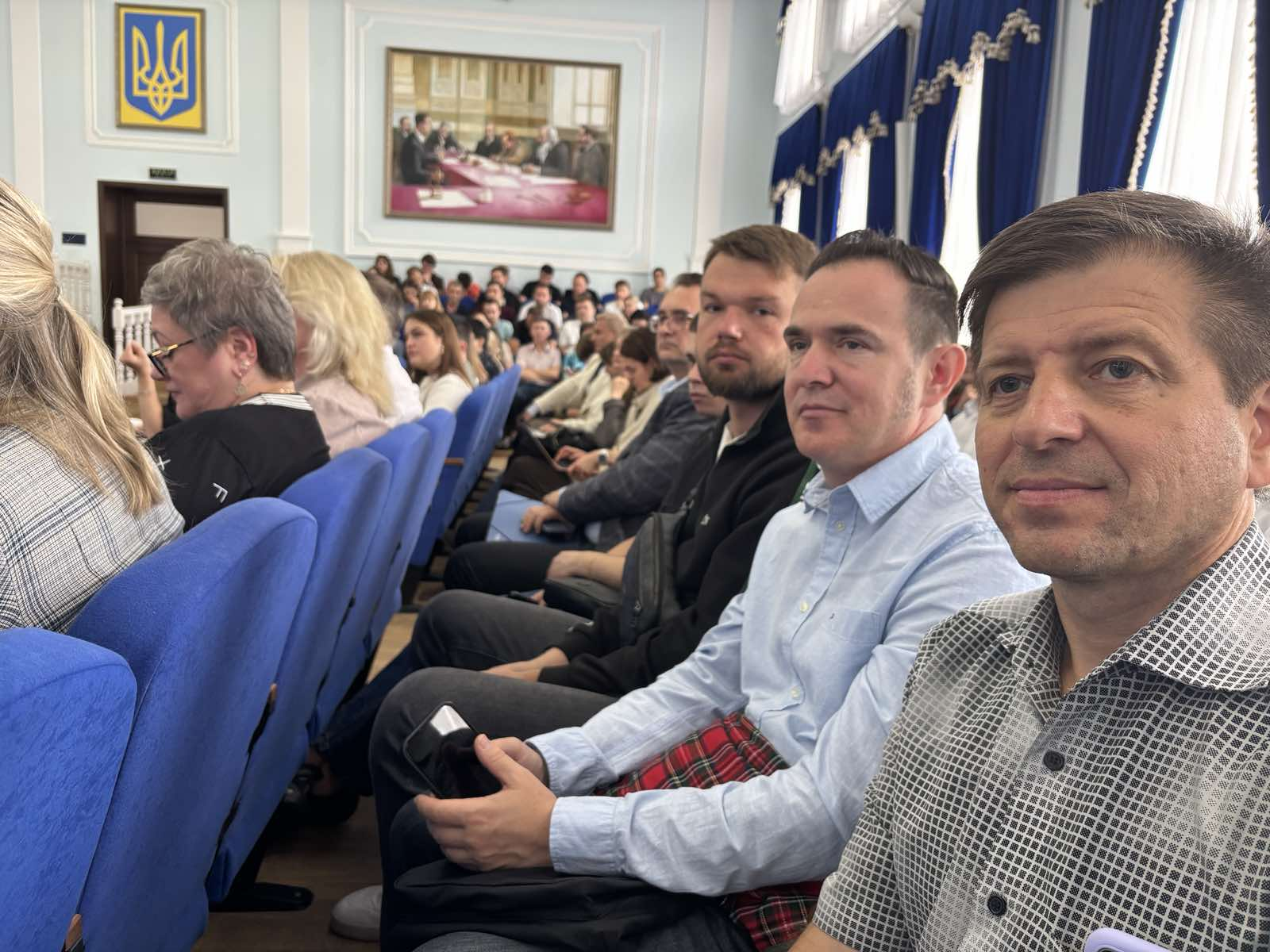
The lecture also addressed the far-reaching consequences of disruptions to supply chains and export routes. This discussion highlighted practical challenges associated with moving products from producers to consumers, ensuring reliable logistics, and maintaining the functioning of supply systems under conditions of uncertainty. For future agricultural professionals and managers, understanding these interconnections is an essential foundation for informed professional decision-making.
Another major theme was the World Bank Group’s support for Ukrainian agriculture. Participants had an opportunity to learn about the approaches and priorities guiding this support and to deepen their understanding of the role of international institutions in strengthening the resilience of the agricultural sector. The discussion encouraged reflection on how international partnerships can respond to the needs of Ukrainian producers while advancing long-term development objectives.
For NUBiP of Ukraine, the event held particular educational significance. Food security is directly connected to the preparation of professionals capable of working at the intersection of agricultural sciences, economics, environmental sciences, and management. The public lecture format enabled participants to complement theoretical knowledge with international practical experience, examine approaches to complex problems, and explore opportunities to apply the knowledge acquired at university.
The lecture was attended by master’s students in the D3 Management specialism enrolled in the professionally oriented programmes «Management of Educational Institutions» and «Human Resource Management». For future educational leaders and human resource professionals, the event offered an opportunity to broaden their understanding of the international context of management, the interdependence of economic and social processes, and the importance of human capital to organisational and societal resilience.
For students in the «Management of Educational Institutions» master’s programme, the lecture was particularly relevant to understanding the role of education in preparing professionals to respond to societal and economic challenges. The relationship between the quality of professional education, scientific advancement, and economic resilience provides a basis for understanding educational leaders’ responsibility for institutional strategic development, partnership building, and ensuring that educational provision responds to societal needs.
For students in the «Human Resource Management» programme, participation in the lecture provided an opportunity to consider global challenges from the perspective of workforce needs, professional competence development, and the adaptation of employees and organisations to change. The issues discussed are relevant to strategic workforce planning, preserving human potential, professional training, and developing teams’ capacity to operate under conditions of uncertainty.
The management dimension of the lecture was relevant to both programmes: the need to analyse problems systematically, account for external risks, reconcile the interests of different stakeholders, and consider the long-term consequences of decisions. Participation in such events helps future managers connect their professional education with the realities of international development and gain a broader understanding of their professional responsibilities.
The lecture also provided a basis for reflection on the role of agricultural education and research in building resilient food systems. The issues raised can inform further educational and scholarly discussions on production efficiency, the responsible use of natural resources, risk management, and international cooperation. For early-career researchers, these themes offer opportunities for interdisciplinary analysis and a clearer understanding of the practical relevance of their research.
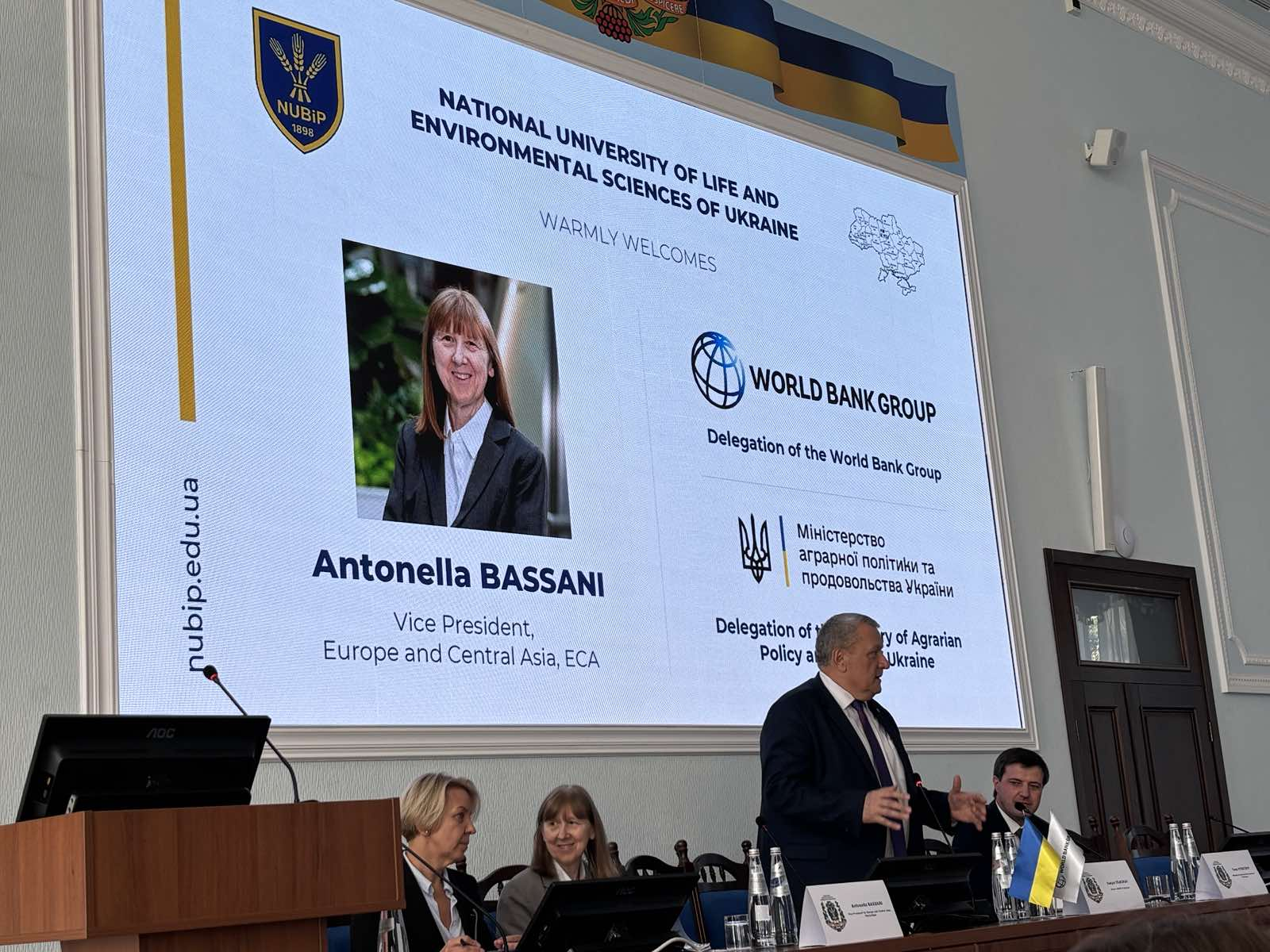
The event was conducted in English, giving participants an additional opportunity to deepen their understanding of specialist terminology and gain experience in following a professional presentation in an international academic setting.
Antonella Bassani’s public lecture offered the university community an opportunity to develop a deeper understanding of Ukraine’s global contribution to food security. For master’s students in the D3 Management specialism, participation complemented their professional education with an understanding of the international processes that shape contemporary management decisions, support human capital development, and underpin cooperation between education, government, business, and international institutions.