


The first seed of 2026 was sown in a furrow at the Department of Agrochemistry’s experimental station
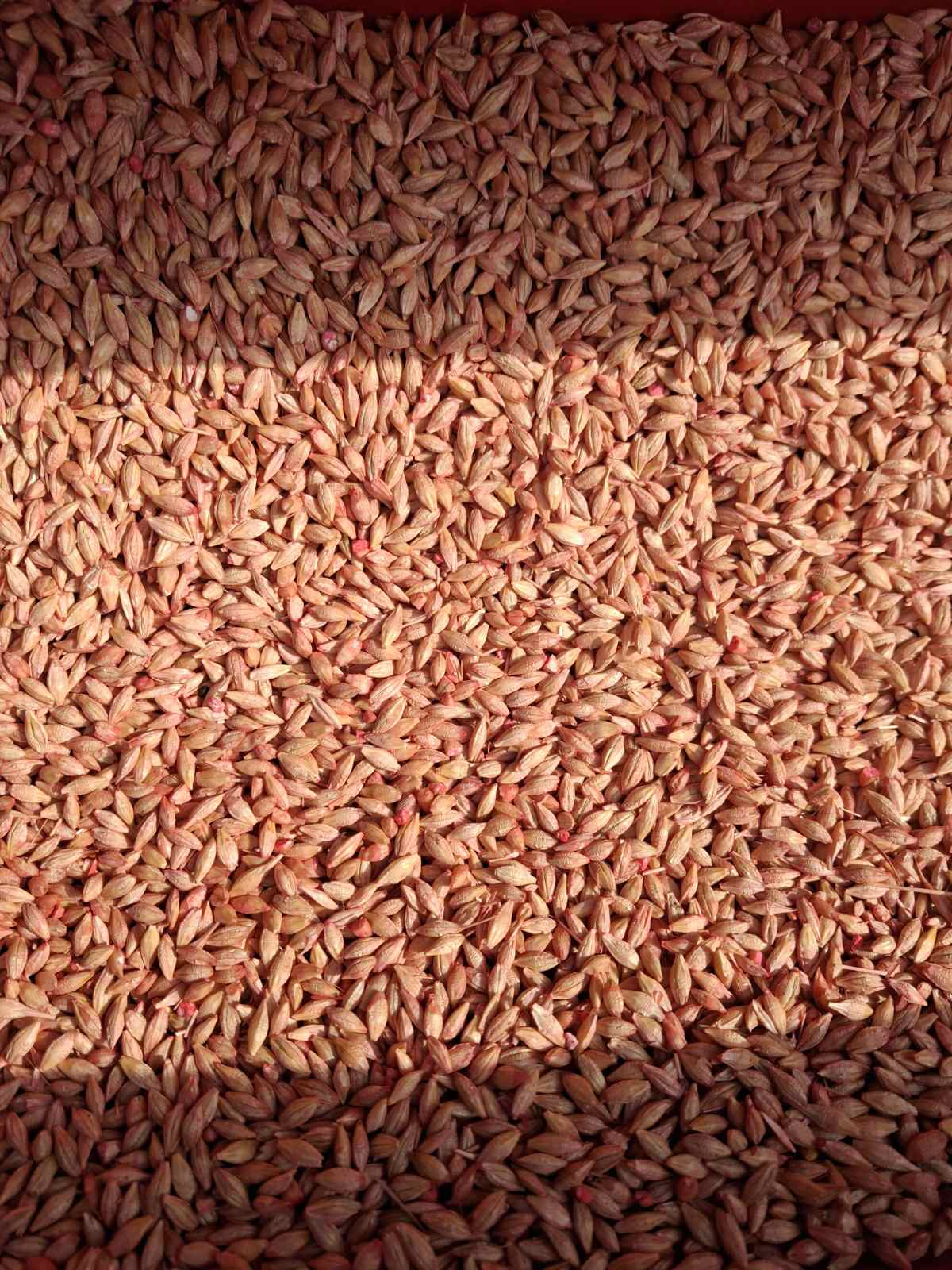
Spring has arrived at the experimental fields — and with it, a new season of scientific research has begun. The first spring crop to be sown was spring barley, not counting winter wheat, of course.
With the arrival of the optimal sowing period, the team at the Agronomic Research Station began setting up field trials for the 2026 season. In particular, Alla Petrivna and representatives of the department are carrying out preparatory work in advance: trial designs have been planned, seed material has been prepared, and fertiliser application rates have been calculated.
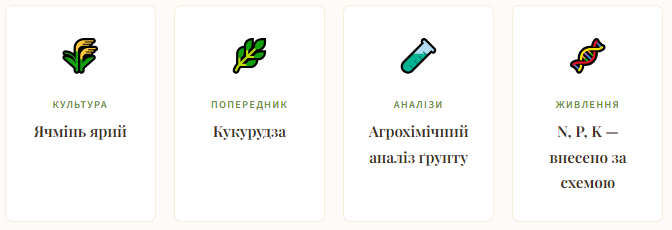
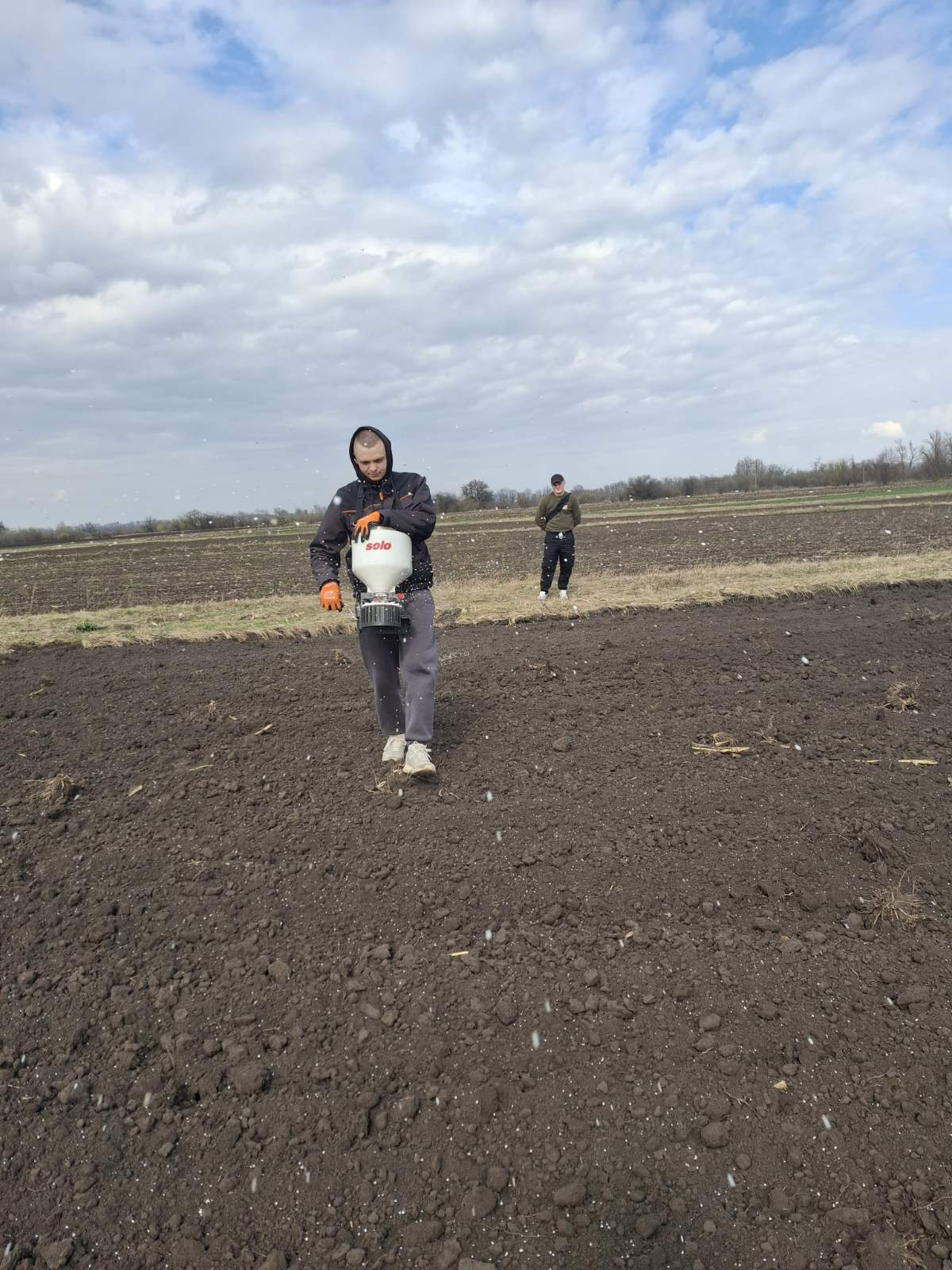
Prior to sowing, mineral fertilisers were applied to the trial plots in accordance with the planned fertilisation regimes. Strict adherence to technical guidelines is essential for obtaining reliable and reproducible results in scientific research.
Theses
“A key area of research at the department is the study of nutrient transformation within the ‘soil–fertiliser–plant’ system, which is the subject of the discipline of ‘Agrochemistry’. Postgraduate students from the Department of Agrochemistry and Crop Production Quality collected soil samples to determine the content of mobile forms of nitrogen, phosphorus and potassium, soil solution pH and other agrochemical indicators of the soil. This data will enable the monitoring of changes in soil nutrient status under the influence of different fertilisation systems and will form the basis for the students’ thesis research.”
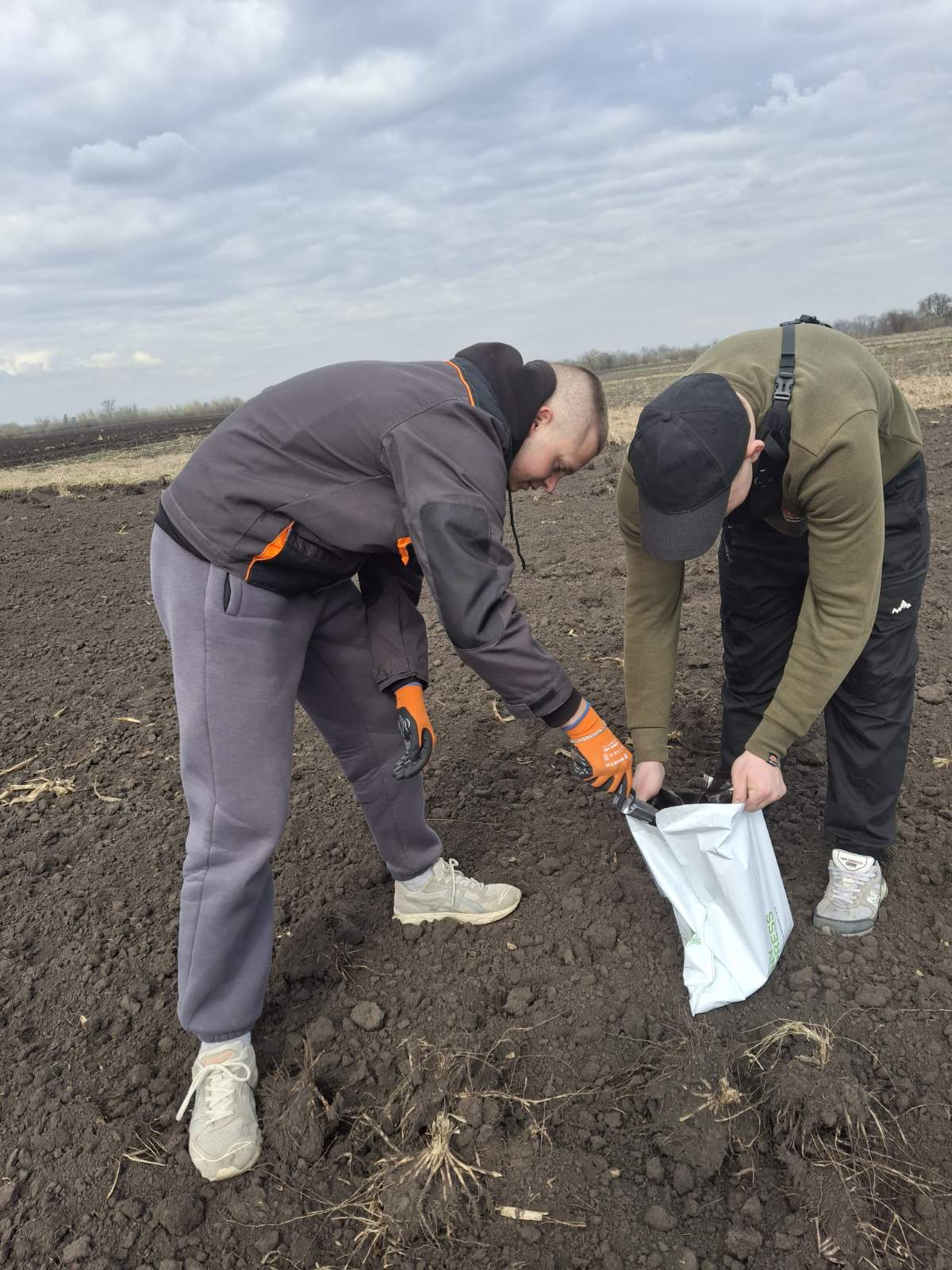
Fieldwork is not just about science, but also provides invaluable practical experience for future agricultural specialists. It is here, on the experimental plots, that theoretical knowledge takes on real meaning, and students learn to make decisions that determine the harvest.
Ahead lies a busy season of observations, surveys, plant and soil sampling, and laboratory analyses. The staff of the station and the department are committed to working productively and achieving significant scientific results.
We wish all research participants inspiration, good weather and a bountiful harvest of scientific findings!