

COPILOT Workshop "Innovations in the field of deep technologies and entrepreneurship for sustainable energy and clean technologies." on December 29 2025
International scientific and practical workshop on the results of the implementation of the first phase of the COPILOT project "Innovations in the field of deep technologies and entrepreneurship for sustainable energy and clean technologies."
On December 29, 2025, based on the Faculty of Engineering and Design of the National University of Life and Environmental Sciences of Ukraine, the International Scientific and Practical Workshop was held on the results of the implementation of the first phase of the COPILOT project "Innovations in the field of deep technologies and entrepreneurship for sustainable energy and clean technologies". Oleksandr LABENKO, Vice-Rector for Scientific and Pedagogical Work and International Activities, chaired the event.
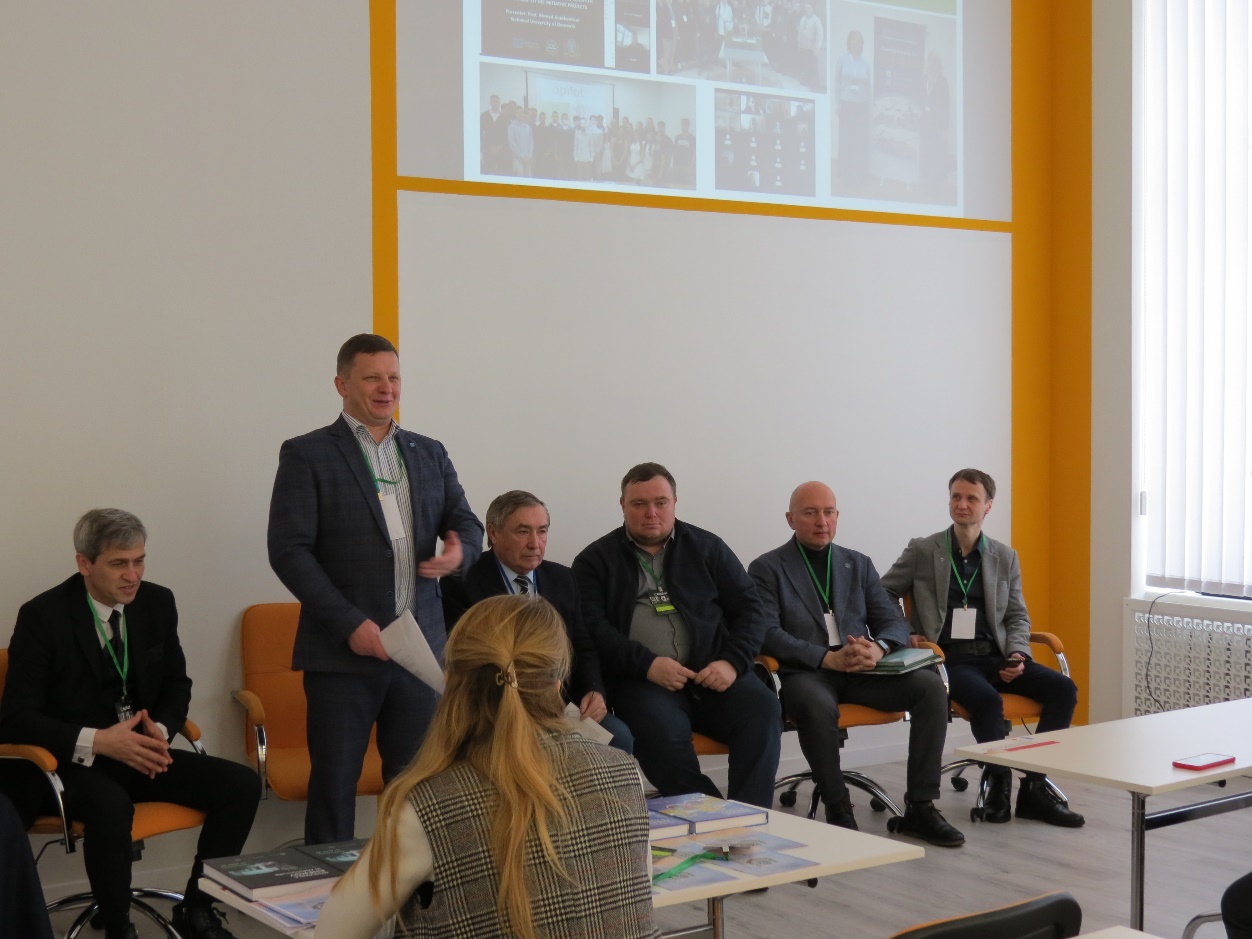
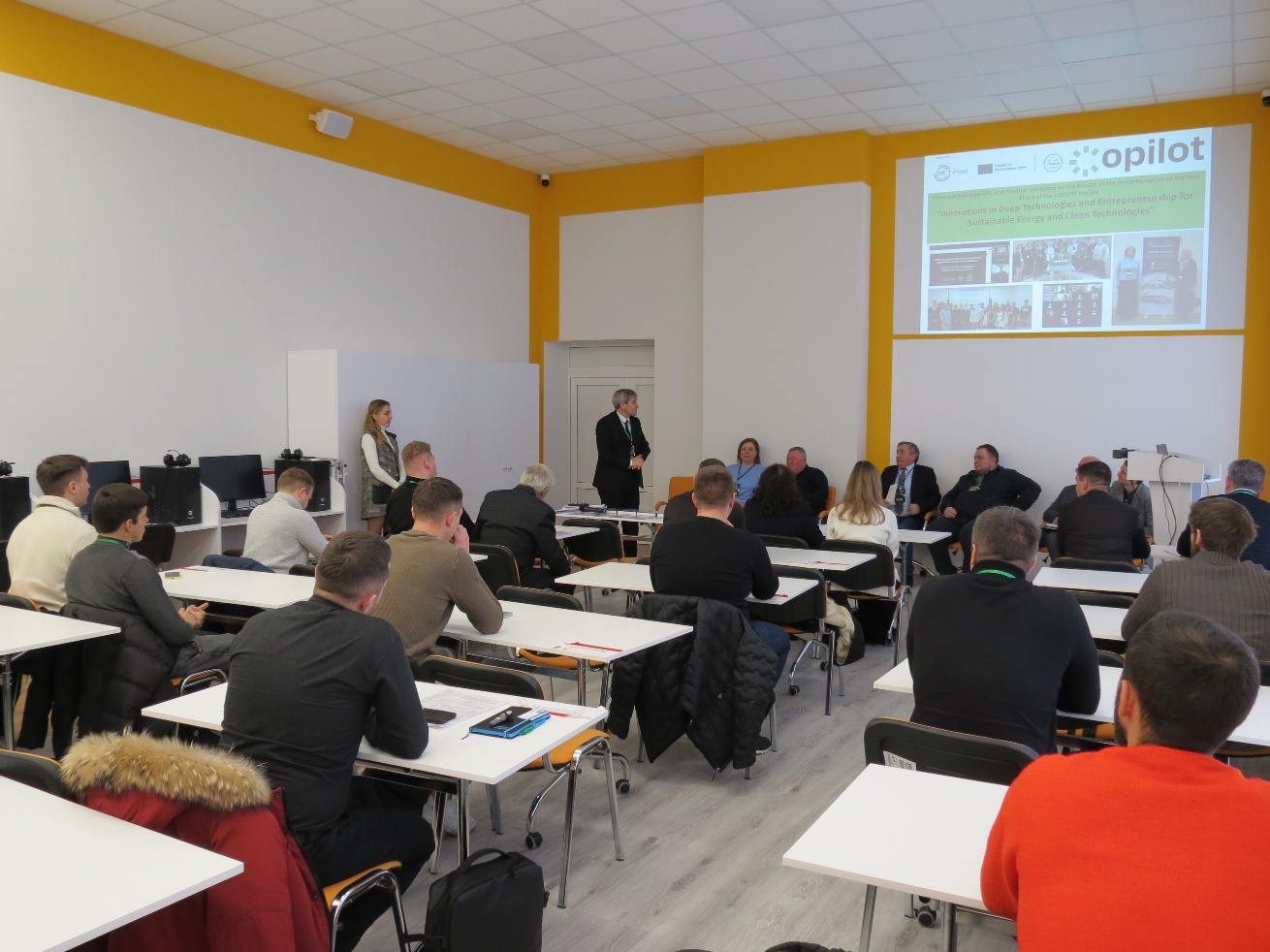
The workshop was held in a mixed format and aimed to present the results of the first phase of the COPILOT project, which ran from April 1 to December 31, 2025, as well as to determine further directions for its development. The event discussed the formation of effective mechanisms for interaction between higher education institutions, scientific institutions, and the business environment, aiming to implement the "knowledge triangle", support European integration processes, and harmonize the educational, scientific, and innovative spaces.

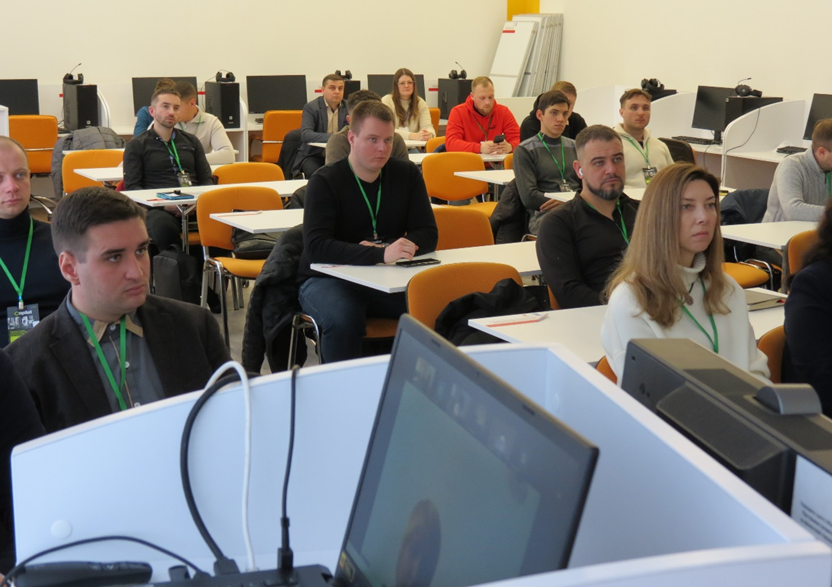
The workshop was attended by representatives from NUBiP of Ukraine, Bila Tserkva National Agrarian University (BNAU), Polissya National University (PNU), the Danish Technical University, the University of Castilla-La Mancha, Athens Agrarian University, the Cyprus Institute, and the Institute for Entrepreneurship Development, among other partner organizations.
The program of the event included presentations of educational and scientific achievements, working sessions with consortium partners, as well as a discussion of prospects for implementing educational, scientific, and innovative initiatives in the field of sustainable energy and clean technologies. The central part of the workshop took place in the innovative HUB "Sustainable Business Platform".
The event was officially opened by Oleksandr LABENKO, who outlined the key tasks of the workshop, determined the format of work, emphasized its importance for the development of the university's international activities, and wished the participants fruitful cooperation.
focus

Following the welcoming speeches by Ivan ROGOVSKYI, Vyacheslav BRATISHKO, Tetiana DYMAN, Olena SUKMANIUK, and representatives of the consortium partners, the workshop proceeded with reports from key speakers.
The event was moderated by the COPILOT project manager from the NUBiP of Ukraine, Gennadiy GOLUB.

In his opening remarks, he focused on the project's key challenge – the need to transform the approaches and practices of teaching in higher education institutions in Ukraine and the consortium's partner countries in the field of deep technological innovations. This, according to him, is a prerequisite for the formation of European thinking in the fields of sustainable green energy and digital technologies, as well as strengthening the innovative and entrepreneurial potential of the higher education system. During the discussion, issues such as the development of institutional structures within universities, student involvement in creative activities, cooperation with the European Institute of Innovation and Technology, updating educational programs, creating innovation-oriented research environments, and systematic evaluation of performance were raised.
All workshop participants joined the professional discussion of the project's first-phase results. Ivan ROGOVSKIY and Vyacheslav BRATISHKO noted that, within the framework of the implementation of the TREATY project and the first phase of COPILOT, a new educational model was introduced at the relevant faculty that emphasizes andies – learning through innovation and partnership with business, with a clear emphasis on practice orientation and student-centeredness. This approach involves the joint development of educational programs for bachelor's, master's, and PhD levels with stakeholders, as well as the creation of a secure, stable, and digital educational environment. Active interaction with industry and business has contributed to the creation of modern, practical training bases, laboratories, and mentoring platforms equipped with up-to-date production equipment. For students, this means acquiring practical competencies, access to modern infrastructure, mentoring programs, and the opportunity for their first employment, while businesses receive trained personnel.
As an example of practical cooperation, Vyacheslav BRATISHKO cited the scholarship programs of KUHN and MZURI, which implement the principle "from the assembly line to the audience."
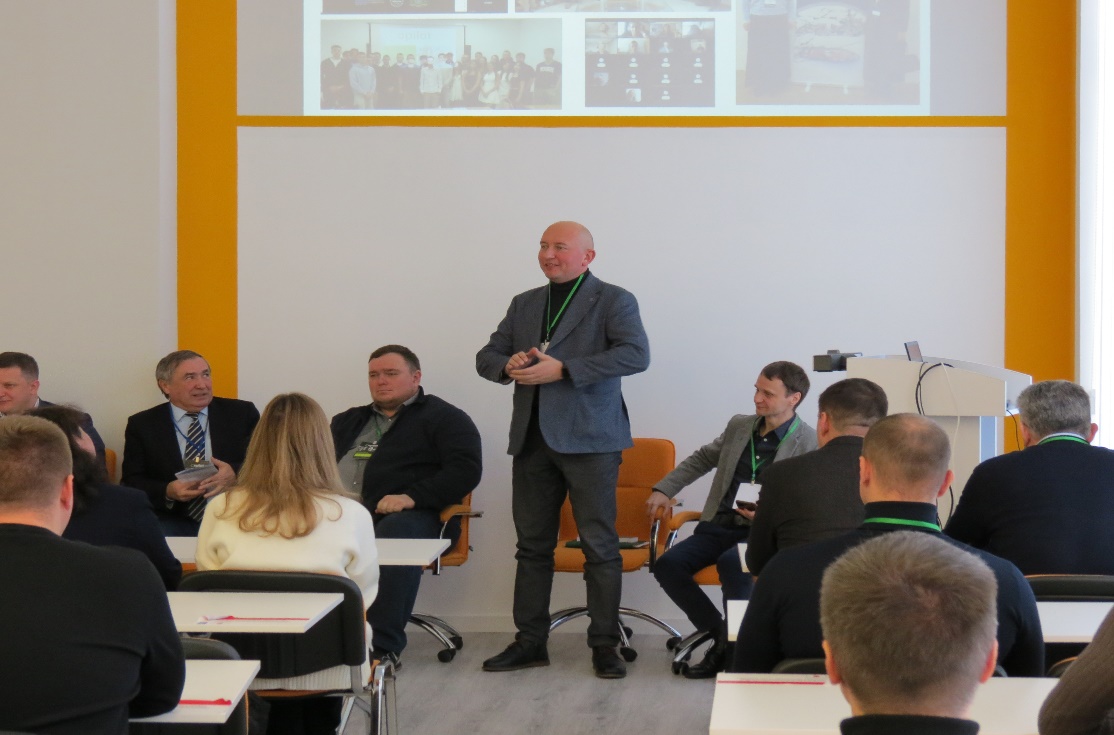
Ivan ROGOVSKIY also stated that in 2025, based on the Faculty of Construction and Design, the innovative HUB "Sustainable Business Platform" commenced its operations. Leading employers were involved in the cooperation, including MHP, KUHN, NEW HOLLAND, LEMKEN, and others, which offer internships, dual educational programs, jobs, and joint educational initiatives. The culture of career development is formed for students from their first year, encompassing the development of soft skills, to obtaining professional certifications, from passing business interviews and creating startups. Thus, the EIT "knowledge triangle" model is implemented in practice, combining education, science, business, and the public sector.
Special attention was paid to the implementation of double and triple degree programs. Vyacheslav BRATISHKO announced the signing the agreement between the Faculty of Mechanics and Technology of the National University of Agriculture and Agriculture of Ukraine and the Faculty of Engineering Sciences of Vytautas Magnus University on the implementation Master's program of double degree in H7 "Agricultural Engineering". This program marks the first step towards expanding cooperation between the Faculty of Mechanics and Technology of NUBiP in Ukraine and European universities, laying the groundwork for the creation of joint master's programs in engineering with other EU institutions, particularly Krakow Agricultural University. This will contribute to the development of academic mobility of students and scientific and pedagogical staff, deepening scientific research and expanding partner networks.
Hennadii GOLUB emphasized that NUBiP of Ukraine plays a leading role in the COPILOT project as a "pioneer of innovation and entrepreneurship", based on its own experience in the field of sustainable energy and clean technologies. Within the framework of the project, the university mentors BNAU and PNU through seminars, joint pilot projects, participation in conferences and workshops, as well as support for the presentation of innovative developments. Such cooperation contributes to the development of strategies for partner universities, strengthening their connections with regional innovation ecosystems and enhancing their role in the "knowledge triangle". Another illustrative example is the cooperation between BNAU and PNU under the coordination of the NUBiP of Ukraine. Within the framework of this cooperation, training courses titled "Digital Technologies in Distributed Bioenergy" were held for students, a professional development program was offered to the scientific and pedagogical staff of PNU, and a pilot project for a solar power plant was implemented, providing BNAU with its own electricity.

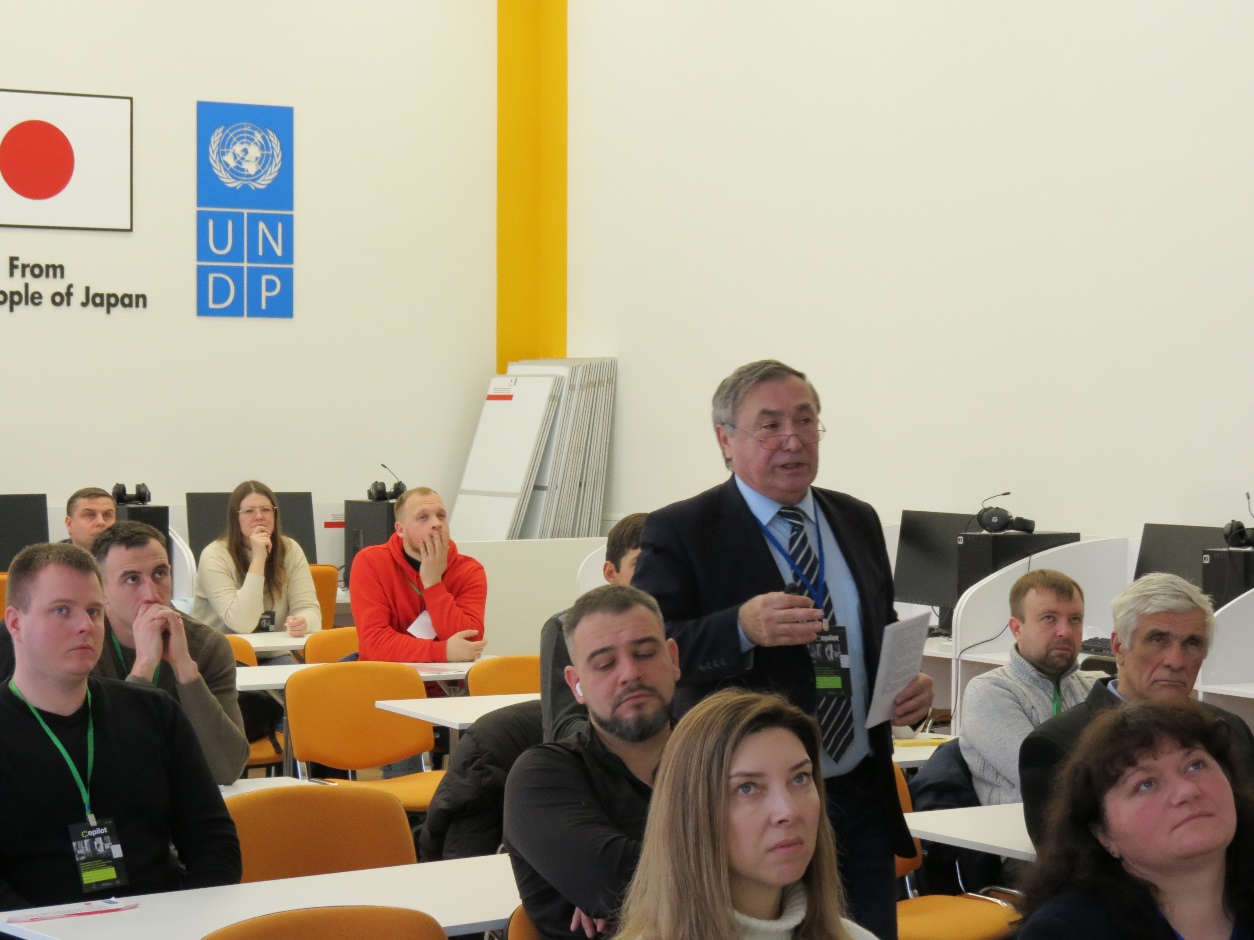
Deputy Dean for International Activities of the Faculty of Construction and Design, Yuriy ROMASEVICH, in his speech, touched upon the interaction of three components of the project: international collaboration, educational, and scientific activities. Without the first component, it is impossible to obtain a reference, that is, a benchmark of high European standards. Scientific activity should realize the creative capabilities of the NCE, avoiding banal and irrelevant topics. The role of the educational part is to transmit the acquired new knowledge to applicants and reinforce their abilities for self-learning. The speaker illustrated his opinion with the example of collaboration with Israeli scientists, which began during the implementation of the COPILOT project, and explained how this work influenced the development of his own scientific trajectory and the content of the educational programs he implemented. In addition, Yuriy ROMASEVICH presented several theses regarding the importance of the initiative of higher education applicants, which can help overcome the challenges of human capital development in our country.


The experience of Bila Tserkva National Agrarian University's participation in the COPILOT project was reported by project manager Vyacheslav CHUBA and Vice-Rector Tetiana DYMAN.

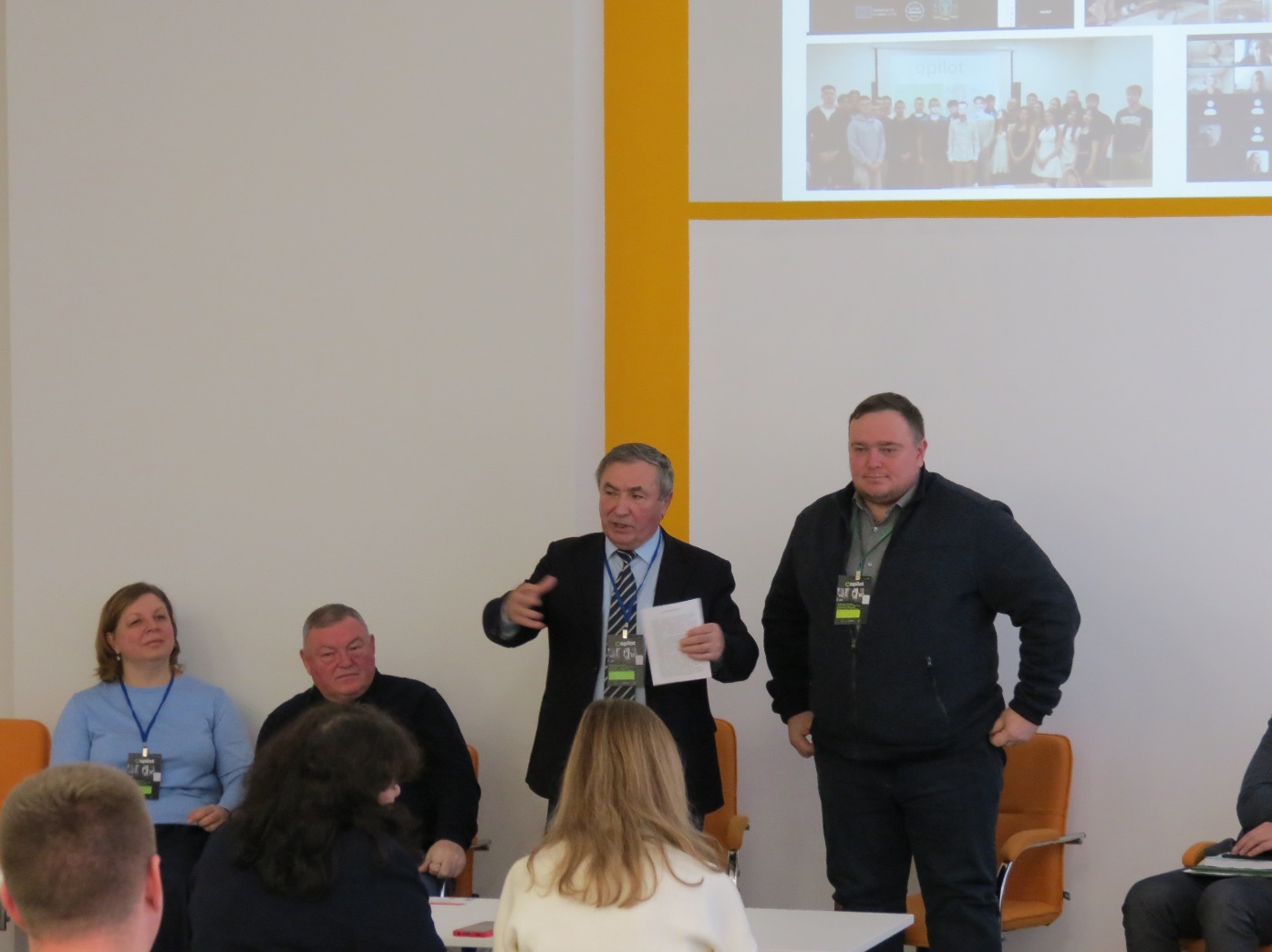

They noted the strategic importance of cooperation with the European Institute of Innovation and Technology and NUBiP of Ukraine. According to Tetiana DYMAN, participation in the project allowed the university not only to provide educational and scientific activities during the war, but also to organize high-quality practical training and introduce innovations in production. Vyacheslav CHUBA emphasized that science, education, and business should function as a single system that shapes the future of the region and the country as a whole.
The discussion was also joined by the project's associate partner, PNU acting Dean of the Faculty of Engineering and Energy, Olena SUKMANIUK, and Deputy Dean for Research of the Faculty of Engineering and Energy, Oleksandr MEDVEDSKYI, noted that participation in the project made it possible to integrate European approaches to the training of alternative energy specialists directly into the educational process.
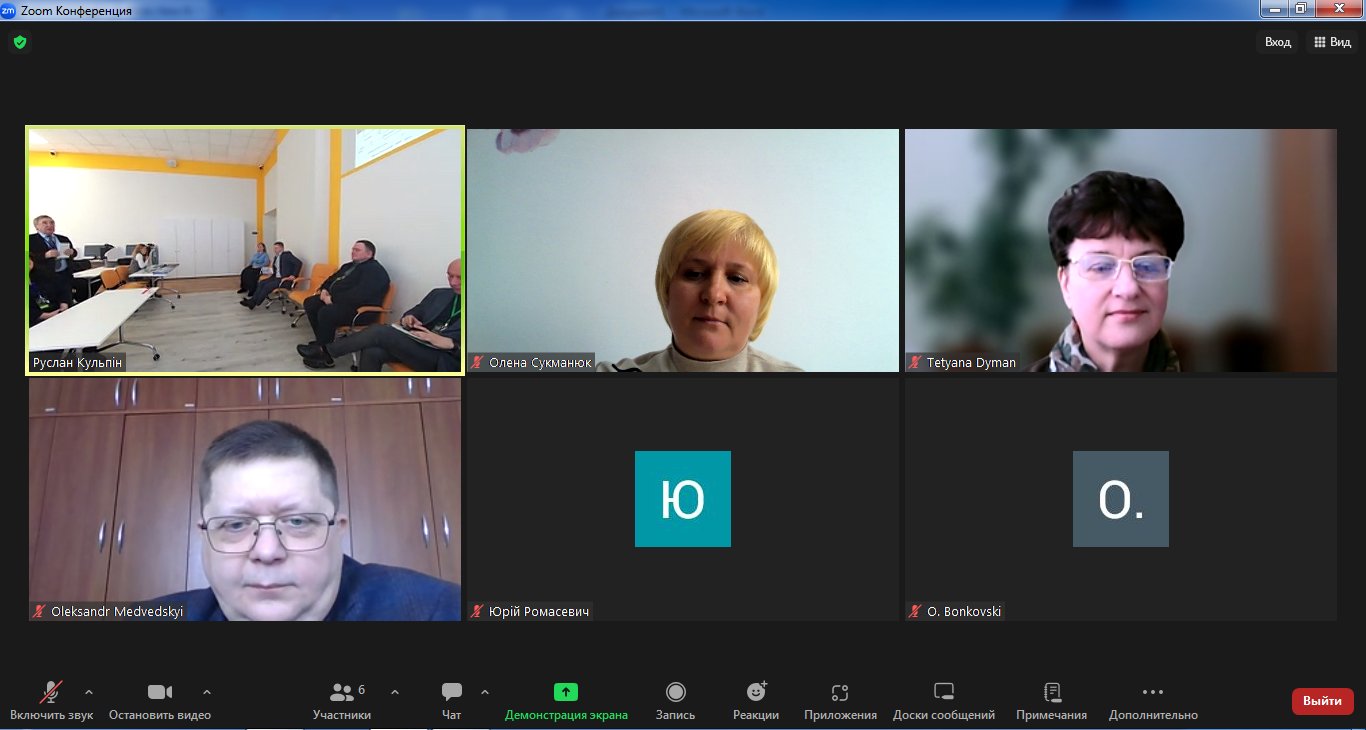
The training was conducted in the Department of Electrification, Automation of Production, and Engineering Ecology, specializing in G3 "Electrical Engineering", specifically within the discipline "Promising Technologies of Unconventional and Renewable Energy". The educational and methodological support was developed jointly with the NUBiP of Ukraine and BNAU, which ensured the unification of approaches to teaching and compliance with modern European standards. In addition to training higher education applicants, the COPILOT project organized training sessions for representatives of business, industry, and university scientific and pedagogical staff. The implemented courses aimed to update professional competencies in the areas of sustainable energy technologies, innovative entrepreneurship, and modern pedagogical practices, creating prerequisites for further modernization of the educational process and integration of project results into curricula.
Natalia TSYVENKOVA, Deputy Dean for International Activities of the Faculty of Mechanics and Technology of the NUBiP of Ukraine, reported on the prospects for the development of the COPILOT project and strategic goals for 2026.


NUBiP of Ukraine is responsible for the implementation of work package 7 "Knowledge sharing – success stories". As part of the implementation of the tasks under this work package, the project website (copilotproject.eu) has already posted success stories from NUBiP of Ukraine (A Success Story in Building Partnerships, Advancing Sustainable Technologies, and Strengthening Innovation and Entrepreneurship), BNAU (Bila Tserkva National Agrarian University: a success story of energy supply and prospects of implementing innovations to achieve Sustainable Development Goals), and the University of Castilla-la Mancha (UCLM Leads the Way in Sustainable Energy with Solar PV Installations). Also, Lyubov SHYMKO (NUBiP of Ukraine) and Ivan OMAROV (BNAU) recorded a podcast "Deep Tech Ecosystem in NULES: International Development Standards and the Ukrainian Innovation Breakthrough", based on success stories and joint achievements of NUBiP of Ukraine and BNAU.

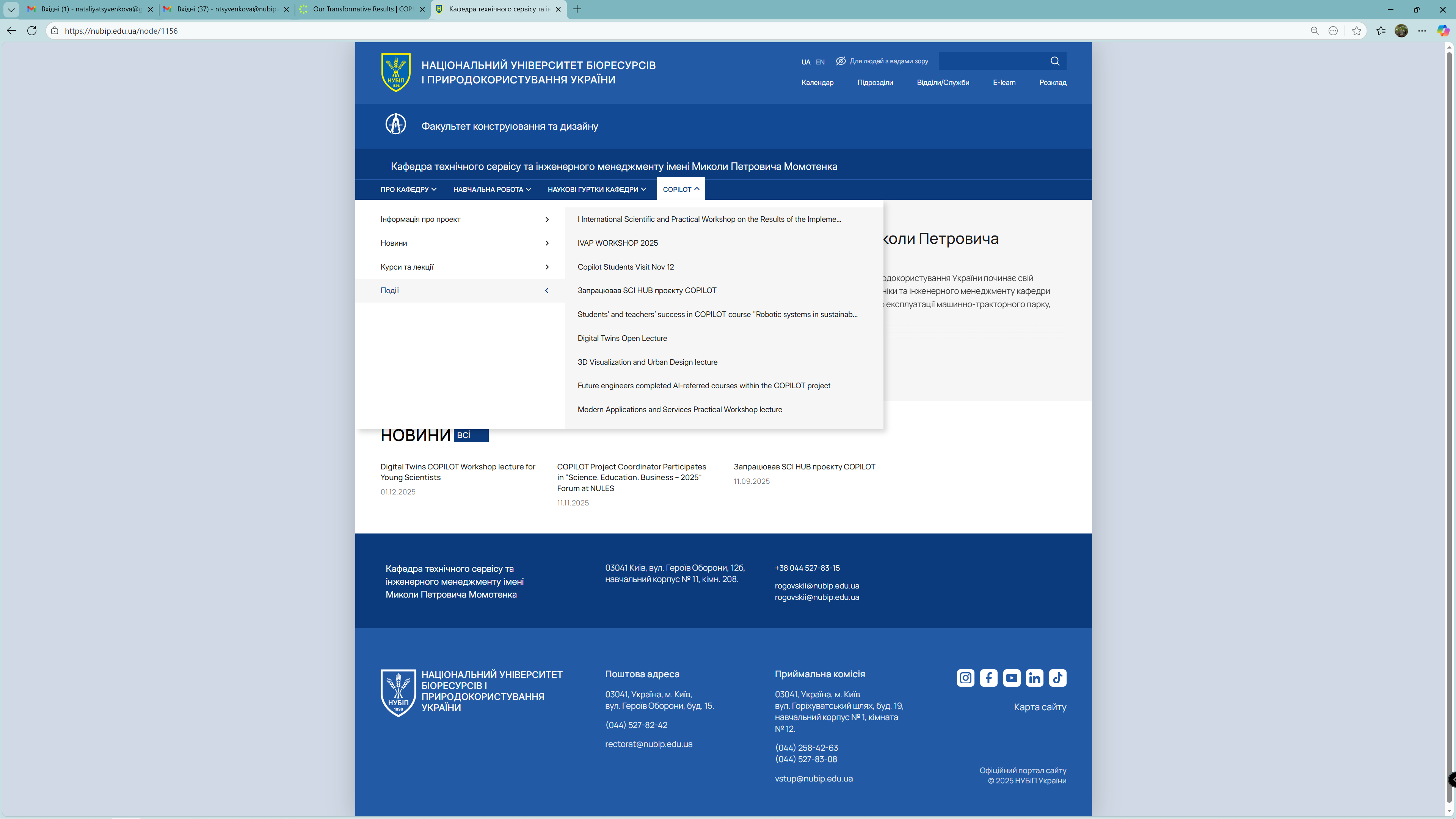
Natalia TSYVENKOVA noted that, despite significant success in implementing the COPILOT project, NUBiP of Ukraine still has a lot of work ahead. It is necessary to present not only the personal achievements of each university participating in the project, but also to achieve success common to the entire consortium in providing the "Knowledge Triangle" in practice, and integrate this story into the resource HUB OF THE EIT HEI Initiative and present joint achievements through the EIT HEI Initiative community of practice.
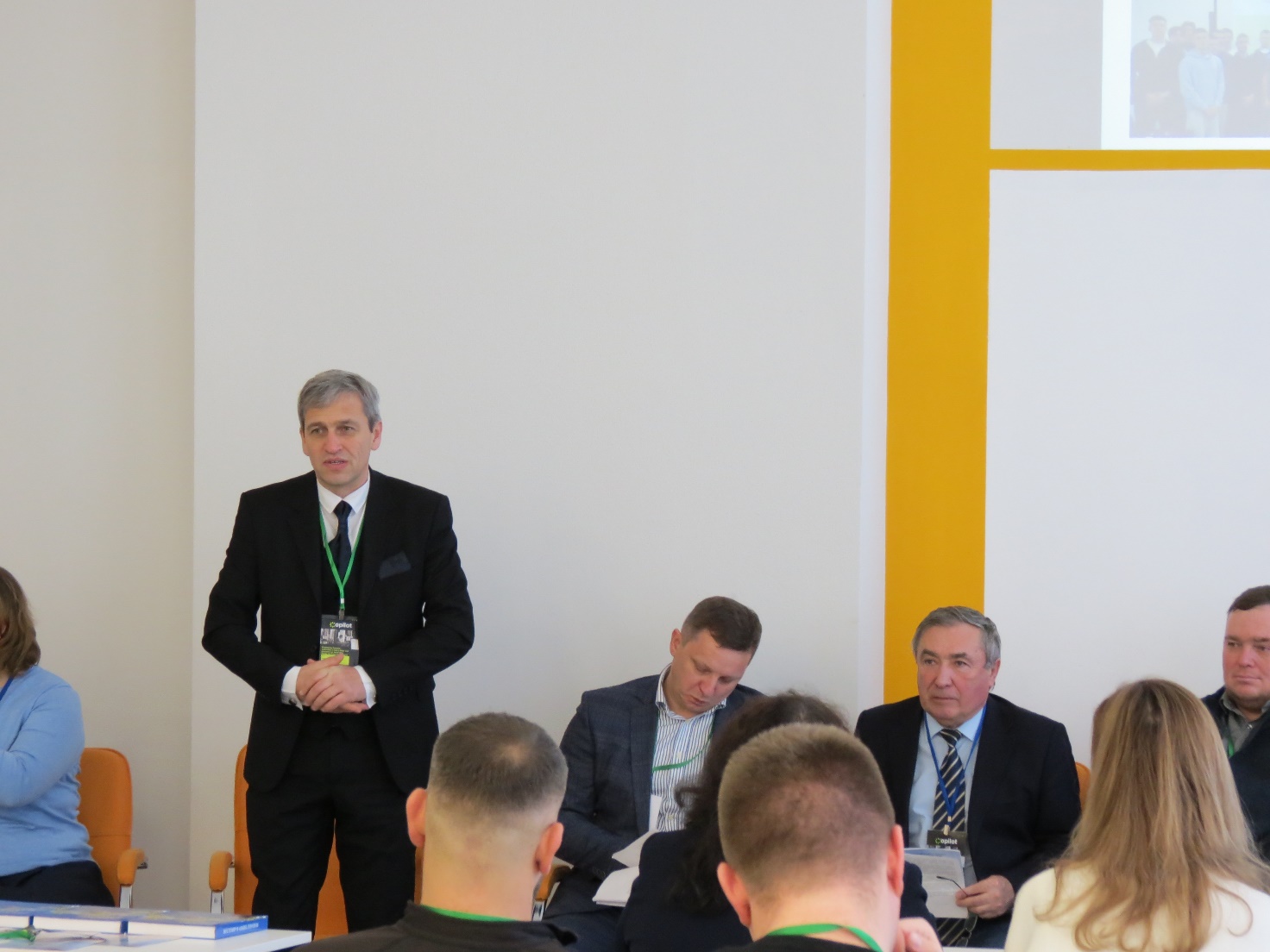
Concluding the official part of the workshop, the Dean of the Faculty of Construction and Design, Ivan ROGOVSKYI, thanked the participants for their work, interesting reports and discussions, wished them a speedy victory and peace, successful implementation of today's agreements, and greetings to the workshop participants with the upcoming New Year!
Natalia TSYVENKOVA