
Practical Training in Close-to-Nature Forestry Held at the Boyarka Forest Research Station
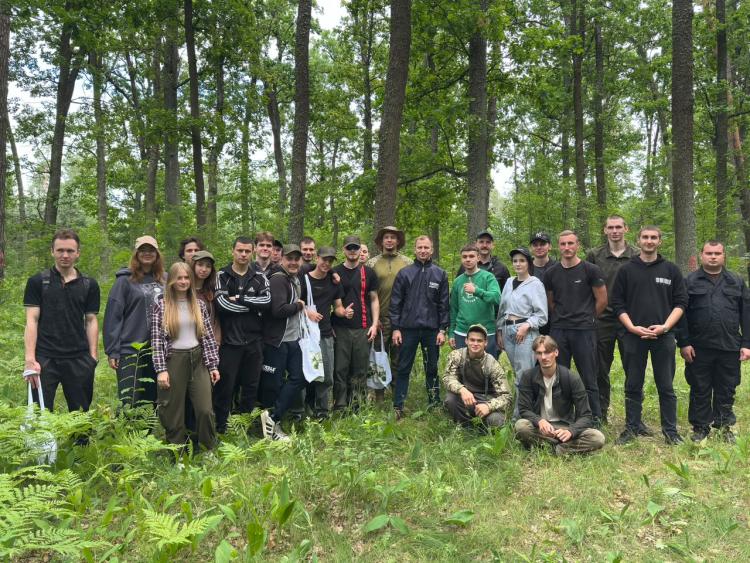
On 9 July 2026, the Boyarka Forest Research Station of the National University of Life and Environmental Sciences of Ukraine hosted practical training for students and forestry professionals. The training focused on applying close-to-nature forestry principles and planning forest management measures in practice.
During the training, participants worked directly in forest stands, identifying trees to be retained for further growth and those that could be selected for harvesting. Their decisions took into account several aspects of forest management, including biodiversity conservation, the production of high-quality timber, stand resilience, and the recreational functions of forests.
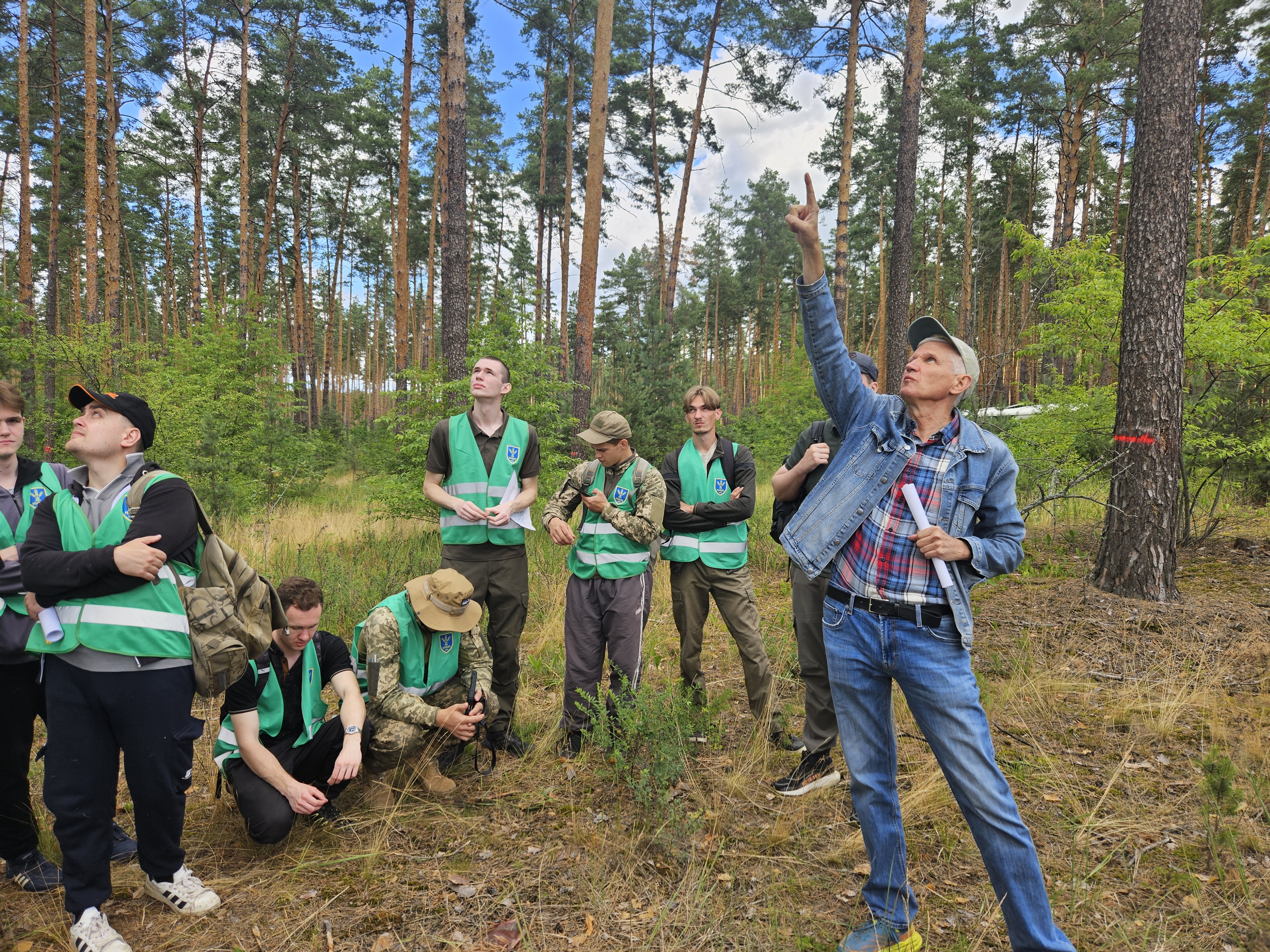
The event was held as part of the international project “From Crisis to Resilience with Close-to-Nature Forest Management in Ukraine”, implemented with the support of the Swiss foundation VELUX STIFTUNG. The project is coordinated by the Bern University of Applied Sciences (BFH-HAFL, Switzerland), with the National University of Life and Environmental Sciences of Ukraine, WWF-Ukraine, the FORZA Agency for Sustainable Development of the Carpathian Region, the Ukrainian National Forestry University, and Polissia National University among its Ukrainian partners.
The practical exercises were carried out on marteloscopes established in the forests of the Boyarka Forest Research Station. These training plots make it possible to analyse individual trees in detail and model different forest management interventions while assessing their potential impacts.
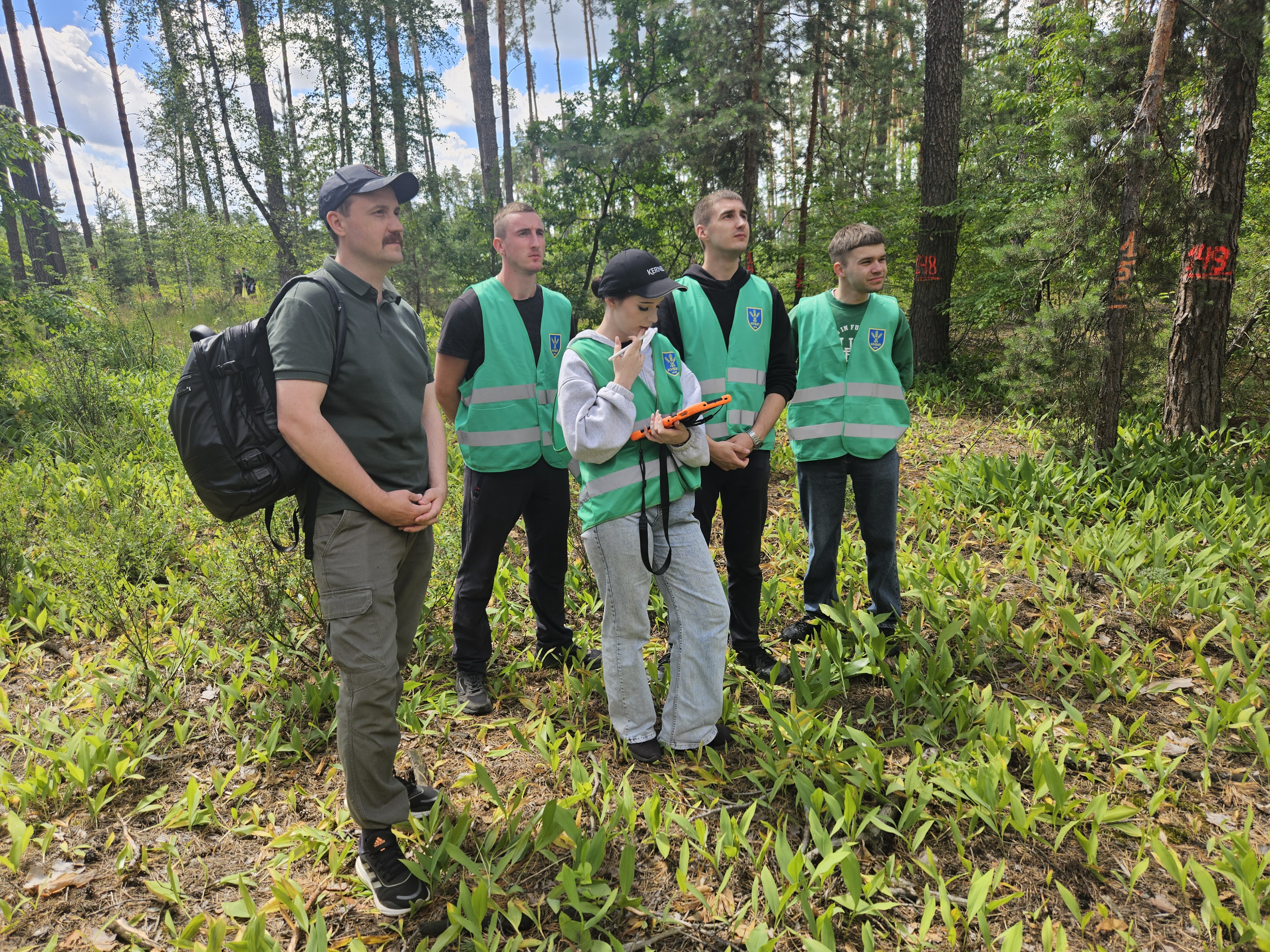
Participants worked on two plots with different characteristics. The first was a 92-year-old pure Scots pine stand undergoing a transformation felling regime. Here, participants assessed natural regeneration and determined further measures to establish a new forest generation while maintaining continuous forest cover. The second was a 123-year-old mature pine-oak stand, where they analysed stand structure and considered appropriate management options taking into account both economic and ecological factors.
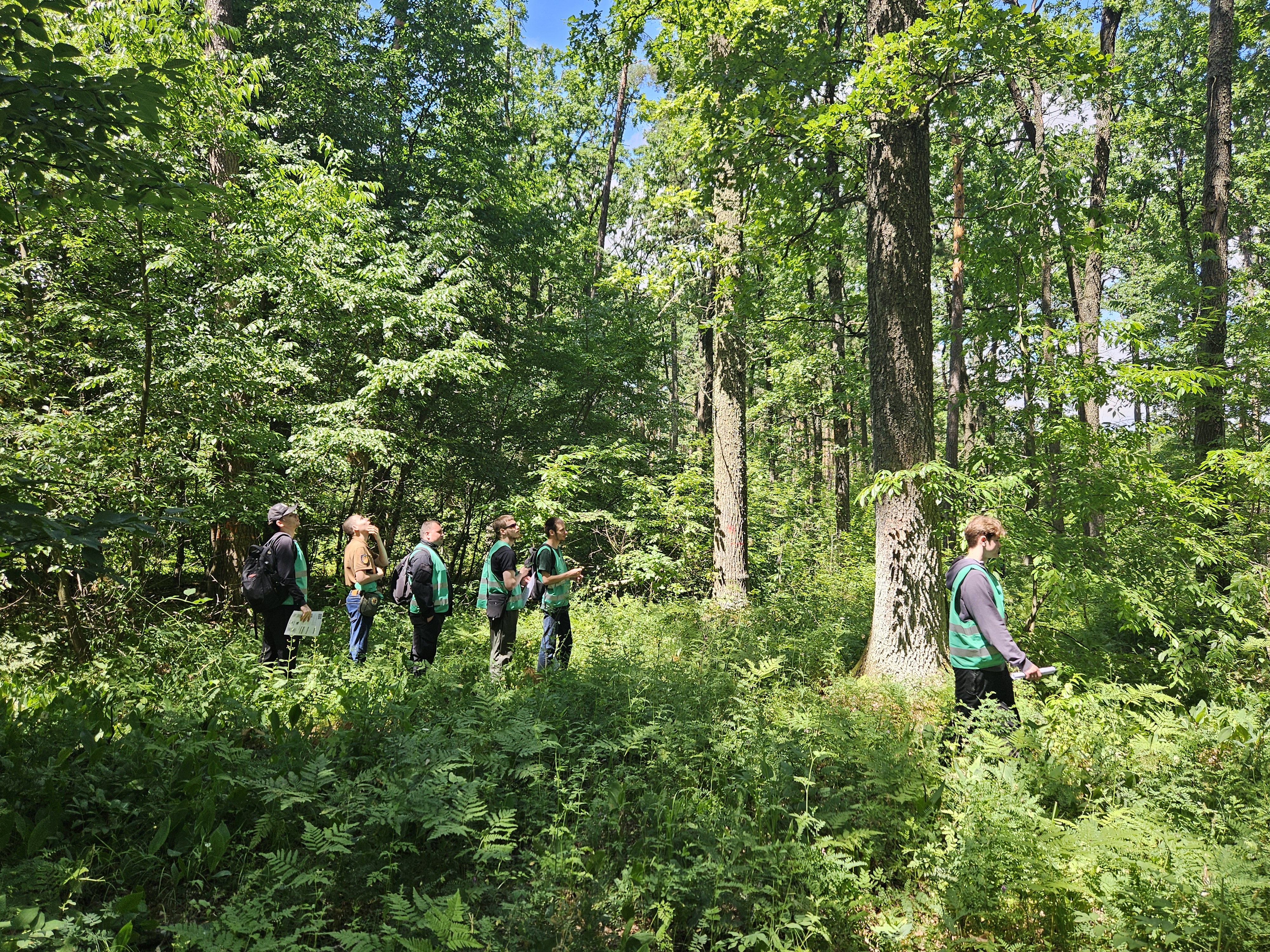
An important component of the training was the use of modern digital tools. Participants used the martelage.sylvotheque.ch (MSC) platform and the MSC Mobile application to mark trees selected for retention or harvesting directly in the field and immediately obtain calculations showing how their decisions could affect the future stand structure, timber volume, and ecological indicators.
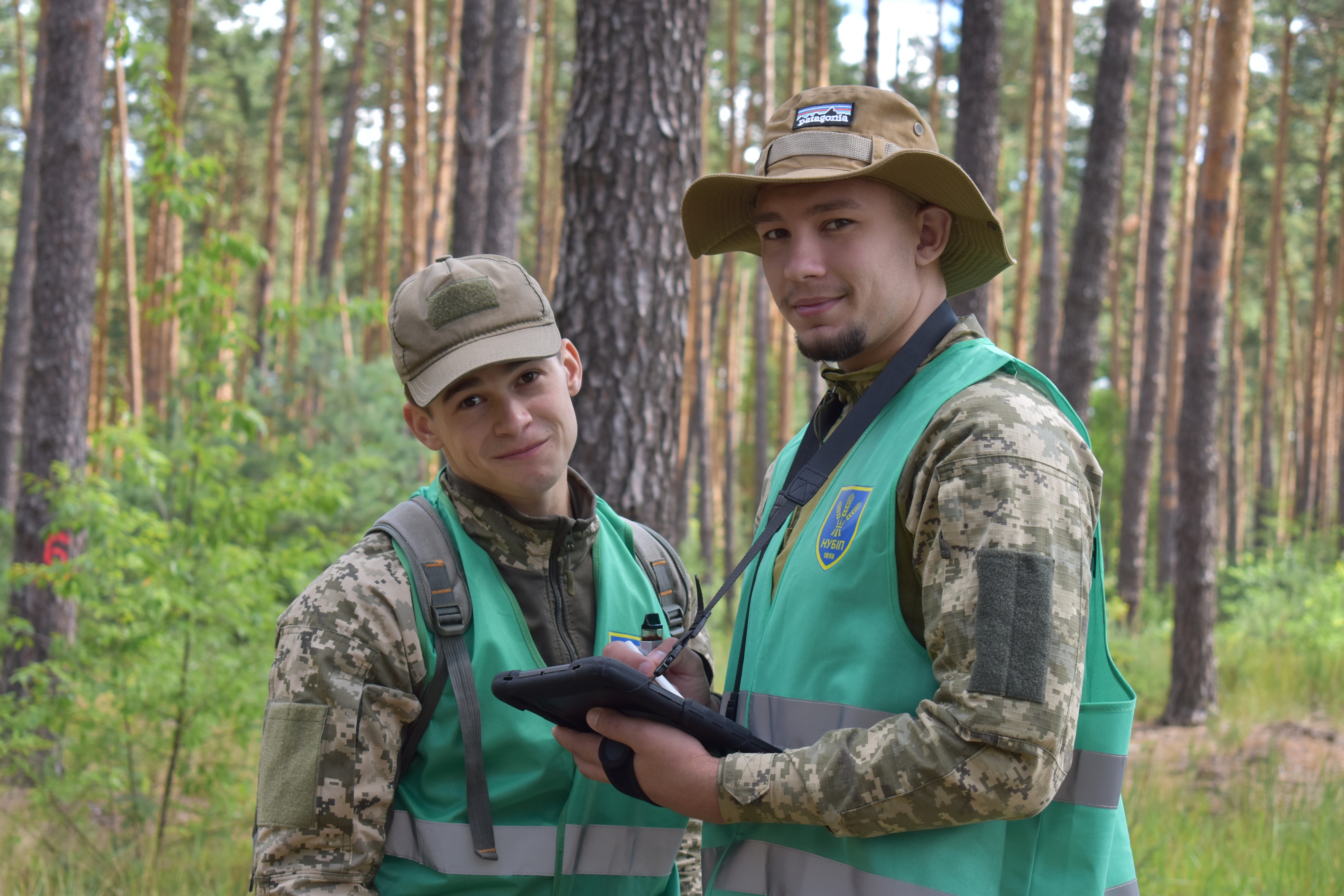
The training combined fieldwork, discussion, and analysis of different forest management scenarios. This format enabled students and practitioners not only to learn about modern approaches to close-to-nature forestry but also to gain hands-on experience with tools for supporting and substantiating forest management decisions.
Practical training of this kind contributes to the dissemination of modern approaches to sustainable forest management and strengthens the practical skills of future forestry professionals.