


Resumption of in-person classes at the Faculty of Food Science, Nutrition, and Quality Management at the NULES of Ukraine
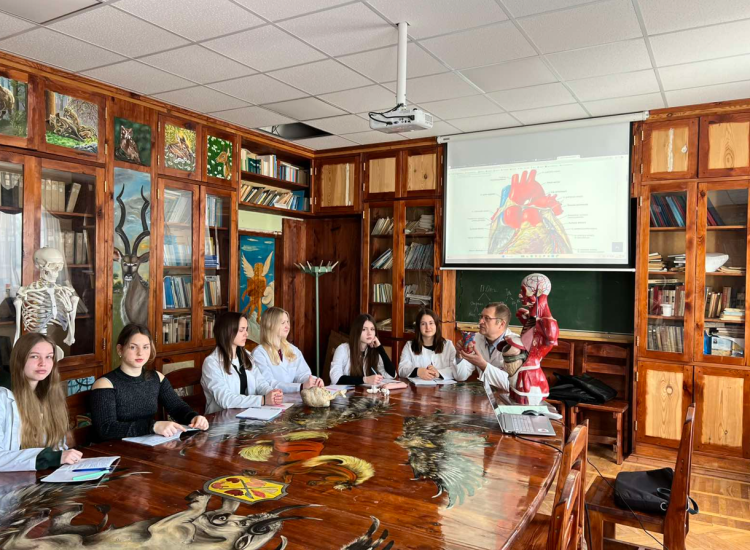
As of March 16, 2026, in-person classes have resumed at the Faculty of Food Sciences, Nutrition, and Quality Management of the National University of Life and Environmental Sciences of Ukraine. The educational process for first-year students majoring in I9 “Public Health” is conducted in accordance with the current requirements of the “Public Health (Nutrition for Healthy Eating)” curriculum, which aims to train highly qualified specialists in the field of preserving and promoting public health.
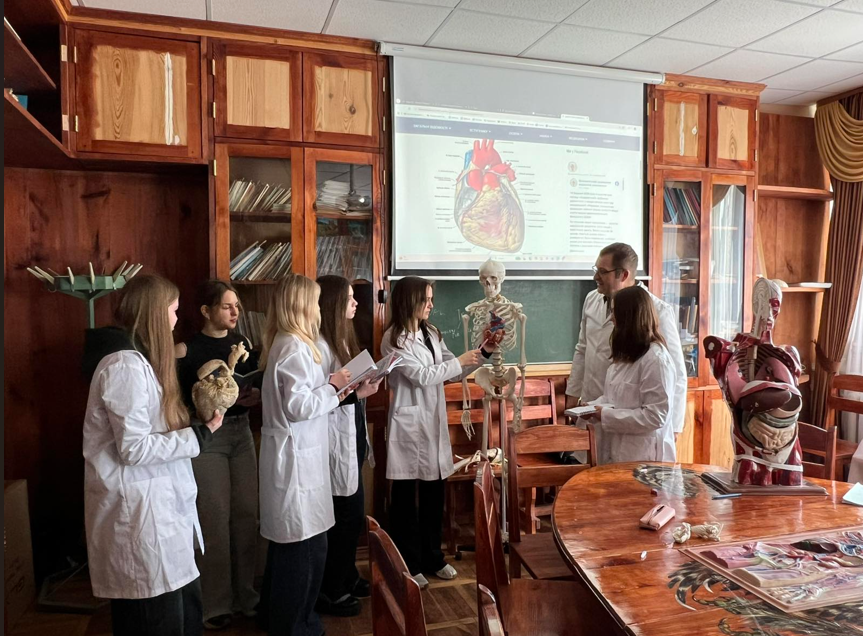
Under the guidance of Professor Gennadiy Fedorovych Tkach, Professor and Doctor of Medical Sciences at the Department of Public Health and Nutrition, students have begun studying fundamental disciplines (human anatomy), including a laboratory session on the topic: “Structure of the Heart. Topography of the Heart. Pericardium.”
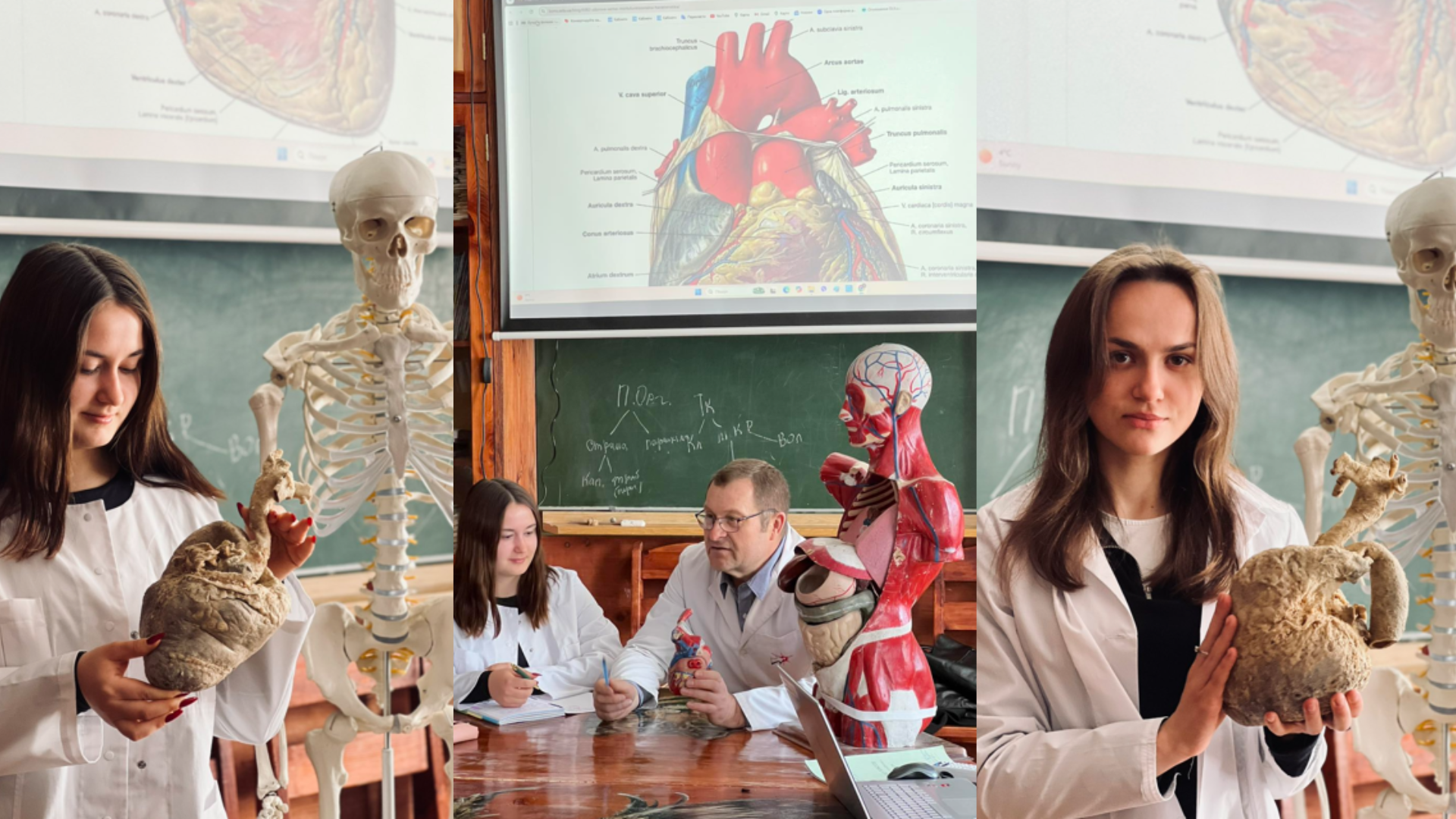
During the class, students study key aspects of the cardiovascular system, specifically: the anatomy of the heart, the systemic and pulmonary circulatory systems, the characteristics of fetal circulation, the development of the heart during embryogenesis, as well as possible anomalies and variations in heart development. Special attention is given to the study of the pericardium as an important anatomical structure that ensures the protection and functioning of the heart.
The study of the cardiovascular system is of paramount importance for future specialists in the fields of public health and nutrition. The heart and blood vessels are the foundation of the body’s vital functions, ensuring the transport of oxygen, nutrients, and biologically active compounds to all organs and tissues. Understanding the structure and functions of the heart allows for the assessment of the impact of diet, lifestyle, and environmental factors on the condition of the cardiovascular system.
In addition, knowledge of the characteristics of blood circulation, including the prenatal period of development, is essential for the early detection of risks and the prevention of cardiovascular diseases, which remain one of the leading causes of mortality worldwide. The study of cardiac developmental anomalies fosters clinical reasoning and enables future specialists to work effectively within the public health system.
Thus, mastering the subject of the cardiovascular system is an essential component of training professionals capable of implementing modern approaches to disease prevention, promoting a healthy lifestyle, and improving the quality of life for the population.